REVIEW · LANGTANG VALLEY
Kathmandu: 7 Day Langtang Valley Trek
Book on GetYourGuide →Operated by Worldwide Tourism Inc · Bookable on GetYourGuide
Seven days in Langtang can change your breathing. The trip takes you from Kathmandu to Syabrubesi and up toward Kyanjin Gompa, where the mountains feel close and village life keeps moving.
I particularly love the private trekking guide setup, because the pace can match your needs on steep trail days. I also like that the nights are in teahouse lodges, so you’re not hauling gear and cooking your own food after a long climb.
One possible drawback: this is serious stair-and-slope hiking, and the cost of meals is extra. Also, if you’re very sensitive to lodge comfort or tight flight timing, confirm how schedule changes would be handled.
In This Review
- Key highlights that make this trek click
- Langtang Valley: the quieter big-mountain feeling
- Day 1: Kathmandu to Syabrubesi and the slow switch into trekking mode
- Day 2: Syabrubesi through forests and bridges to Lama Hotel
- Day 3: Rhododendron and oak climbs to Langtang Village
- Day 4: Yak pastures and streams to Kyanjin Gompa
- Day 5: Acclimatization at Kyanjin Gompa, plus monastery time and cheese
- Day 6–7: The return loop that lets you travel with better legs
- What the trek really asks of you (and how to plan for it)
- Teahouse lodges and meals: where your budget actually goes
- Guides, porters, and the difference a good route expert makes
- Price and value: is $450 fair for a 7-day Langtang trek?
- Who should book this Langtang Valley trek
- Should you book this Kathmandu to Langtang Trek?
- FAQ
- What are the starting and ending points of the trek?
- How long is the Kathmandu to Langtang Valley trek?
- What is the highest point on the trek?
- Is there an acclimatization day included?
- What activities are planned at Kyanjin Gompa?
- Are meals included in the price?
- Do I have the option to hire a porter?
- What permits are included?
- What do I need to bring for the trek?
- What restrictions apply during the trek?
Key highlights that make this trek click
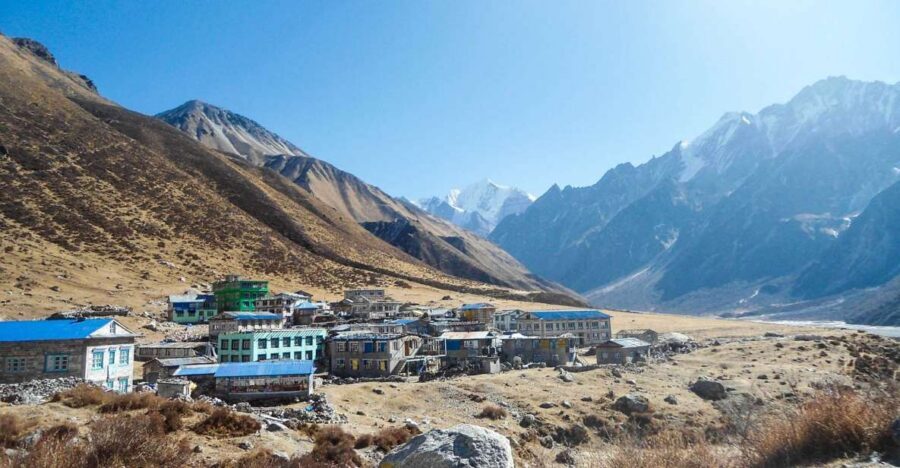
- Kyanjin Gompa acclimatization day at about 3,870m, built into the route
- Stunning peak views from short hikes like Kyanjin Ri or Tserko Ri
- Tamang and Sherpa hospitality woven into everyday stops along the way
- Real trekking support with an experienced English guide (and porter option)
- Langtang National Park and TIMS permits taken care of for you
- Teahouse nights that keep the trek practical and low on logistics stress
Langtang Valley: the quieter big-mountain feeling
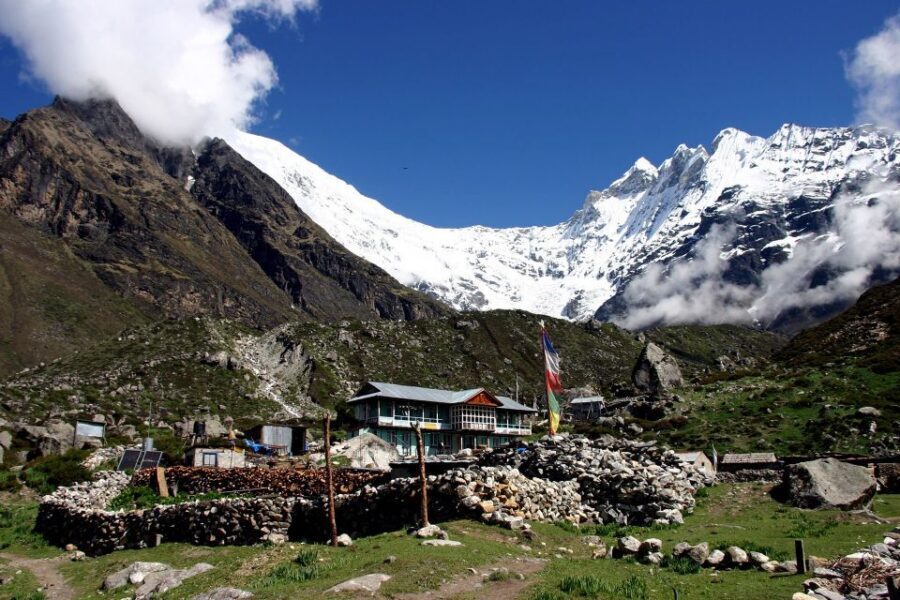
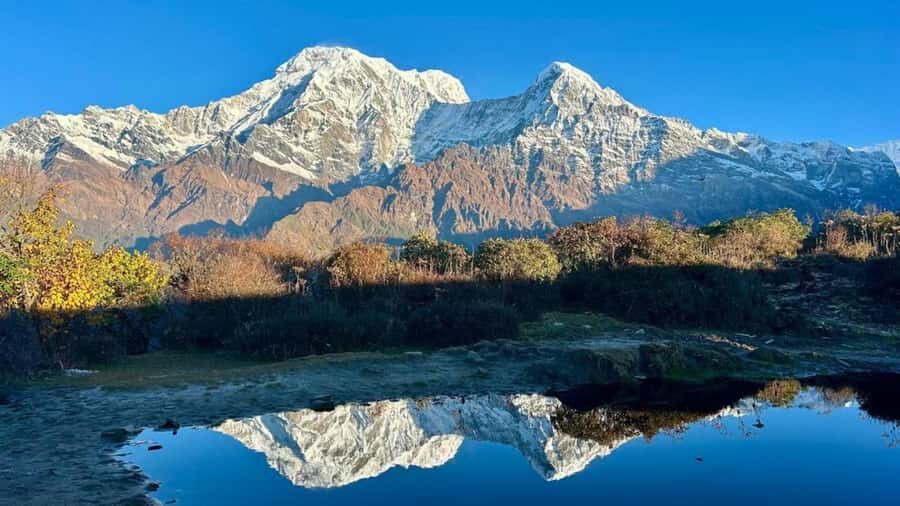
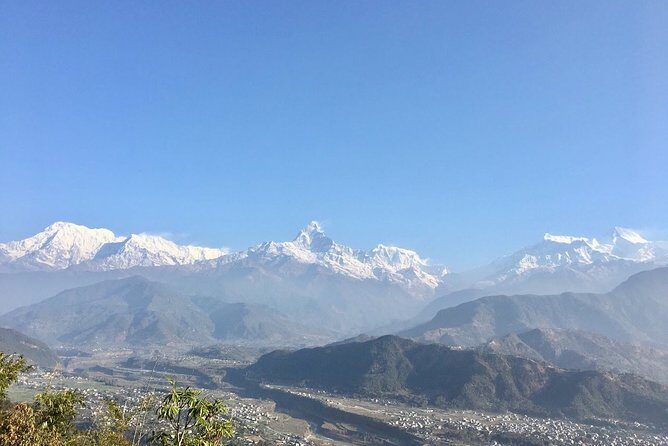
The Langtang Valley hits a sweet spot: high altitude drama without the circus vibe you might expect on more famous routes. You’re walking through working mountain country—forests, river crossings, yak pastures, and villages—while huge snow-capped peaks hang around like you could reach them if you just keep stepping.
What I like most is that the trek balances scenery with culture. You’re not only ticking off viewpoints; you also get time in places tied to Tamang and Sherpa communities, plus a day at Kyanjin Gompa where the Buddhist monastery sits right in the middle of big views. Even the “small” moments—like pausing at streams or watching daily life in a mountain settlement—add up.
One more thing: this trek is designed around altitude reality. You climb in stages and then build in an acclimatization day at Kyanjin Gompa. That doesn’t make altitude risk disappear, but it helps your body handle the move higher.
Day 1: Kathmandu to Syabrubesi and the slow switch into trekking mode
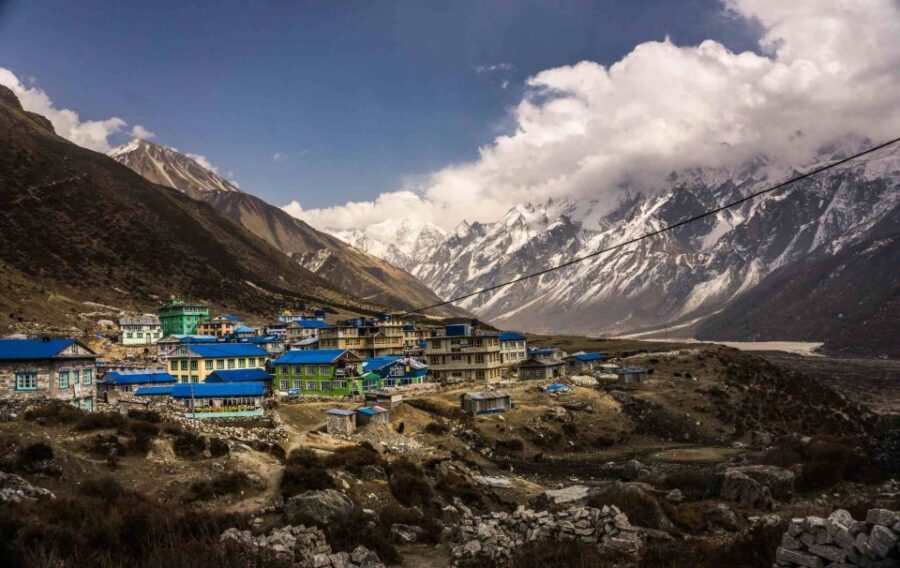
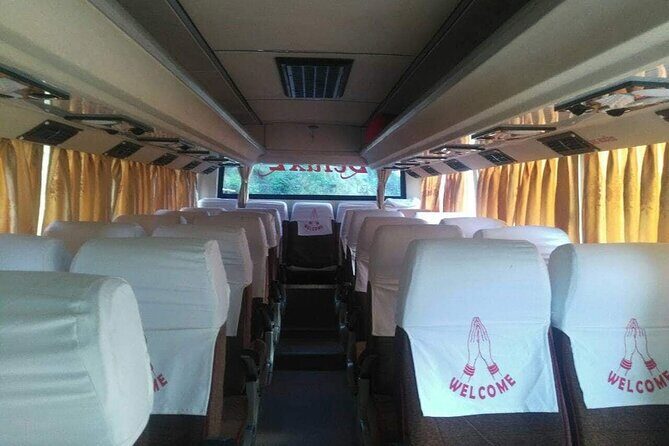
You start with pickup in Kathmandu and a drive out to Syabrubesi (1,550m). The road trip is part scenic village travel, part warm-up for the hills. By the time you arrive, you’re in the Langtang region and ready to trade vehicle time for walking time.
This is a “reset” day. You’ll rest in Syabrubesi and (ideally) use the evening to get your systems sorted: layers, water routine, and what you’ll do when your legs start complaining tomorrow. Don’t underestimate how much easier the next days feel when you start organized.
Day 2: Syabrubesi through forests and bridges to Lama Hotel
Day 2 is your gentle introduction to the rhythm of the trek: walking in lush forest, crossing suspension bridges, and following the Langtang River corridor.
You climb gradually toward Lama Hotel (2,380m). The big value of this day is that it teaches you what the trail will feel like—steady effort, lots of foot-on-ground time, and scenery that changes by the bend, not just from one big viewpoint.
If you get prone to going out too fast early (it happens), Day 2 is where you can correct that. With steep days ahead, you’ll thank yourself for spending this day at a sustainable pace.
Day 3: Rhododendron and oak climbs to Langtang Village
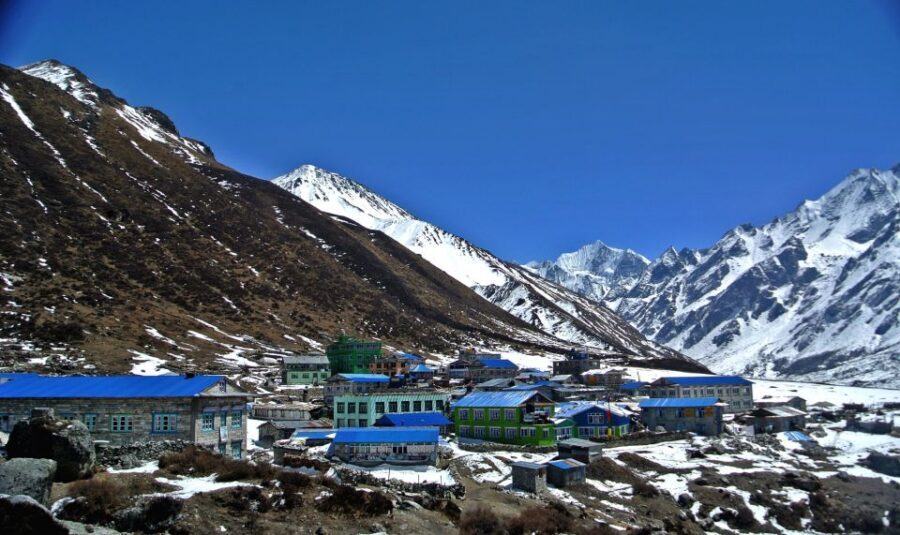
On Day 3, the trek steps up. You’re moving through dense rhododendron and oak forests, ascending toward Langtang Village (3,430m). The air often feels thinner as you climb, and the trail tends to demand more patience.
This is also a culture day. You’re trekking through areas connected to Tamang community life, and the village stop helps you understand the trek isn’t just a line on a map. You’ll see how people live in mountain valleys where walking is daily transportation—not a special event.
The mountain views start to show more clearly as elevation increases. That’s where motivation kicks in: each gradual rise gives you a better angle on the peaks, even before you reach the top viewpoints.
Day 4: Yak pastures and streams to Kyanjin Gompa
Day 4 pushes you higher toward Kyanjin Gompa (3,870m). The trek route shifts from forest feel to something more open and high-country: yak pastures and glacial streams show up along the way.
When you arrive at Kyanjin Gompa, the big payoff is twofold. First, you get an epic panorama with Langtang Lirung and other peaks in view. Second, you can explore the ancient Buddhist monastery, which gives the whole place meaning beyond the photo moment.
This is also a good day to recognize what your body is doing. If you feel strong, don’t sprint—just get to your lodge, hydrate, and let tomorrow’s acclimatization day do its job.
Day 5: Acclimatization at Kyanjin Gompa, plus monastery time and cheese
Day 5 is built for breathing at altitude. It’s a dedicated acclimatization day at Kyanjin Gompa, and that matters because your body needs time to adjust around roughly 3,870m.
You can take it easy with short hikes and options that don’t force a long, exhausting push. The trek includes time for viewpoints like Kyanjin Ri or Tserko Ri. If you’d rather slow down, you can also explore a local cheese factory—a very mountain-real kind of stop that breaks up the “just hike and hike” pattern.
Here’s the practical angle: use this day to test your system. If you feel headaches, nausea, or unusual fatigue, you can choose the gentler option and keep the rest of the trek safer. If you feel good, you can enjoy the views without turning the day into a second summit attempt.
Day 6–7: The return loop that lets you travel with better legs
You head back down on Day 6 from Kyanjin Gompa to Lama Hotel, retracing much of the route. Descent can feel easier than ascent, but it comes with its own challenge: downhill stress on knees and shins, plus lots of steps.
On Day 7, you hike from Lama Hotel back to Syabrubesi, then board a vehicle and return to Kathmandu, where the trek ends.
This return timing is nice for a simple reason: you get the chance to see familiar spots with different light and different energy. And because your highest point was earlier, you’re not stacking altitude pressure on top of a final “last-day climb.”
What the trek really asks of you (and how to plan for it)
This is not a walk-in-the-park trek. You’ll climb hundreds of steps, and your route includes multiple elevation gains across a week. One hiker described it as a demanding workout—about 15km with roughly 1,200m of elevation gain and around 8 hours of uphill effort per day. Even if your numbers differ, that’s a helpful reality check.
So plan like it’s a hiking program, not a scenic stroll. Wear footwear that you trust. Keep your pace consistent. And if you’re unsure how your body handles altitude, treat Kyanjin Gompa as non-negotiable rest-and-acclimatize time.
Also, consider your health fit. This trek is not suitable for pregnant women, people with mobility impairments, wheelchair users, or people with back problems. That’s not about comfort preferences—it’s about the step-heavy, uneven trail nature.
Teahouse lodges and meals: where your budget actually goes
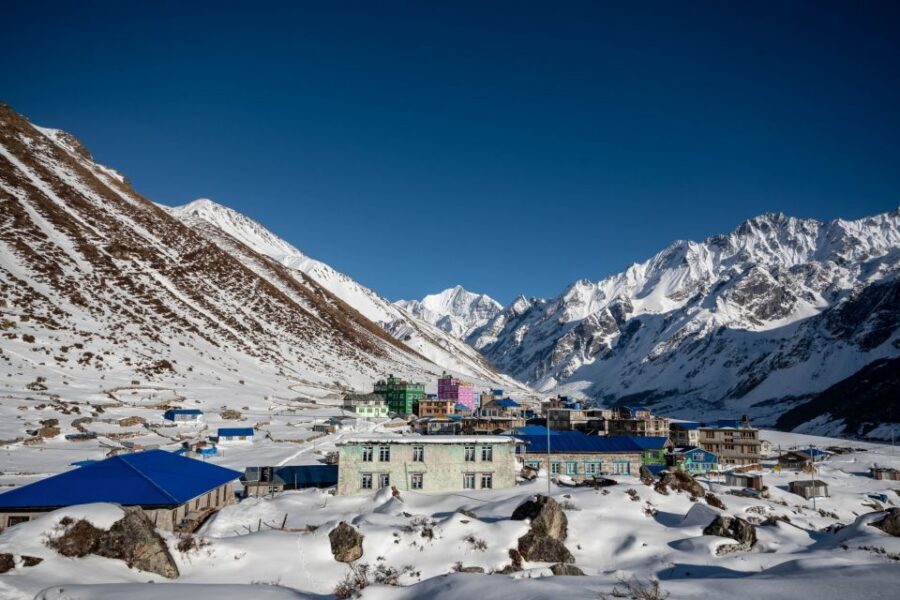
The trek includes teahouse lodges for accommodation. That’s a big part of the value because it keeps logistics straightforward: you’re not searching for hotels every night or figuring out meal planning from scratch.
But meals are not included. You can buy meals on-site, with an approximate cost of NPR 2,500 per person per day. That matters because the trek price ($450) covers a lot of core services, but your food bill will still show up during the week.
A practical approach: budget meals from the start and don’t plan on a “cheap at the end” strategy. In higher mountain settings, meal costs can add up quickly, especially if you’re hungry after long step days.
Temperature matters too, even if your package doesn’t spell it out. Plan for cold evenings at altitude and bring warm layers. If you tend to get cold easily, you’ll enjoy the trek more when you’re not battling discomfort at night.
Guides, porters, and the difference a good route expert makes
You travel with an experienced licensed trekking guide who knows the route and helps you throughout. It’s listed as a private group format, which is a real advantage on a trek like this. Mixed-speed groups can turn into constant waits; private guiding tends to mean smoother pacing and fewer awkward “you go, I stop” moments.
You also have the option to hire a porter to carry your main backpack. That can be a huge quality-of-life upgrade. Your legs still do the climbing, but your shoulders get a break, and you’ll conserve energy for the long days.
The guide is also English-speaking, which helps when you need clarity on trail conditions, timing, or how to handle your day at Kyanjin Gompa.
Price and value: is $450 fair for a 7-day Langtang trek?
At $450 per person for 7 days, the headline price looks simple, but the real question is what’s covered.
In your package, you get:
- Hotel pickup and drop-off
- Transportation to and from the trek starting point
- Permits for Langtang National Park and the TIMS card
- Teahouse lodge accommodation during the trek
- An experienced English guide
- Option for porter service
- Kathmandu hotel accommodation (usually 1–2 nights before and after)
- A basic first aid kit
Meals are extra (about NPR 2,500 per day).
So where does the value come from? Permits plus guide plus logistics plus the Kathmandu nights add up fast when you try to build this yourself. Paying $450 can make sense if you want a guided, low-hassle path and you’ll actually use the support.
That said, not every trekking provider experience is perfect. One unhappy booking reported issues with organization, including an adjusted trek schedule due to their flight timing and concerns about lodging quality. If schedule risk matters to you, lock in your flights early and clearly confirm how changes would be handled if you need to adjust.
Who should book this Langtang Valley trek
You’ll likely love this trek if you:
- Want a guided Himalayan trek with permits handled
- Like the idea of an acclimatization day rather than rushing to the top
- Enjoy walking through village country, forests, and high-country pastures—not just hitting viewpoints
- Prefer a private group pace that can match your energy
You should probably skip it if you:
- Need step-free trails or mobility support (this is not designed for that)
- Have serious back issues or similar physical limitations
- Are working with tight flight timing and can’t tolerate schedule adjustments
Should you book this Kathmandu to Langtang Trek?
I’d book it if you want an authentic Langtang experience with solid structure: permits, an English guide, teahouse nights, and a real acclimatization day at Kyanjin Gompa. The route’s mix of forests, river crossings, monastery time, and big peak views is exactly the kind of trekking week that sticks with you.
But if you care deeply about lodge standards and you have fixed travel windows, take an extra step before paying: confirm expectations around timing and accommodations. And commit to the reality check—this trek includes lots of steps, and it’s meant for hikers who can handle a daily workout.
FAQ
What are the starting and ending points of the trek?
The trip runs from Kathmandu to Syabrubesi and back to Kathmandu. You drive to Syabrubesi at the start and return by vehicle after your final hike to Syabrubesi.
How long is the Kathmandu to Langtang Valley trek?
It’s a 7-day trek.
What is the highest point on the trek?
The highest listed point is Kyanjin Gompa at 3,870m.
Is there an acclimatization day included?
Yes. Day 5 is an acclimatization day at Kyanjin Gompa with short hike options and time in the area.
What activities are planned at Kyanjin Gompa?
You can explore the monastery and choose short hikes to viewpoints like Kyanjin Ri or Tserko Ri. There’s also time to explore a local cheese factory.
Are meals included in the price?
No. Meals are available for purchase, with an approximate cost of NPR 2,500 per person per day.
Do I have the option to hire a porter?
Yes. Porter service is listed as an option, to carry your main backpack during the trek.
What permits are included?
The price includes trekking permits for Langtang National Park and the TIMS card.
What do I need to bring for the trek?
You should bring a passport-sized photo and your passport or ID card (a copy is accepted).
What restrictions apply during the trek?
Oversize luggage is not allowed, and drones are not allowed. This trek is also not suitable for pregnant women, people with mobility impairments, wheelchair users, or people with back problems.