REVIEW · KATHMANDU
Journey to Dhunche A Scenic Bus Ride to the Gateway of Langtang
Book on Viator →Operated by Nepal Vehicle Hiring Pvt Ltd · Bookable on Viator
That first glimpse of the Himalaya hits fast. This bus ride from Kathmandu to Dhunche is a long-but-fun road trip with big mountain views and a river-driven scenic route that keeps changing as the highway climbs. I especially like the chance to break up the day with roadside stops for tea and local food, and I like that you’re headed toward the Langtang entry area rather than just sitting on a random bus route. One drawback: it’s a full 8–9 hour day and the road can feel a bit bumpy on steep sections, so you’ll want to plan for comfort.
You start early (around 7:15 am), you’ll get assigned a bus/seat after booking, and the ride is timed with traffic conditions. It’s the kind of trip that works best if you treat it like part of the experience, not just transportation—because the scenery is the point.
In This Review
- Key Highlights That Make This Ride Worth It
- The Route Between Kathmandu and Dhunche: What Makes It Scenic
- Getting There: Timing, Start Point, and What You Should Plan Around
- The Big Moment: Dhunche and the Langtang Gateway Feel
- The Roadside Stops: Tea, Stretching, and Food Without the Guesswork
- Comfort on Steep Hills: How to Survive a Bumpy Mountain Road
- Deluxe Bus Ticket Value: Is $17 a Good Deal?
- Who This Bus Ride Suits Best (and Who Might Want Something Else)
- Quick Practical Tips Before You Book
- Should You Book the Kathmandu to Dhunche Bus Ride?
- FAQ
- What is the price for this experience?
- How long does the bus ride take?
- Where does the tour start in Kathmandu?
- What time does it depart?
- Where does the trip end?
- What is included in the price?
- What is not included?
- How many travelers are in the group?
- When will I receive confirmation after booking?
Key Highlights That Make This Ride Worth It
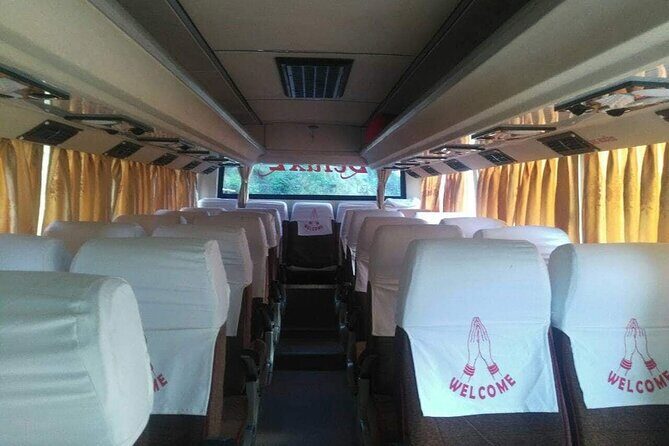
- Trishuli River views: you’re often looking out toward the river corridor as the road winds along.
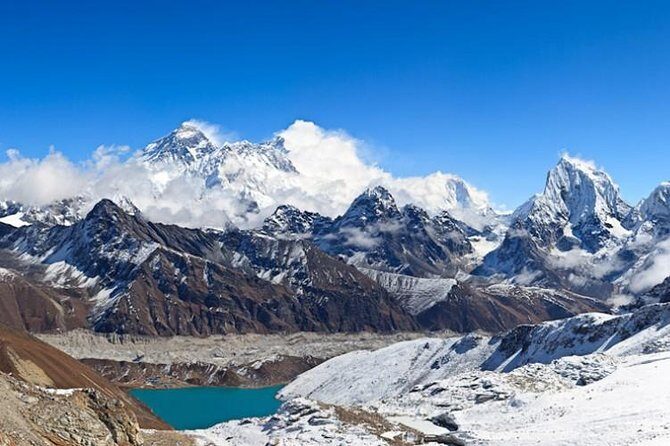
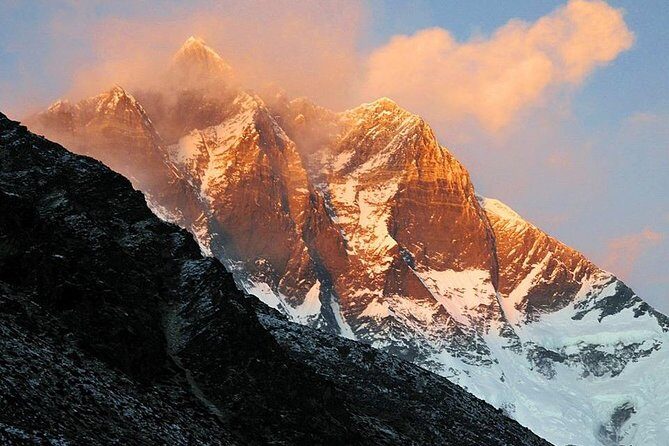
- Himalayan scenery building over time: the mountains feel like they get closer as you go.
- Breaks for tea and Nepalese meals: you’re not stuck eating nothing for the entire day.
- Driver skill on steep hills: the ride can feel intense in spots, but the bus operation matters.
- Small-group feel (up to 20 travelers): easier to stay organized and keep track of your seat and timing.
The Route Between Kathmandu and Dhunche: What Makes It Scenic
This trip lives on its scenery. The drive runs out of Kathmandu toward Dhunche, the gateway into the Langtang National Park area, and the big selling point is how the views evolve during the ride.
At the start, the scenery is more river-and-valley focused. As you move along the Trishuli River corridor, you get long sightlines that make the time pass quickly—especially if you like watching how villages and terrain shift along a major road. Then the tone changes. As the bus gains altitude, the mountains begin to loom in the distance, and that’s when the whole trip starts to feel like more than a commute.
For me, the key is that the scenic reward is spread through the day. You don’t wait until the last 10 minutes for the good stuff. The views build gradually, so even if you need a break for comfort, you’re still getting payoff.
You can also read our reviews of more tours and experiences in Kathmandu.



Getting There: Timing, Start Point, and What You Should Plan Around
The experience is scheduled for about 8 to 9 hours depending on traffic. That range matters because you’re leaving Kathmandu early and you’re heading toward a mountain entry area where road conditions can slow things down.
You’ll start at Machha Pokhari, Ring Rd, Kathmandu with a start time of 7:15 am. You’ll end at Syapru Besi (45000), Nepal. In between, you’ll be doing the usual long-distance bus routine—sitting, watching out the window, and using the scheduled stops to stretch.
After booking, you receive ride details such as Bus No, Seat No, and the reporting time and departure time. That’s useful because long bus days in Nepal go smoother when you know exactly where to be and when to be there. Show up early enough to find the pickup spot without stress.
My practical advice: treat this like a morning departure you can’t miss. If you’re even slightly rushed, you’ll feel it later—because the day is long and most of your time is spent on the bus.
The Big Moment: Dhunche and the Langtang Gateway Feel
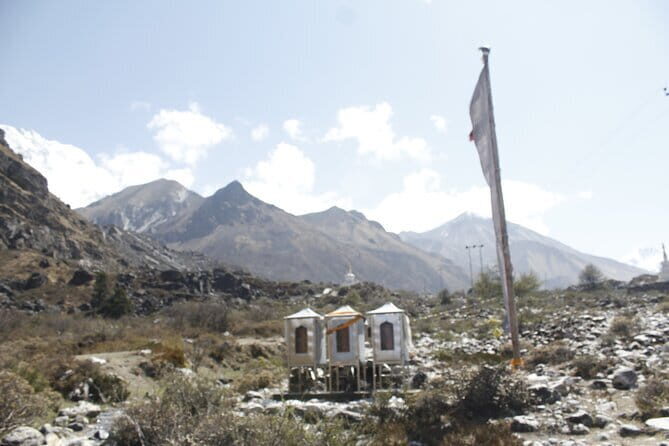
Dhunche is the highlight zone. This is where the road shifts from “scenic drive” into “this is the approach to the mountains” mode. The gateway setting gives you that sense of arrival—snow-capped peaks become the focus, not just background.
Even without stepping off the bus for long, this is the point where you’ll likely want your phone/camera ready and your posture set for window-side viewing. The bus tends to make you pass through the area on a schedule, but Dhunche is still where the day starts to make emotional sense: you’re genuinely heading toward the Langtang National Park region.
A small consideration: the end location is Syapru Besi, so even after Dhunche you may still have more time on the road. If you’re planning anything later that day, leave buffer for the full ride length.
The Roadside Stops: Tea, Stretching, and Food Without the Guesswork
One reason this ride feels humane is that it breaks up the day. The bus makes a few stops so you can stretch your legs and sample local cuisine.
The information points to two “classic” moments:
- A chance to get a cup of tea at a roadside tea stall.
- A chance to try a traditional Nepalese meal at a food stop.
That matters because long bus rides are where people get cranky—usually from being too uncomfortable, too hungry, or both. These stops give you a reset. And because they’re tied to local roadside places, you get a quick taste of everyday Nepal rather than only seeing it from a window.
Practical tip: if you’re picky about timing, don’t eat a heavy breakfast right at 7:00 am. Aim for something light so the meal stop feels like a bonus rather than a second full dinner. Also keep small cash handy for tea and snacks, since the experience listing only guarantees the ticket, not food.
Comfort on Steep Hills: How to Survive a Bumpy Mountain Road
This is the one part you should respect. The ride includes winding roads and steep hill sections, and the bus can be bumpy. That’s not a dealbreaker, but it affects how you prepare.
From the ride style described in feedback, the driver’s control on steep terrain is a real factor. In other words: you’re in good hands, but the road itself still behaves like a mountain road.
Here’s how to make it more comfortable:
- Wear layers. Even in daylight, altitude and river-valley air can shift.
- Bring a light neck pillow or wrap if you’re prone to neck strain on long drives.
- If you get motion sickness, use what works for you before you board. Don’t wait until you’re already uncomfortable.
- Keep water accessible. The ticket doesn’t include extras beyond the bus ride, but you’ll be stopping for food and tea, so plan around it.
If you’re someone who hates the feeling of sitting rigid for hours, you’ll still be okay here because the stops are built in. But don’t underestimate how tiring a long mountain-day can be.




Deluxe Bus Ticket Value: Is $17 a Good Deal?
For $17 per person, you’re buying a deluxe bus ticket for an 8–9 hour mountain-region ride that covers a real route from Kathmandu into the Langtang gateway area. That’s strong value in plain terms: you’re not paying for a guide, lodging, or transfers—just transportation on a comfortable bus with structured stops.
Where value really shows up is in the “less work for you” part:
- You don’t have to coordinate a route yourself from Kathmandu to the Langtang entry area.
- You get assigned Bus No and Seat No, plus start/end details.
- You’re not stuck figuring out where and when to eat because the ride includes stop time for tea and meals.
One note: the listing says you pay for the ticket, and everything else isn’t included. That means your budget should allow for drinks, tea, and any meal you choose to buy at the stops.
If you’re traveling on a tight budget but still want to reach the Langtang gateway without turning the day into a DIY logistics problem, this price point makes sense.
Who This Bus Ride Suits Best (and Who Might Want Something Else)
This is a great match if you:
- Want a taste of the Langtang region without committing to a multi-day trek.
- Enjoy scenery from a moving vehicle and don’t need constant stops or walking time.
- Prefer having a set departure (7:15 am) with seat assignments and a clear end point.
It may be less ideal if you:
- Want a super fast transfer with minimal time on the road.
- Get uncomfortable with bumpy rides and don’t plan for motion sickness or physical comfort.
- Need the itinerary to feel flexible day-of—traffic can change timing, and the ride length is approximate.
For many people, this is the perfect “approach day.” You get out of Kathmandu early, you see the Trishuli corridor and Himalayan views, and you arrive in the Langtang gateway zone ready to choose what comes next.
Quick Practical Tips Before You Book
- Plan for a full day: 8–9 hours is real time.
- Bring a layer, even if Kathmandu feels warm.
- Keep small cash for tea or meals at the stops.
- If you care about window time, sit where you can actually see outside comfortably when the road starts climbing.
And because it’s a non-refundable experience, be confident you can commit to the day you book. Mountain schedules and personal schedules both matter here.
Should You Book the Kathmandu to Dhunche Bus Ride?
If you want scenic mountain access at a low price, this bus ride is an easy yes. For $17, you get a structured, early departure into the Langtang gateway area with Himalayan views that build during the day, plus stop time for tea and traditional food.
Skip it only if you know you hate long seated travel or you’re very sensitive to road bumps and steep driving sections. Otherwise, this is one of those practical Nepal experiences where the ride itself is the attraction—and you’ll arrive feeling like you’ve actually started your mountain journey.
FAQ
What is the price for this experience?
The price is $17.00 per person.
How long does the bus ride take?
It takes about 8 to 9 hours, depending on traffic conditions.
Where does the tour start in Kathmandu?
It starts at Machha Pokhari, Ring Rd, Kathmandu 00977, Nepal.
What time does it depart?
The start time is 7:15 am.
Where does the trip end?
The trip ends at Syapru Besi 45000, Nepal.
What is included in the price?
A deluxe bus ticket is included.
What is not included?
Anything except the ticket(s) is not included.
How many travelers are in the group?
The maximum number of travelers is 20.
When will I receive confirmation after booking?
Confirmation will be received at the time of booking.