REVIEW · KATHMANDU
Private Kathmandu Sightseeing Tour | UNESCO World Heritage sites
Book on Viator →Operated by Breakfree Adventures Pvt. Ltd. · Bookable on Viator
Kathmandu in one day sounds ambitious. This private UNESCO tour does it by pairing easy logistics with big spiritual landmarks, from Swayambhunath to Bhaktapur. I like that you can choose 2, 4, or 7 UNESCO sites, so you can match the day to your energy, not just your itinerary.
What I like most is the friction-free start: hotel pickup and drop-off plus a private, air-conditioned vehicle. Second, the guide work matters here. People consistently praise guides such as Dipesh, Bidhya, Deepak, Shankar, and Prasant for explaining what you’re seeing in a practical, human way.
The one thing to watch is cost creep from monument entry fees, plus Hindu temple inner access rules if you’re not a Nepali or Indian Hindu national. That doesn’t make the tour worse, but you should plan for it so the day stays smooth.
In This Review
- Key things that make this tour worth your attention
- How the Private UNESCO Loop Works (And Why It Feels Easy)
- Price and the Real Value Math: What You Pay, What You Still Need
- Hotel Pickup, Air-Conditioned Comfort, and Kathmandu Traffic Reality
- Swayambhunath Monkey Temple: The Viewpoint Start That Sets the Mood
- Boudhanath Stupa: Where Quiet Devotion Beats the Noise
- Pashupatinath: A Living Hindu Site (And the Temple Access Rule)
- Patan Durbar Square and Patan Museum: Craft, Courtyards, and Less Rush
- Bhaktapur Durbar Square and Kathmandu Durbar Square: Squares That Feel Like Stages
- Thamel Stop, Lunch Break Freedom, and How to Stay Comfortable
- Choosing 2, 4, or 7 UNESCO Sites Without Regretting Your Energy
- Who This Tour Suits Best (And Who Should Skip It)
- Should You Book This Private Kathmandu UNESCO Tour?
- FAQ
- Which UNESCO World Heritage sites are visited on this tour?
- How many UNESCO sites can I choose from?
- Are monument entry fees included in the tour price?
- How much are the UNESCO monument entry fees?
- Does the tour include hotel pickup and drop-off?
- Will I have an English-speaking guide?
- Can non-Hindu travelers enter the inner premises of Hindu temples?
- How long is the tour?
- Is lunch provided?
- Can I cancel for a full refund?
Key things that make this tour worth your attention
- Pick 2, 4, or 7 UNESCO sites so you can control the pace
- Hotel pickup/drop-off saves you from Kathmandu meeting-point stress
- Professional English guide helps you understand rituals and symbolism
- Private air-conditioned vehicle matters with Kathmandu traffic
- You can schedule a lunch break and let the guide suggest places
- Temple access limits may affect how far into Hindu sites you can go
How the Private UNESCO Loop Works (And Why It Feels Easy)
This is built for people who want the highlights without the planning headache. You get taken from place to place in a private vehicle, and your English-speaking guide fills in the context while you’re moving. That’s a big deal in Kathmandu, where directions, timing, and ticket lines can chew up your day fast.
The tour also gives you real control: you can choose two UNESCO sites for a shorter day, four for a balanced first visit, or seven if you want a full-on Kathmandu Valley sampler. In past trips, guides like Dipesh and Bidhya have been highlighted for pacing—one review specifically noted that 4 sites felt right, while 7 would have been too much for their schedule.
One more practical point: it’s private, meaning it’s only your group in the car. That keeps the experience calmer, especially when you need a quick photo stop, a bathroom break, or a slower moment at a temple edge.
You can also read our reviews of more private tours in Kathmandu


Price and the Real Value Math: What You Pay, What You Still Need
The headline price is $17 per person, but don’t ignore the add-ons. Monument entry fees are separate and depend on how many UNESCO sites you choose:
- 2 UNESCO sites: NPR 1400
- 4 UNESCO sites: NPR 2600
- 7 UNESCO sites: listed as NPR 6000, and also shown as about NPR 5800
Entry fees are usually the biggest variable, so your best value comes when you actually use the day to cover multiple sites in one go. That’s where this tour wins: the transport, guide time, and taxes are included, so you’re not paying extra just to move between locations.
Also, you pay entry fees in Nepalese rupees (NPR) at the entrance. If you’re SAARC-national, lower fees apply, but the key is simple: bring cash and plan for rupees on arrival.
Hotel Pickup, Air-Conditioned Comfort, and Kathmandu Traffic Reality
Kathmandu traffic is not a polite topic. Even on a “one-day highlights” plan, travel time can eat into sightseeing time if you’re traveling on your own. This tour helps by including hotel pickup and drop-off within Kathmandu city centers, plus a private vehicle with air conditioning.
If your hotel is outside the center, there may be an extra charge for pickup/drop-off. It’s worth checking before you commit, especially if you’re staying near quieter areas or the airport side.
Inside the car, the day usually runs more smoothly because you’re not negotiating transport between temples and squares. Reviews also repeatedly mention drivers who handled the traffic with steadiness—names like Sajan/Sujan and Shyam show up often—so you’re not just buying access to sites. You’re buying stress reduction.
Swayambhunath Monkey Temple: The Viewpoint Start That Sets the Mood
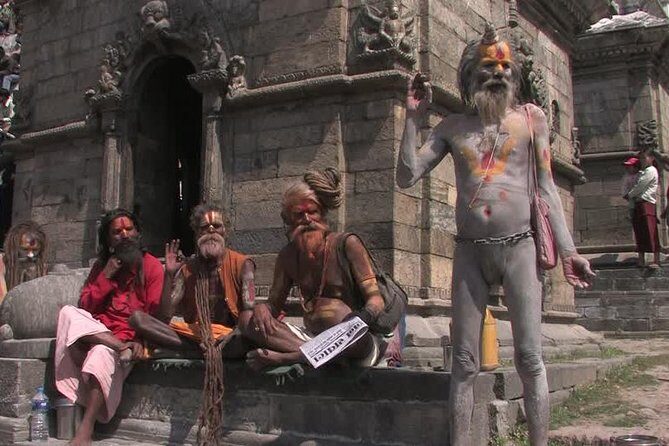
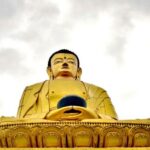
Swayambhunath is the kind of place that makes you immediately understand Kathmandu’s mix of Hindu and Buddhist worlds. Expect a hilltop setting with monkey activity and temple stupas in view. It’s short on time compared with major squares, but it’s perfect as a first stop because it gives you a “map in your head.”
The tour lists Monkey Temple time at about 30 minutes, and later in the day you may also see another Swayambhu stop listed as free. The practical takeaway: treat Swayambhu as an orientation moment. It helps you connect the valley layout with what comes next.
If you’re sensitive to crowds, you’ll want patience at the entrances and steps. Monkeys can be bold. This is not a place to leave bags unzipped or walk around like you own the place—use your common sense and keep your hands free.
Boudhanath Stupa: Where Quiet Devotion Beats the Noise
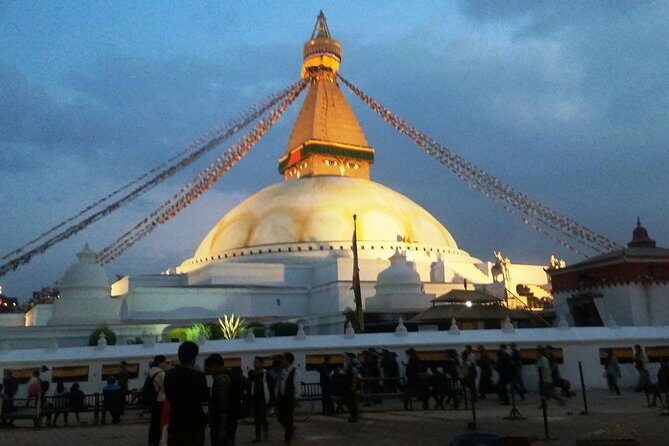
Next up is Boudhanath, one of the best-known Buddhist stupas in Nepal. The tour schedules about 1 hour here, and that time is valuable. Even without trying to “study everything,” you’ll notice the rhythm: prayers, circles around the stupa area, and the way people move with intention.
This stop is a strong contrast to Hindu-focused sites you’ll see later. If you’re new to Kathmandu, Boudhanath is where the Buddhist side of the city clicks into place. It’s also a great setting for a calm pause mid-day—your legs will thank you.
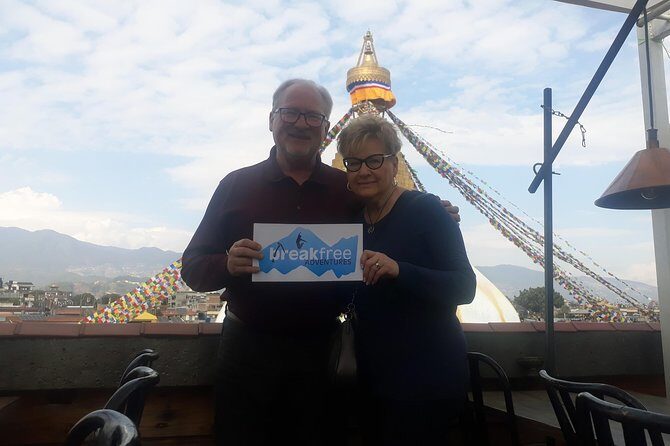
One useful tip: if lunch comes during or after Boudhanath on your day, ask your guide for rooftop or nearby viewpoints. A review highlighted a rooftop cafe lunch with a view over the stupa area, which is the kind of little planning win that makes a long day feel lighter.
You can also read our reviews of more historical tours in Kathmandu

Pashupatinath: A Living Hindu Site (And the Temple Access Rule)
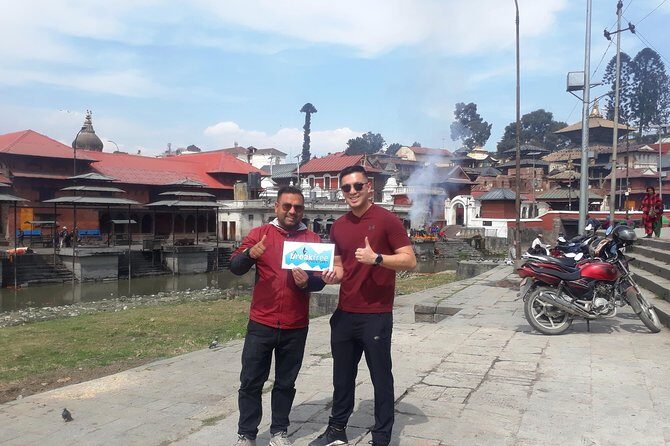
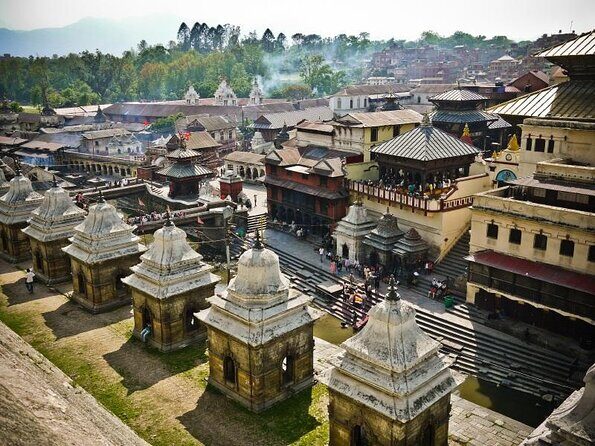
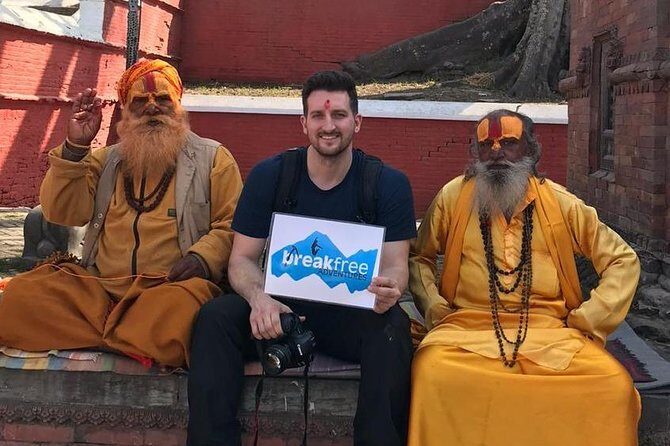
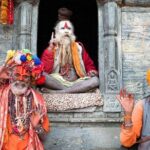
Pashupatinath is Kathmandu’s best-known Hindu temple complex, and it draws people from far beyond the city. The tour includes around 1 hour there, with Pashupatinath listed more than once in the schedule. That’s probably intentional—this is the place where you’ll want time for both the visuals and the explanations.
This is also where you may see something powerful. One review mentioned their guide patiently waited so they could witness an Hindu cremation ceremony when one was about to happen. That isn’t guaranteed—ceremonies depend on timing—but it’s a reminder: this site is not a museum. It’s part of everyday ritual life.
There’s an important constraint to understand before you go: only Nepali and Indian nationals of the Hindu faith are permitted to enter the inner premises of Hindu temples during the tour. If you’re not in that group, you can still see a lot, but your access may be limited to public-facing areas. Your guide will keep you pointed in the right direction, but it helps to know this rule ahead of time so you don’t feel surprised on arrival.
Patan Durbar Square and Patan Museum: Craft, Courtyards, and Less Rush
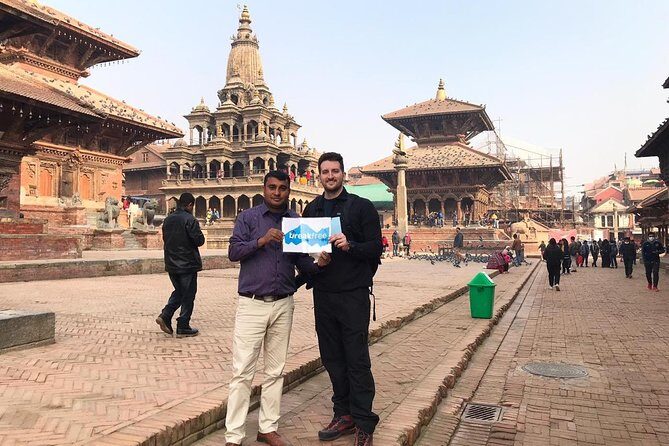
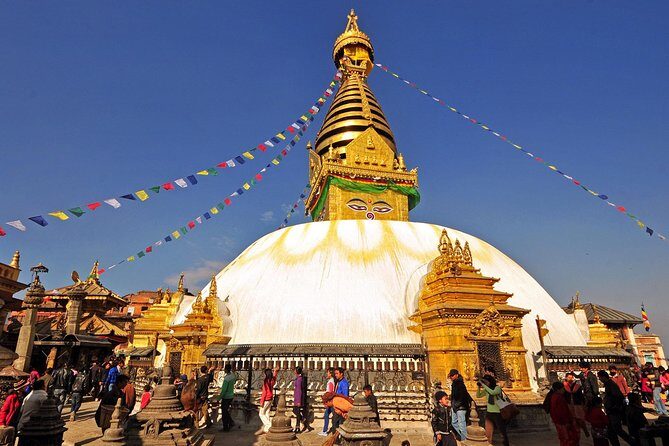
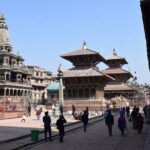
Patan Durbar Square brings you into a different side of Kathmandu Valley. It’s not just “another square.” You’ll see how Patan’s royal and artistic legacy shaped the city’s architecture and stonework. The tour gives about 1 hour for the Durbar Square area.
Then there’s Patan Museum, listed at around 30 minutes. If you like a quick context reset, a museum stop works well between temple and square walking. The museum is described as a collection of old palaces, courtyards, temples, and Sundari chowk. That shorter timing is perfect if you don’t want to turn your day into a museum marathon.
The tour also references the Patan gate as a city entrance moment. Even if you only pass it briefly, gates and entryways are how Kathmandu Valley cities show identity. They help you understand that each city—Patan, Bhaktapur, Kathmandu—has its own character.
Bhaktapur Durbar Square and Kathmandu Durbar Square: Squares That Feel Like Stages
Bhaktapur Durbar Square is a time block of about 2 hours, which tells you this stop is a centerpiece. This is where you slow down without needing to overthink it. You’ll want a bit of walking space because the layout rewards time.
Kathmandu Durbar Square is shorter at around 30 minutes. That means you’ll focus on essentials: the main courtyard areas and the most important structures you can reach quickly. The shorter time here is a trade-off. You’ll see less than Bhaktapur, but you’ll keep the day moving.
Between the UNESCO squares, the tour includes driving through Kathmandu Valley. That’s useful because the valley isn’t only about the monuments. It’s also about the geography that makes these cities feel close and interconnected—yet distinct.
One more thing: 7-site days can feel like a “see everything” challenge. A review specifically suggested that choosing four sites can be the sweet spot. If you hate rushing, you’ll probably feel that difference immediately as you stack multiple squares in one day.
Thamel Stop, Lunch Break Freedom, and How to Stay Comfortable
You’ll pass through Thamel, the central tourist area packed with hotels, shops, and restaurants. This is not a culture test. It’s more of a practical break in the day—handy if you need a quick restroom stop or want to browse after temples.
Lunch is flexible. The tour notes you can take a lunch break during the day and ask your guide for recommended restaurants. That’s smart planning because your guide can steer you toward options that fit the route you’re taking, instead of you guessing and losing an hour.
Comfort also matters in a day like this. You’ll be out at temples and walking between locations, so think in terms of warm-layer logic, water planning, and not overpacking your pockets. One review specifically mentioned water being supplied—still, I’d treat water as “helpful if included,” not as something to bet your comfort on.
Choosing 2, 4, or 7 UNESCO Sites Without Regretting Your Energy
If you only have a short window after landing or before a flight, the 2-site option is the most forgiving. You’ll get a highlight duo without burning your entire day on transit and ticket timing.
For most first-time visitors, I think the 4-site option is the best balance. Reviews call out the pacing as a win—people felt they got more from each stop without feeling squeezed.
The 7-site option is the “big day” choice. It’s great if you love structure and want to check off major heritage highlights in one sweep. But it’s also longer, and you’ll spend more of the day in transit. If you’re sensitive to long days, you may end up with “I saw it, but didn’t absorb it” vibes.
A good rule: if your plan after the tour includes anything demanding, choose fewer UNESCO stops. If it’s your only full day and you’re ready for action, the 7-site route can be magical.
Who This Tour Suits Best (And Who Should Skip It)
This tour is ideal if you want a guided, curated route with minimal logistics. It’s especially good for people who don’t want to spend their limited Kathmandu time figuring out transport, entry points, or which site connects to which story.
It also suits solo travelers because it’s private and can be tailored to your pace. One review mentioned their guide quietly worked in a surprise monastery visit after learning their preference for monasteries—proof that the day can bend if your guide has room to do it.
Consider another approach if:
- You only want one or two sites and hate multi-stop days
- You’re hoping for full inner-temple access at Hindu sites regardless of nationality and faith rules (the tour rules limit inner premises entry)
- You dislike paying separate entry fees on top of the base price
Should You Book This Private Kathmandu UNESCO Tour?
Yes, if your goal is a first-hit, high-impact day that saves effort and gives you context. The combination of hotel pickup, English guide explanations, and private air-conditioned transport is exactly how you turn a tight schedule into a meaningful sightseeing day.
I’d book it if you:
- Want an easy way to see multiple UNESCO sites without planning the route yourself
- Appreciate guides who can explain rituals you’ll actually witness
- Prefer not to fight traffic or ticket logistics
I’d pause before booking if:
- You’d be unhappy paying monument entry fees for 4 or 7 sites
- You’re expecting unrestricted inner access inside Hindu temple premises (the tour limits this)
If you do book, a smart move is to bring rupees for entry fees, keep your expectations flexible about temple access, and choose 4 sites if you want a calmer day.
FAQ
Which UNESCO World Heritage sites are visited on this tour?
The tour can include UNESCO sites across Kathmandu Valley such as Swayambhunath, Boudhanath Stupa, Pashupatinath, Patan Durbar Square, Changu Narayan Temple, Bhaktapur Durbar Square, and Kathmandu Durbar Square.
How many UNESCO sites can I choose from?
You can choose options that cover 2, 4, or 7 UNESCO sites, depending on the package you select.
Are monument entry fees included in the tour price?
No. Monument entry fees are not included. The tour lists fees in NPR based on the number of UNESCO sites selected.
How much are the UNESCO monument entry fees?
The tour lists NPR 1400 for 2 UNESCO sites, NPR 2600 for 4 UNESCO sites, and about NPR 5800–6000 for 7 UNESCO sites. Payment is made at the entrance in Nepalese rupees.
Does the tour include hotel pickup and drop-off?
Yes, hotel pickup and drop-off by private vehicle is included for hotels in Kathmandu city centers. Extra charges may apply for pickup/drop-off outside those areas.
Will I have an English-speaking guide?
Yes. The tour includes a professional English-speaking tour guide.
Can non-Hindu travelers enter the inner premises of Hindu temples?
The tour states that only Nepali and Indian nationals of the Hindu faith are permitted to enter the inner premises of Hindu temples during the tour. Others may be limited to public areas.
How long is the tour?
The duration is listed as approximately 4 to 10 hours, depending on which option you choose.
Is lunch provided?
Meals are not included. The tour notes that you can take a lunch break, and your guide can recommend restaurants.
Can I cancel for a full refund?
Yes. You can cancel up to 24 hours in advance for a full refund. If you cancel less than 24 hours before the start time, the amount paid is not refunded.