REVIEW · KATHMANDU
4 UNESSCO World heritage sites of Kathmandu-private tour
Book on Viator →Operated by Outdoor Himalayan Treks P Ltd. · Bookable on Viator
Four UNESCO sites, one well-timed day. I love the front-door pickup and the fact you get a true private setup instead of being shuffled into a larger group. You also get a guide who can shape the day around your questions, which makes the religious sights feel less like checklists. One thing to consider: admission tickets and food are not included, so you’ll want to budget a bit extra before you go.
I also like how this route mixes Hindu and Buddhist Kathmandu in a way that actually makes sense: Shiva at Pashupatinath, Tibetan Buddhism at Boudhanath, and the hilltop blend at Swayambhunath. In reviews, guides like Ram and Kathmandu guide Crisna (with Badri mentioned as well) are singled out for professional, helpful service, which is exactly what you want when you’re tight on time.
In This Review
- Key Highlights That Matter
- A Private UNESCO Circuit in Kathmandu, in One Day
- Price and Logistics: What You’re Really Paying For
- Stop 1: Patan Museum and Patan’s Art-Focused Identity
- Stop 2: Pashupatinath Temple and the Hindu Cremation Tradition
- Stop 3: Boudhanath Stupa, Tibetan Buddhism, and a Place to Breathe
- Stop 4: Swayambhunath Monkey Temple and the Clear-Day Sunset Play
- What a Good Guide Changes (and Why You’ll Feel It)
- Transfers, Timing, and the Real-Life Comfort Factor
- Respect, Ritual Space, and How to Make Photos Better
- Who This Tour Suits Best
- Should You Book This Private 4-Site Tour?
- FAQ
- How long is the Kathmandu 4 UNESSCO World heritage sites tour?
- Which UNESCO attractions are included?
- Is pickup and drop-off included?
- Is this a private tour?
- What language is the included guide?
- Can I request a guide fluent in another language?
- Are admission tickets included?
- Is food or lunch included?
- Is bottled water included?
- Is the tour refundable if weather is bad?
- Do I need a passport?
Key Highlights That Matter
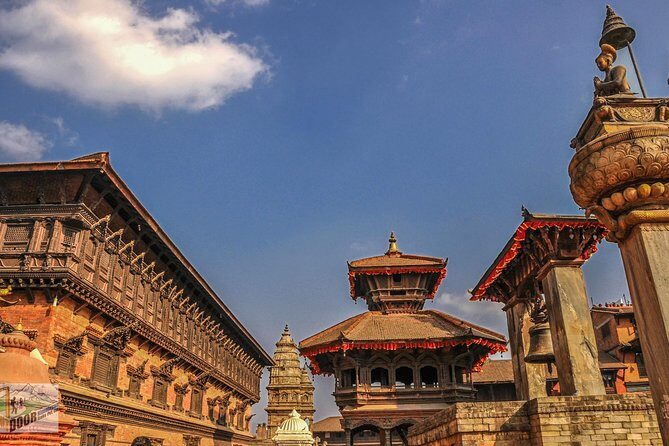
- Private transfers with an AC coach: you spend less energy on logistics and more on seeing
- Four UNESCO stops in 5–7 hours: a solid intro day for first-timers
- One guide for context: you’re not just looking, you’re understanding what you’re seeing
- Cremation viewing at Pashupatinath: a powerful Hindu ritual component you may witness
- Boudhanath monasteries plus terrace food: a comfortable way to pause mid-circuit
- Sunset potential at Swayambhunath: clear weather can turn the top viewpoint into your payoff
A Private UNESCO Circuit in Kathmandu, in One Day
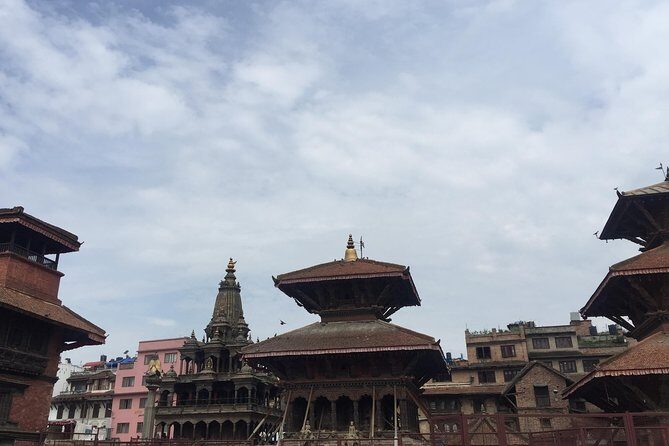
This tour is built for people who want the big Kathmandu hits without losing half the day to backtracking. You’re looking at four UNESCO-listed power spots—Patan’s heritage area, Pashupatinath, Boudhanath, and Swayambhunath—stacked into a schedule that runs about 5 to 7 hours.
What makes it appealing is the pacing. Each stop is allotted about an hour, which is long enough to see the major features, absorb the vibe, and still have time to move on before you get exhausted. It also helps that you’re traveling as a private group, so your guide can adjust when you ask questions or want extra time for photos.
You can also read our reviews of more private tours in Kathmandu


Price and Logistics: What You’re Really Paying For
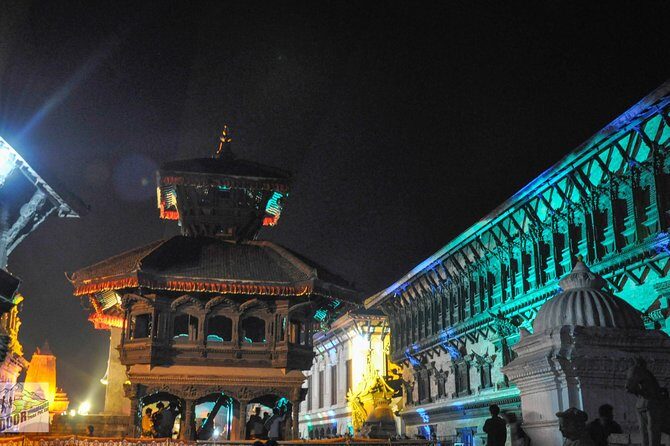
The price is $60 per person, which is easy to understand once you look at what’s included. Your tour cost covers a private air-conditioned coach (with driver, road tax, parking, fuel, and insurance), plus an English-speaking professional guide and hotel/door pickup and drop-off. You also get bottled mineral water per person.
What’s not included is the stuff that often adds up fast on UNESCO days: admission tickets (listed as not included at every stop) and food/drinks. If you’re the kind of traveler who wants lunch covered and doesn’t like thinking ahead, this can feel a little bare-bones. If you’re fine grabbing meals between stops, you’ll probably feel like you’re getting good value.
One more practical note: the experience is booked far in advance (around 268 days), so if your dates are fixed, lock them in early. The route also requires good weather, meaning a poor-weather day can trigger a change of date or a full refund.
Stop 1: Patan Museum and Patan’s Art-Focused Identity
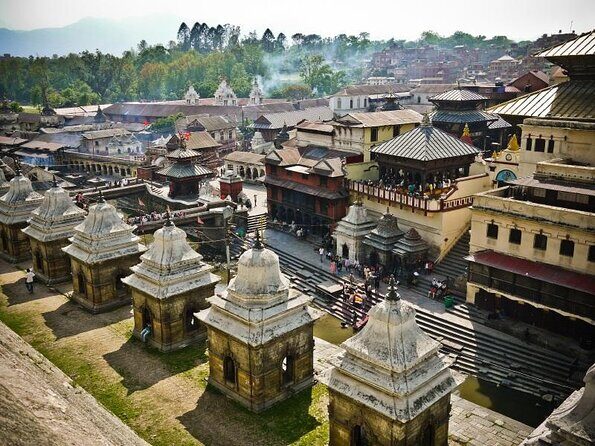
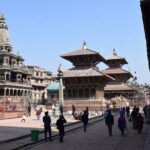
Your day starts in Patan, tied closely to Kathmandu Valley’s reputation for craft and fine art. The itinerary includes about an hour at Patan Museum, and it’s a nice warm-up stop because it shifts your mindset from sightseeing to context.
Why this works: when you start with an art-and-culture lens, the later temple and stupa visits feel less random. You’ll likely be better at noticing the patterns, religious symbolism, and the way Nepalese artisans put meaning into details.
A minor drawback is that an hour in a museum can feel like a quick taste rather than a full visit. If you’re a museum person who loves reading every label, you may want to plan more time on another day. If you’re more of a highlights-only type, this is a good start.
Stop 2: Pashupatinath Temple and the Hindu Cremation Tradition
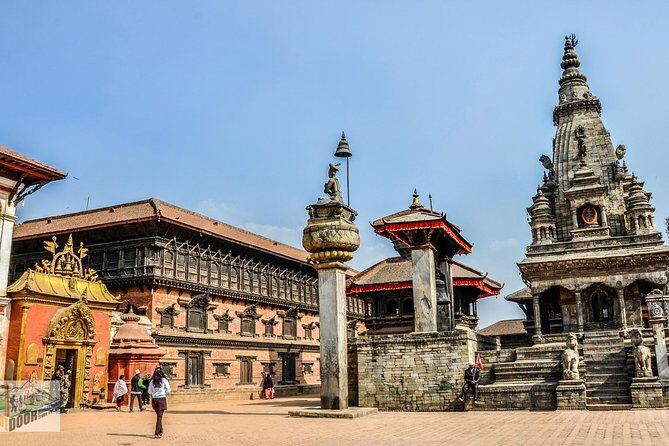
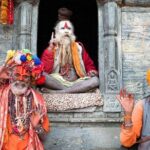
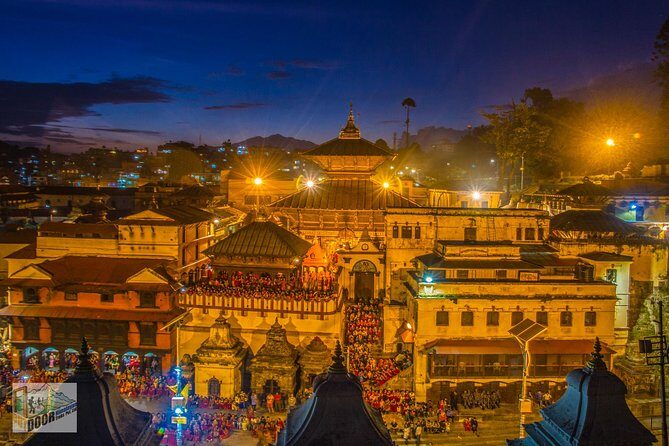
Next up is Pashupatinath Temple, one of the holiest Hindu sites for visitors from around the world, dedicated to Lord Shiva. The itinerary allots about an hour here, and it includes time to see the live cremation process according to Hindu tradition—something that makes this stop far more than a pretty temple circuit.
That “live” element matters, but it also comes with a reality check. Cremations aren’t a staged show; they happen as part of ongoing religious practice, so you’ll want to be respectful and flexible. Your guide can help you understand what you’re seeing and how to behave appropriately in a space where rituals matter more than tourists.
Practical consideration: admission tickets aren’t included, so budget for them if you want to go in fully. Also, this stop is emotionally intense. Even if you’ve read about it, seeing the ritual component in person can hit harder than you expect, so plan to keep your attention grounded and don’t rush.
Stop 3: Boudhanath Stupa, Tibetan Buddhism, and a Place to Breathe
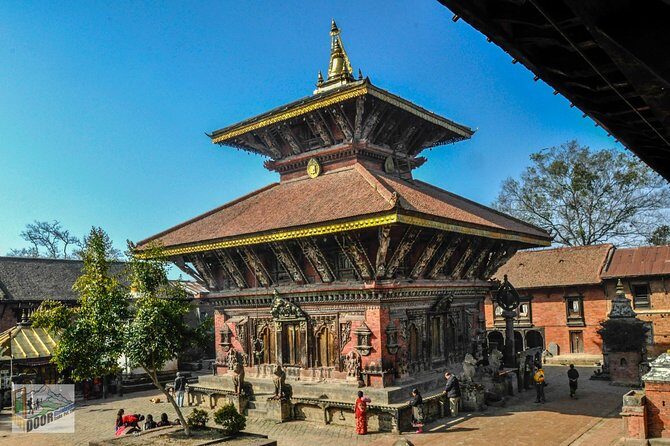
Then you shift from Hindu ritual space to Boudhanath Stupa, one of the largest stupas in the world. This is about Buddhist life and belief you can feel in the layout—big stupa, lots of movement, and monasteries nearby that connect you to Tibetan Buddhism.
You’ll have about an hour here, which is usually enough time to understand the site’s rhythm. The stupa area is also known for its monasteries and ongoing tradition, so it’s not just architecture. It’s active religious space.
One comfort advantage: there are terrace restaurants in the Boudhanath complex. That means you can pause without needing to jump back into traffic just to eat. If you’re sensitive to long gaps between meals, this is the stop that can save your energy.
A realistic note: admission tickets aren’t included. Also, religious sites can be busy, and Boudhanath draws a steady crowd—so if you want calmer photo angles, ask your guide when the best time windows are during your visit.
You can also read our reviews of more historical tours in Kathmandu
Stop 4: Swayambhunath Monkey Temple and the Clear-Day Sunset Play
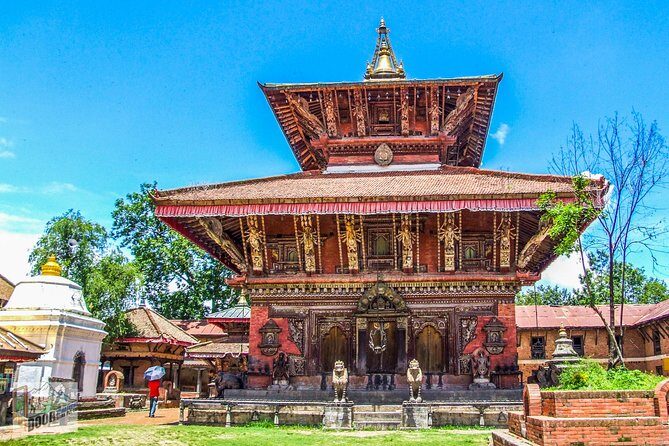
To finish, you go to Swayambhunath, often called Monkey Temple. It’s a hilltop complex where Hindu and Buddhist influences connect in one place, and that blend is exactly why this stop works as a closer.
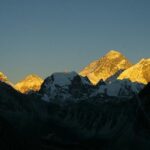
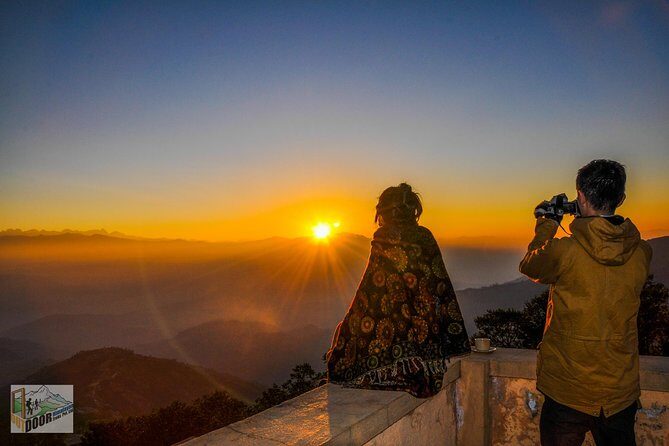
You’ll get about an hour here. If the day is clear, you can wait for sunset views from the top of the stupa complex. That’s the kind of payoff that can turn a good tour into a memorable one, because the city views give the temples a bigger setting.
The potential drawback is weather dependence. If the sky doesn’t cooperate, you may lose the sunset payoff. Still, the views aren’t the only reason this stop matters—Swayambhunath’s symbolism and that Hindu-Buddhist overlap are the main reason to come.
What a Good Guide Changes (and Why You’ll Feel It)
The guide is a core part of why this tour feels like an experience instead of a bus ride between monuments. You get an English-speaking guide included, and if you want someone fluent in a different language, there’s an additional cost of USD 15 per group.
In reviews, service from people like Ram and Kathmandu guide Crisna (with Badri also mentioned) gets praised for professionalism and being helpful beyond the minimum. That matters most when you’re dealing with religious sites where context affects everything: what you’re allowed to do, what certain parts mean, and where to stand for respectful viewing.
If you like asking questions—about rituals, symbolism, or how the two faiths influence daily life—this format is a win. The one-hour timing at each stop works best when your guide can steer you to the right things quickly.
Transfers, Timing, and the Real-Life Comfort Factor
This tour uses a private air-conditioned coach matched to group size, which is genuinely helpful in Kathmandu traffic. Transfers take approximate time, and your schedule shifts with the time of day and traffic conditions, so don’t plan this alongside something else that needs absolute precision.
Pickup and drop-off are offered, and the start point is listed as Outdoor Himalayan Treks in Thamel (Outdoor Himalayan TreksThamel Marg, Kathmandu 44600). You’ll also end back at that meeting point. For first-time visitors, starting in the Thamel area is practical because it’s a common base zone.
You’re also given bottled mineral water per person, which sounds small, but it matters on a short day. Food and drinks are not included, so if you’ll need water later or want a snack, plan for it.
Respect, Ritual Space, and How to Make Photos Better
This itinerary visits active religious places. Even when the temples look like sightseeing stops, you’re stepping into places where people come for faith, not entertainment. Keep your behavior calm, follow your guide’s direction, and treat the rituals as the main event.
At Pashupatinath, where the cremation process is mentioned as visible, this is especially important. You may find yourself in a viewing area with limited control over angles. Don’t fight it—let your guide help you choose spots that respect the moment while still giving you usable photos.
At Boudhanath and Swayambhunath, you’ll likely see people moving through the sites with devotional intent. If you want photos, ask your guide when it’s best to pause and where you’ll get cleaner compositions.
Who This Tour Suits Best
This private 4-site circuit is ideal if:
- you’re on a first visit to Kathmandu and want a strong intro to both major religions
- you want a single guide to connect the dots between sites
- you prefer private comfort over crowded group tours
- you’d rather spend time learning than negotiating tickets and directions yourself
It may be less ideal if:
- you want long, slow exploration at each location (one hour per stop is a fast pace)
- you dislike paying extra for admissions and meals
- you’re sensitive to emotionally intense religious ritual imagery
Should You Book This Private 4-Site Tour?
If you want an efficient, guided introduction to Kathmandu’s most important UNESCO sites—Hindu, Buddhist, and the blend of both—this is a strong match. The biggest reason to book is that you’re buying time, transport comfort, and context all in one package for $60, with bottled water and a real guide included.
I’d book it if your goal is to get oriented fast and leave with a better understanding of Nepal’s faith landscape, not just a folder of photos. Just go in knowing tickets and food are extras, and keep your expectations flexible around the weather—especially if you’re hoping for that clear-day sunset from Swayambhunath.
FAQ
How long is the Kathmandu 4 UNESSCO World heritage sites tour?
The duration is about 5 to 7 hours, with transfer times varying by time of day and traffic.
Which UNESCO attractions are included?
The tour includes Patan Museum, Pashupatinath Temple, Boudhanath Stupa, and Swayambhunath.
Is pickup and drop-off included?
Yes. Front-door hotel pickup and drop-off are included, and the activity starts and ends back at the meeting point in Thamel.
Is this a private tour?
Yes. It’s a private tour/activity, and only your group will participate.
What language is the included guide?
The included guide is an English-speaking tour guide.
Can I request a guide fluent in another language?
Yes. Guides with languages other than English or Nepali are available for an additional USD 15 per group.
Are admission tickets included?
No. Admission tickets are not included for the stops.
Is food or lunch included?
No. Food and drinks, including lunch, are not included.
Is bottled water included?
Yes. You receive a bottle of mineral water per person.
Is the tour refundable if weather is bad?
Yes. The experience requires good weather, and if it’s canceled due to poor weather, you’ll be offered a different date or a full refund.
Do I need a passport?
A current valid passport is required on the day of travel.