REVIEW · KATHMANDU
Langtang Valley Trek
Book on Viator →Operated by Asian Heritage Treks and Travels · Bookable on Viator
Glacier views start before the first hike. This 12-day Langtang Valley trek mixes the big Himalaya look with walkable cultural stops in Tamang and Tibetan-influenced villages, plus time to breathe at Kyanjin Gompa. I love how the trip lives up to the Valley of Glaciers nickname with real glacier-and-mountain sightlines, not just a passing photo moment. You’ll also get licensed, English-speaking guidance that keeps the route clear and the rhythm steady.
Kathmandu doesn’t feel like wasted time here. You arrive in time to get oriented in Thamel and see landmarks like Pashupatinath Temple and Royal Palace Museum from the route, so your trekking days feel organized from day one. I also like the human side of Langtang: Tamang communities with Tibetan culture influences, plus quiet monastery moments and local food you can actually taste while staring at the peaks. In particular, I’ve seen guide names like Norris and Hari credited for making the trek feel smooth and meaningful.
One consideration: you’ll be walking some steep stretches and also spending long hours in transit, including an 8–9 hour drive day. If your fitness is only okay, plan to take it slow on the climb and trust the pacing.
In This Review
- Key highlights at a glance
- Why Langtang Valley lives up to the Valley of Glaciers name
- Kathmandu setup: Thamel orientation and UNESCO landmarks on the way in
- Getting to Gatlang: the long drive that buys you real trekking time
- Gatlang to Nagthali: forest paths, Nepal Gray Langur odds, and open grassland panoramas
- Thuman and Briddhim: Tibetan-influenced villages where the trail slows down
- Sherpa Gaun to Khanjum area: prayer flags and a moderate grind
- The tough day: Sherpa Gaun up to Langtang Village and the river’s constant soundtrack
- Kyanjin Gompa: river crossings, yak-milk cheese, and the optional summit day
- Downhill back to Syabrubesi: Lama Hotel, dense forest, and Tibetan-influenced settlements
- Kathmandu free day: Thamel time, food workshops, and optional city highlights
- Price and value: what $715.59 really covers on this trek
- Who should book this Langtang Valley Trek
- Should you book this Langtang Valley Trek?
- FAQ
- How long is the Langtang Valley Trek?
- What does the trek cost per person?
- Are private transfers included in this trek?
- Are permits included?
- What kind of accommodation will I have?
- Is food included?
- Will I have a guide and porter support?
- How big is the group?
- What optional activities are available on the Kathmandu free day?
- What is the cancellation window for a full refund?
Key highlights at a glance
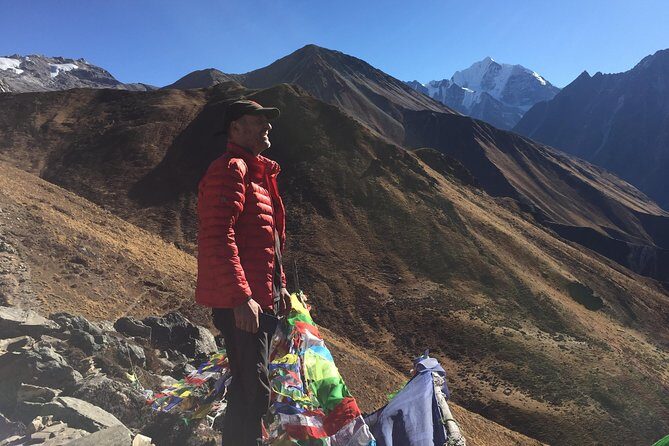
Valley of Glaciers views with real mountain variety across multiple ridges and valleys
Licensed English-speaking guides that help you understand what you’re seeing
Tamang and Tibetan-influenced villages like Thuman, Briddhim, Sherpa Gaun, and Lama Hotel
Kyanjin Gompa rest day plus an optional hike to Tserko Ri up to 5,000m
Prayer wheels, mani walls, chortens, and prayer flags along the way
Permits and porter service included to keep the logistics stress low
Why Langtang Valley lives up to the Valley of Glaciers name
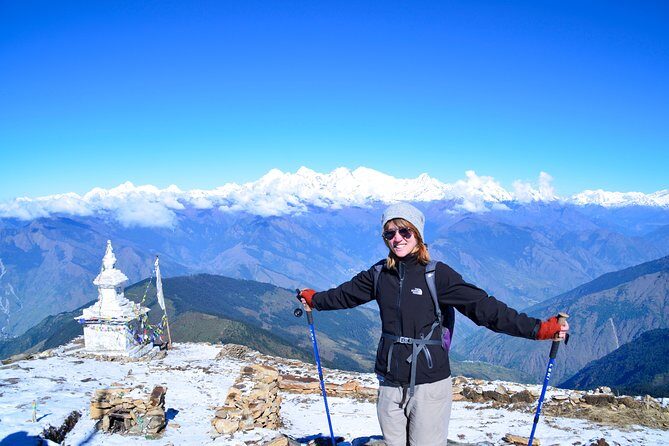
Langtang is often described as the Valley of Glaciers, and that label matters because the region is built for glacier views. As you move higher and then back down, you’re not stuck with one single view. You get repeated chances to catch the Langtang Range and neighboring peaks as the trail changes character—forests, ridges, riverside stretches, and open grassland moments.
The best part is that the scenery doesn’t feel separated from daily life. You see terraced farming patterns, pine forests, and mountain streams while still passing through places where people work, cook, and celebrate. That mix is why the trek feels less like a checklist and more like a real slice of Nepal.
You can also read our reviews of more hiking tours in Kathmandu


Kathmandu setup: Thamel orientation and UNESCO landmarks on the way in
Your trek starts in Kathmandu, and the timing is useful. Day one isn’t just drop-off logistics; it’s built to help you get your bearings fast. You’re met at the airport with a name sign, moved to a private vehicle, then driven through the city en route to your hotel.
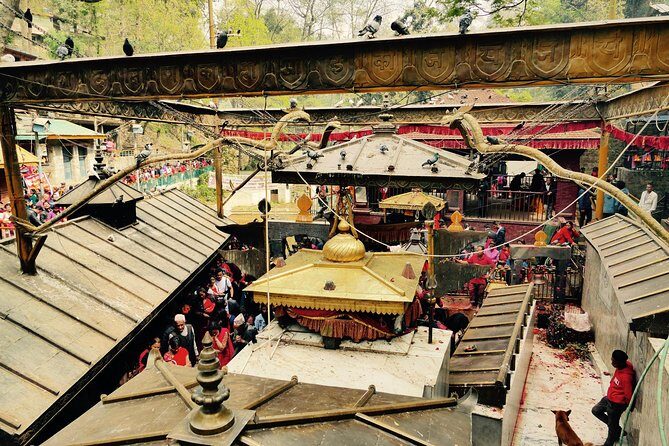
On that drive, you’ll pass key sights like Pashupatinath Temple, a UNESCO site, and you’ll get glimpses of the Royal Palace Museum area (Narayanhity) from the road. If you like the calmer side of Kathmandu, the Garden of Dreams near Thamel also shows up along the route. After check-in, the representative helps you settle in and goes over what comes next—important when you’re about to spend multiple days at trekking altitude.
If you’re thinking about jet lag, that city day is a smart buffer. You’re not hiking the same day you land.
Getting to Gatlang: the long drive that buys you real trekking time
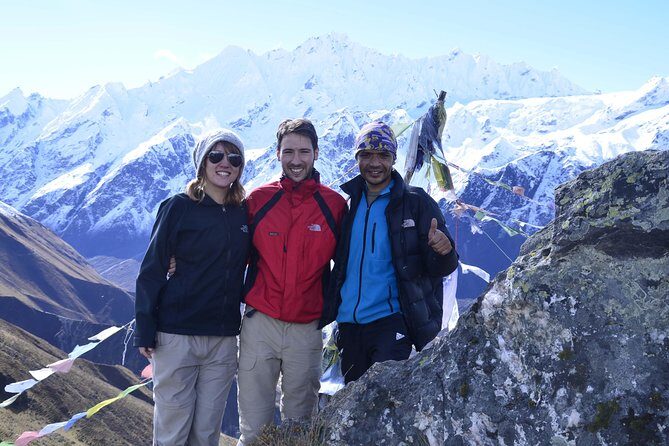
The second day is all about transit: about an 8–9 hour drive from Kathmandu to Gatlang. You’ll climb over a ridge along the way, and the reward is big—mountain views including Ganesh Himal, Manaslu, and Annapurna on clear stretches.
This is also where permits become real. Before you reach Dhunche, you’ll need your TIMS and Langtang National Park Permit handy for the park gate check. The trek includes these permits, but you still need to carry them during the journey.
A small practical note: you’ll be in a jeep for a long time. I’d plan for uncomfortable sitting and bring something simple for neck comfort. If you’re sensitive to motion, it helps to keep your snacks and water routine consistent before the first hike.
Gatlang to Nagthali: forest paths, Nepal Gray Langur odds, and open grassland panoramas
Once you start trekking from Gatlang, the route takes you toward Nagthali. The plan walks you from Chilime on a path that runs through thick forest. This is one of those days where you’re not just walking; you’re watching for birds and wildlife.
You might spot Nepal Gray Langur monkeys, and that kind of moment is exactly why this valley is still appealing even to people who’ve trekked before. The trail eventually transitions into open grassland, and that’s when the views hit harder: Ganesh Himal, the Langtang Range, and the Sanjen Ranges.
Nagthali itself adds a calm, thoughtful layer. You’re heading toward a place that used to be a famous meditation center for local monks and priests. The result is a day that feels quietly cultural without turning into a museum tour.
Thuman and Briddhim: Tibetan-influenced villages where the trail slows down
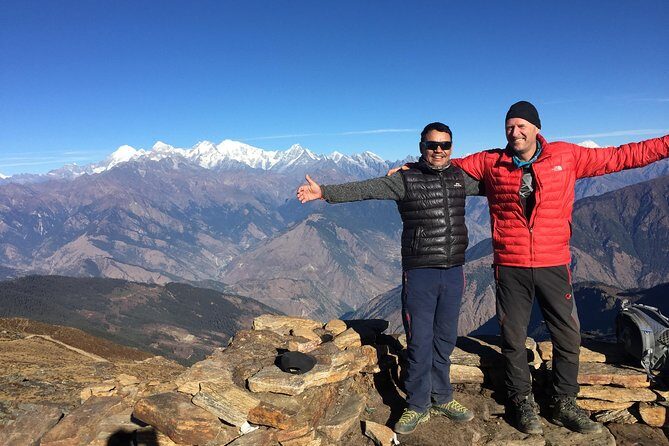
The next stretch begins with a downhill walk of about an hour to reach Thuman, a village shaped by Tibetan culture. From there, you continue through rhododendron forests and meadows toward Briddhim.
This section is valuable because it shows you Langtang not as a backdrop, but as a home landscape—how people live, plant, and build community. You’ll also notice how singing and dancing show up in village life, which makes these stops feel more human than scenic.
Briddhim is another Tamang community with Tibetan influences near the Langtang Himalayas. It’s a good day if you like meeting people along the trail rather than racing past them. The pace also helps you acclimatize and keep your energy for later climbs.






Sherpa Gaun to Khanjum area: prayer flags and a moderate grind
From Briddhim, you’ll hike through forests, terraced fields, and villages like Sherpa Gaun. Sherpa Gaun sits higher, so the payoff is views plus a sense of stepping into thinner air.
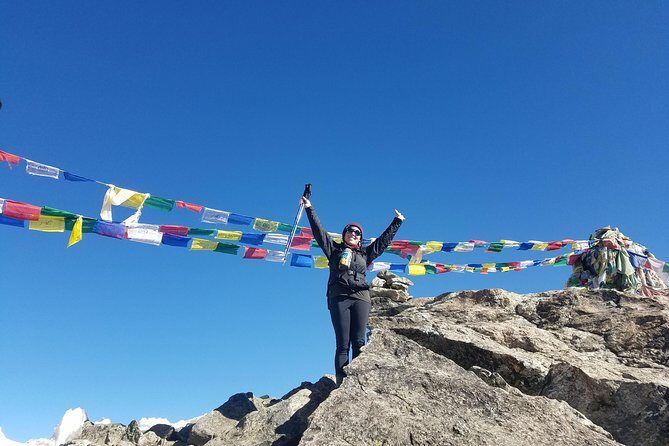
As you move toward Khanjum, you pass chortens, mani walls, and prayer flags. These aren’t just decorations; they’re how faith and travel routes mark the terrain. It’s the kind of detail that becomes easier to appreciate when you’re walking steadily all day.
This day can feel a bit challenging, but it’s generally moderate. The route also stays active with nature sightings—birds, Himalayan monkeys, and plenty of signs that you’re in a living ecosystem inside the national park.
If you’re the type who likes knowing what you’re looking at, this is a good day to ask your guide what the religious markings represent. A good guide will keep the explanation simple and connected to what’s right in front of you.
The tough day: Sherpa Gaun up to Langtang Village and the river’s constant soundtrack
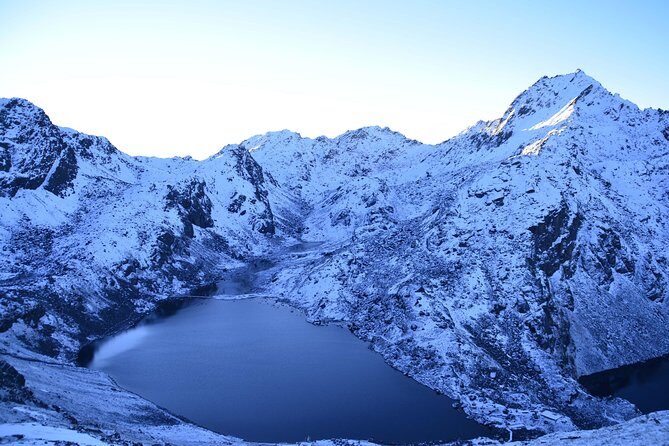
One of the more demanding parts comes as you hike from Sherpa Gaun toward Langtang Village. Expect about 6 to 7 hours, including a steep forested slope and roughly 1,000 meters of total ascent.
The Langtang River runs through your attention as well as your ears. That steady sound matters on a hard day—it helps you maintain a rhythm, especially when you’re climbing and breathing harder.
There’s also cultural texture in the small things. You’ll cross a refreshing stream and see water-driven prayer wheels, which are an important piece of local practice. As you climb higher, the village of Langtang feels like it belongs to a different pace than the lower settlements—still lived in, but older and more grounded to the mountains.
Physically, this is the day where you’ll want to stay disciplined: short breaks, steady steps, and no hero pacing. Your goal is to arrive tired in a good way, not wrecked.
Kyanjin Gompa: river crossings, yak-milk cheese, and the optional summit day
The hike from Langtang to Kyanjin Gompa is described as beautiful, and it earns that label. Along the way you’ll see prayer-covered stone walls and writings on stones that feel mysterious in the best way—because they’re made to be read slowly, not photographed quickly.
You also cross several rivers. Each crossing changes the feel of the trail and gives you repeated chances to pause and reset your balance.
Then you reach Kyanjin Gompa, a quieter village where you can try local food made with yak milk. Cheese and curd here are a standout because they’re both authentic and practical—real energy in real cold air.
The next day is your rest day at Kyanjin Gompa. You can simply settle in, adjust to altitude, and explore around the settlement. If you want an extra challenge, there’s an optional hike to Tserko Ri, the highest point in the trek at about 5,000m. From there, you get mountain, glacier, and valley views that are exactly the reason people come this far.
You can also visit the ancient monastery and check out the cheese factory and glacier. Even if you don’t push to Tserko Ri, you’ll still have enough to do to make the rest day feel worthwhile rather than idle.
Downhill back to Syabrubesi: Lama Hotel, dense forest, and Tibetan-influenced settlements
After Kyanjin Gompa, you start trending downward. The walk to Lama Hotel takes about 6 to 7 hours through dense forest. This is one of those days where downhill feels like it should be easy, but it’s still work—your legs do most of the thinking.
You’ll pass Tamang settlements influenced by Tibetan religion and cultural practices. It’s a chance to observe how faith and everyday life blend as the trail changes altitude and temperature.
On the final trekking day, you go from Lama Hotel toward Syabrubesi. Expect about 3 to 4 hours downhill through a lush green forest expanse. When you finally reach Syabrubesi, you shift from trekking mode to driving mode. The scenic drive back to Kathmandu takes around 6 to 7 hours.
This last day is emotionally important. You’re leaving the mountains for real, so build in time to enjoy the final views instead of treating it like just transport.
Kathmandu free day: Thamel time, food workshops, and optional city highlights
You’ll have a free day in Kathmandu after you return. If you want a low-effort day, you can rest or stroll through Thamel and do basic shopping for souvenirs.
If you want structure, there are optional activities listed for the day:
- Kathmandu full-day sightseeing
- Mountain flight (Everest Flight)
- Nepal food cooking workshop
- Momo cooking workshop
- Handicraft tour
Pick one. The trek takes it out of you, even when the itinerary looks manageable on paper.
Price and value: what $715.59 really covers on this trek
At $715.59 per person, this is not a budget throwaway. But it also isn’t padded for fluff. Here’s what you’re paying for in practical terms.
Included:
- Private jeep transfers Kathmandu to Gatlang and Syabrubesi back to Kathmandu
- 8 nights’ accommodation in local lodges during the trek
- 3 nights in Kathmandu at Hotel Yatri Suites & Spa (or similar), breakfast included
- An experienced English-speaking, government-licensed guide
- Porter service with a 2 trekkers to 1 porter ratio
- TIMS and Langtang National Park permits (plus other necessary permits)
- Local government taxes
- Pickup offered and a mobile ticket for the experience
Not included:
- All meals and drinks during the trip
- Tips for guide, driver, and supporting staff
- Travel insurance
- International flights and tourist visa
- Personal hiking gear
That math usually works out well if you’re realistic about what you’ll spend on food and how you handle contingency. If you already have your own trekking gear and you’re comfortable paying for meals separately, the included permits, guide, and porter support make this price feel fair.
Who should book this Langtang Valley Trek
This trek suits you if you:
- Want a mix of mountain views and Tamang and Tibetan-influenced culture
- Like walking with a guide who helps connect what you see (names like Hari and Norris are associated with strong guidance)
- Are okay with moderate hiking, including one tougher ascent day
- Prefer a small group (maximum 10 travelers) and clear logistics
It might not suit you if:
- You get knocked around by long vehicle days (there’s major Kathmandu-to-Gatlang driving)
- You’re looking for a totally easy hike with minimal elevation effort
- You don’t want to pay for meals and drinks separately, since food isn’t included
Should you book this Langtang Valley Trek?
I’d book it if your ideal trip has glacier-country views plus real village encounters. The pairing of cultural stops (monasteries, mani walls, prayer wheels) with practical support (permits handled, porter service, licensed English-speaking guide) is a strong value mix.
If you’re on the fence, make your decision based on two things: your comfort with steep sections on one or two key hiking days, and your willingness to handle meals separately. Get those right, and Langtang feels like a trip you remember for the people, the faith details, and the glacier views that keep coming back as you move through the valley.
FAQ
How long is the Langtang Valley Trek?
The trip is 12 days approximately.
What does the trek cost per person?
The price is $715.59 per person.
Are private transfers included in this trek?
Yes. You get Kathmandu–Gatlang and Syabrubeshi–Kathmandu by private jeep.
Are permits included?
Yes. The trip includes Langtang National park Permits, TIMS, and other necessary permits, but you should still keep your TIMS and permit handy for the park gate check.
What kind of accommodation will I have?
You’ll stay 8 nights in local lodges during the trek and 3 nights in Kathmandu at Hotel Yatri Suites & Spa or similar on breakfast basis.
Is food included?
No. All food, drinks, and beverages are not included.
Will I have a guide and porter support?
Yes. You’ll have an experienced English-speaking government-licensed guide, and porter service is included with a 2 trekkers to 1 porter ratio.
How big is the group?
The maximum group size is 10 travelers.
What optional activities are available on the Kathmandu free day?
Options include Kathmandu full-day sightseeing, Mountain Flight (Everest Flight), Nepal food cooking workshop, Momo cooking workshop, and a handicraft tour.
What is the cancellation window for a full refund?
You can cancel up to 6 days in advance for a full refund. To get a full refund, you must cancel at least 6 full days before the experience’s start time.