REVIEW · KATHMANDU
Kathmandu: Champadevi – Chandragiri Hike & Cable Car Descent
Book on GetYourGuide →Operated by Totally Nepal · Bookable on GetYourGuide
A hill hike with a cable-car landing is a smart combo. This Champadevi to Chandragiri trek mixes quiet temple time, big Himalayan views on clear days, and a fast descent that keeps the day fun. I like the grounded, outdoorsy feel, plus the chance to visit Champadevi Temple and Bhaleshwor Mahadev Temple without rushing past them.
You’ll also appreciate the way the route is paced around viewpoints and spiritual stops, not just miles. The pine and rhododendron forest sections feel calm, and the top of the hill is where the day clicks into focus with wide Kathmandu Valley views. One thing to factor in: the hike has steep ascents and descents, and one verified booking described it as more than 15 km and not easy.
In This Review
- Key highlights worth planning around
- Why this hike-and-cable-car combo fits Kathmandu
- From Kathmandu to Bhanjyang: the climb starts in earnest
- What you’ll notice early on
- Champadevi Temple: a quiet cultural pause in the middle of the workout
- Why this stop is valuable
- The viewpoint stretch: when weather decides your day
- How to get the most from the viewpoints
- The push to Bhasmasur Hill (around 2,500 m) and onward
- Why reaching this height is worth it
- Chandragiri Hill top: Bhaleshwor Mahadev Temple and local hill culture
- What to do once you’re there
- The Chandragiri cable car descent: fun, fast, and not for everyone
- Who should think twice
- Pace, energy, and what to bring (so you don’t regret day-of choices)
- A simple way to judge difficulty before you go
- Guides and language: the human factor that makes the trek easier
- Price and value: what you get for about $90
- Who this trek is best for (and who should skip it)
- Quick safety and comfort tips for the Champadevi–Chandragiri day
- FAQ
- FAQ
- How long is the Kathmandu Champadevi to Chandragiri experience?
- Where do you get picked up?
- What is included in the $90 per person price?
- Do I need to pay for the cable car ticket separately?
- Is breakfast or lunch included?
- What languages are available for the live tour guide?
- Is the hike suitable for people with mobility impairments or wheelchair users?
- Is this tour suitable for someone afraid of heights?
- Should you book the Kathmandu Champadevi–Chandragiri hike?
Key highlights worth planning around
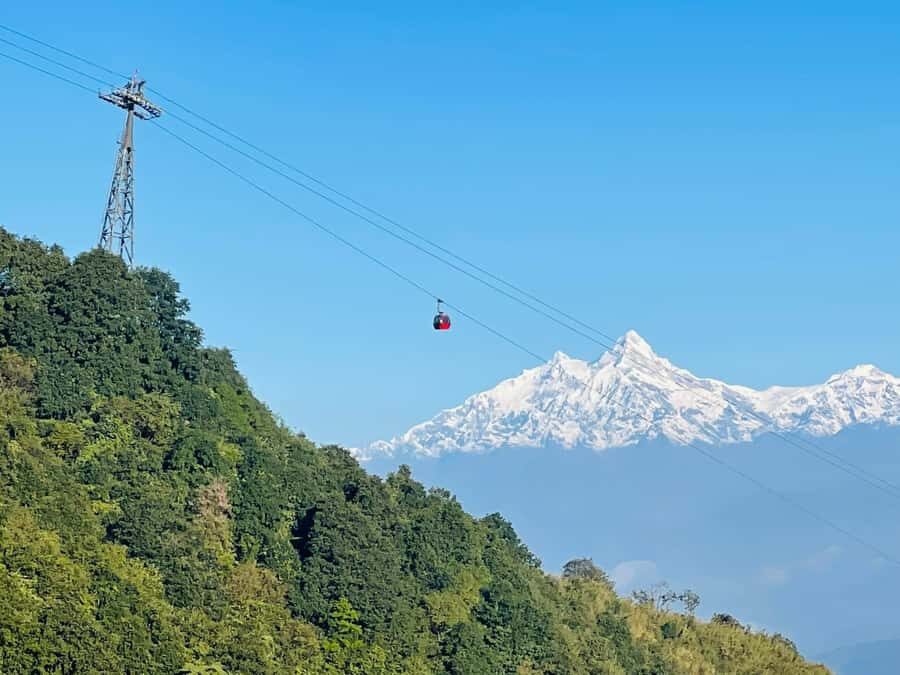
- Champadevi Temple stop for a peaceful, local spiritual moment during the hike
- Forest trail time through pine and rhododendron, which makes the climb more pleasant
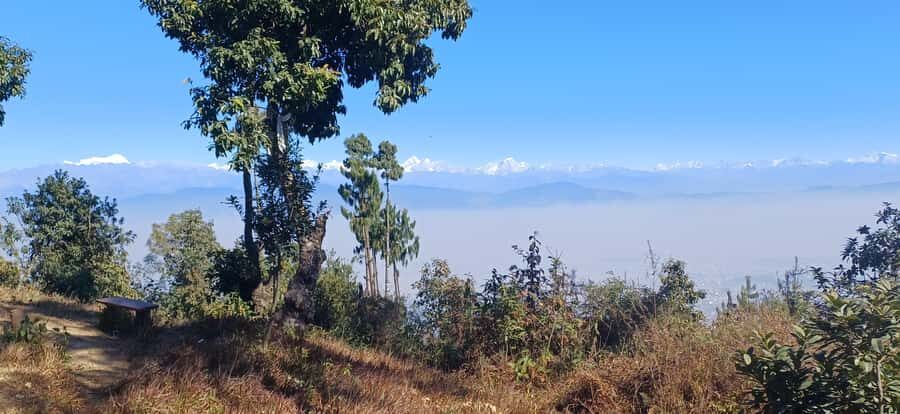
- Himalaya and Kathmandu Valley views on clear days, plus Pharping views when skies cooperate
- Bhaleshwor Mahadev Temple on Chandragiri Hill for a true hilltop culture stop
- Chandragiri cable car descent to end with a thrill instead of another long downhill grind
Why this hike-and-cable-car combo fits Kathmandu
Kathmandu has plenty of sightseeing that’s fast and flat. This one is different because you get movement and meaning in the same half-day: you hike up through woodland, pause at temples that locals actually care about, then ride the cable car down when your legs want a break.
I like how the day is designed around changing scenery. You start in the greener hills, then you gradually shift toward wide-open sightlines from higher ground. That pattern matters because it makes the effort feel earned. Even if the views are cloudy, you’re still walking through forest and stopping at cultural sites, so the day doesn’t collapse into a “wait for the skyline” experience.
The other big plus is the descent. Cable car means you’re not spending your last hours fighting steep stairs. It also means there’s a single “thrill moment” near the end that breaks up the fatigue. That said, if you’re afraid of heights, you’ll want to skip this part completely.
You can also read our reviews of more hiking tours in Kathmandu


From Kathmandu to Bhanjyang: the climb starts in earnest
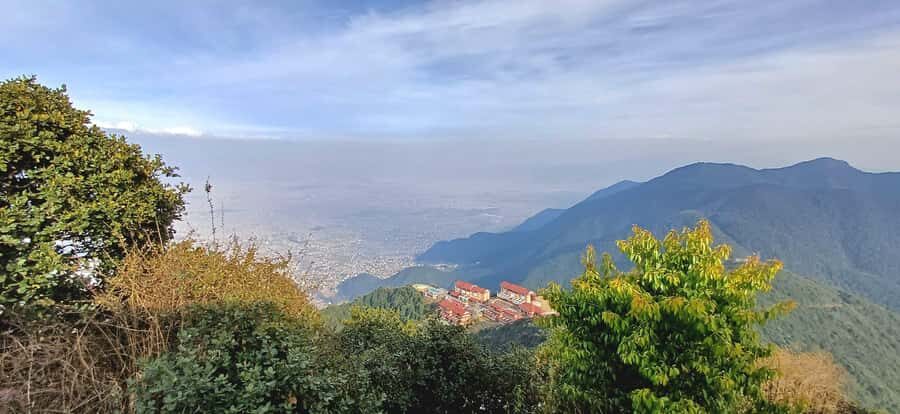
The day begins with pickup in Kathmandu, then a short ride out toward Bhanjyang. That initial transfer is useful. It gets you out of city traffic and into the hills without eating your whole day in transit.
Once you start hiking, the trail is described as peaceful woodland paths with a steady uphill feel. Expect real effort here: the hike includes steep ascents and descents, and the route isn’t framed as a casual stroll. Bring hiking shoes seriously. If you show up in sneakers with no grip or no ankle support, the downhill sections will remind you.
What you’ll notice early on
- You’re walking through pine and rhododendron forests, so the route feels cooler and more shaded than the open-city options.
- You’ll likely have moments where you can pause, catch your breath, and look back before the trail turns uphill again.
- The group pace is guided, so you’re less likely to wander off the right track.
Champadevi Temple: a quiet cultural pause in the middle of the workout
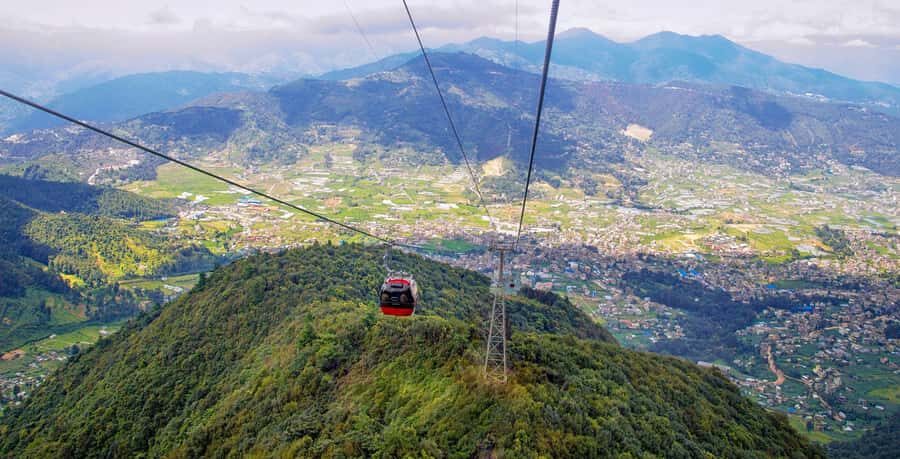
The Champadevi Temple stop is the emotional center of the trek. It’s described as a sacred, tranquil spiritual site, and that matters because it gives your legs a break without making the day feel like sightseeing homework.
In practical terms, temple stops work well on hikes because they reset your rhythm. You get a few minutes off the incline, you can watch how pilgrims and locals interact with the space, and you can switch from “climbing mode” to “observing mode.” Even if you’re not deeply religious, you’ll still get something useful: a sense of place that’s rooted in local life rather than just views.
Why this stop is valuable
- It breaks up the physical grind with a calm moment.
- It connects the route to the hill culture of the Kathmandu area.
- It gives you a reference point for photos once you’re mentally committing to the climb.






The viewpoint stretch: when weather decides your day
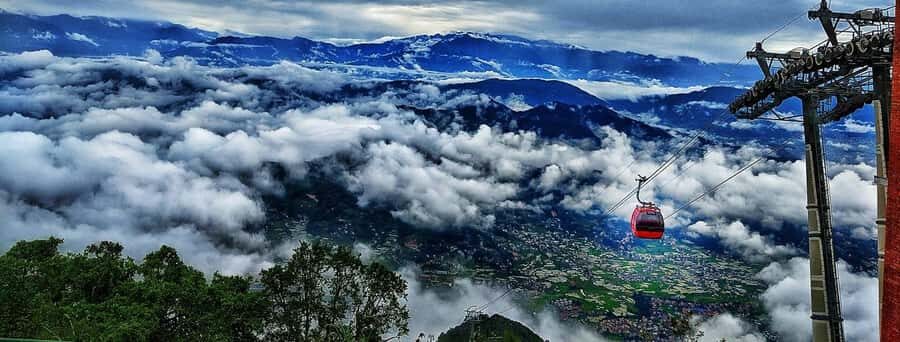
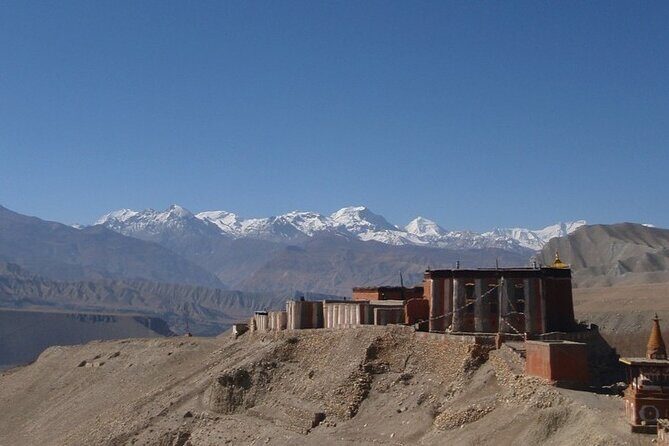
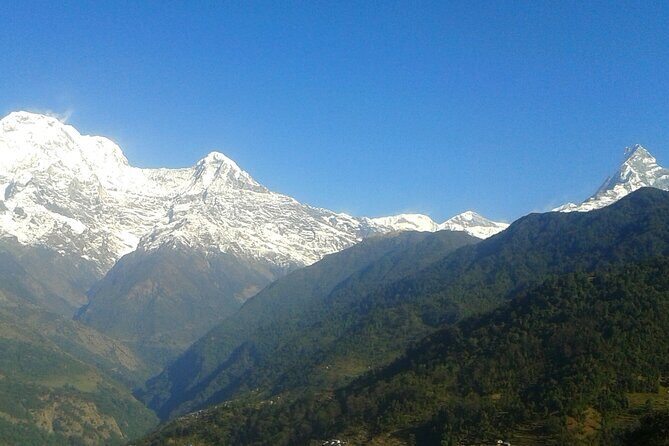
As you continue upward, the itinerary includes time for scenic viewpoints on the way. Clear days are when the Himalayas really show off. The experience notes that you can soak in Himalayan range views and expansive vistas over the Kathmandu Valley, plus Pharping on good days.
Here’s the honest trick for this kind of trek: your route is beautiful even if the sky is imperfect, but the “wow” factor depends on visibility. Rapid weather changes are part of the deal in this region, so you’ll want to be ready for the day to shift.
How to get the most from the viewpoints
- Bring your camera and use it during short pauses. Don’t wait until the next big stop, because light and cloud cover can change quickly.
- Have a snack and water ready. If you’re dehydrated or running low on energy, you’ll miss the moment even when the sky clears.
- Keep expectations realistic. The views can be spectacular, but clouds happen.
One detail from a strong personal report: the panoramic experience can be incredible when skies cooperate, with a restaurant at the top serving food and delivering solid service. That’s a good reminder that you’re not just hiking for photos; you’re hiking toward a place where you can actually rest.
The push to Bhasmasur Hill (around 2,500 m) and onward
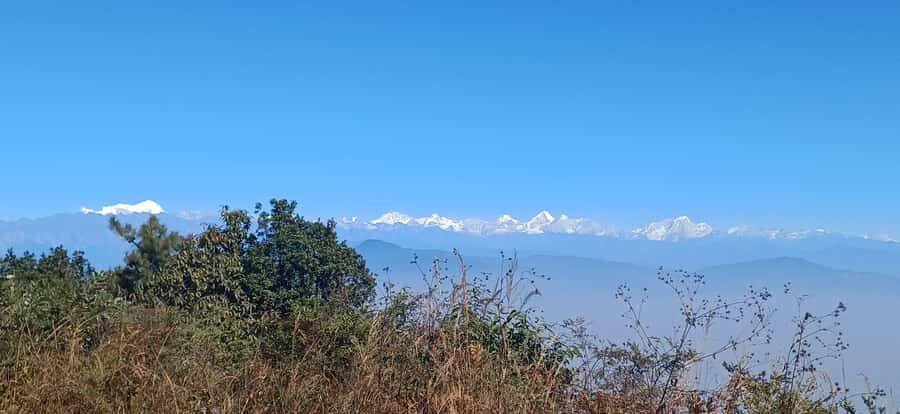
The route climbs up to Bhasmasur Hill at about 2,500 m, then continues to Chandragiri Hill. This segment is where you feel the “real hike” part. The steep ascents and descents aren’t theory; they’re the main event.
If you’re fit but not used to uphill hiking, take it slow and steady. Guided treks usually help because you can focus on your own breathing instead of guessing pace. Still, plan for the fact that the total day can feel longer than the headline duration. One verified booking mentioned walking for a long stretch of hours, and described it as more than 15 km and not easy. That’s exactly the kind of useful reality-check you want before you go.
Why reaching this height is worth it
- Higher ground is what opens the view corridors over Kathmandu Valley.
- You’re walking through different textures of hill vegetation as you gain elevation.
- The mental shift happens here: the hike stops feeling like effort and starts feeling like progress.
Chandragiri Hill top: Bhaleshwor Mahadev Temple and local hill culture
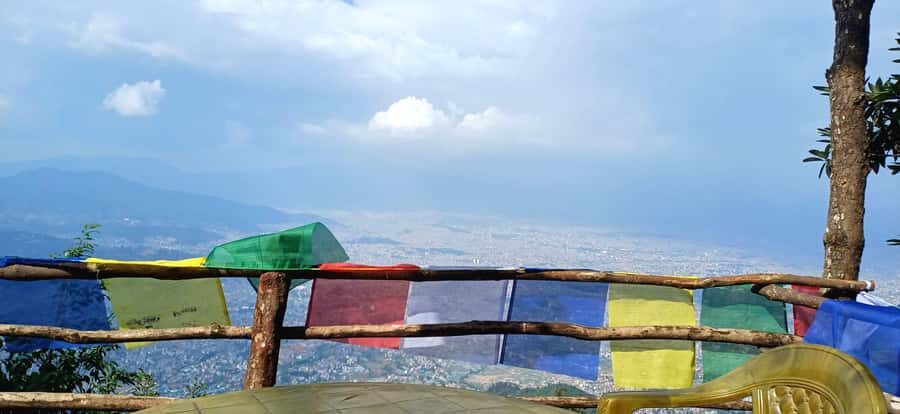
When you reach Chandragiri Hill, the schedule includes time for walking around and exploring the hilltop Bhaleshwor Mahadev Temple. This is where the day turns from “climb and look” into “climb and connect.”
A temple on a hilltop can feel like a natural storytelling point. People gather, pray, talk, and look outward at the same horizon you’re photographing. In other words, you get an authentic Kathmandu-region moment: the landscape isn’t just scenery; it’s part of daily life and belief.
What to do once you’re there
- Take your time at the temple area rather than treating it like a quick stop.
- If the weather is clear, linger. The best views often come after you arrive and settle your pacing.
- If you’re hungry, there can be places to eat at the top. One report specifically highlighted good food and service in the restaurant near the top.
The Chandragiri cable car descent: fun, fast, and not for everyone
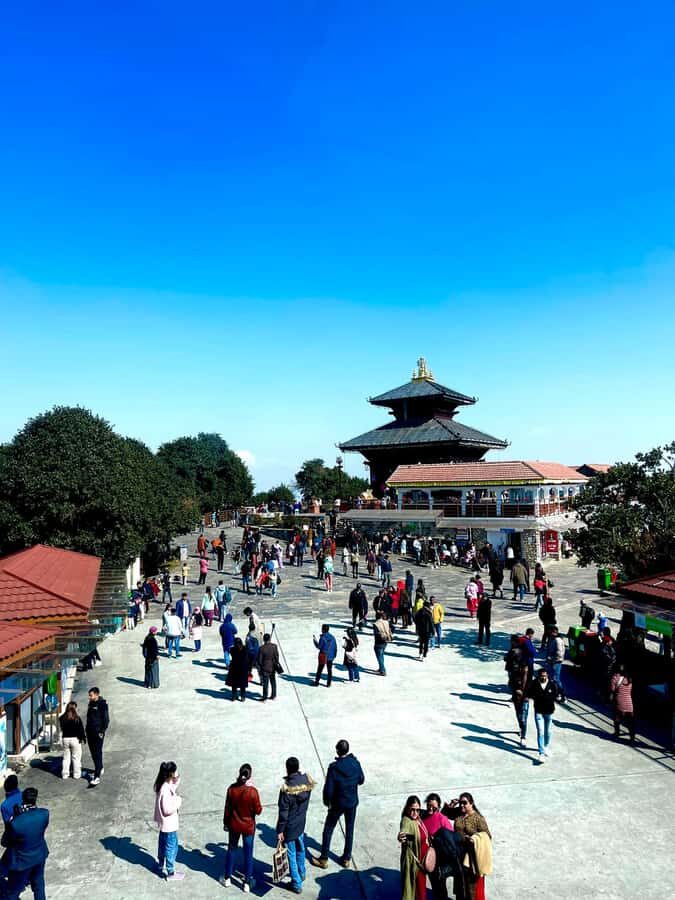
The final “act” is the Chandragiri cable car descent. The ride takes about 15 minutes, and it’s described as thrilling. That’s a fair warning: you get a quick switch from walking hills to gliding over them.
This part is amazing if you like views without the punishment. You also avoid a second round of steep downhill hiking, which is a huge quality-of-life factor on a day that already includes climbs and descents.
Who should think twice
If you’re afraid of heights, this isn’t the best match. The activity specifically notes that the cable car descent may not suit people with fear of heights. If that’s you, you’ll probably spend the ride tense rather than enjoying it.
If you’re okay with heights but not with steep steps, the cable car is a strong reason to book.
Pace, energy, and what to bring (so you don’t regret day-of choices)
At $90 per person, you’re buying a guided day out with transport, permits, and a structured trek. But the cost doesn’t replace good preparation. This hike asks for stamina and attention.
Here’s what you should bring, based on what the tour guidance lists:
- Hiking shoes
- Water
- Snacks
- Sunscreen
- Camera
- Trekking gear (whatever you personally use for stability and comfort)
Weather can change rapidly, so plan around that. That doesn’t mean you need fancy gear; it does mean you should be ready if conditions cool down or clouds roll in.
A simple way to judge difficulty before you go
- If steep ascents and descents feel uncomfortable for you, treat this as a serious hike, not a casual walk.
- One verified booking said the hike wasn’t simple, and described the distance as more than 15 km.
- If you’re low on fitness, this tour may feel punishing instead of rewarding.
Guides and language: the human factor that makes the trek easier
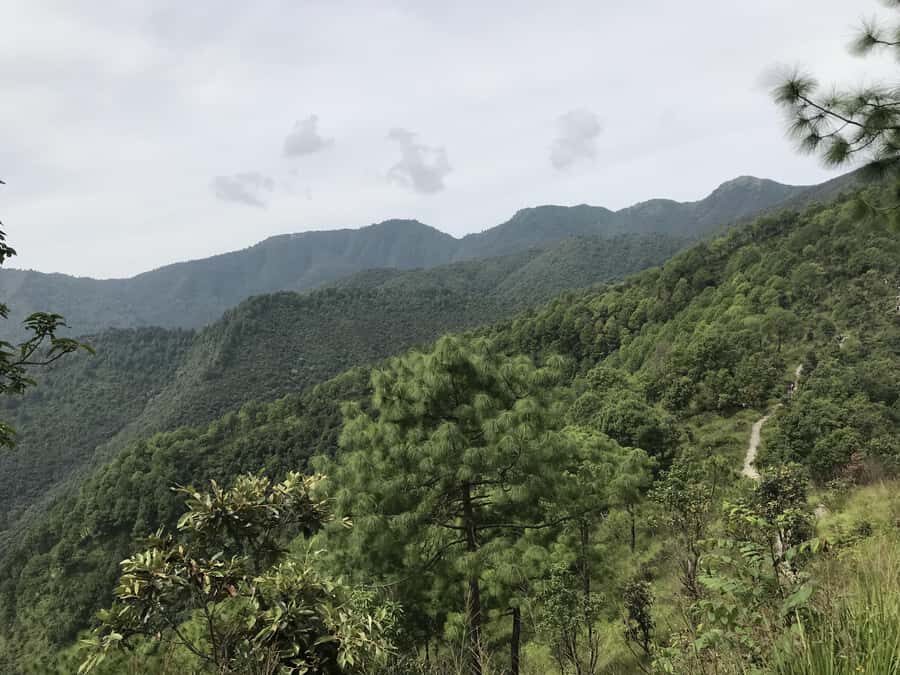
A big part of having a good day on a hillside is your guide. This trek includes an English-speaking guide, and the live guide language availability includes Spanish and English.
One highlight from a strong recommendation: guide Anil was described as full of energy, speaking great English, and also speaking Spanish. If you’re a Spanish speaker, that can be a big deal in Nepal where English-only coverage can be a problem on day tours.
A skilled guide also changes how the climb feels. It’s not just logistics. A good guide helps you pace, explains what you’re seeing around temple areas, and keeps the day moving without turning it into a sprint.
Price and value: what you get for about $90
This costs $90 per person for a 6-hour experience. That price includes:
- English-speaking guide
- Local transport as available
- All permits
What’s not included:
- Breakfast, lunch, and dinner
- Cable car ticket
- Personal drinks and expenses
- Travel insurance
So is it a good value? For me, it’s reasonable if you want a guided, structured hike that blends culture and views, without handling permits and route details yourself. The “value” isn’t just the scenery; it’s the reduction of planning friction. You show up, you follow a guided route, and you finish with cable car instead of an extra long walk down.
The one cost you should mentally budget for: the cable car ticket and your own meals. If you arrive hungry, you’ll need to handle food on your own. On the bright side, there can be a restaurant at the top with good food and service, which helps.
Who this trek is best for (and who should skip it)
This hike-and-cable-car day fits well if you want:
- a guided hike with forest sections and temple stops
- Himalayan and Kathmandu Valley views when skies are clear
- an easier descent via Chandragiri cable car instead of another long downhill hike
It’s less suitable if:
- you have mobility impairments or you use a wheelchair
- you’re afraid of heights (cable car is specifically called out)
- you have low fitness for steep ascents and descents
- you’re over 95 years (not recommended)
Quick safety and comfort tips for the Champadevi–Chandragiri day
- Start with sturdy shoes. Downhill sections will be the test.
- Bring water and snacks early. Don’t wait until you feel drained.
- Use sunscreen even if the sky looks mixed. Sun can hit hard after clear breaks.
- Bring a camera, but also pause without filming. Temples and viewpoints are better when you actually look.
FAQ
FAQ
How long is the Kathmandu Champadevi to Chandragiri experience?
The total experience time is listed as 6 hours.
Where do you get picked up?
Pickup starts in Kathmandu.
What is included in the $90 per person price?
It includes an English speaking guide, local transport as available, and all permits.
Do I need to pay for the cable car ticket separately?
Yes. The cable car ticket is not included.
Is breakfast or lunch included?
No. Breakfast, lunch, and dinner are not included.
What languages are available for the live tour guide?
Live tour guide languages include Spanish and English.
Is the hike suitable for people with mobility impairments or wheelchair users?
No. The activity is not suitable for people with mobility impairments or wheelchair users.
Is this tour suitable for someone afraid of heights?
It may not be suitable. The cable car descent is described as thrilling and may not fit people who are afraid of heights.
Should you book the Kathmandu Champadevi–Chandragiri hike?
Book it if you’re ready for a real hike with steep parts, you want temple stops that feel local, and you’d enjoy finishing with a cable car descent instead of grinding downhill all day. Skip it if fear of heights is an issue, if steep ascents and descents sound like a bad match for your fitness, or if you need mobility-friendly terrain. If you’re comfortable with walking and want Himalayan views when conditions are clear, this is a strong, value-for-guidance option in Kathmandu.