REVIEW · KATHMANDU
Upper Mustang Trek – 13 Days
Book on Viator →Operated by Welcome Nepal Treks P.ltd · Bookable on Viator
A Tibetan-style walled city in Nepal? That’s the draw. This 13-day Upper Mustang short trek mixes Himalayan desert scenery with gompas, monastery stops, and the chance to time your route with the Tiji Festival if your trekking dates line up.
What I like most is how the days are structured for steady progress. You’re typically walking around six hours a day through villages such as Kagbeni, Chele, Ghami, Tsarang, and then into Lo Manthang, with built-in nights in each place so you’re not racing daylight.
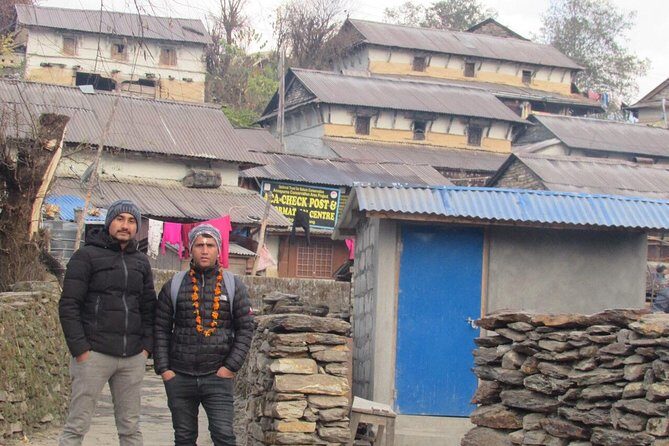
I also like the human support. You travel with a government-licensed English-speaking guide and porters to carry your luggage, plus you’re capped at a small group size (maximum 15). In planning, their team has a reputation for answering questions—people specifically point to Mr Hari for helping get things sorted.
One consideration: this route depends on weather and timing, especially the domestic flight legs to and from Jomsom. If conditions are poor, the plan can change, and you’ll want some flexibility in your schedule.
In This Review
- Key things that make this trek worth your attention
- Upper Mustang’s big promise: desert air, ancient walls, and deep-gorge drama
- Price and what it really includes: value comes from permits, flights, and guided logistics
- Getting there the practical way: Kathmandu to Pokhara, then Jomsom flights
- The trekking rhythm: what “about six hours a day” feels like
- Day-by-day walk: Kagbeni, Chele, and the Mustang desert mood
- Ghami and Tsarang: village life and the gompa pull
- Lo Manthang: your main cultural day, with Durbar and gompa visits
- Dri and Tange: rock paintings and Damodar Kunda
- The Muktinath/Jomsom finish and your Pokhara reset
- Tiji Festival timing: the one cultural variable to watch
- Who this trek fits best (and who should choose something else)
- A few smart expectations for your best experience
- Should you book Upper Mustang Short Trek with Welcome Nepal Treks?
- FAQ
- How long is the Upper Mustang short trek?
- Where does the trek start and when is the meeting time?
- Are the flights included, or do I need to arrange them myself?
- Are permits included for Upper Mustang and ACAP?
- What meals are included during the trek?
- Can the trip include the Tiji Festival?
Key things that make this trek worth your attention
- Upper Mustang permits are included, which matters in a region that requires special authorization
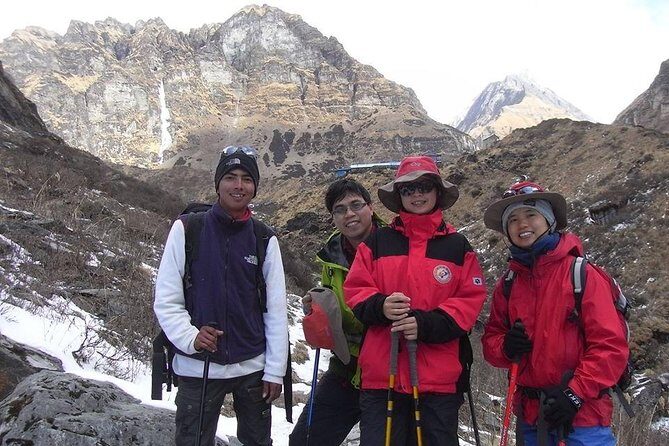
- Small group size (max 15) keeps the experience from feeling like a cattle call
- Real village nights in places like Chele and Tsarang, not just day hikes
- Lo Manthang sightseeing time focused on historic religious sites and local life
- A possible Tiji Festival day adds a cultural high note if it lands during your trek
Upper Mustang’s big promise: desert air, ancient walls, and deep-gorge drama
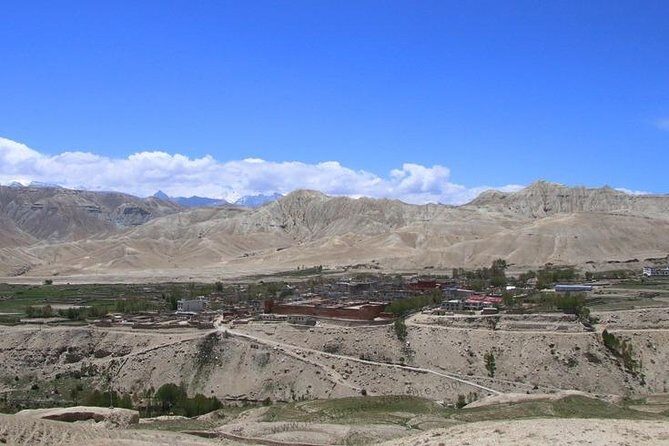
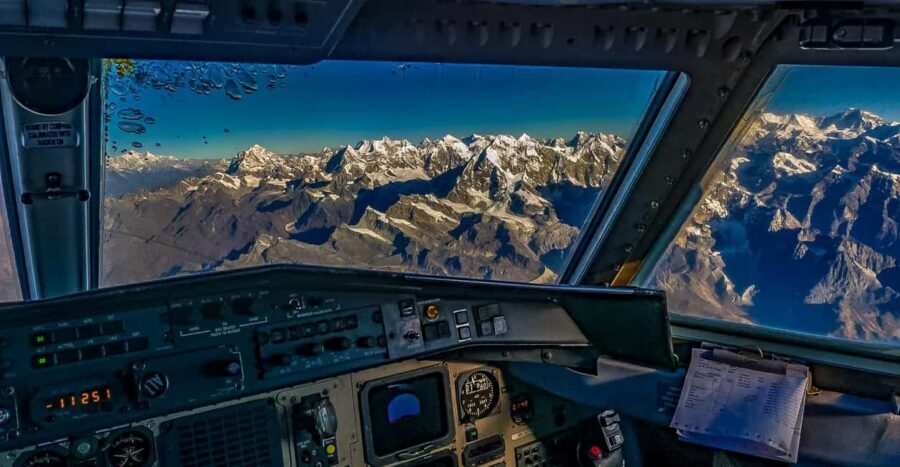
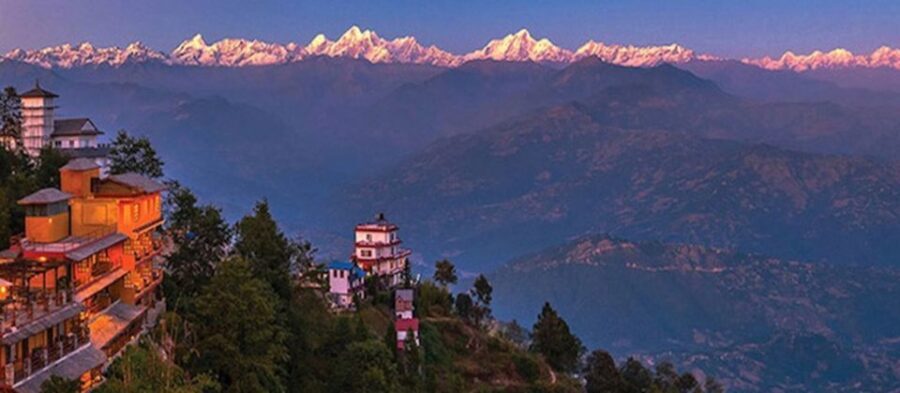
Upper Mustang is the kind of place that feels different the moment you start moving through it. The region has that high, dry “Tibetan plateau” vibe: bright skies, stark rock colors, and a sense that the mountains are close enough to touch. The trek is pitched as a short trek with serious scenery payoff—over 15 mountain views in the mix—and it includes time tied to the Kali Gandaki corridor and some of the world’s dramatic gorge country.
What makes this more than a pretty photo trip is the blend. You’re not only walking through a dry, wind-swept mountain world; you’re also visiting monasteries and village sites that explain how people live here. The trip’s focus on gompas and local history gives the landscapes context, so your photos feel grounded in place rather than just random scenery.
And yes, the “walled city” part is a real hook. Lo Manthang is a goal, not a stop you glimpse from a distance. You get a block of time there to explore, not just pass through.
You can also read our reviews of more hiking tours in Kathmandu


Price and what it really includes: value comes from permits, flights, and guided logistics
At $2,300 per person for about 13 days, this isn’t a budget trek. But the price makes more sense when you look at what’s built in.
You’re paying for:
- Upper Mustang special permits and ACAP permits (both are included)
- Domestic flights (Pokhara–Jomsom–Pokhara) plus airport departure taxes
- A licensed English-speaking guide and porters
- Hotel in Pokhara
- Most trek-day meals (breakfasts, lunches, dinners are included for set counts)
- Government taxes and service charges (included)
That combination is where value shows up. Permits alone can be a big line item for Upper Mustang, and flights can be pricey and complicated to arrange on your own. Add guide support and porter help, and you’re paying for a smoother flow through a remote area where timing matters.
Where you’ll likely feel the cost most is in your “extras.” City meals in Kathmandu and Pokhara are not included, and personal spending—drinks, snacks, shower costs, and similar items—are on you. If you’re the type who wants lots of tea/coffee stops or buys extra bottled water, plan for that.
The other cost-variable is weather. The tour requires good weather and can be rescheduled if conditions disrupt flying, which is common in high-mountain regions.
Getting there the practical way: Kathmandu to Pokhara, then Jomsom flights
Your trip starts in Kathmandu with a pickup from your hotel, with a start time of 6:45 am. Day 1 is a drive to Pokhara, and the evening is yours. It’s a good setup: you’re not trying to fly on day one and immediately start walking. You arrive, settle in, and get your bearings.
From Pokhara, you fly to Jomsom on day 2 and then trek up toward Kagbeni. You’re using flight time to skip the long approach sections, which is a big deal when you want an Upper Mustang trek that’s “short” in name but still meaningful.
If you’re worried about flight days, don’t be. Just treat them like they are: weather-dependent. If the air doesn’t cooperate, the trip may need a different date or adjustment, because the program requires good conditions.
The trekking rhythm: what “about six hours a day” feels like
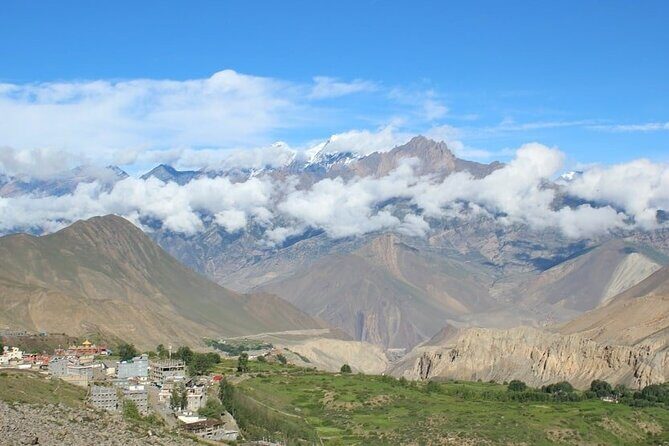
Most trek days are set at around six hours of walking, with a few places that shift the effort based on terrain and altitude. In practice, that means you’ll spend a lot of time moving steadily rather than sprinting to landmarks.
Your daily routine will likely look like:
- A morning start from the village lodge
- Walking through a sequence of settlements and passes
- Reaching the next overnight village with time to settle and look around before dinner
Because porters carry your luggage, you’re less likely to feel wrecked by day 2 or 3. Still, you should plan for real climbing days—especially around pass crossings like the Taklam La Pass mentioned on day 4.
Also, bring a mindset for thin-air pacing. Even when the walk time seems similar day to day, the effort can rise if you’re moving higher and breathing harder.
Day-by-day walk: Kagbeni, Chele, and the Mustang desert mood
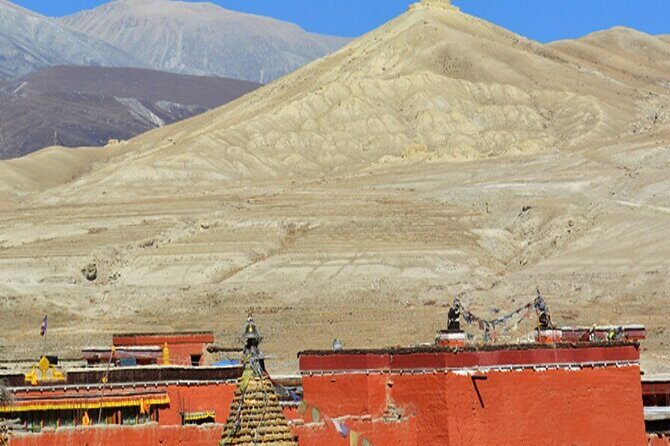
Day 2 starts the Mustang feeling immediately. After landing in Jomsom, you head toward Kagbeni, passing through Ekle Bhatti and then walking around four to six hours depending on the day and pace. Kagbeni is where Upper Mustang starts to read like a different world—dry air, stone-built villages, and mountain views that don’t look like the green hills people expect from Nepal.
Day 3 brings you to Chele. The route includes passing the villages of Tangbe and Chhusang. Chele is a classic “settle in and look around” night because the scenery is big but the village scale is small. It’s also a useful day for getting your body used to the rhythm of longer walks.
On day 4, the trek shifts into a more dramatic mode. You move toward Syangbochen, passing Ekle Bhatti again and climbing to Taklam La Pass. From the pass you can see peaks like Tilicho Peak, Yakwa Kang, and Damodar Dada—the kind of view that changes how you understand the region’s geometry. Along the way, you pass Samar and Ramchung cave, which adds a little variation beyond pure trekking.






Ghami and Tsarang: village life and the gompa pull
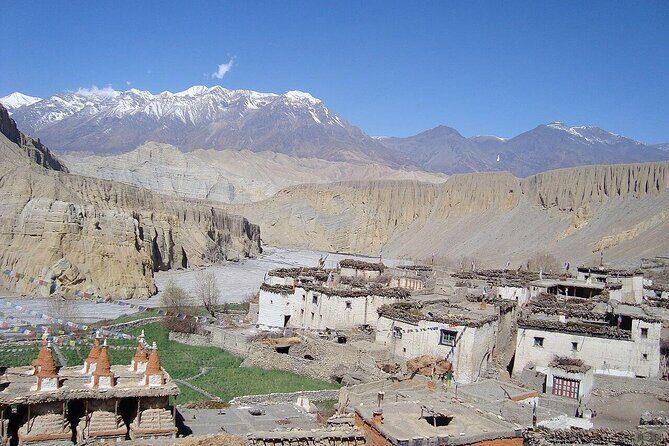
Day 5 takes you to Ghami. The description emphasizes fields of barley and surrounding mountains. This is where you’ll start seeing how people carve agriculture out of dry country, which makes the desert idea feel less like emptiness and more like a different system.
Day 6 brings you to Tsarang. This is one of those nights where you’re not only collecting views; you’re collecting impressions. Tsarang is described with willow trees, maze fields, stone wall houses, and a gompa. When you’re walking in this region, the buildings that matter most are often religious ones—so a gompa stop isn’t just a photo stop. It’s a moment where the place’s purpose becomes obvious.
Lo Manthang: your main cultural day, with Durbar and gompa visits
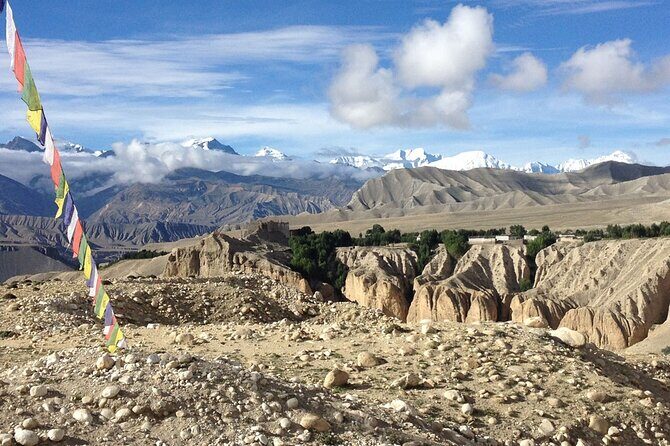
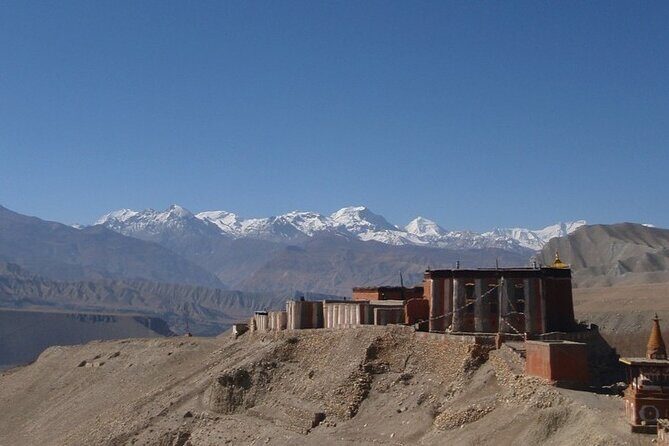
Getting into Lo Manthang on day 7 is the big transition. The trip frames Lo Manthang as the capital city of Manang Lo, and once you’re there you get a night in the walled city area.
The views from the approach are tied to peaks like Nilgiri and Tilicho and also Annapurna peak in the wider sight picture. You’re walking into a location that feels protected, shaped by stone walls and centuries of routine.
Day 8 is a full day to explore Lo Manthang itself. This is where you’ll get the most direct cultural payoff:
- Four storey Durbar
- Chyodi Gompa
- Namgyal Gompa
- Tingkhar
- Tall Champa Lakhang Gompa
You also get time to understand history and everyday life of local people, which is valuable because Mustang’s culture can be hard to grasp from images alone. Here, the guide’s role matters: you’re not just walking between buildings; you’re learning what each site represents.
If your schedule lines up, this is also the kind of day where cultural energy is easiest to feel—especially if you’re in the region for festival timing.
Dri and Tange: rock paintings and Damodar Kunda
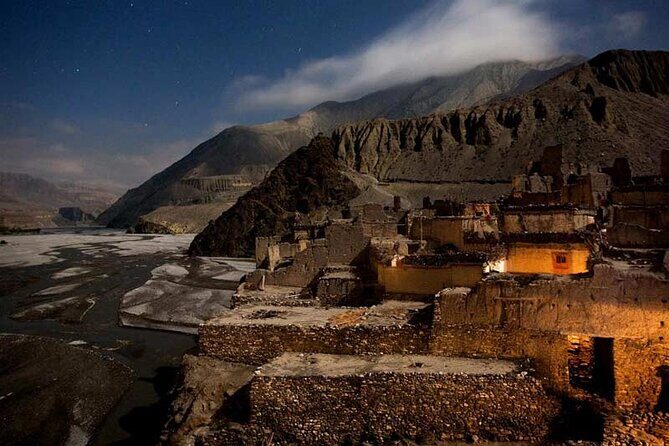
Day 9 heads you toward Dri. The highlight here is the 1200-year-old Ghar Gompa, famous for its rock paintings. This is a big deal because it connects the trek to deep time. You’re not only looking at old walls; you’re seeing art that has lasted through centuries of weather and habit.
Day 10 moves you to Tange. The route includes stream crossings and reaches Damodar Kunda, then continues past a series of chorten before arriving at Tange. For me, this day reads as a “religion in the details” walk. Chorten aren’t just roadside objects—they’re part of how people mark routes, luck, and daily movement through the mountains.
The Muktinath/Jomsom finish and your Pokhara reset
Day 11 targets Muktinath. The itinerary doesn’t list the specifics of the sites you’ll see there, but it clearly frames it as a key destination before you continue down toward Jomsom for overnight.
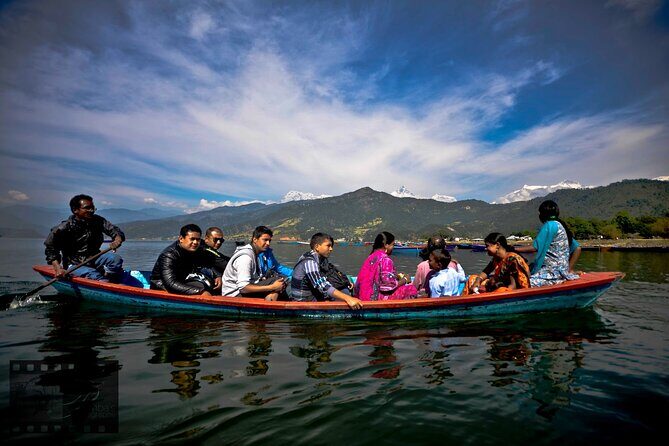
After that, day 12 is a break day in Pokhara. The plan is rest time, plus another hotel night. This is an important part of a trek like this. You’re giving your body a chance to recover after several days of sustained walking in high, dry terrain.
Day 13 is your return to Kathmandu by tourist bus after breakfast in Pokhara. Even though it’s the end of the trek, I like having this buffer day-by-day rhythm: trek, rest, then travel out, instead of compressing everything into a single grueling departure window.
Tiji Festival timing: the one cultural variable to watch
One of the most special notes about this itinerary is that it can include the Tiji Festival if it falls during your trekking dates. The trip description flags the festival as a major attraction, with vivid cultural colors and lively energy.
Here’s the practical takeaway: treat festival timing as a bonus, not a guarantee. When it happens, it can turn a scenic trek into a memory with stronger emotional impact because you’re seeing tradition in motion rather than just buildings and stones.
If festival dates are important to you, you’ll want to confirm your exact trek dates before committing so you can tell whether your window overlaps.
Who this trek fits best (and who should choose something else)
This trek suits you if:
- You want a cultural-focused Upper Mustang trip, not just a viewpoint grind
- You’re comfortable with moderate physical fitness and walking days around six hours
- You prefer a guided setup with porter support
- You want a smaller group (up to 15) where you’re less likely to feel rushed
It might not be the best match if:
- You need a very low-activity trip or expect mostly flat walking
- You can’t handle schedule shifts if weather affects the domestic flight legs
- You dislike colder, higher trekking conditions (Mustang can feel sharp even when days are sunny)
A few smart expectations for your best experience
A smooth Upper Mustang trek is mostly about mindset and pacing. You’ll walk through dry mountain villages, climb pass terrain, and spend time in historic religious sites like gompas and chorten areas. The support system—licensed guide and porters—helps you keep your attention on the route and the culture.
Also, plan your spending with the included meals in mind. Breakfasts, lunches, and dinners are covered for set counts, but city meals in Kathmandu and Pokhara are not. Bring some flexibility, because extra drinks and snacks can add up fast in places where a lot of choices aren’t available like in big cities.
Finally, if you enjoy photography, you’re in a good spot. You’re moving across multiple regions of Upper Mustang with repeated scenic vantage points and a festival possibility that can add color and motion.
Should you book Upper Mustang Short Trek with Welcome Nepal Treks?
I’d recommend booking this trek if you want a guided, permit-backed Upper Mustang experience that still feels personal. The included pieces that drive value are the permits, the ACAP coverage, the domestic flights, and the guide/porter support. If that combination matches your travel style, you’ll likely find it easier to enjoy the trek instead of managing logistics.
I’d hesitate if you have a tight schedule with no room for weather-driven flight changes, or if you expect light walking. This is still a serious trek with about six hours of walking on many days, plus pass terrain and remote village stays.
If you’re going for culture—gompas, historic Lo Manthang sites, rock paintings at Ghar Gompa, and the possible boost of the Tiji Festival—this itinerary targets your interests directly.
FAQ
How long is the Upper Mustang short trek?
It’s listed as 13 days (approximately).
Where does the trek start and when is the meeting time?
You start in Kathmandu, with a hotel pickup. The start time is 6:45 am.
Are the flights included, or do I need to arrange them myself?
Domestic flights are included: Pokhara–Jomsom–Pokhara, along with airport departure taxes.
Are permits included for Upper Mustang and ACAP?
Yes. Upper Mustang special permits and ACAP permits are included.
What meals are included during the trek?
Lunch (10), breakfast (12), and dinner (10) are included. Major meals in cities like Kathmandu and Pokhara are not included.
Can the trip include the Tiji Festival?
Yes, the itinerary says you can experience the Tiji Festival if it falls during your trek dates.