REVIEW · KATHMANDU
Everest Base Camp Trek
Book on Viator →Operated by Nepal Hiking Team · Bookable on Viator
Everest starts before sunrise. This private Everest Base Camp trek turns a scary logistics puzzle into an organized hike, so you can focus on the big Himalayan views. I like that you’re not forced to match a faster group, and the plan is built around guide-led safety and real pacing.
I also love the way the package handles the hard parts in advance. You get meals with tea/coffee each day plus lodging from lodge to lodge, and your trek is supported by a certified English-speaking guide (with a porter where you’ll typically have 2 trekkers per porter).
One thing to consider: this route starts early, with the meeting time at 2:15 am, and the altitude climb demands real fitness and patience with cold, thin air.
In This Review
- Key highlights you’ll care about
- Price and logistics: what $1,790 buys you in real life
- Kathmandu arrival: using the first 48 hours for sleep and setup
- The Lukla-to-Phakding day: your first taste of Everest territory
- Namche Bazaar and acclimatization: where the trek becomes smart
- Tengboche to Dingboche: steady climbs and intentional breaks
- Lobuche and the base camp build-up: the route gets serious
- Kala Patthar sunrise views and the return to Pheriche
- The flight home: wrapping the loop via Ramechap
- Guides and team support: why guide choice changes everything
- Lodges, meals, and showers: comfort that won’t slow you down
- Packing smart: the gear list and the porter weight reality
- Who should choose this trek, and who might rethink it
- Should you book this Everest Base Camp trek?
- FAQ
- What time does the experience start?
- How long is the Everest Base Camp trek?
- Is this a private tour?
- What’s included in the price?
- Do I need a visa for Nepal?
- Are hot showers included during the trek?
- Is travel insurance included?
Key highlights you’ll care about
- Private trek, flexible rhythm: your guide keeps the pace realistic and lets you move with purpose.
- Flights built into the plan: round-trip flights to Lukla via Ramechap with transfers take pressure off you.
- Acclimatization days that matter: hikes like Everest View Hotel and Nagarjun hill help your body adjust.
- Support from Kathmandu through departure: airport car pickup/drop-off and two nights in a 3-star hotel reduce stress.
- Well-managed safety basics: permits handled, first-aid kit included, and a guide who helps you avoid getting lost.
Price and logistics: what $1,790 buys you in real life
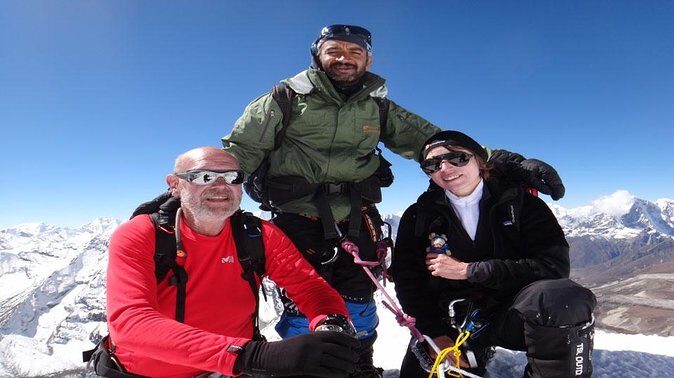
At $1,790 per person, this isn’t a budget trek. But you’re paying for the stuff that usually causes headaches: flights, permits, guide/porter support, lodge-to-lodge accommodation, and most daily meals.
In practical terms, the money goes toward:
- Round-trip Lukla flights via Ramechap (plus transfers)
- Permits and government taxes required for the trek
- Full-board meals during the walking days, including tea/coffee
- Twin-sharing lodge accommodation along the route
- Guide + porter support, including their insurance, food, and lodging
That’s the key value. On Everest treks, your biggest risks aren’t just weather or altitude. They’re also confusion—wrong permits, delayed flights, unclear routes, or getting stuck trying to coordinate with guesthouses. This kind of package is designed to keep you hiking instead of troubleshooting.
What’s not included also helps you plan: travel insurance, international airfares, the Nepal entry visa, drinks/snacks/personal expenses, personal gear, tips, and hot showers beyond what’s specifically noted.
You can also read our reviews of more hiking tours in Kathmandu


Kathmandu arrival: using the first 48 hours for sleep and setup
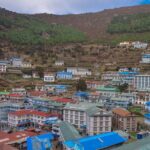
You start in Kathmandu and get two nights in a 3-star hotel. That’s not a random add-on. It gives you time to settle in before the big jump to the Khumbu and helps you handle the day-to-day realities: SIMs, cash, gear checks, and rest.
On day one, you arrive in Kathmandu. On day two, you’re up very early and get car pickup/drop-off handled. The plan then drives you to Ramechap before you fly to Lukla.
Two details matter here:
- The trek begins at 2:15 am, so your Kathmandu nights aren’t just for comfort. They’re for sleep you’ll actually use.
- You’re dealing with a flight route that can be weather-sensitive, so having transfers and logistics managed reduces stress if schedules shift.
You also get a trekking map and a trip achievement certificate, plus a first-aid medical kit as part of the support package.
The Lukla-to-Phakding day: your first taste of Everest territory
Day two is the classic launch day: drive to Ramechap, fly to Lukla, then trek to Phakding. You’ll walk about 8 km for around 3 hours, finishing at roughly 8,699 ft.
This leg is short on paper, but it matters. You’ll feel:
- the shock of the altitude compared to Kathmandu
- the walking rhythm in the hills
- how your body reacts after travel and early wake-ups
The big “win” of a private guide here is simple. You’re not trying to keep up with someone else’s pace. Your guide can adjust your speed and tell you what to watch for, which keeps the day from turning into a stress test.
Accommodation in Phakding is lodge-style, and this package specifically notes private bathrooms with hot shower at Phakding (when available). That’s the kind of comfort you appreciate after day one’s early start.
Namche Bazaar and acclimatization: where the trek becomes smart
Day three takes you from Phakding to Namche Bazaar, trekking 10 to 12 km for about 6 hours to roughly 11,283 ft.
Namche is more than a midway stop. It’s a body-adjustment checkpoint. That’s why day four isn’t just “more hiking.” It’s an acclimatization day with a hike to Everest View Hotel (about 12,995 ft), walking 3 to 4 km for 3 to 4 hours.
Here’s what you’re really doing on these acclimatization days:
- building stamina without going too hard too fast
- learning your breathing rhythm
- giving your body time to adapt before the higher legs
If you’re nervous about altitude, this is where the private guide approach earns its keep. A guide can help you slow down, take breaks that actually help, and avoid the common mistake of treating acclimatization hikes like full-throttle training.
Tengboche to Dingboche: steady climbs and intentional breaks
Day five is the trek to Tengboche (about 10 to 11 km, around 5 hours, roughly 12,660 ft). Day six continues to Dingboche (about 11 to 12 km, around 5 hours, roughly 14,464 ft).
This is where your hiking routine starts to lock in. Expect long, steady walking and the mental work of staying consistent even when air feels thinner.
Day seven adds another acclimatization hike: Nagarjun hill and back, roughly 5 to 6 km for 4 to 5 hours.
Why this matters: your climb gets serious soon. The route then heads higher toward Lobuche and eventually Gorakshep. If you skip the acclimatization rhythm, you don’t just feel worse—you also lose time and energy later.






Lobuche and the base camp build-up: the route gets serious
Day eight takes you to Lobuche (about 11 to 12 km, around 5 hours, roughly 16,105 ft). The altitude is no longer background noise; it’s part of every step.
Then day nine is the big one in two parts: trek from Gorakshep to Everest Base Camp, and then return to Gorakshep. You’ll cover 14 to 15 km for about 8 hours, reaching Base Camp at 5,364 m / 17,594 ft.
This is the day you plan your energy for. It’s not just about reaching the coordinates on the map. It’s about pacing yourself so you can enjoy the moment once you get there.
The package supports this with:
- a professional guide who helps you avoid getting lost
- lodge-to-lodge logistics so you’re not hunting for arrangements
- a first-aid medical kit in case of issues
And based on guide-focused praise in real trek stories, the best moments often come down to how well your guide reads you and keeps you calm.
Kala Patthar sunrise views and the return to Pheriche
Day ten brings a highlight that Everest trekkers chase for a reason: Kala Patthar. After reaching Kala Patthar (about 11,283 ft listed), you trek back down to Pheriche (about 4,210 m / 13,810 ft). This day is about 13 to 14 km and roughly 7 hours.
Kala Patthar is famous for its vantage. Even without chasing hype, you can treat this day as your “reward + recovery” combo:
- you earn the view after the long climb
- then you start moving down again, which helps your body
Day eleven continues the descent trek to Namche (listed as 11,283 ft, 14 to 15 km, about 7 hours). Day twelve is longer: Namche to Lukla, about 18 to 19 km for around 7 hours.
That combination is tough: long walking days plus the emotional letdown of nearing the end. Private guidance helps here because it’s easy to lose your rhythm when you’re tired and almost done.
The flight home: wrapping the loop via Ramechap
On day thirteen you fly back to Ramechap, then drive back to Kathmandu. You’ve got the whole route finished, and day fourteen is departure.
This matters because the trek isn’t just the walking. The flights are the final hurdle, and the package already includes round-trip flights via Ramechap and transfers. That’s one less thing to manage when weather or timing gets unpredictable.
Guides and team support: why guide choice changes everything
The most praised part of this trek is the human factor: the guide and how they handle real people on a hard route.
In guide stories connected to this trek, names come up again and again. People talk about:
- Ganga being fast with communication before the trek starts
- guides like Ram, Shyam, and Vishma being attentive and helpful day to day
- Paban and other team members making the experience feel safe and structured
- solo trekkers feeling reassured early because someone knows the route and watches the pacing
One review theme is blunt and useful: the trek got done even when someone wasn’t highly trained. That usually means the guide adjusted expectations, controlled pace, and helped with decision-making on climbs and tough stretches.
There’s also an example in the feedback of the team handling a last-minute helicopter situation for someone in wild conditions. You can’t treat that as a guarantee, but it tells you the staff isn’t sitting around waiting for problems to fix themselves.
Bottom line: for Everest Base Camp, your guide isn’t just a companion. They’re part route-finder, part coach, and part stress manager.
Lodges, meals, and showers: comfort that won’t slow you down
This is lodge-based trekking with twin sharing during the trek. The package notes private bathrooms with hot shower at Phakding, Namche, and Lukla.
That’s a meaningful comfort detail because it’s the difference between feeling human at night versus just surviving. Outside those listed stops, you should expect basic lodge conditions typical for high-altitude trekking, and you should pack for cold nights.
Food is handled with full board meals (breakfast, lunch, dinner) plus tea/coffee during the trek. Seasonal fruits are also included.
Vegetarian options are available if you ask during booking. If that matters to you, confirm early so the kitchen has time to plan.
One practical thing to remember: drinks (hot and cold), snacks, and personal expenses aren’t included. If you like extra coffee or you snack constantly, budget for it.
Packing smart: the gear list and the porter weight reality
The gear checklist is detailed, and the core lesson is simple: keep your load light.
You’ll have:
- complimentary water and a wind-proof duffel/kit bag
- one extra big duffel bag/suitcase needed for non-trek items kept at the Kathmandu hotel
The porter angle is huge. The package notes a porter can carry up to 25 kg, and the porter is available for two trekkers. That means packing heavy in the main bag can turn into a comfort problem.
Focus your packing on:
- warm layers, including a fleece or thermal tops and a waterproof shell jacket
- a sleeping bag rated for cold conditions (the checklist references around 0°F / -10°C)
- a headlamp with spare batteries
- gloves, sunglasses with UV protection, and a sun hat/scarf
- trekking poles (often a huge help on descents)
If you’re buying in Kathmandu, the checklist says equipment is available in shops there, and quality is generally good even when items are locally made or imported.
Also bring basic personal care items: wet wipes, tissues/toilet roll, and your own toiletries. It keeps nights workable.
Who should choose this trek, and who might rethink it
This trek is best suited to fit, active travelers because the walking days add up fast and the altitude is demanding.
You’ll likely feel at home if you:
- want a challenging trek with structured support
- prefer private guidance so you can set a workable pace
- value someone taking care of permits, flights, lodging, and meal planning
- like the classic Everest Base Camp route with intentional acclimatization days
You might want to reconsider if:
- you don’t have the fitness to handle long days (some are 7–8 hours)
- early starts at 2:15 am will be a major strain
- you’re unsure about altitude tolerance and would struggle without a strong routine
The good news: the whole design is built for safety and reduced stress from getting lost or slowed down by logistics.
Should you book this Everest Base Camp trek?
If your goal is Everest Base Camp with private guidance and you want the route handled from Kathmandu to your return flight, this package looks like a strong value. You’re paying for time saved and confusion avoided: flights via Ramechap, permits, lodging, guide support, and a pacing plan that includes acclimatization.
I’d book it if you:
- want a structured 14-day hike with meals and lodges covered
- care about having an experienced English-speaking guide at your side
- prefer a small private group where you can keep your own rhythm
Skip it if you’re only looking for the cheapest way to do the trek, or if you’re not ready for long walking days and high-altitude acclimatization.
FAQ
What time does the experience start?
The meeting point start time is 2:15 am.
How long is the Everest Base Camp trek?
It’s listed as 14 days (approx.).
Is this a private tour?
Yes. It’s a private tour/activity, meaning only your group participates. The booking can include up to a maximum of 15 people, with a minimum of 2 people per booking.
What’s included in the price?
Included are airport pickup and drop-off by car, full board meals during the trek (breakfast, lunch, dinner with tea/coffee), lodge-to-lodge accommodation (with private bathrooms and hot shower at Phakding, Namche, and Lukla), seasonal fruits, a certified English-speaking guide and porter support, round-trip flights to/from Lukla via Ramechap with transfers, trekking map and achievement certificate, first aid kit, permits, and two nights in a 3-star hotel in Kathmandu.
Do I need a visa for Nepal?
Yes. The Nepal entry visa can be obtained at the airport on arrival for USD 40 for 30 days.
Are hot showers included during the trek?
Hot showers are provided at Phakding, Namche, and Lukla (with private bathrooms) as part of the accommodation notes. The listing also states hot shower during the trek is not included beyond that.
Is travel insurance included?
No. Travel insurance is not included.