REVIEW · KATHMANDU
Kathmandu and Pokhara Relaxing Tour
Book on Viator →Operated by Odea Services · Bookable on Viator
Temples and mountain sunrises in one week. This tour strings together UNESCO sites in Kathmandu with a Pokhara lake stay and a real hilltop sunrise. I especially like the private vehicle with guide and driver that keeps transfers simple and time on track, plus a welcome dinner on arrival. The main drawback to plan for: entrance fees and many meals aren’t included, and you’ll have at least one early morning for sunrise.
You also get a classic Nepal combo: medieval squares in the Kathmandu Valley, then a calmer rhythm in Pokhara with lakeside walks and viewpoints. It’s designed for people with limited time who still want variety—culture, geography, and Himalayan scenery—without turning the trip into a grind.
In This Review
- Key things you’ll notice right away
- Price and logistics: what $450 really buys
- Day 1 in Thamel: arrival that doesn’t leave you hanging
- Day 2: Patan and Bhaktapur Durbar Squares for real craft
- Day 3: sunrise energy plus Kathmandu’s UNESCO sacred sites
- Day 4: drive to Pokhara and settle in at Phewa Lake
- Day 5: Sarangkot sunrise, Fish Tail reflections, and Pokhara viewpoints
- Day 6: heading back to Kathmandu with a flight or drive choice
- Day 7: airport timing that actually helps
- Practical tips that make this trip feel smoother
- Who should book the Kathmandu and Pokhara Relaxing Tour
- Should you book this tour or skip it?
- FAQ
- Where does the tour start?
- Is airport pickup included?
- What meals are included?
- Are entrance fees included for temples and museums?
- Is boating on Fewa Lake included?
- What’s the visa cost and how do I pay it?
- How does the tour handle weather for sunrise views?
Key things you’ll notice right away
- Airport pickup and transfers: you’re met at Tribhuvan International Airport and moved to your hotel.
- Kathmandu Valley’s biggest UNESCO stops: Kathmandu Durbar Square, Pashupatinath, Swayambhunath (Monkey Temple), and Boudhanath.
- Patan and Bhaktapur’s Malla-era details: palace courtyards and stone, wood, and metal craftsmanship.
- A proper Pokhara lake break: time around Phewa Lake plus 1-hour boating on Fewa Lake.
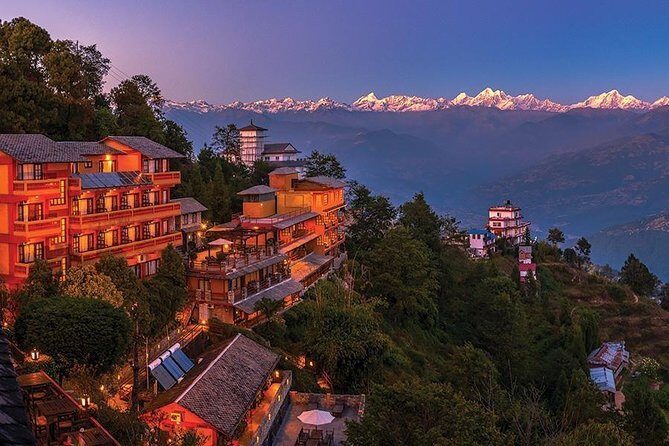
- Sarangkot sunrise for Himalayan views: built around sunrise, not just a casual look.
- Private, small-feel touring: only your group participates.
Price and logistics: what $450 really buys
At $450 per person for about a week, this is a solid “someone else handles the moving pieces” kind of value. You’re not just paying for viewpoints—you’re paying for transport, guiding, and hotel coordination that cuts down on decision fatigue.
Your package includes:
- Airport/hotel transfers and a guided plan through Kathmandu Valley and Pokhara
- Hotels listed as deluxe rooms: 3 nights in Kathmandu, 2 nights in Pokhara (breakfast included)
- A welcome dinner, plus dinner included in the mix (per the inclusions)
- An English-speaking tour guide and an insured driver
- Government and local taxes
- Boating on Fewa Lake (1 hour)
What’s not included is equally important:
- Visa fee (listed as USD 30 cash)
- Entrance fees/admission tickets for sites
- International airfare
- Many lunches and dinners while in Kathmandu and Pokhara
- Tipping and personal expenses
One more practical note: the inclusions mention an overnight in Nagarkot, but the day-by-day outline you’ll receive may emphasize Sarangkot for sunrise in Pokhara. Before you go, I’d ask your operator to confirm exactly where that Nagarkot night fits (if it’s included in your specific booking). It’s not a dealbreaker—just the kind of detail that can change what you pack.
You can also read our reviews of more tours and experiences in Kathmandu.



Day 1 in Thamel: arrival that doesn’t leave you hanging
Your first day is built around ease. You’re met at Tribhuvan International Airport (TIA) and transferred to your hotel. The meeting with your representative happens either on the day of arrival or very early on day two, depending on when you land.
In the evening, you’ll have a welcome dinner included. This matters more than it sounds. After travel day jitters, having a set plan lowers the odds you’ll waste your first night hunting down a decent meal.
Thamel is the base you start from, a tourist-friendly area where it’s usually simple to orient yourself. You’ll probably have plenty of time to do small stuff: buy a SIM, grab water, or just take a gentle walk to get your bearings.
Tip that’s worked well for me in Nepal: if you can, keep today light. Tomorrow you’re moving through temple and square sites that reward comfortable shoes and a calm pace.
Day 2: Patan and Bhaktapur Durbar Squares for real craft
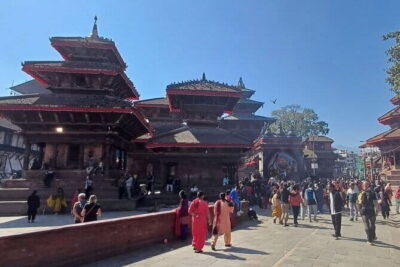
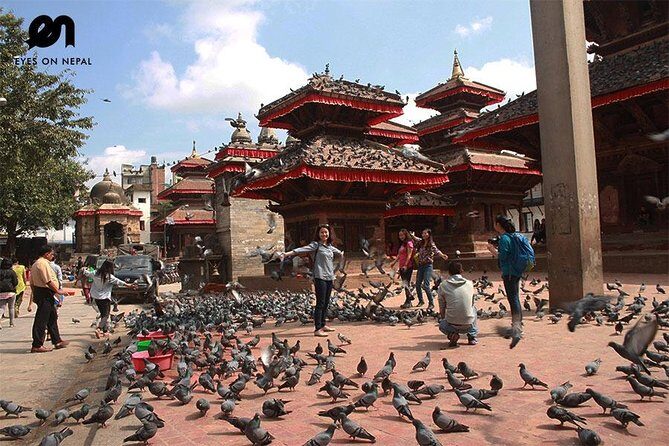
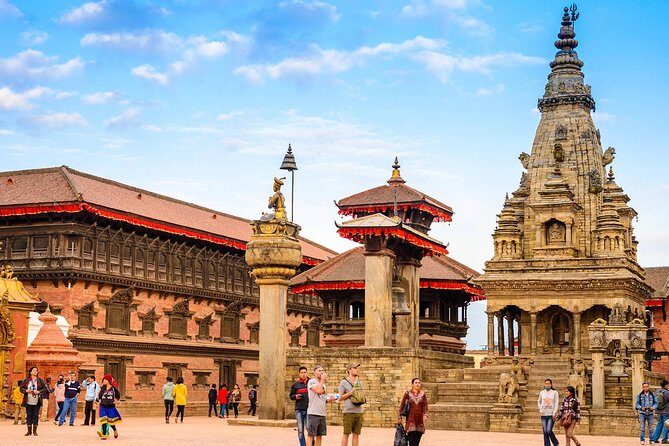
This is the day for medieval city flavor. You start with Patan Durbar Square and then move on to Bhaktapur Durbar Square, both UNESCO-listed and both famous for how much of the old city still feels intact.
In Patan, the highlight is the ancient royal palace area of the Malla Kings of Lalitpur. You also get a chance to see temples named for major deities and traditions, and there’s time noted for the Patan Museum.
Bhaktapur is where the old-city atmosphere feels especially strong. This is described as having the best-preserved palace courtyards and old center in Nepal. If you like details you can spot up close—carved struts, stonework, and metal ornamentation—this is your day.
How to enjoy it:
- Go slower than you think you need to. Durbar squares aren’t one-and-done.
- Expect some uneven surfaces in older areas, so wear shoes you can trust.
- Budget for entrance fees if you want the museum and certain temple areas (the tour notes admissions aren’t included).
This day is also a nice value for your time: you’re seeing two big UNESCO stops in one go, without the stress of negotiating transport between them.
Day 3: sunrise energy plus Kathmandu’s UNESCO sacred sites
Day three leans into spiritual Kathmandu and the classic hilltop payoff. You wake up early for sunrise and then head into the sites in the UNESCO cluster.
The plan specifically points to:
- Swayambhunath Stupa (also called the Monkey Temple), with its dome and the famous eyes on all four sides
- Kathmandu’s main historic core area, including Kathmandu Durbar Square
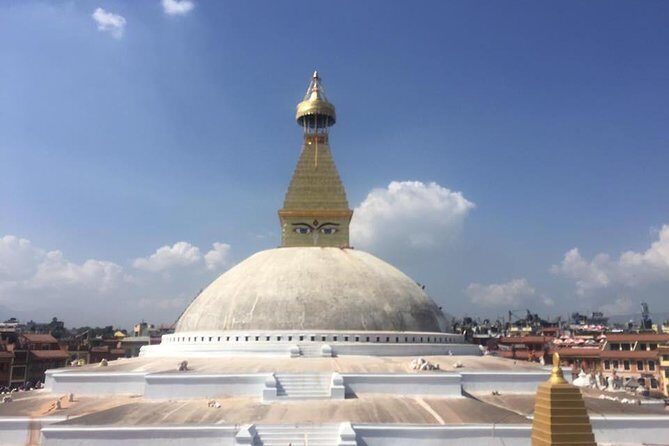
- Boudhanath Stupa, one of Nepal’s most important Buddhist stupas
- And, as part of the overall tour scope, Pashupatinath is included among the major Kathmandu UNESCO visits
The sunrise at Swayambhunath is the kind of moment you remember because it feels like you’re arriving before the city fully wakes up. From the hill, the view over Kathmandu Valley is the whole point.
Small drawback: early starts are not negotiable here. If you’re the type who needs a strong cup of coffee before you speak to anyone, plan for it. Also, temple etiquette matters—dress modestly and keep your steps steady.
If you’re hoping to get photos without crowds, sunrise is your friend. Just be ready to be cold for a bit on a hill before warmth shows up.
Day 4: drive to Pokhara and settle in at Phewa Lake
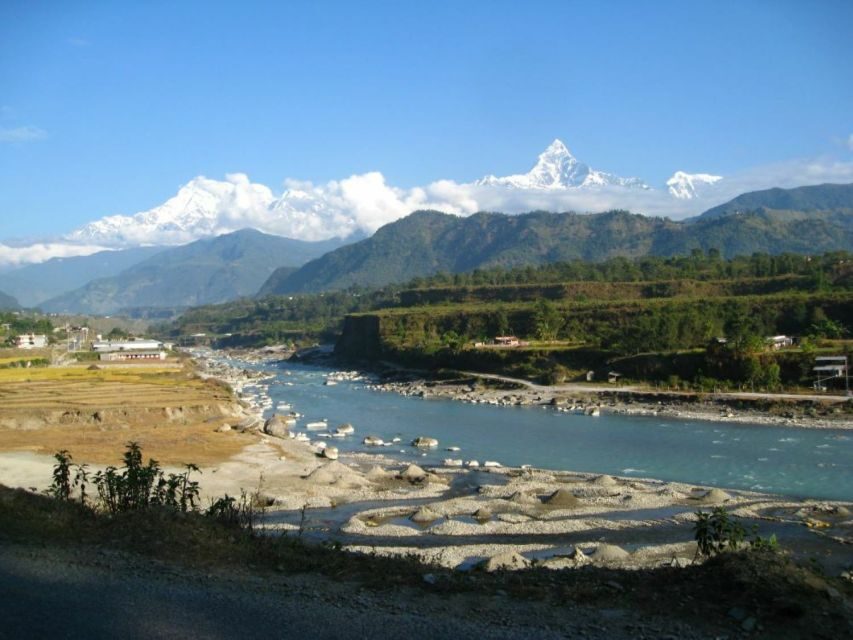
Today shifts from stone temples to big scenery and lake time. After breakfast, you take a drive toward Pokhara (the plan estimates about 7 hours). The route is described as passing mountains, hills, and rivers, so it’s not just a transfer day—it’s scenery with movement.
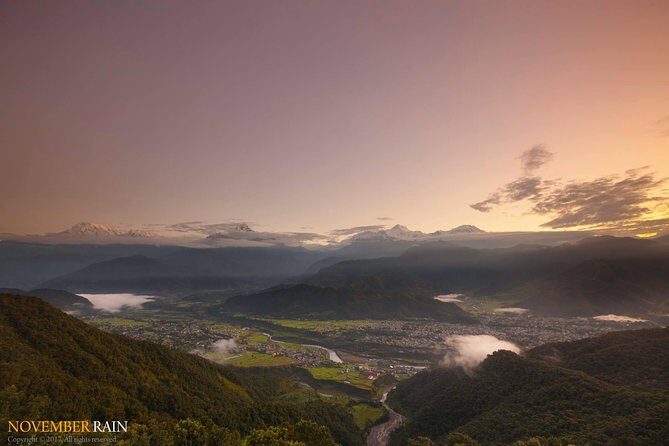
Pokhara itself is positioned as the gateway to the Annapurna region, and you’ll get a taste of those Himalayan silhouettes, including references to Annapurna and Dhaulagiri ranges and Fishtail Mountain.
Once you arrive, you’re transferred to your hotel and given time to ease in. The itinerary calls out exploring:
- Phewa Lake and the lakeside bazaar
- A boating session on Fewa Lake (1 hour)
Why this matters for your enjoyment: Pokhara is where “relaxing tour” starts to feel real. You go from dense Kathmandu sights to an open-water pace where it’s easy to slow down, sit, and let the view do the work.
Practical note: the plan doesn’t promise every meal is included in Pokhara. If you love local food, you’ll have freedom—but it’s on you to budget lunches and dinners.



Day 5: Sarangkot sunrise, Fish Tail reflections, and Pokhara viewpoints
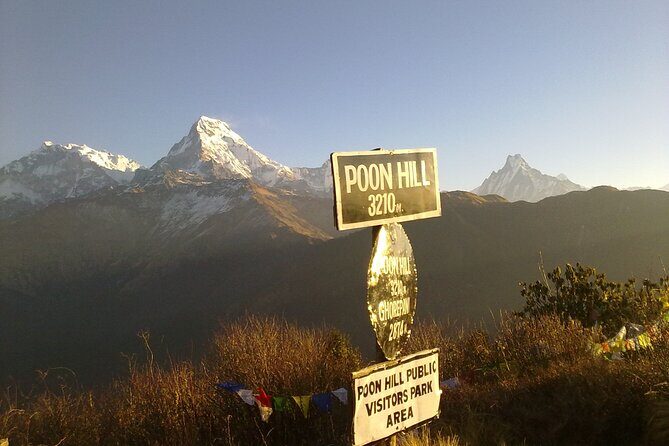
This is the big “Himalayas, please” day. Early in the morning, you drive to Sarangkot Hill for a sunrise view over the mountains and above the clouds.
Then it’s full-day Pokhara touring. You’re set up to enjoy the lake in daylight too:
- A walk along the bank of Phewa Lake
- Time to see the famous reflection of Fishtail in the water (when conditions cooperate)
From there you’ll visit a mix of culture and scenery:
- Bindabasini Temple
- Davis Falls
- International Mountain Museum
- World Peace Pagoda, noted specifically for sunset views
Two things to keep in mind:
- The tour notes that the experience requires good weather. If the skies don’t cooperate, sunrise and mountain views can be less dramatic.
- Sunset at a viewpoint is great, but it’s still time outside. Bring layers and keep your schedule flexible.
If you want a trip that’s not only “see it, leave it,” this day is designed for the slow look: sunrise, then a whole day of stops, then a sunset finish.
Day 6: heading back to Kathmandu with a flight or drive choice
Day six is a return day. You wake up early and head back to Kathmandu, with an option listed:
- Flight (about 30 minutes)
- Drive (about 7 hours)
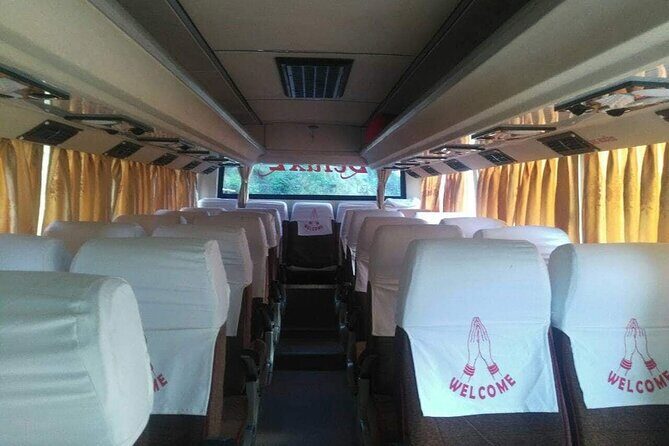
The key detail for planning: this choice is something you confirm during booking. Also note that the inclusions mention a tourist bus between Kathmandu and Pokhara, so your exact transport method may vary depending on your package setup.
Either way, the goal is straightforward: get you back to Kathmandu without losing your whole last day to travel. When you arrive, you’re met and transferred to your hotel again.
If you pick the flight, you’ll likely feel less tired. If you pick the drive, you’ll have more time to see Nepalese scenery along the route—but it’s a long day.
Day 7: airport timing that actually helps
Your final morning is built around departure. After breakfast, your guide fetches you about 3 hours before your flight time and drops you at Tribhuvan International Airport.
That’s the right amount of buffer for Nepal airport reality. You’re not rushing out of the hotel, and you’re not sitting around for hours trying to guess the pace of check-in.
If you’ve still got energy, I’d spend your morning doing one last thing near your hotel—Thamel is a convenient place to do that kind of low-effort final stroll.
Practical tips that make this trip feel smoother
A few things to know before you go, based on how the plan is structured:
- Entrance fees add up: the tour says admissions aren’t included. If you really want museum time and temple access, carry cash (and some smaller bills).
- Sunrise days need real prep: you’re up early on day three for Swayambhunath sunrise and day five for Sarangkot. Bring a warm layer and something to cover your head.
- Expect walking and uneven spots: Durbar squares and temple areas often have uneven surfaces. Comfortable shoes matter more than you’d like to admit.
- Carry cash for visa: the tour lists the visa fee as USD 30 cash.
- Weather can change the mountain day: the experience requires good weather, especially for the best Himalayan views.
Also, I like that this is a private tour where your schedule stays in your control. It’s not a cattle-car format. It feels more like having a local team steer the day while you focus on the sites.
Who should book the Kathmandu and Pokhara Relaxing Tour
This tour fits best if you want:
- Big-name Kathmandu culture (UNESCO sites and Durbar squares) without planning headaches
- A calmer second half in Pokhara, with lake time and viewpoints
- A schedule designed for limited holiday time (about a week)
- The comfort of hotel stays and transport handled, while still getting meaningful sightseeing
It might not be ideal if:
- You want totally independent travel the whole time
- You hate early mornings and timed sunrise visits
- You’re trying to minimize entrance fees (since many aren’t included)
And if you’re traveling as a couple or a small group, the private format tends to feel especially worth it.
Should you book this tour or skip it?
I’d book this if your priority is a well-paced hit of Kathmandu culture plus Pokhara views, without trying to coordinate buses, guides, and hotel logistics yourself. The included transfers, guide, and hotels are the core value, and the Fewa Lake boating plus Sarangkot sunrise give you that classic Nepal memory even if you don’t trek.
I’d also check one thing before you commit: confirm how transport works on the Pokhara return (bus vs flight vs drive) and clarify the Nagarkot overnight detail from the inclusions, since your day-by-day focus is clearly Sarangkot sunrise.
If you can handle early starts and you’re okay paying some site entrance fees separately, this is a strong, relaxing way to see two of Nepal’s most rewarding destinations in one week.
FAQ
Where does the tour start?
It starts at Tribhuvan International Airport (TIA) in Kathmandu. The meeting point lists a start time of 7:15 am.
Is airport pickup included?
Yes. The package includes all airport/hotel transfers.
What meals are included?
The tour includes breakfasts during the hotel stays listed, plus a welcome dinner and dinner (meal details beyond that are noted as not included).
Are entrance fees included for temples and museums?
No. The tour notes admission/entrance tickets are not included for Kathmandu and Pokhara stops.
Is boating on Fewa Lake included?
Yes. Boating on Fewa Lake for 1 hour is included.
What’s the visa cost and how do I pay it?
The tour notes the Nepal visa fee is USD 30 cash brought by you. International airfare isn’t included.
How does the tour handle weather for sunrise views?
The experience requires good weather. If it’s canceled due to poor weather, you’ll be offered a different date or a full refund.