REVIEW · KATHMANDU
Everest base camp trek & Heli return
Book on Viator →Operated by Himalayan Mentor · Bookable on Viator
Lukla to Everest in one week is intense. This trek is a one-way hike with a helicopter return, built to get you to Everest Base Camp fast without the full backtrack of a round-trip trek. You’ll move through classic high-altitude stopovers, sleep in tea houses each night, and spend the end of the trip chasing big views from Kala Patthar.
What I like most is the human support and the pacing. An English-speaking, government-licensed trekking guide (people like Padam are specifically praised for experience and clear answers) keeps you moving with confidence, and the operator behind the scenes (often connected with Kesh) is described as responsive and hands-on when weather or small problems pop up. The main consideration is that this is a quick route to altitude: if you don’t adapt well, or if weather affects flights, you’ll need patience and flexibility.
In This Review
- Key Highlights You’ll Actually Feel on the Trail
- How the 7 Days on Everest Base Camp Really Work
- Kathmandu to Lukla: the Start That Sets Expectations
- Phakding to Namche Bazaar: the Acclimatization Spine
- Namche to Tengboche: rhododendron trails and big prayer flags
- Down to Deboche, Up to Dingboche: the Imja Khola moment
- Dingboche to Lobuche: where views get specific
- Everest Base Camp Day: Gorakshep to the 5,364-meter goal
- Kala Patthar and the Helicopter Back to Kathmandu
- Tea Houses, Meals, and What You’ll Still Pay For
- Guide and Group Size: small crew energy in the Khumbu
- Pickup, Transfers, and Where You Meet
- Price and Value: what $3,195 buys you (and what it doesn’t)
- Who This Everest Base Camp Heli Return Trek Suits Best
- Should You Book This Trek or Skip It?
- FAQ
- FAQ
- What time does the tour start, and where do we meet?
- Is pickup and drop-off included?
- Are flights and helicopter rides included in the price?
- Where do we sleep during the trek?
- Are meals included?
- Is a hotel in Kathmandu included before and after the trek?
Key Highlights You’ll Actually Feel on the Trail
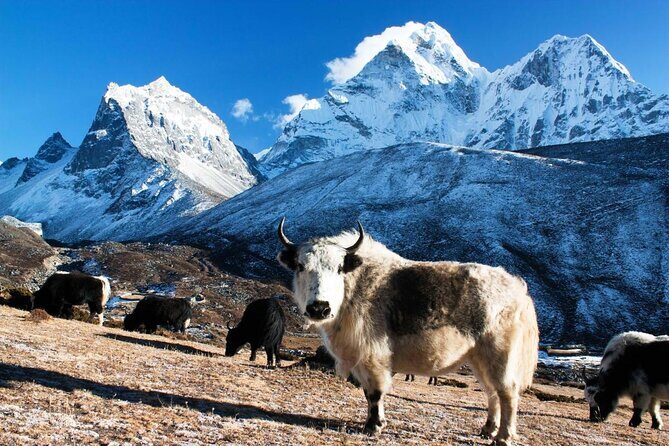
- One-way trek, helicopter back means your last day isn’t another long march.
- Tea house lodges every night keeps logistics simple and lets you focus on acclimation.
- Acclimatization stops at Namche and Dingboche aren’t decoration; they’re the safety rhythm of the route.
- Kala Patthar is the altitude payoff for the final view day before your flight.
- Small group size (max 15) makes it easier to manage pace and adjustments.
- Guide support is a priority with an English-speaking, government-licensed leader.
How the 7 Days on Everest Base Camp Really Work
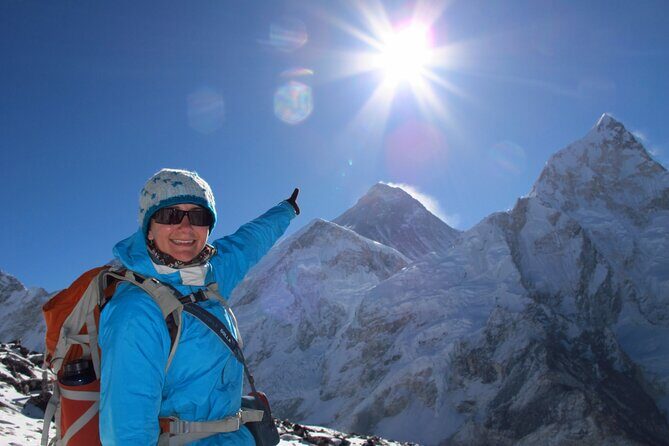
This itinerary is designed for people who can hike most days and want the Everest Base Camp goal within about a week. The structure is simple: you fly into the mountains from Kathmandu, hike day by day through key villages, reach Base Camp via Gorakshep, then finish with Kala Patthar before flying back by helicopter.
That one-week timeline is the attraction—and the tradeoff. Going fast can be thrilling, but it also leaves less time for slow acclimation. Your job is to manage effort early (especially on steep stretches) and keep your breathing steady.
The payoff is timing. You get to spend a full chunk of your trip at high altitude, with the memorable moments concentrated around Gorakshep, Everest Base Camp, and Kala Patthar.
You can also read our reviews of more hiking tours in Kathmandu


Kathmandu to Lukla: the Start That Sets Expectations
Day 1 begins at the TIA Domestic Terminal parking lot in Kathmandu, with a 5:15 am start. From there, you fly to Lukla and start hiking toward Phakding at around 2,600 meters. It’s typically only a few hours of walking, which helps you avoid going too hard right after arrival.
Even if the physical work feels light that first day, treat it as a rhythm-setter. You’re still gaining altitude quickly, so I’d plan to keep your pace calm and drink regularly.
Practical note: your tour includes airport transfers for arrival and departure related to the trek. Still, if you’re arriving late the night before, you’ll want to sort your Kathmandu hotel separately because Kathmandu accommodation isn’t included.
Phakding to Namche Bazaar: the Acclimatization Spine
On Day 2, you hike from Phakding to Namche Bazaar (3,500 meters), about 4–5 hours. You’re also given time to explore around Namche in the late afternoon, which matters because this is where you start feeling like you’ve arrived in the high Himalaya—shops, trail junctions, and big viewpoints all start to appear.
Namche is more than a stop for photos. It’s where you adjust to altitude before pushing higher. Going into the next days, you’ll be glad you didn’t rush straight upward without a pause.
If you’re the type who likes checklists, Namche is where your mental checklist should be simple:
- go slowly on the climbs
- rest when you need to
- keep moving (don’t freeze)
Namche to Tengboche: rhododendron trails and big prayer flags
Day 3 takes you to Tengboche (3,870 meters). The walking time is around 4–5 hours, and the route passes through rhododendron forests, plus mani walls and chortens—all part of the cultural texture of the Khumbu region.
This is also a classic “views get louder” day. As you climb, you’ll notice how quickly the scenery changes in the Himalaya. One hour the trail feels like a hike; the next hour it feels like a moving viewpoint.
The practical drawback here is simple: trees and terrain can hide how steep you’re getting. Keep your effort steady and let your legs find a rhythm rather than sprinting to the next “big vista” moment.
Down to Deboche, Up to Dingboche: the Imja Khola moment
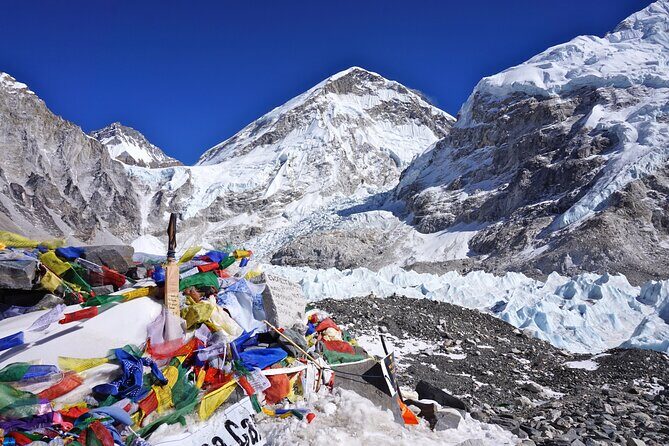
Day 4 moves from Tengboche to Dingboche after passing through Deboche and crossing a bridge over the Imja Khola. The day is about 6 hours of hiking and includes an interesting mix: you go down through forest, then up through villages like Pangboche and Somare.
That bridge crossing is more than scenery. It breaks the day into sections, and that’s helpful when altitude fatigue starts to sneak in. You’ll also notice the route gradually transitioning into a higher-altitude feel as you approach Dingboche.
This is an important day psychologically. By the time you hit Dingboche, you’re ready for the next big push, but you still have that acclimatization “buffer” built into the schedule.





Dingboche to Lobuche: where views get specific
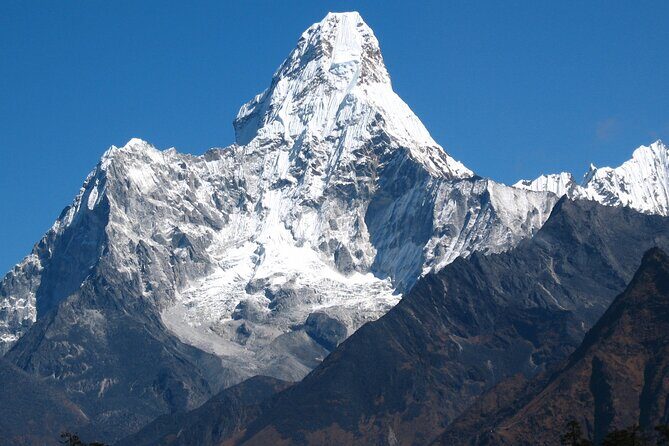
On Day 5, you hike from Dingboche to Lobuche, taking around 6 hours. The description of the day focuses on the way the mountains start lining up more clearly: Ama Dablam, Lhotse, Phortse Peak, and Cholatse.
What that means for you on the ground: this day can feel like it has fewer flat moments. Even if the total distance isn’t extreme, the terrain and altitude can make each section feel like work.
A good strategy is to use “view breathing.” When you slow down to admire the peaks, match that with controlled breathing and a short rest. Don’t just stop and stare—use the stop to recover and keep your rhythm for the next climb.
Everest Base Camp Day: Gorakshep to the 5,364-meter goal
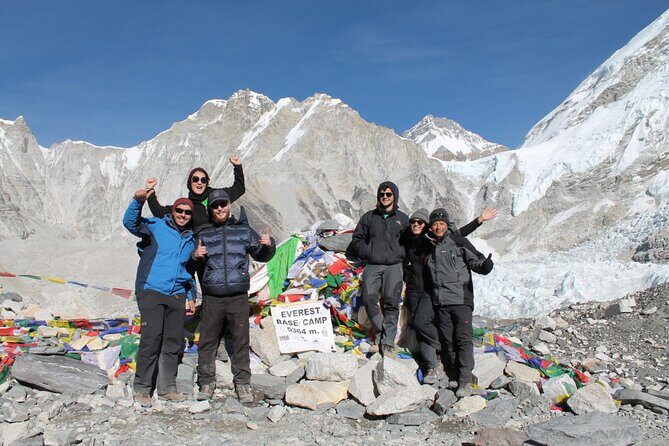
Day 6 is the centerpiece. You start by trekking through Gorakshep, then continue to Everest Base Camp (5,364 meters). The day’s total time is listed at about 7 hours, including time at Gorakshep and the Base Camp walk.
This is where your effort converts into memory. You’ll likely feel the altitude at Gorakshep, then it’s another step upward to the Base Camp area. The schedule includes lunch at Gorakshep and then a return to Gorakshep for overnight.
Two realistic notes here:
- If you feel “flat” rather than “winded,” that’s altitude. Slow down and don’t force pace.
- Photos at Base Camp are fun, but build in time to simply look around. The scale only makes sense when you’re standing there.
Kala Patthar and the Helicopter Back to Kathmandu
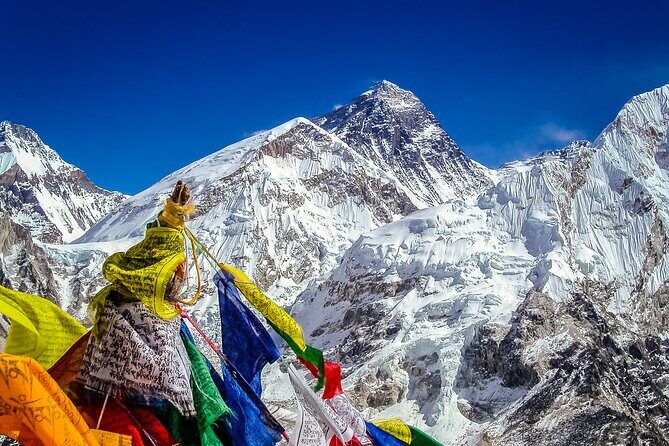
Day 7 starts early with a trek to Kala Patthar (5,545 meters), about 2 hours of walking time listed for that segment. Kala Patthar is treated as the final destination—and that’s accurate in the sense that it’s one of the best places to see Everest and surrounding peaks from a hard-earned elevation.
Afterward, you return to Gorakshep and then fly back to Kathmandu by helicopter. The route is Gorakshep to Kathmandu as part of the included return plan, and it’s listed as a sharing helicopter.
Two key considerations:
- This last day is time-sensitive. Start early, move smart, and don’t add extra detours.
- Helicopter schedules can be affected by weather. The best move is to stay flexible and prepared for slight timing shifts.
Tea Houses, Meals, and What You’ll Still Pay For
Your nights are in tea house lodges, which usually means you’ll have basic room setups (often shared facilities) and a warm-ish place to reset after hiking. Meals are included for the trek portion: 6 breakfasts, 6 lunches, and 6 dinners.
Included meals are a big value because food choices matter at altitude. A well-timed meal helps you keep energy up without spending time hunting for groceries. Still, you should expect that hot showers, charging, bottled water, Wi-Fi, and drinks are not included. These are the costs that sneak up at the end of your trip.
Pack a small amount of cash for odds and ends. And plan on conserving battery use if you’re charging frequently.
Guide and Group Size: small crew energy in the Khumbu
The max group size is 15 travelers, which is a sweet spot for Everest Base Camp routes. Too small and you lose some logistical momentum; too big and you risk pace chaos. Here, you should get enough coordination that the itinerary stays smooth.
The guide component seems to be a real strength. English-speaking, government-licensed guidance is included, and named examples like Padam come up for strong experience and practical communication. You’re not just handed a route; you get answers, support, and the kind of calm presence that matters when weather or altitude throws curveballs.
Pickup, Transfers, and Where You Meet
This trip starts at the TIA Domestic Terminal parking lot in Kathmandu, and you’ll have pickup and drop connected to arrival and departure for the trek. Start time is 5:15 am, so plan to be awake, fed, and packed the night before if you can.
Your end point is the meeting point again, meaning you’re not left guessing where the day ends in Kathmandu.
One thing to remember: the tour does not include a Kathmandu hotel before or after the trek. If you’re landing in Kathmandu and want comfort, budget for at least one night on either side.
Price and Value: what $3,195 buys you (and what it doesn’t)
At $3,195 per person, this is not a budget trek, but it’s also not just a “route and vibes” price. What you’re paying for is the combination:
- Kathmandu to Lukla flight
- Gorakshep to Kathmandu helicopter
- permits and entrance fees
- overnight tea house lodging
- a licensed English-speaking guide and supporting staff
- meals during the trek
That’s the value math. If you tried to piece those pieces together yourself, the helicopter and flights would be the hardest parts to price and schedule.
What you should budget separately:
- Kathmandu hotel before/after
- personal expenses like charging, Wi-Fi, beverages, mineral water, hot showers
- travel insurance and emergency evacuation costs
- your personal trekking gear
Also, the experience is listed as non-refundable and not changeable. That matters for planning. If you might need flexibility due to work or health, make sure your dates are firm.
Who This Everest Base Camp Heli Return Trek Suits Best
This fits best if you:
- have moderate physical fitness
- want Everest Base Camp within ~7 days
- prefer not to repeat the full hike back down
- like having a structured plan and a real guide
It’s a tougher fit if you’re:
- very new to trekking and want a slower acclimation timeline
- expecting guaranteed perfect weather
- looking for a fully relaxing, no-stress experience
If you’re excited by the idea of moving through classic Himalayan villages and hitting the big viewpoints—then you’ll likely enjoy how this trip concentrates the effort into the most meaningful days.
Should You Book This Trek or Skip It?
I’d book it if you want an efficient Everest Base Camp experience with real logistics handled: flights in, tea houses on the trail, meals included, permits sorted, and helicopter return from Gorakshep. The guide setup and small group size are strong reasons to choose this, especially if you like clear communication and steady support at altitude.
I’d be cautious if your schedule can’t absorb changes due to weather, or if you’re not confident about hiking at altitude on a tight timeline. This route rewards disciplined pacing and flexibility more than it rewards bravado.
FAQ
FAQ
What time does the tour start, and where do we meet?
The tour starts at 5:15 am at the TIA Domestic Terminal parking lot, Kathmandu.
Is pickup and drop-off included?
Yes. The package includes airport transfers with pickup and drop upon arrival and departure for the trek.
Are flights and helicopter rides included in the price?
Yes. It includes the Kathmandu to Lukla flight and the Gorakshep to Kathmandu helicopter flight (sharing helicopter).
Where do we sleep during the trek?
You’ll stay overnight in tea house lodges during the trekking days.
Are meals included?
Meals during the trek are included: 6 breakfasts, 6 lunches, and 6 dinners.
Is a hotel in Kathmandu included before and after the trek?
No. A hotel in Kathmandu before and after the trek is not included.