REVIEW · KATHMANDU
3 days in Kathmandu
Book on Viator →Operated by Eve Holidays · Bookable on Viator
Three days, one unforgettable Kathmandu circuit. This tour is interesting because it strings together the big-name Hindu and Buddhist sites in a smart order, with door-to-door minivan transport and an English-speaking licensed guide to explain what you’re seeing. I love the focus on iconic places you’d struggle to connect on your own in a short trip, and I love the small-group feel that keeps questions and pacing easy. One consideration: monument entry fees aren’t included for most stops, so you’ll want a little extra cash or card set aside.
Starting from Thamel at 9:15 am, you spend less time planning and more time looking closely. You also get a farewell dinner on the last day, which is a nice way to end the cultural sprint on a relaxed note. If you’re the type who gets overwhelmed by too much driving on your own, having transport handled is a real value win.
In This Review
- Quick hits before you go
- Why This 3-Day Kathmandu Highlights Route Works
- Thamel Pickup and Minivan Timing (So You Don’t Waste a Morning)
- Day 1: Kathmandu Durbar Square to Boudhanath Stupa
- Kathmandu Durbar Square (Royal heart, museum-scale energy)
- Pashupatinath Temple (Shiva, river banks, and cremation grounds nearby)
- Swayambhunath Temple (Prayer flags and the watching faces of Buddha)
- Boudhanath Stupa (UNESCO setting and Tibetan Buddhist everyday life)
- Day 2: Bhaktapur Durbar Square and Patan Durbar Square for Medieval Detail
- Bhaktapur Durbar Square (55 windows and Nyatapola’s terrace tiers)
- Patan Durbar Square (Stone Krishna and a museum of bronze)
- Day 3: Sleeping Vishnu, Kopan Monastery Calm, and Narayanhiti Palace Museum
- Budhanilkanth Temple (Sleeping Vishnu in open air)
- Kopan Monastery (Meditation-focused garden calm)
- Narayanhiti Palace Museum (Nepal’s monarchy and the 2001 tragedy)
- Price and What Feels Like Value at $398
- The Real Trade-Offs: Busy Days, Sacred Places, and Short Stops
- Who This Kathmandu Tour Suits Best
- Should You Book This 3-Day Kathmandu Highlights Tour?
- FAQ
- What time does the tour start, and where do I meet?
- How long is the Kathmandu tour?
- Is this tour private or shared?
- What’s included in the price?
- Are monument entry fees included?
- Are accommodations included?
- Is there an admission ticket for any sites that are included?
- Can I cancel for a full refund?
Quick hits before you go
- English licensed guide to connect the stories behind Kathmandu Durbar Square, Pashupatinath, and the Valley’s royal architecture
- Private minivan transport between major sites, so your time goes to temples and squares, not traffic logistics
- UNESCO-level Boudhanath Stupa with daily pilgrim rituals and Tibetan Buddhist life around the lanes
- Bhaktapur and Patan Durbar Squares for medieval art, pagoda temples, and carved stone details
- Budhanilkanth and Kopan Monastery admissions included for two calmer, more reflective stops on Day 3
- Farewell dinner on Day 3 so you’re not scrambling for a last meal after sightseeing
Why This 3-Day Kathmandu Highlights Route Works
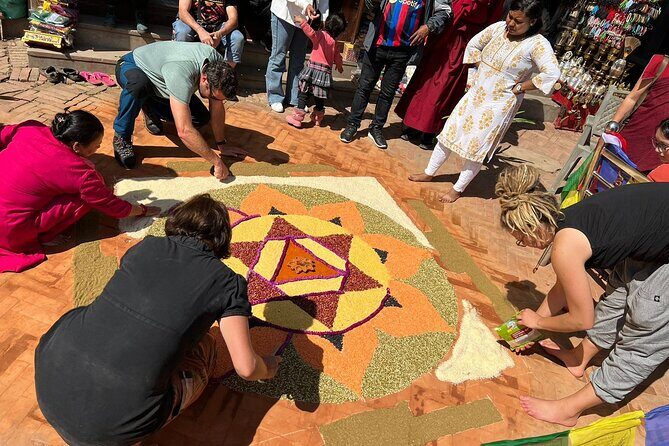
Kathmandu can feel like a blur fast—noise, traffic, street sellers, and five different religions all in the same block. What makes this tour work for a short stay is that it’s built around the main “anchors” of the Kathmandu Valley: royal squares, sacred temples, and stupas that you’ll see again and again in Nepal travel photos—only here you also get the meaning behind them.
I also like that the pacing is spread across three days instead of cramming everything into one long stomp. You’re not hiking mountains; you’re visiting places with high cultural weight, including UNESCO World Heritage-listed Boudhanath Stupa.
A few more Kathmandu tours and experiences worth a look

Thamel Pickup and Minivan Timing (So You Don’t Waste a Morning)
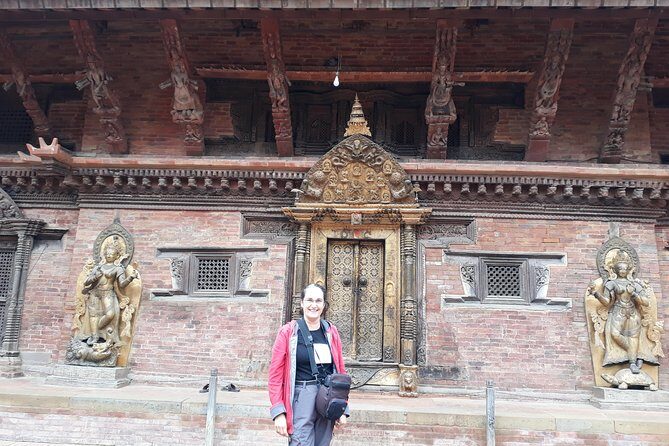
You meet in Thamel, Kathmandu 44600, with a start time of 9:15 am. That matters because Thamel is a practical base: it’s where you’ll likely be staying, and it makes the day feel organized from the first hour.
The tour includes transportation by private tourist vehicles, and the route is done by minivan. In plain terms: you avoid the mental load of hailing rides, negotiating prices, and figuring out which road leads to which gate at each site. It also helps if your days in Kathmandu are already packed with other plans like hiking prep, getting a SIM card, or dealing with jet lag.
Day 1: Kathmandu Durbar Square to Boudhanath Stupa
Day 1 is the “greatest hits” sweep of Kathmandu proper, mixing royal-era power with religious intensity. It also gives you an early sense of Kathmandu’s layered identity—Hindu temples, Buddhist stupas, and sacred river-side spaces all within the same day.
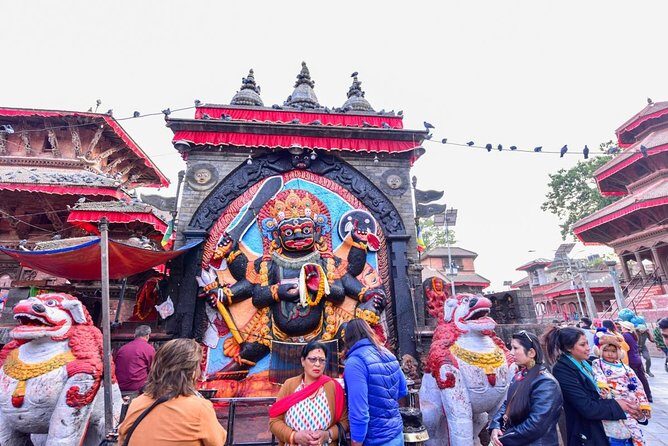
Kathmandu Durbar Square (Royal heart, museum-scale energy)
Your first stop is Kathmandu Durbar Square, a royal palace square that served as the home of Nepal’s monarchy until the 19th century. Even if you’re not a trivia lover, this site clicks because the architecture is the story: this is where major ceremonies—like coronations—used to happen.
You get about 1 hour here, and admission isn’t included. That hour is enough to walk the core lanes, get your bearings, and see why Kathmandu’s royal squares are more than pretty backdrops. They’re cultural centers that still feel alive.
Pashupatinath Temple (Shiva, river banks, and cremation grounds nearby)
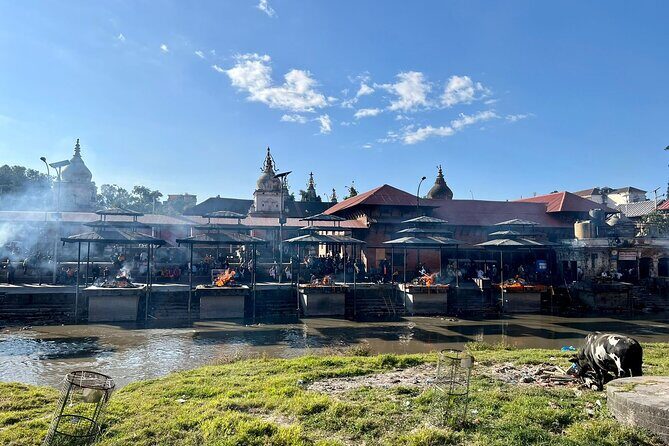
Next is Pashupatinath Temple, dedicated to Lord Shiva. It’s known for its spiritual importance and sits along the Bagmati River, in a green setting. Plan on about 2 hours at this stop, and again, admission isn’t included.
One thing to think about before you go: behind the temple areas are the cremation grounds. This isn’t a “sit back and admire” attraction—it’s a living religious practice. If you’re sensitive to that reality, you may want to stay focused on the temple architecture and river rituals rather than lingering in the most intense viewing areas.






Swayambhunath Temple (Prayer flags and the watching faces of Buddha)
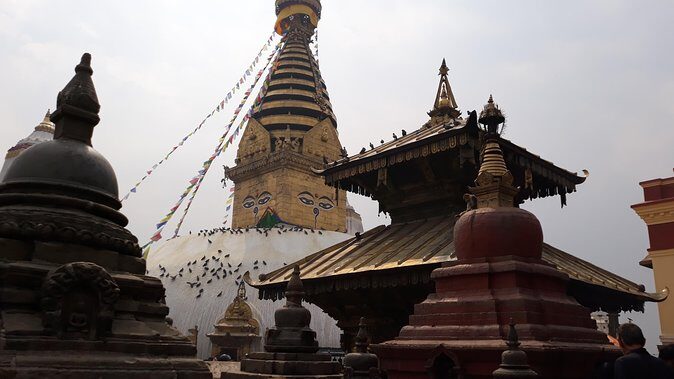
After Pashupatinath, you head to Swayambhunath, a Buddhist stupa often described as roughly 2,000 years old. You’ll see a gilded spire and whitewashed dome, plus thousands of prayer flags fluttering above. From the spire, four faces of Buddha look out in the cardinal directions.
This stop runs about 1 hour, with admission not included. What I like here is how the design tells you how people see the world: the stupa’s symbolism is part of the experience, not an afterthought. Even if you’ve only got one day in Kathmandu, Swayambhunath gives you a strong “how Kathmandu sees itself” moment.
Boudhanath Stupa (UNESCO setting and Tibetan Buddhist everyday life)
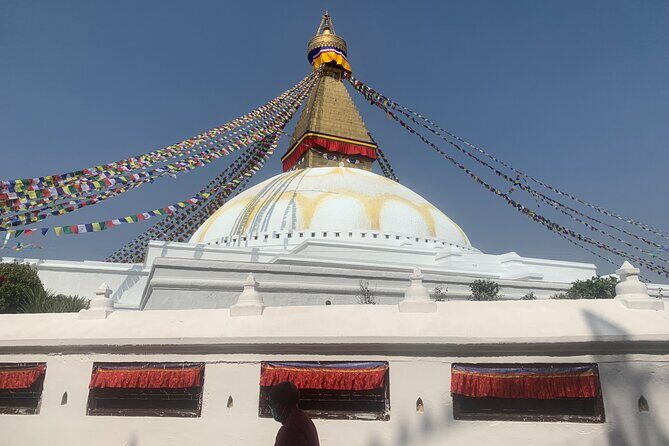
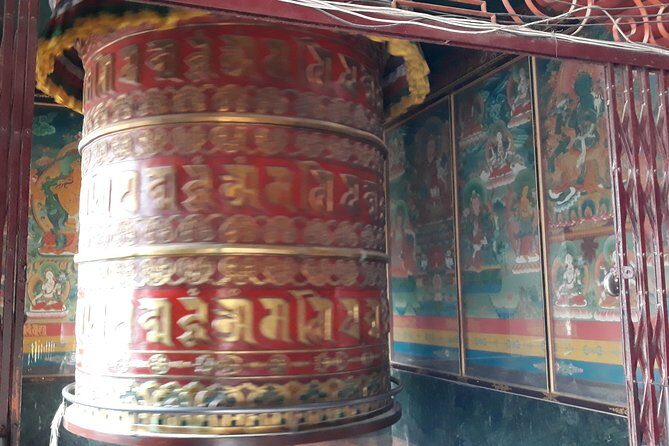
The day finishes at Boudhanath Stupa, listed by UNESCO. It’s huge, and it’s also active—many pilgrims gather daily to do a ritual circumnavigation around the dome.
You’ll spend about 2 hours here, with admission not included. I particularly like that the lanes around the stupa aren’t just for sightseeing. They’re closely tied to Tibetan Buddhist culture—monasteries and daily religious life are right in the surroundings—so it feels more like you’ve stepped into a functioning community than a staged monument.
Day 2: Bhaktapur Durbar Square and Patan Durbar Square for Medieval Detail
Day 2 shifts you outward into the Kathmandu Valley’s historic city-state feel. This is where you start noticing that each Durbar Square has its own personality—different textures, different temple shapes, different ways royal power shows up in stone.
Bhaktapur Durbar Square (55 windows and Nyatapola’s terrace tiers)
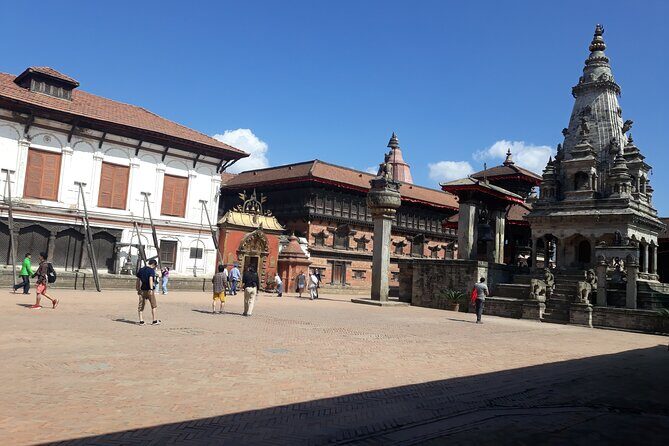
You begin at Bhaktapur Durbar Square, about 14 km east of Kathmandu city. This place was founded in the 9th century and is known for medieval art and architecture. The big appeal is that there are three major squares filled with towering temple structures, overseen by the Palace of 55 Windows built by King Bupatindra Malla.
Bhaktapur is where I’d spend extra time if I had it. Even with a short stop—listed at 3 minutes—the site is built for slow looking. You might focus your attention on the most famous structure: Nyatapola Temple, built by King Bhupatindra Malla. It’s pagoda-style and sits on five terraces, each level marked by pairs of carved figures: strong men, elephants, lions, griffins, and goddesses.
Admission isn’t included. If you want to get the most out of a quick visit, take 10 seconds before you enter key areas to decide your “must-see list,” then let that guide your route.
Patan Durbar Square (Stone Krishna and a museum of bronze)
Next up is Patan Durbar Square, another royal palace complex area that combines palaces, courtyards, and pagoda temples. It’s described as the center of Patan’s religious and social life.
Like Bhaktapur, the listed stop time is about 3 minutes, and admission isn’t included. That short window means you’ll likely do more scanning than deep reading. Still, Patan has a standout monument: a 17th-century temple dedicated to Krishna built entirely of stone.
Patan’s Durbar Square area also includes a museum with bronze statues and religious objects. If you’re a detail person, this is one of those stops where your best experience might come from what you choose to focus on—temple carvings, courtyards, or museum objects—rather than trying to see everything at once.
Day 3: Sleeping Vishnu, Kopan Monastery Calm, and Narayanhiti Palace Museum
Day 3 is a smart switch from city squares to spiritual quiet and museum history. You still get major sites, but the feel of the day changes.
Budhanilkanth Temple (Sleeping Vishnu in open air)
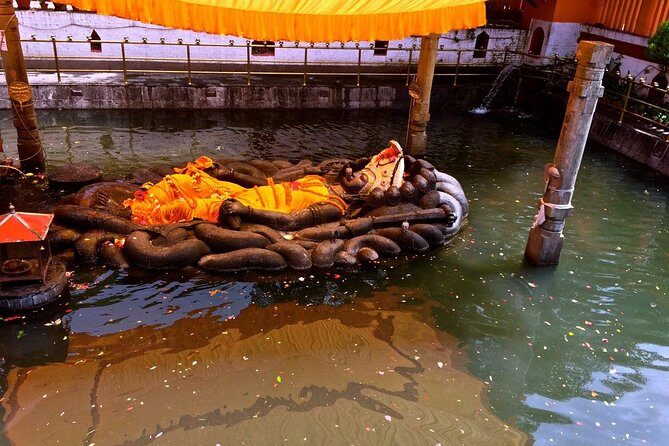
First is Budhanilkanth Temple, a Vishnu temple built around a famously carved stone statue of Sleeping Vishnu in an open setting. Admission is listed as included here, and the stop is about 1 hour.
This is a good place to catch your breath. The visual of a sleeping deity in a temple setting hits differently than a busy square. If you want a slower moment in Kathmandu, this is the one that helps.
Kopan Monastery (Meditation-focused garden calm)
Then you go to Kopan Monastery, known for a quiet garden and as a place where monks and nuns from around the world visit to meditate and practice Buddhism. Admission is included, and the stop is about 1 hour.
If you’ve spent the previous days around dense temple crowds, this part can feel like switching channels. Even without formal instructions, you’ll sense the rhythm: quieter voices, slower movement, and a setting designed for reflection.
Narayanhiti Palace Museum (Nepal’s monarchy and the 2001 tragedy)
Finally you visit Narayanhiti Palace Museum, the last palace of Nepal’s king, now turned into a museum. It’s also identified as a site connected to the Royal Massacre of 2001.
Admission isn’t included, and the stop is about 1 hour. This is the most historically heavy stop on the tour. If you’re sensitive to political violence content, you might want to take breaks during the museum section and not treat it like a quick walk-through. In my view, museum time is best handled with slower attention.
The day ends with the included farewell dinner, which helps the mood soften after a heavier final subject.
Price and What Feels Like Value at $398
At $398 per person for about 3 days, the value comes from what’s bundled rather than from the sightseeing alone. You get an English speaking licensed tour guide, transport by private tourist vehicles (minivan), and dinner. That means you’re paying for coordination and access to a coherent route.
What’s not included matters for budgeting:
- Accommodations and meals aren’t included (only dinner is).
- Monument entry fees aren’t included for most stops.
That’s why two items are important for your planning: the tour time is limited, and the sites are ticketed at different rates. Even though the tour is priced for convenience, you should assume you’ll spend extra on monument admissions during the days—except at least Budhanilkanth Temple and Kopan Monastery, where admission is listed as included.
The Real Trade-Offs: Busy Days, Sacred Places, and Short Stops
This tour is built for speed with meaning. That can be a feature, or it can frustrate you if you want long, slow wandering.
A few practical considerations:
- Some stops are listed with short durations (like 3 minutes at Bhaktapur and Patan Durbar Square). You’ll probably get a “hit the highlights” view rather than a deep, lingering exploration.
- Several stops involve sacred spaces where behavior and clothing expectations tend to be more strict than in a normal street market. Plan to be respectful and bring clothes you can wear comfortably while covered up.
- Pashupatinath includes cremation grounds nearby. Even if you don’t stay close, you’ll likely notice the reality of the setting.
If that feels like too much, consider whether you prefer a slower itinerary or fewer stops.
Who This Kathmandu Tour Suits Best
This is a strong match if you:
- Have only a few days and want to cover major Kathmandu Valley highlights without building logistics from scratch.
- Like having an English guide explain what you’re seeing, especially for sites like royal palace squares and major stupas.
- Want a small-group feel and private participation for just your group.
- Prefer to be transported by vehicle instead of managing multi-stop taxi or rickshaw routing.
It may be less ideal if you want deep time in a single museum or you hate structured schedules. Also, because many monument fees are not included, you’ll get better value if you’re comfortable handling admissions during the visit.
Should You Book This 3-Day Kathmandu Highlights Tour?
I’d book this if your priority is to see the big, defining Kathmandu Valley landmarks in a short trip, with the comfort of minivan transport and a licensed guide holding the thread between sites. The inclusion of farewell dinner is also a small but real bonus after days that can otherwise feel like nonstop logistics.
I wouldn’t book it as a first choice if you’re on a tight total budget and don’t want to pay extra for monument entries, or if you strongly dislike short, high-intensity sightseeing windows at certain Durbar Square stops. The tour does what it promises: covers Kathmandu’s headline Hindu and Buddhist sites fast, with enough explanation to make it feel more than photo stops.
FAQ
What time does the tour start, and where do I meet?
The tour starts at 9:15 am in Thamel, Kathmandu 44600, Nepal.
How long is the Kathmandu tour?
It’s listed as 3 days (approx.).
Is this tour private or shared?
This is a private tour/activity. Only your group participates.
What’s included in the price?
Included items are dinner, an English speaking licensed tour guide, and transport by private tourist vehicles.
Are monument entry fees included?
Monument entry fees are not included. Admission is listed as included for Budhanilkanth Temple and Kopan Monastery, but many other stops list admission tickets as not included.
Are accommodations included?
No. Accommodations and meals are not included (only dinner is included).
Is there an admission ticket for any sites that are included?
Yes. Budhanilkanth Temple and Kopan Monastery list admission as included. Other stops list admission as not included.
Can I cancel for a full refund?
Yes. Free cancellation is available if you cancel up to 24 hours in advance of the experience start time. If you cancel less than 24 hours before, the amount you paid will not be refunded.