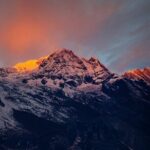
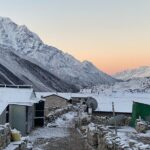
Mustang feels like another planet in the sky. You start in Kathmandu for UNESCO sites, then head toward the Last Forbidden Kingdom of Upper Mustang, with monasteries, caves, and the pilgrimage pull of Muktinath. Along the trekking corridor, you follow the Kali Gandaki river area and keep catching big views of Dhaulagiri and Annapurna.
What I like most is the practical setup: you get a professional licensed Sherpa guide and private-group attention, plus Kathmandu hotel and the early sightseeing handled for you. Second, I appreciate that the trek side is not a patchwork of add-ons, because meals, tea-house/camping lodging, and permits are included.
One real consideration: your overall budget may feel tight because drinks are not included, and lunch/dinner in Kathmandu and Pokhara are not included either. On top of that, the restricted-area permit costs can be high, and one traveler flagged that as a painful number even for a once-in-a-lifetime trip.
In This Review
- Quick Hits: What Makes This Upper Mustang Trek Different
- Kathmandu Warm-Up: UNESCO Sites and a Smooth Start
- Getting to Pokhara and the Flight to Jomsom: Time Saved, Weather Watched
- The Mountain Desert Trek: Kagbeni to the Kali Gandaki Views
- Lo Manthang: Monasteries, Caves, and the Tibetan Influence You Came For
- Jomsom and the Village Chain: Why These Stops Matter
- Muktinath Temple: The Hindu-Buddhist Pilgrimage Mix
- Permits and Practical Safety: What’s Included (and Why It Matters)
- Price and Value: Is $1,476.93 Actually Fair?
- Who This Trek Suits (and Who Should Rethink It)
- Should You Book Upper Mustang with The Great Adventure Treks?
- FAQ
- How long is the Upper Mustang trek?
- Where does the tour start?
- Is pickup offered?
- What travel is included to get to the trekking area?
- What kind of accommodation do you get during the trek?
- What permits are included?
- Does the tour include meals?
- What is not included?
- What fitness level do I need?
- What happens if the tour is canceled due to weather?
Quick Hits: What Makes This Upper Mustang Trek Different
- A route built around Tibetan-style villages like Kagbeni, Lo Manthang, Jomsom, Chhuksang, and Chele
- UNESCO Kathmandu + Mustang desert trekking in one trip, so you get variety without extra planning
- Kali Gandaki walking views with chances to spot Dhaulagiri, Nilgiri, and Annapurna from the trail side
- Real permit coverage included (ACAP, TIMS, and the restricted-area permit)
- Pokhara to Jomsom by flight to save time over the mountain roads
- Guide leadership you can trust, including named examples like Mani and Ganesh mentioned in past experiences
Kathmandu Warm-Up: UNESCO Sites and a Smooth Start
You begin in Kathmandu, and that matters. A half-day sightseeing run in the Kathmandu Valley is a smart warm-up before you trade city sounds for wind over stone. You’ll get to see UNESCO World Heritage Sites in the valley area, which gives you quick context for the culture and religion you’ll keep seeing later in Mustang—Buddhist monasteries, Hindu pilgrimage spaces, and that layered mix of faith.
I also like that your Kathmandu portion is set up as a real hotel stay: you get accommodation in a 3-star hotel in Kathmandu, and you get transport support with pickup offered. That kind of early structure helps if you’re arriving tired, dealing with jet lag, or trying to avoid the chaos of “where do I go next?” on Day 1.
Practical note: lunch and dinner in Kathmandu are not included, so build in budget for meals on your arrival days. If you’re the type who likes to try local spots without hunting for menus, it’s worth planning a few easy meal options near where you’ll be staying.
You can also read our reviews of more hiking tours in Kathmandu


Getting to Pokhara and the Flight to Jomsom: Time Saved, Weather Watched
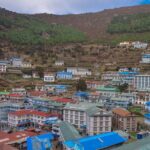
To shift gears from cities to mountains, you take a tourist bus from Kathmandu to Pokhara. It’s a straightforward way to move without juggling complicated connections, and it gives you a buffer day where you can adjust, rest, and get your head ready for trekking.
Then comes one of the biggest comfort decisions on this trip: the scenic flight from Pokhara to Jomsom. This can be a big deal because it cuts the long, bumpy slog you’d otherwise face in mountainous terrain. You’re also traveling in a way that keeps the focus on the places you came for—Upper Mustang, its villages, and the trekking corridor along the Kali Gandaki area.
The trade-off is weather. The experience requires good weather, and if travel can’t happen because of poor conditions, you’ll be offered another date or a full refund. So keep expectations flexible. If you hate waiting, this is the one moment where patience helps.
The Mountain Desert Trek: Kagbeni to the Kali Gandaki Views
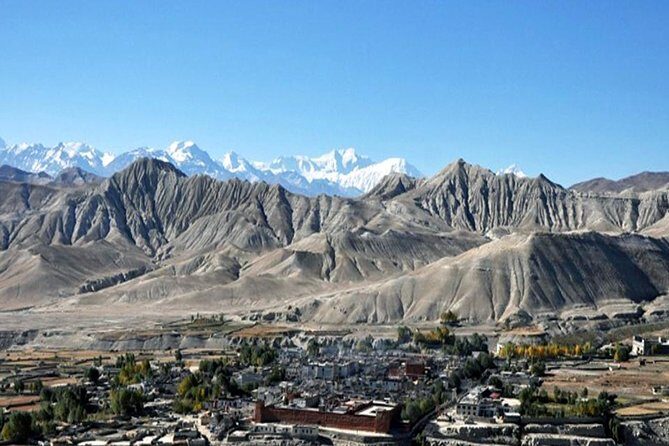
Upper Mustang is often described as the Last Forbidden Kingdom, and that label doesn’t just sound dramatic. The area lies in a rain shadow behind the Dhaulagiri and Annapurna ranges, which helps explain why it can look like a mountain desert. Think eroded cliffs, deep canyons, barren stretches, and valleys where every color change in the rock seems like it’s been lit on purpose.
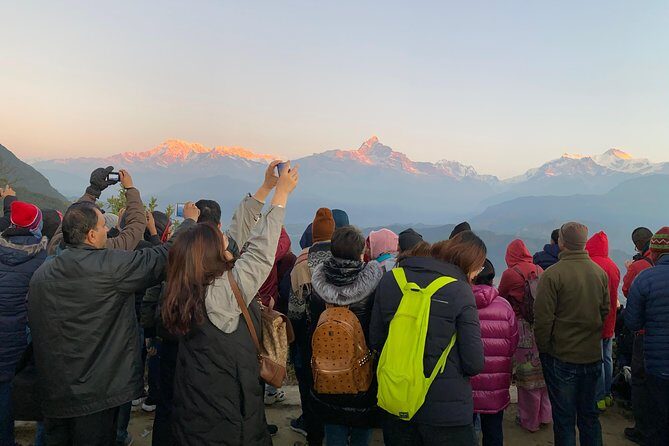
During the trek, you pass through villages such as Kagbeni, Chhuksang, and Chele, and you keep returning to that river corridor feel as you walk along the side of the Kali Gandaki area. This is where the views become part of the story, not just a photo stop. From the walking route you’ll get striking sightlines of Mt. Dhaulagiri, Mt. Nilgiri, and Mt. Annapurna—especially on days with clear skies.
What I like here for you: the trekking description is specific about what you’ll see beyond “mountains in general.” It talks about desert-like terrain, deep canyons, waterfalls, and eroded cliffs. That means you’re not just buying a walk; you’re buying a character of scenery that’s tied to Upper Mustang’s geography.
A quick reality check: tea-house/camping lodging during the trek is included, but the style can vary day by day. If you’re picky about hot showers or want hotel-like comfort every night, you’ll need to adjust your expectations before you go.
Lo Manthang: Monasteries, Caves, and the Tibetan Influence You Came For
Lo Manthang is the heart of many Mustang dreams, and this trip places you there. Upper Mustang is known for strong Tibetan influence—culture, lifestyle, and religious sites—and once you’re in this zone, that influence isn’t abstract. It’s visible in the way villages are arranged, the feel of everyday life, and the way spirituality shows up in the landscape.
In addition to Lo Manthang itself, you’ll visit monasteries and the caves of Upper Mustang. This is where you’ll feel the difference between a normal trekking circuit and a restricted, culturally concentrated experience. Monasteries are about living practice, not just buildings. Caves add a different mood entirely—quiet, old, and shaped by centuries of devotional use.
If you care about doing this responsibly, here’s what I’d focus on: follow your licensed guide closely and take cues from how your route connects places of worship. You’re in a highly regulated area with restricted access, so staying on route and respecting local rules isn’t optional—it’s part of the experience.
You’ll also get the sense that this isn’t just about walking to a destination. It’s about moving through a remote region where the environment and culture reinforce each other. The “why” behind the barren desert geography becomes visible as you go.
Jomsom and the Village Chain: Why These Stops Matter
This trek isn’t a single straight line. You’ll connect multiple villages—Jomsom, Kagbeni, Lo Manthang, Chhuksang, and Chele—and that matters because each place gives a slightly different slice of the region’s character.
For example, Jomsom acts like a transition point in the wider Mustang journey. Kagbeni is often the first time you feel the desert-like setting more sharply. Chhuksang and Chele help show how the terrain breaks up and how communities adapt along the corridor.
Even if your days feel similar on paper—walk, rest, eat, sleep—the village-to-village rhythm gives you a stronger sense of movement than a single big highlight. It also helps you avoid that problem where you arrive at your “main site” and realize you spent the week just repeating the same kind of scenery.
If you love culture more than summit photos, this structure is a plus. You’re not only chasing altitude and views. You’re also reading the region through villages and religious stops.






Muktinath Temple: The Hindu-Buddhist Pilgrimage Mix
One of the most interesting elements of this itinerary is Muktinath Temple, described as important to both Hindu and Buddhist pilgrimage. That overlap is one of the reasons Mustang stands out in the first place: faith isn’t compartmentalized. It’s lived.
Muktinath is a place you visit with a different mindset than you use for sightseeing in big cities. Instead of looking for monuments, you’re watching devotion. That means your visit feels calmer, slower, and more about shared rituals than about stamps and tickets.
From a practical standpoint, you should expect days with religious sites to influence timing. If your walking schedule is tight, give yourself room for prayer moments and the way people move through the space. A good guide helps you understand what’s happening and where to stand.
Permits and Practical Safety: What’s Included (and Why It Matters)
This trip lists a tidy set of permits and systems, and that’s a major part of its value for you. You’re covered for:
- ACAP (Annapurna Conservation Area Permit)
- TIMS (Trekkers Information Management system card)
- Restricted Area Permit
Why this matters: in a restricted region like Upper Mustang, paperwork is not a side detail. It’s what keeps your route legal and keeps access organized. Having these handled ahead of time saves you from the stress of trying to secure the right documents while you’re already in the country.
On top of permits, you get a professional Sherpa Guide with government license. You also have insurance for guide and porter, plus rescue assistance in case of emergency tied to your travel insurance coverage. That doesn’t mean you should ignore safety habits (altitude, hydration, weather), but it does mean the trip has a proper support backbone.
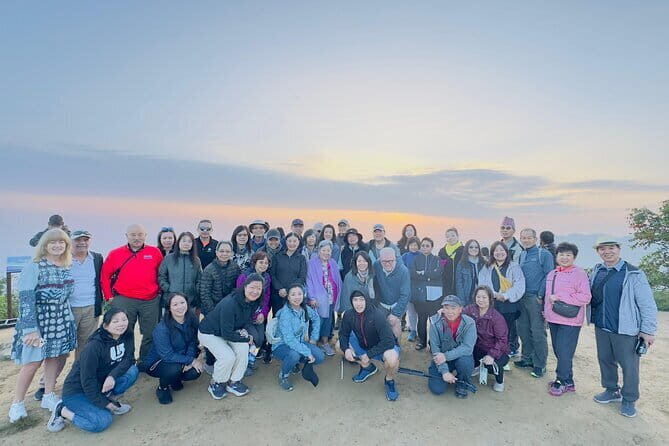
And because it’s a private experience, only your group participates. That usually makes it easier to keep a steady pace that fits your fitness and comfort level.
Price and Value: Is $1,476.93 Actually Fair?
At $1,476.93 per person (for the trip described), you’re paying for a combination of logistics, regulation compliance, and consistent on-the-ground support. This price isn’t just for “walking in cool places.”
Here’s where the value comes from:
- Kathmandu is not just a quick stop; you get a 3-star hotel and half-day sightseeing
- You get transport from Kathmandu to Pokhara by tourist bus
- You get Pokhara to Jomsom by flight, which is time-saving and usually expensive if booked separately
- Trek days include accommodation (tea house/camping) and breakfast, lunch, dinner
- Permits are included (ACAP, TIMS, and restricted-area permit)
- You have a licensed guide and support staffing, plus taxes are handled
What can make the price feel less “complete”: drinks are not included, and lunch/dinner in Kathmandu and Pokhara are not included either. Also, one traveler specifically called out that permit fees can feel high.
My advice: if you compare this cost to a DIY plan, remember you’d still need guides, permits, and a way to manage logistics across remote checkpoints. For a lot of people, that hidden work is the real cost.
Who This Trek Suits (and Who Should Rethink It)
This Upper Mustang trek is listed as suitable for moderate physical fitness. That’s useful guidance, but it still leaves room for differences in comfort. If you want a trip where scenery and culture are the main draw—and you’re okay with a remote rhythm and simpler lodging—this should fit you well.
You’ll likely love this if you:
- Want the Tibetan-influenced culture and religious sites of Upper Mustang
- Care about genuine desert terrain and canyon walking along the Kali Gandaki corridor
- Prefer a structured plan with permits already handled
You might rethink it if you:
- Hate weather uncertainty around flights
- Need drinks included in the package
- Get stressed by the idea of tea-house/camping lodging
Should You Book Upper Mustang with The Great Adventure Treks?
If your dream includes Lo Manthang, monasteries and caves, and the Hindu-Buddhist draw of Muktinath, this kind of fully managed plan is a strong match. I like that you’re not forced to stitch together permits, flights, and meals at the last minute. You also get a licensed Sherpa guide, and the private-group setup usually makes the experience feel more tuned to your pace.
My main caution is money planning: budget for drinks and the meals not included in Kathmandu and Pokhara, and be aware that restricted-area access can be expensive. If you go in with eyes open, you’ll get exactly what you came for—an unusual part of Nepal where the geography and the culture feel tightly connected.
If you want a practical gut-check, ask your guide team who will be leading you and confirm the pace approach. People like Mani and Ganesh have been highlighted for professional organization and route knowledge, and it’s a good sign when the leadership takes the details seriously.
FAQ
How long is the Upper Mustang trek?
The duration is listed as 17 days approximately.
Where does the tour start?
It starts in Kathmandu, Nepal, with a start time of 9:15 am.
Is pickup offered?
Yes, pickup is offered.
What travel is included to get to the trekking area?
Kathmandu to Pokhara is included by tourist bus, and Pokhara to Jomsom is included by flight.
What kind of accommodation do you get during the trek?
Accommodation during the trek is included as tea house or camping.
What permits are included?
The trip includes ACAP (Annapurna Conservation Area Permit), TIMS, and a Restricted Area Permit.
Does the tour include meals?
Yes. Breakfast, lunch, and dinner are included during the trekking portion.
What is not included?
Lunch and dinner in Kathmandu and Pokhara are not included, and drinks of any kind are not included. Monument fees, personal expenses, and tips are also not included.
What fitness level do I need?
The tour states you should have a moderate physical fitness level.
What happens if the tour is canceled due to weather?
If it’s canceled due to poor weather, you’ll be offered a different date or a full refund.