REVIEW · KATHMANDU
Everest Base Camp Trek
Book on Viator →Operated by Adventure Glacier Treks & Expedition · Bookable on Viator
Everest fever starts long before the trail. This Everest Base Camp trek funnels you through the classic Everest region, with a big, visual hit of Ama Dablam and a key stop at Namche Bazaar where acclimatization matters most. You also get the kind of structure that helps when the days get long and the altitude gets serious.
I like two things most: the trip’s logistics are mostly handled up front, including domestic flight and airport transfers, plus your permits and entrance fees. I also like the people factor—guides like Sau Bir Rai, Roshan, Dipak, Dil, and Arjun are described as experienced, organized, and attentive, which is exactly what you want on a high-stakes trek.
The main drawback to plan for is cost creep: accommodation and food for you, beverages, tips, and your personal insurance are not included. And because this trek demands strong fitness, you’ll need to show up ready for sustained uphill days.
In This Review
- Key highlights to know before you go
- From Kathmandu to the Khumbu: how this trek package is set up
- Ama Dablam and why seeing it early changes your mindset
- Namche Bazaar: the gateway where acclimatization becomes real
- Trekking toward Everest Base Camp: what you’re really buying
- Guides and care: the human details that affect everything
- Price and logistics: is $990 really value for Everest Base Camp?
- Fitness, pacing, and what to prepare for before you land
- So should you book this Everest Base Camp trek?
- FAQ
- How long is the Everest Base Camp trek?
- Where does the trek start and where does it end?
- What is included in the price?
- What is not included?
- Is this a private tour?
- How fit do I need to be?
- Do I get confirmation after booking?
- What’s the cancellation policy?
Key highlights to know before you go
- Domestic flight + airport transfers to reduce day-to-day scramble in Kathmandu
- Permits and entrance fees included so you’re not hunting paperwork at altitude
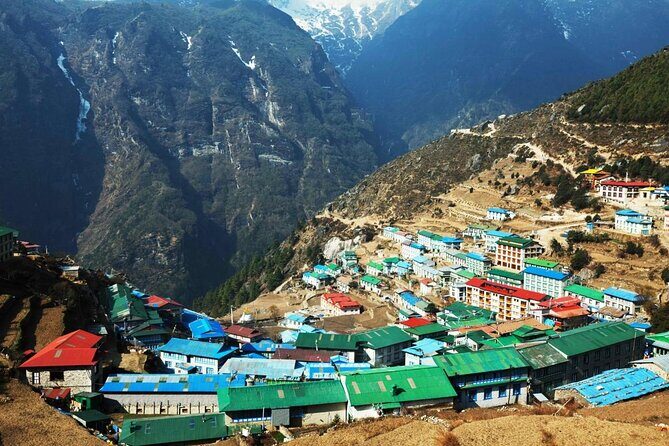
- Namche Bazaar as the acclimatization stop at the gateway to Everest Base Camp
- Ama Dablam focus for early, unforgettable mountain scale and character
- Private group format so your guide can shape the pace to your needs
- Planning support from guides like Roshan and Dil when the season is busy
From Kathmandu to the Khumbu: how this trek package is set up
This tour starts where most Everest plans start: in Kathmandu, with the meeting point at Adventure Treks Nepal P. Ltd., Thamel Marg. From there, the big time-saver is the included domestic flight and airport transfers on both arrival and departure. In practice, that means less wasted time and fewer moving parts before you’re even on the trekking rhythm.
It’s also a private tour/activity, meaning only your group participates. On a trek like Everest Base Camp, that matters. You’re not stuck with a random pace you didn’t choose, and you’re more likely to get practical help from your guide—especially around altitude days, rest timing, and decision-making when conditions change.
The package includes a lot of the “you just want this handled” items: necessary permits/entrance fees, the guide salary, and even the guide’s food, equipment, and insurances connected to the trip. You’re not just buying a route—you’re buying a trained professional presence to manage those high-altitude variables.
What’s not included is where you’ll feel the difference in budgeting. Your international flight and Nepal visa fee are separate. During the trek, accommodation and food for you are also not included, plus beverages, tips, and your personal insurance. In other words: you’re covered for core logistics and guiding, but you still need to pay for your day-to-day living costs on the route.
You can also read our reviews of more hiking tours in Kathmandu


Ama Dablam and why seeing it early changes your mindset
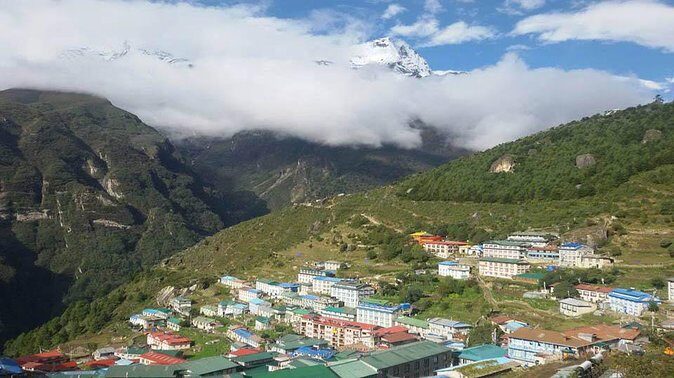
The trek’s early highlight is Ama Dablam, nicknamed mother’s necklace. Even if you’re not chasing technical climbing, this peak is famous for its striking shape and its prominent position in the Khumbu Valley. For most people, that first real look does something important: it turns Everest-region hiking from a checkbox into a physical reality.
Ama Dablam also signals what kind of mountain country you’re entering. This is not “pretty hills and easy strolls.” The Everest region is steep, exposed, and weather-sensitive. Ama Dablam gets you oriented to the fact that you’ll be walking in an environment where the mountains are the main characters, not the background.
One practical note: if your body is still waking up to altitude, mountain views can be misleading. Looking at big peaks feels motivating, but it doesn’t replace pacing. You’ll still want to keep your effort controlled, drink water regularly, and let your breathing settle before you spend too much energy.
Namche Bazaar: the gateway where acclimatization becomes real
Namche Bazaar is more than a checkpoint. It’s described as the gateway to the Everest Base Camp route and the place many trekkers pause for the most important step in high-altitude trekking: acclimatization.
This stop is valuable because it’s where your body starts negotiating with altitude. Even if you’re fit, the climb to Everest isn’t just about strength—it’s about how well you adapt. Namche is the moment when you shift from “I can hike” to “I can hike at altitude.”
From the way guiding is described, you’ll likely get hands-on support here. In busy-season situations, guides such as Roshan are credited with organizing accommodation, food, and transport efficiently even when demand is high. That practical management matters during acclimatization days, because stress is the last thing you want while your body is adjusting.
A big consideration: acclimatization works only if you treat the day with respect. That means taking it slow, following your guide’s pacing advice, and not trying to “make up time” just because you feel okay. If your plan includes a structured stop here, it’s usually for a reason—altitude doesn’t care how motivated you are.
Trekking toward Everest Base Camp: what you’re really buying
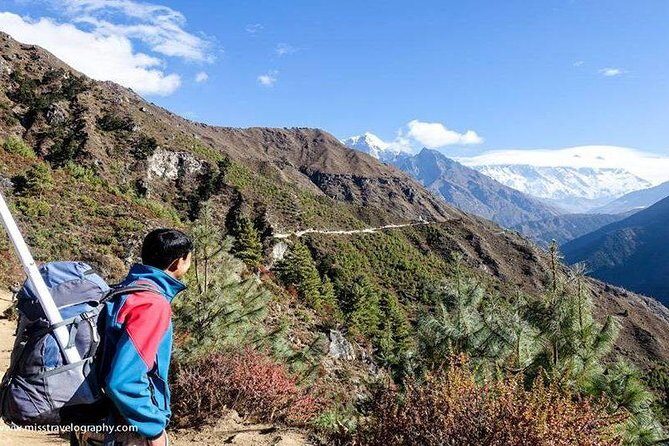
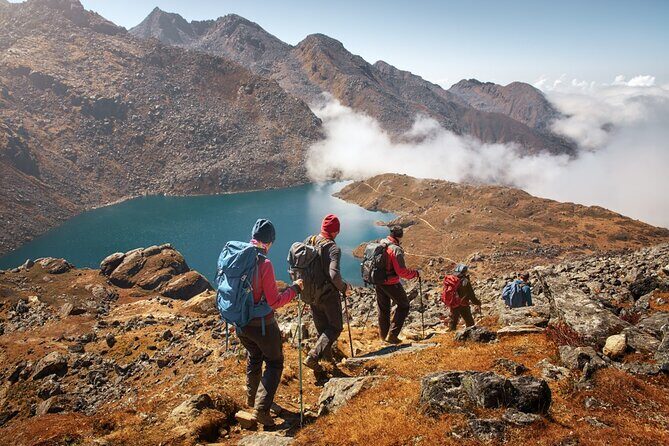
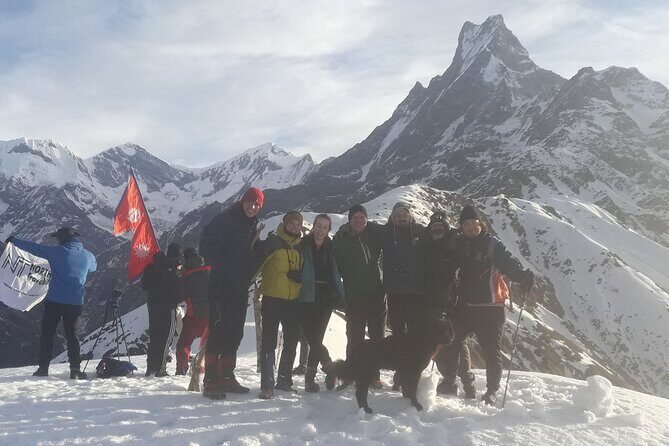
The heart of the experience is the trek to Everest Base Camp, with spectacular vistas of Everest and other major peaks. The route is also tied to the idea that this is a gathering place for trekkers and mountaineers from around the world—where their Everest journeys begin.
That matters for your expectations. This isn’t just about the final stamp at Base Camp. It’s about the slow build: more air changes, more mountain views tightening around you, and more moments when the scale sinks in. You’re walking through a place that’s visually loud and emotionally memorable, and the sense of a global “Everest moment” adds energy when you’re tired.
The practical tradeoff is time and stamina. This trek is listed as 12 days (approx.), which means you’ll be living with daily exertion for nearly two weeks. You’ll want a strong fitness baseline before you go. The tour also explicitly notes that travelers should have strong physical fitness—not just “I hike sometimes,” but the ability to keep moving on steep terrain for long stretches.
Also, because the package doesn’t include your personal insurance and your on-route accommodation and food, you should plan your daily logistics and budget early. The better organized you are, the more you can focus on the only job that matters: moving safely uphill, day after day.
Guides and care: the human details that affect everything
On an Everest trek, the guide is your safety net and your translator between your plan and the mountains. The most praised elements in the guiding style are consistent across named guides.
- Sau Bir Rai is described as very experienced, and the result is that complex parts of the trek felt manageable.
- Roshan is praised for being incredible at coordinating accommodation, food, and transport, even during busy season.
- Dipak is noted for being friendly and attentive, plus the ability to adapt the plan during a combined EBC + Gokyo style trip.
- Dil is credited with strong support during the planning stage, helping people feel prepared.
- Arjun is described as providing careful attention, including support through a medical situation with varying family needs.
Even if you don’t know your guide’s name ahead of time, the patterns are useful for you as a buyer. You want a guide who communicates clearly before you commit to decisions on route, and who can adjust when conditions shift. You also want someone who handles logistics without making you chase details.
One detail you can count on from the tour design: guide salary, guide food, equipment, and insurances are included. That doesn’t remove the need for your own insurance, but it does suggest the company is paying to keep the guide system covered and functioning.





Price and logistics: is $990 really value for Everest Base Camp?
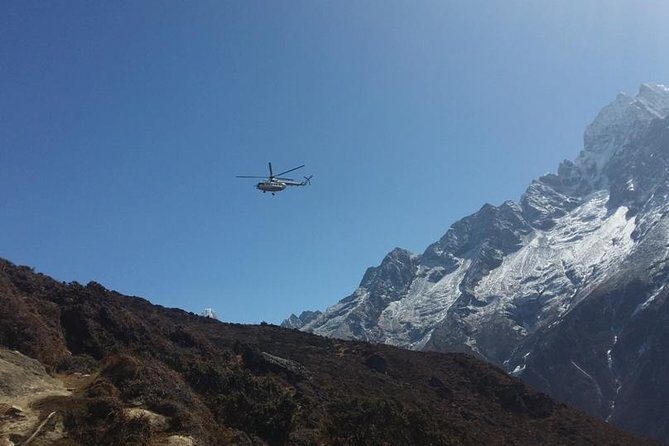
At $990 per person for a trek around 12 days, you’re not paying for “just a walking route.” You’re paying for several expensive, time-sensitive components being organized for you.
Included items that drive value:
- Domestic flight
- Airport transfer services (arrival/departure, including domestic flight timing)
- Necessary permits/entrance fees
- Guide salary + guide food + guide equipment
- Guide insurance included in the trip cost
Not included items that can matter a lot:
- Your international flight and Nepal visa fee
- Your accommodation and food during the trek
- Beverages
- Tips (expected)
- Your personal insurance
- Personal/nature expenses
So here’s the honest way to look at it: the $990 covers the backbone of the operation and the professional guidance. Your total cost will still depend on what you choose for lodging and meals while trekking, plus your personal spending. If you’re the kind of traveler who likes to manage comfort and meal choices yourself, that’s fine—you just need to budget for it.
Also consider the private-tour element. Private guiding typically costs more than shared group setups, but it can reduce friction. With altitude travel, reduced friction can be worth real money, because it lowers decision stress.
Fitness, pacing, and what to prepare for before you land
The tour is blunt about one thing: you should have strong physical fitness. Everest Base Camp isn’t a short hike you can “figure out later.” It’s sustained effort, day after day, at elevation.
What I recommend you do before you go:
- Train for long walks with a steady pace and some hills or stairs.
- Practice hiking with layers so you can handle big temperature swings.
- Build a routine for hydration and regular eating, so you don’t wait until you feel bad.
- Plan your sleep expectations. Even with good accommodation, altitude affects rest.
Packing specifics aren’t provided in the tour details you shared, so I can’t promise what you’ll need beyond general high-altitude wisdom. Use the tour company’s guidance once you book, and ask what they expect you to bring personally versus what your guide may handle for the group.
And one more practical tip: bring patience. If your acclimatization day feels slow, that’s not failure—that’s the system doing its job.
So should you book this Everest Base Camp trek?
I’d tell you to book this option if you want:
- A structured plan with key pieces handled: domestic flight, permits, and transfers
- A private group setup where pacing can match your needs
- A guide team with a track record of organization, attentiveness, and adaptation (seen through named guides like Sau Bir Rai, Roshan, Dipak, Dil, and Arjun)
- The classic Everest Base Camp experience focused on Everest-area mountain views and the gateway experience through Namche Bazaar
I’d think twice if:
- You’re not ready to pay extra for your own accommodation, meals, beverages, tips, and personal insurance
- You don’t have the fitness base for a multi-day high-altitude trek
If you’re comfortable with those tradeoffs, this package looks like a solid value: you’re paying for the pieces that keep Everest trekking from turning into logistical chaos.
FAQ
How long is the Everest Base Camp trek?
It’s listed as 12 days (approx.).
Where does the trek start and where does it end?
The start meeting point is Adventure Treks Nepal P. Ltd., Thamel Marg, Kathmandu 44600, Nepal, and it ends back at the meeting point.
What is included in the price?
Included items are domestic flight, necessary permits/entrance fees, guide salary, guide food, guide equipment, insurances (including on trip cost), and airport transfer services including arrival/departure with the domestic flight.
What is not included?
Not included are beverages, tips, your insurance, personal/nature expenses, international flight tickets, Nepal visa fee, plus accommodation and food of the guest.
Is this a private tour?
Yes. It’s a private tour/activity, and only your group will participate.
How fit do I need to be?
The tour states you should have a strong physical fitness level.
Do I get confirmation after booking?
Yes. Confirmation will be received at the time of booking.
What’s the cancellation policy?
Cancellation is free. You can cancel up to 24 hours in advance for a full refund. If you cancel less than 24 hours before the experience starts, there’s no refund.