REVIEW · KATHMANDU
14 Days Luxury Annapurna Base Camp Trek
Book on Viator →Operated by Welcome Nepal Treks P.ltd · Bookable on Viator
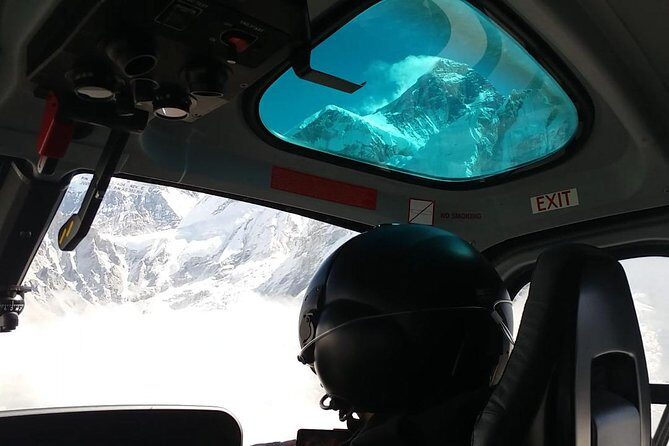
A mountain trek that still feels easy on the calendar. This 14-day luxury Annapurna Base Camp trip pairs high-altitude days with five-star comfort in Kathmandu and Pokhara, plus standout sunrise scenery. I especially liked the planned moments for big views, like Poon Hill sunrise, and the fact that you’re not doing this alone with a guide and porters.
My other favorite part is how the journey is set up for comfort without losing the real trekking feeling—deluxe city hotels before and after, then lodge/teahouse stays on the trail. The one thing to think about is that this is still a serious altitude trek, and the route includes areas where you may feel oxygen shortage, so you’ll want to pace yourself.
In This Review
- Key highlights to look forward to
- Luxury Annapurna Base Camp: how this trip changes the feel of trekking
- Price and value: what $2,666.67 includes (and why it can be worth it)
- Kathmandu to Pokhara: a five-star reset before your first uphill day
- Days 3–6: Dhampus, Landruk, Chhomrong, and the Modi River rhythm
- Days 7–10: Deurali solitude, Annapurna Base Camp, and Machhapuchhare sunrise
- Days 11–13: UNESCO-listed Ghandruk and the descent back to Pokhara
- What “luxury” means on the trail: lodges, meals, and comfort you can rely on
- Sunrise missions: Poon Hill and Machhapuchhare Base Camp
- Who should choose this trek (and who should think twice)
- Should you book the 14-Day Luxury Annapurna Base Camp Trek?
- FAQ
- Is the Annapurna Base Camp trek private?
- What time does the tour start in Kathmandu?
- Are meals included during the trek?
- What about accommodation—are hotels included?
- Do I need to bring my own sleeping bag and down jacket?
- Are airport transfers included?
Key highlights to look forward to
- Poon Hill sunrise views as a planned highlight for early-morning mountain light
- Annapurna Base Camp proximity plus close-up scenery around waterfalls and peaks
- Machhapuchhare Base Camp sunrise for another early “wow” moment
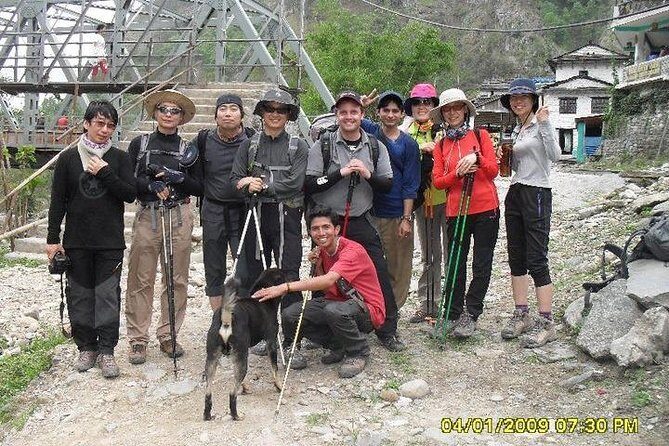
- Guide + porter support (1 porter for 2 people) so you carry less and move smarter
- Ghandruk (UNESCO-listed Gurung village) with a cultural show option in the evening
Luxury Annapurna Base Camp: how this trip changes the feel of trekking
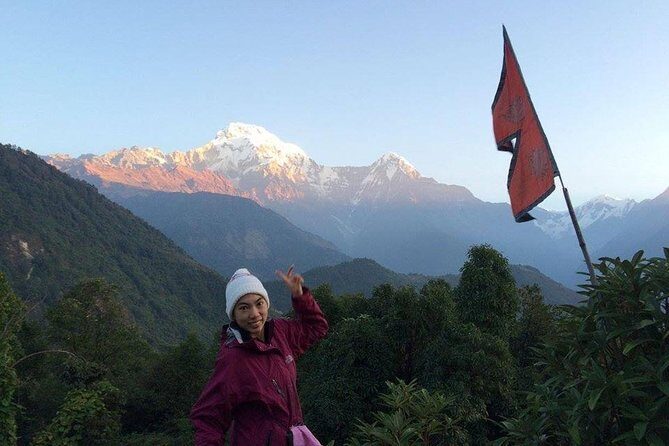
Annapurna Base Camp has a reputation for being life-changing. This version keeps the same goal—getting you to the heart of the Annapurna scenery—but it’s built with more comfort in mind. You get five-star hotel time in Kathmandu and Pokhara, then the trail shifts into lodge living where you can still eat well and sleep close to the mountains.
What I like is that the “luxury” isn’t marketing fluff. It shows up where it matters most: real beds at the start and end, a helpful guide on the trekking days, and logistics handled through airport pickups, ground transport, and the permits paperwork. You’re still doing uphill walking, but the trip feels less chaotic.
You’ll also get mountain variety in your itinerary. You pass through villages like Chhomrong and Ghandruk, cross river sections and a suspension bridge, and reach the high point where Annapurna’s area feels close and dramatic. Add sunrise moments (Poon Hill and Machhapuchhare Base Camp), and the whole trip has more “big scene” days than a standard trek.
A few more Kathmandu tours and experiences worth a look

Price and value: what $2,666.67 includes (and why it can be worth it)
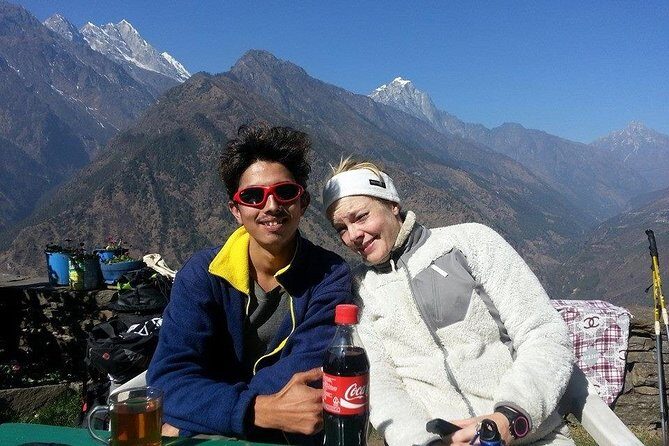
At $2,666.67 per person for roughly 14 days, this isn’t a bargain-basement trek. The value comes from how much is bundled for you. You’re not just buying walking days—you’re paying for a staffed, supported experience with city hotels, food during the trek, transport between key places, and the permits.
Here’s where the money tends to land:
- Airport transfers by private car/van/bus, plus private vehicle transport for Kathmandu–Pokhara and back (with the option of flight time)
- Deluxe five-star accommodation in Kathmandu and Pokhara on both arrival and after trekking
- Standard meals during the trek (breakfast, lunch, dinner on the trekking days listed in the schedule)
- All necessary paper work and conservation entry permits
- Guide and porters (with a 1 porter for 2 people ratio), including salary, food, drinks, accommodation, transportation, and insurance for them
- Duffel bag if you need one, and support for conservation/official charges and taxes
Meanwhile, your own spending stays mostly personal. Major meals in cities aren’t included, and personal expenses like water, tea/coffee, snacks, and shower fall on you. Also, you’re expected to bring your own trek gear basics like your sleeping bag and down jacket, since they’re not included.
So the fair way to think about the price is this: you’re paying to reduce friction. If you’d rather focus on altitude, views, and pacing—and not on logistics—this price structure makes sense.
Kathmandu to Pokhara: a five-star reset before your first uphill day
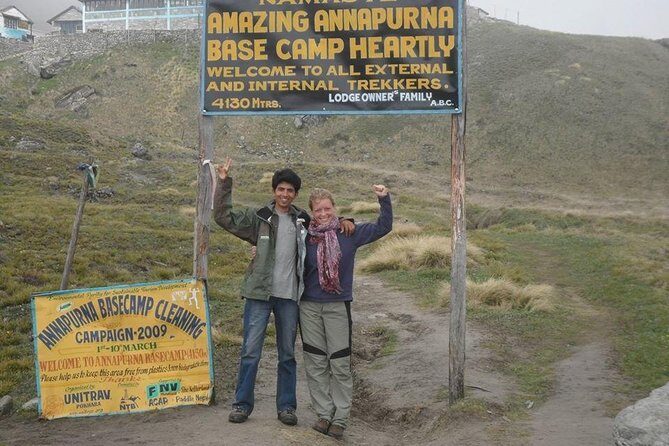
You start in Kathmandu with a representative meeting you and transferring you to a hotel. After a short trekking briefing, you get your first night in a five-star hotel. This matters more than it sounds. With trekking, the first day can feel like a blur—getting organized on day one helps you start your walking days calm and prepared.
The next day you move to Pokhara, either by car (about 7 hours) or by a short flight (about 30 minutes). You’ll spend the night at a five-star hotel at Lakeside. I like this setup because Pokhara gives you a softer landing after Kathmandu’s energy, and it keeps the trek from starting straight from a long travel day.
If you want the best odds of enjoying days 3 onward, use this time to set your routine. Eat normally, hydrate, and keep your packing simple. The trek begins with a drive to Phedi, so you’ll be glad you already got your basics organized.
Days 3–6: Dhampus, Landruk, Chhomrong, and the Modi River rhythm
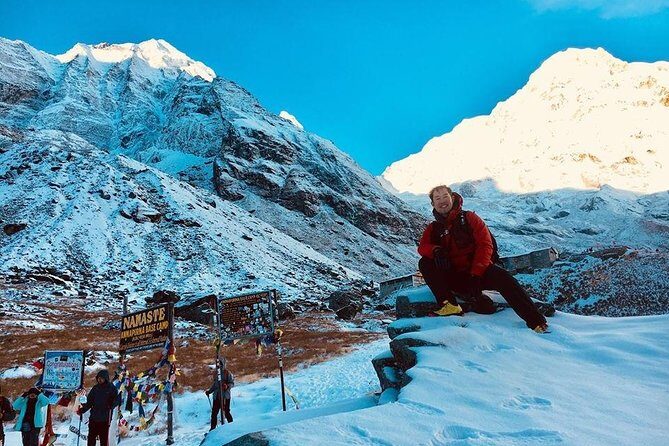
Day 3 begins the trekking with a drive to Phedi. From there, you walk to Dhampus (1,600 m.) over about six hours and stay in a teahouse. Dhampus is a useful first trekking day because it’s challenging enough to get you moving, but it’s not a sudden, jump-to-the-top kind of start.
Day 4 runs you from Dhampus toward Deurali (2,100 m.), then down into Landruk. The route includes rain forest sections and a long downhill leg, with about five hours of walking described. I like this day because it gives you contrast—up through altitude, then into greener forest tones—so the scenery keeps refreshing your attention.
Day 5 brings you to one of the trekking camera favorites: Chhomrong. You head down toward the Modi River, follow the river banks through villages and forests, then climb again after Jhinu Danda. Chhomrong is framed in your schedule as a top spot for mountain views, including Annapurna south, Hiuchuli, and Fishtail, plus that classic rural village feel.
Day 6 is where the valley story really starts to feel “Annapurna.” You descend to a suspension bridge over the Chomro Khola, then climb steeply at first. You pass through places like Tilche, Bhanuwa, and Sherpa Lodge, then reach a network of scattered lodges such as Sinuwa. There’s a built-in stop where you can admire the view back down the Modi Khola and see Mt. Fishtail more clearly. If your trek happens during April, the rhododendron forest section gets a reputation for color, and your route explicitly points that out.
One practical note: these early days are not the “highest altitude” yet, but they’re the foundation. If you walk steadily and don’t burn matches, you’ll feel better later when the air thins.
Days 7–10: Deurali solitude, Annapurna Base Camp, and Machhapuchhare sunrise
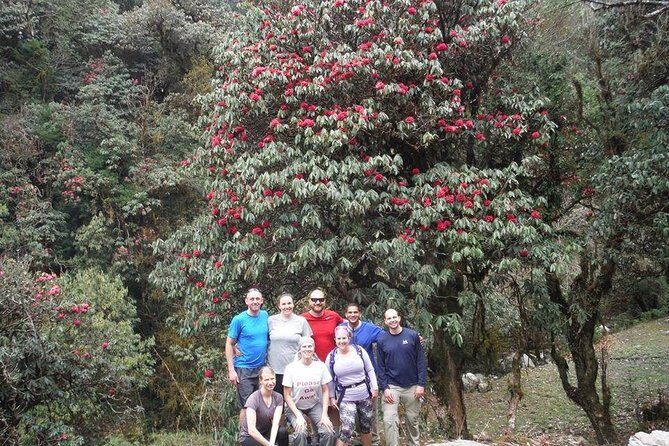
Day 7 is described as unusually quiet. The trail through this section avoids permanent settlement, and the schedule emphasizes a wilderness feeling. The guide advice you’re given here is simple: walk without making noise, and you may get chances to spot wildlife such as wild pig, deer, and even snow leopard. I can’t promise sightings, but the mindset is right—quiet movement increases your odds and also makes the experience feel more like being in the wild, not on a conveyor belt.
You stay at a local lodge near Deurali after about four hours from Dovan. This is the kind of night where you’ll probably fall asleep fast. Higher elevations can mess with your sleep rhythm, even before you’re at the absolute peak trekking zone.
Day 8 is the big milestone: Annapurna Base Camp. The route is in a high-altitude area, and you’re explicitly advised to walk slowly because of possible oxygen shortage. Your schedule also points out that you’ll enjoy waterfalls and close mountain views once you’re in the Base Camp area.
Day 9 continues the sunrise theme. You wake up early and trek to Machhapuchhare Base Camp to see sunrise and mountain views. After breakfast, you return to Dovan and stay at a local teahouse. This is a great design for your body and your brain: day 8 gives you the main arrival, and day 9 gives you a second viewpoint moment without having to “start over” from scratch.
Day 10 shifts back toward familiar terrain, with a trek to Chhomrong and another teahouse night. It’s a satisfying reset day because you’re moving through valleys you recognize, and the mental strain of reaching the high point is already behind you.
You can also read our reviews of more hiking tours in Kathmandu



Days 11–13: UNESCO-listed Ghandruk and the descent back to Pokhara
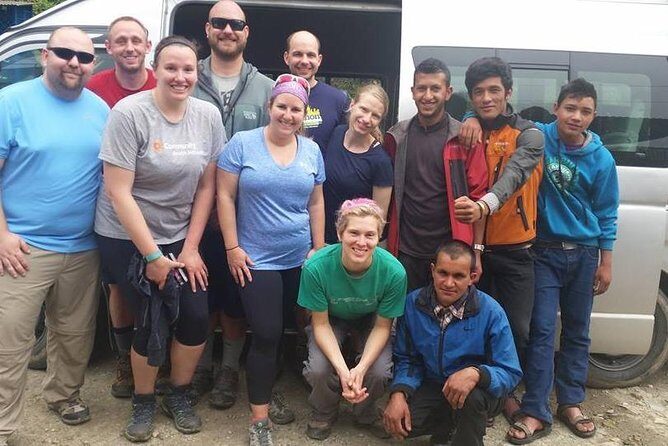
Day 11 is a cultural highlight, not just a walking one. You head from Chhomrong toward Ghandruk, crossing the Kimrung Khola and gradually going up. When you arrive, you’re in a famous Gurung village that’s listed on UNESCO’s World Heritage Site. Your itinerary also includes the option for a cultural show in the evening on request.
This is one of the reasons I like this trek’s rhythm. You’re not only chasing peaks. You also get a chance to experience how people live in the Annapurna foothills, and Ghandruk is positioned as a key stop for that.
Day 12 brings you down toward Nayapul through paddy fields and local settlements. After a walk, you reach Nayapul and drive to Pokhara, then overnight at a five-star hotel. For most trekkers, that first proper shower (even if it’s personal expense) and a real bed feels like the best souvenir money can’t buy.
Day 13 sends you back to Kathmandu by drive or flight, with another five-star overnight. That matters because it gives you time to recover after the long walk and before your final day.
What “luxury” means on the trail: lodges, meals, and comfort you can rely on
This trip is built around a clear comfort pattern: city comfort is premium, while trail comfort is “good enough to keep you moving.” During the trek, you’ll have standard meals (breakfast, lunch, dinner) on the included trekking days. You’ll also stay in luxury accommodations in lodges/tea houses during the trek portion.
That phrase can be fuzzy on some tours, but it usually means you can expect functional, clean lodge stays rather than rough camping. It also matters that you’re not left to find food or deal with the permits. Paper work and conservation entry permits are included, so you’re less likely to hit the annoying admin surprises that derail a trek.
Still, you should plan for the basics to be personal-pay. The tour data lists shower costs, snacks, water, and tea/coffee as personal expenses. In practice, that means you’ll want to carry some spending money for small extras so you’re not constantly rationing.
And yes, expect altitude fatigue to affect comfort. Even with good lodge conditions, you may feel headachy or tired in higher sections. Walking slowly in those areas isn’t optional—it’s part of enjoying the views without feeling awful.
Sunrise missions: Poon Hill and Machhapuchhare Base Camp
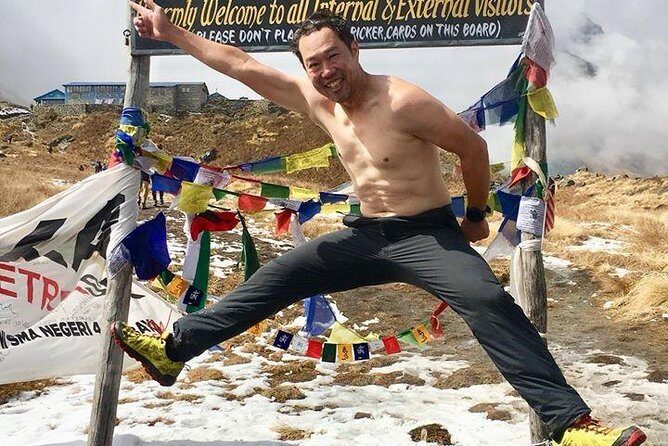
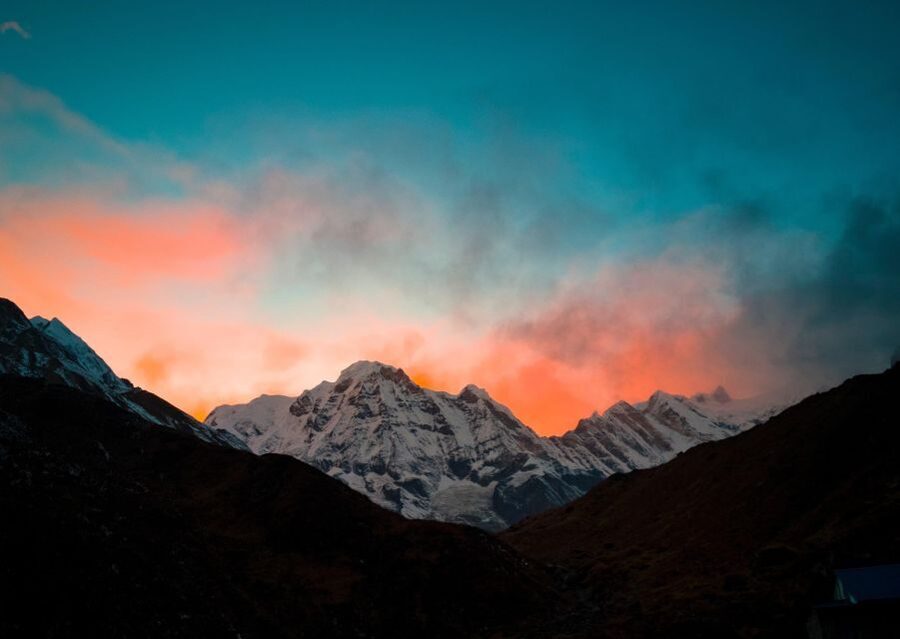
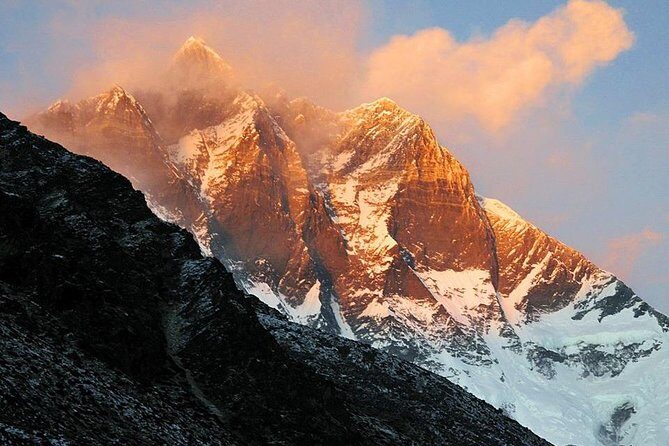
This itinerary is designed around sunrise because sunrise in the Annapurna region is where peaks turn into something almost unreal. Your highlights call out Poon Hill sunrise, and your day plan also includes Machhapuchhare Base Camp for another early-morning sunrise and mountain views.
Why two sunrise moments? Because they give you different “readings” of the mountains. One viewpoint can show you the broader panorama feeling; another can bring you closer to a single dramatic shape like Machhapuchhare. If conditions are clear, you’ll have a much better chance of getting those classic light-and-shadow shots.
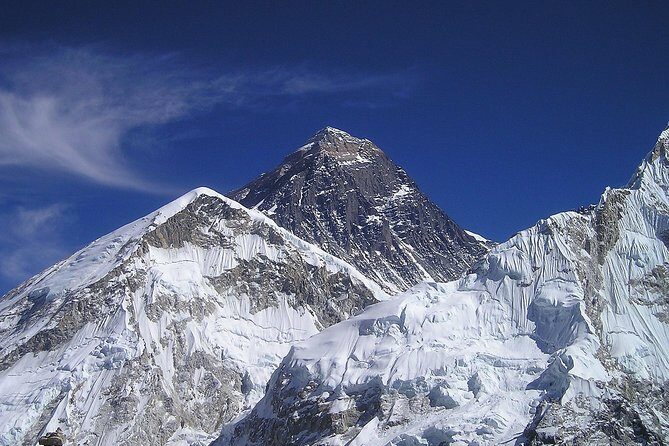
Your schedule also highlights views of multiple peaks, including Annapurna, Machhapuchhre, Dhaulagiri, Neelgiri, and Himchuli from closer or more dramatic perspectives depending on the moment and weather. Clear skies are always a variable in the Himalayas, but building in two sunrise attempts improves your odds.
Practical tip: treat early mornings like a mini-event. You’ll likely be cold at first, so keep your layers simple and accessible. When sunrise hits, you’ll be grateful you can focus on the mountains instead of your zipper situation.
Who should choose this trek (and who should think twice)
This trek fits best if you want a classic Annapurna Base Camp route with extra support and comfort. The tour also specifies a moderate physical fitness level. That’s a good sign if you’re active but not trying to become an ultra-athlete before you arrive.
It’s especially appealing if you value:
- A guide and porters that carry the heavy stuff (1 porter for 2 people)
- Five-star hotels at the start and end of the trip
- A route that includes both mountain-view peaks and a strong cultural stop at Ghandruk
- Sunrise moments like Poon Hill and Machhapuchhare Base Camp
Think twice if you know you struggle with altitude or if you’re not willing to walk slowly when oxygen feels thin. The plan itself calls out oxygen shortage as a real possibility, and that’s not the part to “push through.” You can still do the trek, but you’ll need to respect your pace and listen to your body.
Should you book the 14-Day Luxury Annapurna Base Camp Trek?
If your goal is Annapurna Base Camp with fewer headaches—and more comfort where you’ll notice it—this is a strong pick. The biggest reason to book is the balance: premium city hotels + supported trekking + included meals and permits. You’re paying for smoother logistics so you can spend your energy on the trail and the views.
One reason to pause is that it’s still a high-altitude trek with real walking days. Luxury doesn’t cancel altitude. If you’re excited by mountains but cautious about thin air, plan your effort level carefully and choose the slow, steady pace the schedule recommends.
My bottom line: book it if you want a well-run Annapurna trek where comfort supports your success, not distracts from it.
FAQ
Is the Annapurna Base Camp trek private?
Yes. This is a private tour/activity, meaning only your group participates.
What time does the tour start in Kathmandu?
The meeting point is Tribhuvan Airport in Kathmandu, with a start time of 9:15 am.
Are meals included during the trek?
Standard meals are included during the trekking days, including breakfast, lunch, and dinner as listed in the tour’s included schedule.
What about accommodation—are hotels included?
Yes. You get deluxe five-star accommodation in Kathmandu and Pokhara on the arrival day and after the trekking. During the trek, you stay in luxury accommodations in lodges/tea houses.
Do I need to bring my own sleeping bag and down jacket?
Yes. Personal clothing and gears, sleeping bag, and down jacket for the trek are not included.
Are airport transfers included?
Yes. Airport pickup and drop are included by private car/van/bus.