REVIEW · KATHMANDU
Poon Hill Trek package
Book on Viator →Operated by Nepal Hiking Adventure Company - Private Day Tours · Bookable on Viator
Poon Hill sunrise is the whole point. This 5-day trek package is built around that early hike to Poon Hill, with sweeping views across the Annapurna and Dhaulagiri ranges, plus walks through Gurung villages and rhododendron forests that make the mountain scenery feel personal.
I love that the trip handles the practical stuff for you: permits and park checkpoint logistics at the start, led by guides such as Bishnu, Ram, and Tilak who show up again and again in feedback as calm, helpful, and quick to respond. I also love that meals and lodge stays are included across the trekking days, so you can focus on the trail instead of budgeting every meal on the go.
One consideration: you’ll be up early for sunrise, and you should expect cold mornings at the viewpoint. Also, drinks aren’t included, and tips for the guide (and any potters if used) are expected, so plan a little extra cash beyond the $405 price.
In This Review
- Key highlights worth clocking before you go
- Kathmandu to Pokhara: setting the stage for the trek
- Birethanti and Ulleri: beginning at the Annapurna checkpoint
- Ulleri to Ghorepani: rhododendron forests and steady viewpoint training
- Poon Hill at sunrise and the walk to Ghandruk
- Ghandruk to Birethanti: finishing with downhill ease
- Price and value: what $405 really covers
- Included meals and lodge stays: why it matters more than you think
- Guides: the difference between a good trek and a smooth one
- What your days feel like: realistic effort for normal fitness
- Gear and comfort tips for sunrise weather
- Who should book this trek (and who might reconsider)
- Should you book the Poon Hill trek package?
- FAQ
- How long is the Poon Hill trek experience?
- Where does the tour start and end?
- What transportation is included?
- What meals and accommodations are included?
- What’s not included in the price?
- Is this trek suitable for beginners or normal fitness levels?
- How big is the group?
- What happens if the trek can’t run due to weather or minimum group size?
Key highlights worth clocking before you go
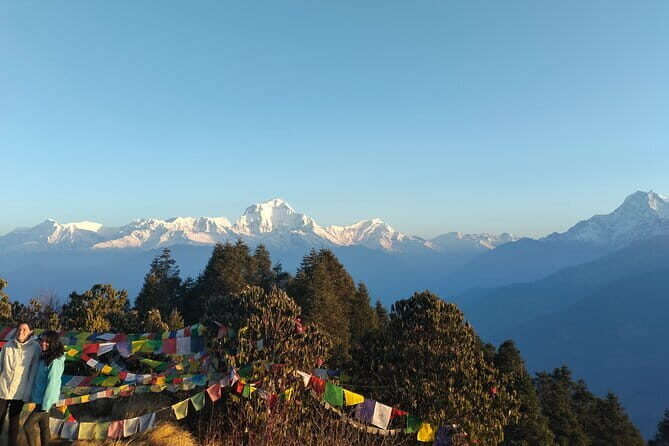
- Poon Hill sunrise timing: an early morning hike designed to get you to the viewpoint before the light show starts
- Gurung village character: Ghandruk is the cultural stop that breaks up the steep thinking with real village atmosphere
- Rhododendron forest and alpine rhythm: you’ll move from trees into views and open terrain without a super technical route
- Permits handled at Birethanti: you check in at the Annapurna Conservation Area checkpoint before your trek begins
- Small group size (up to 8): easier pacing and less chaos on narrow paths
Kathmandu to Pokhara: setting the stage for the trek
Your experience starts in Kathmandu with a meeting point near Thamel at the Nepal Hiking Adventure Company office. From there, you head to the bus park and make the long but straightforward transfer to Pokhara. The tourist bus ride is about 6 to 8 hours, with an overnight stay in Pokhara so you’re not starting the hike exhausted.
Pokhara matters here. It’s the calm break right before the mountains begin to feel real. If you’re the type who worries about timing, this structure helps: you get a full night to sleep, eat normally, and be ready for an early departure the next day.
Also, the small-group setup (maximum 8 travelers) helps on the transfer day too. It’s easier to coordinate questions, pick up any last-minute items, and learn what’s coming next from your guide without feeling like you’re in a cattle line.
You can also read our reviews of more hiking tours in Kathmandu


Birethanti and Ulleri: beginning at the Annapurna checkpoint
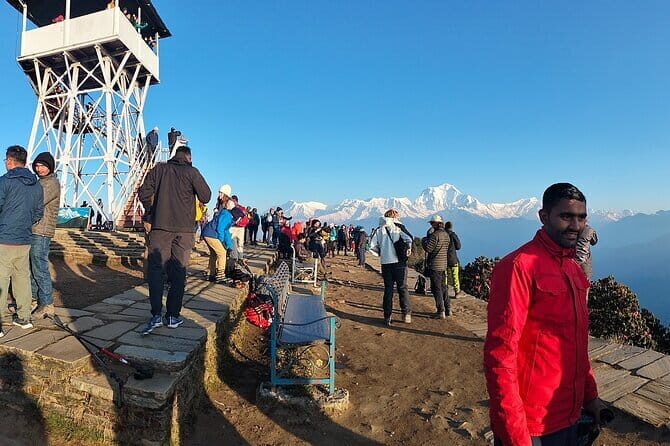
Day 2 begins at Birethanti, which is your checkpoint for the Annapurna Conservation Area. Practically, that means you’re not just walking into the wilderness without paperwork—your team checks your permit and gets you lined up to start the hike with everything in order.
Then you trek from Birethanti toward Ulleri, moving through Hile on the way. This is the day that introduces you to the pace: uphill sections with steady effort rather than sprinting. You’ll have a short lunch break at Hile before continuing the climb toward Ulleri.
What I like about this start is that it gives you time to warm up. Even if the total trek is described as easy to moderate for normal fitness, you still need those first hours to learn how your legs handle the altitude and the rhythm of Nepali stair-stepped paths.
Ulleri to Ghorepani: rhododendron forests and steady viewpoint training
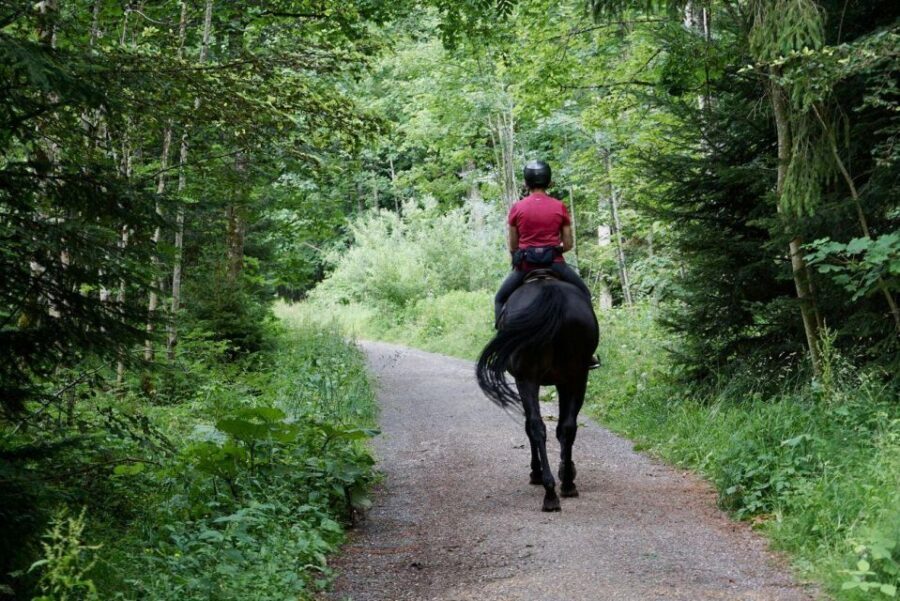
After breakfast, you start the trek to Ghorepani early. The route runs through rhododendron forest, which is more than pretty scenery—it’s a way to pace yourself. Trees break up the wind and often make the hike feel more gradual, even when your calves are already doing the math.
You reach Ghorepani after about 5 hours of trekking. Ghorepani is where you’ll feel the trek shifting from village trail to mountain viewpoint mode. The air tends to feel sharper, and the walking becomes more about controlled effort than random wandering.
Even if you’ve done hikes before, this is where I’d watch your pace. The whole Poon Hill experience depends on being ready to get up for sunrise the next morning. If you go too hard on Day 3, sunrise can feel like a chore instead of a payoff.
On the plus side, staying in Ghorepani keeps you close to the classic viewpoint route. That saves time and reduces pressure on the morning hike to Poon Hill.
Poon Hill at sunrise and the walk to Ghandruk
This is the core day. You’ll hike to Poon Hill early for sunrise, and then you’ll return to your lodging for breakfast before heading onward. The schedule here is built around a simple idea: get you to the viewpoint at the right hour, then let you keep enjoying the day instead of rushing through everything.
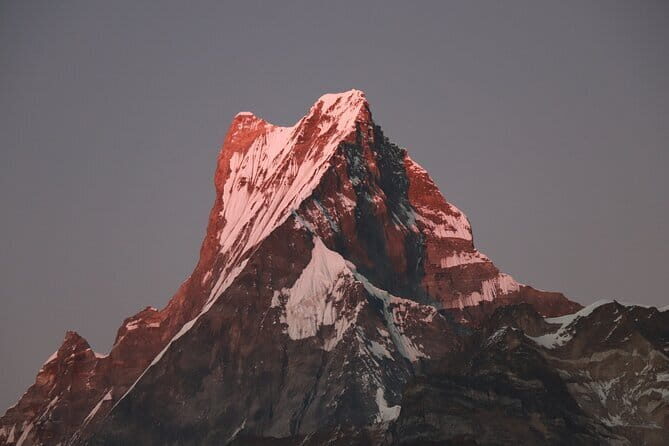
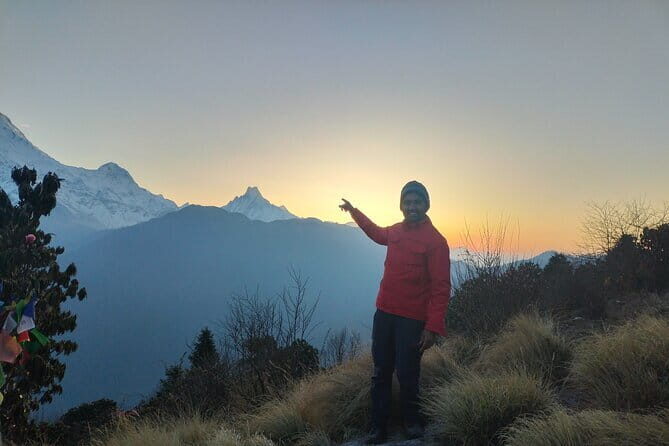
Poon Hill is famous for a reason. When you look out, you’re typically seeing a huge spread across the Annapurna and Dhaulagiri ranges, and the sunrise adds that extra layer of contrast that turns distant peaks into something dramatic and immediate. The trail on the way up may be short, but it’s the kind of early effort that feels very rewarding once the sky begins to change.
After Poon Hill, you move toward Ghandruk, walking for about 6 hours. Ghandruk is one of the most memorable village stops on this route. It’s the place where the trek stops feeling like a series of checkpoints and starts feeling like a real community you can picture living there, not just passing through.
Practical reality check: your energy after sunrise depends on your sleep and how cold it gets for you. If you’re someone who runs warm, great. If not, pack layers you can actually manage quickly at night and early morning. You want to stay comfortable enough to enjoy the moment, not just survive it.
Ghandruk to Birethanti: finishing with downhill ease
On Day 5, you start with breakfast and then trek from Ghandruk back toward Birethanti. The route is downhill for a lot of the day, including walking toward Syauli Bazaar, then continuing along an easy path until you reach the trek ending point.
This is a good kind of tired. Your knees will still feel the miles, but the mental load is lighter when you’re not constantly fighting uphill climbs. It’s the day that lets you process the trip: the scenery, the village stop, the sunrise memory that keeps replaying every time you look at a mountain ridge.
Once you finish at Birethanti, you check out your permit and drive back to Pokhara. That ride wraps up the trekking portion and sets you up for whatever you want to do next in Nepal.






Price and value: what $405 really covers
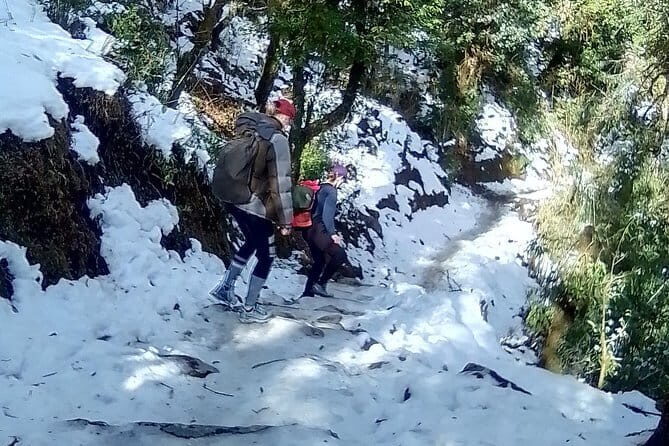
At about $405 for the experience, the big value play is that this package bundles the essentials that can add up fast when you book pieces separately.
What’s included:
- Transportation to and from the trek start and end points
- All fees and taxes
- A guide (and the support they provide through the route)
- Accommodations for 3 nights during the trek
- A tourist bus ticket for the Kathmandu to Pokhara transfer
- 1 night in Pokhara on a bed and breakfast plan
- Meals: 3 dinners, 4 lunches, and 4 breakfasts
So you’re not just buying a view. You’re buying logistics, beds, and a steady food plan. That’s especially helpful on treks like this because the rhythm of daily walking works best when you’re not constantly making decisions about where and what to eat.
Group discounts and a mobile ticket are also part of the package. In practical terms, small-group trips tend to move more smoothly on narrow sections of trail, and a mobile ticket reduces the last-minute scrambling.
What’s not included:
- Drinks and beverages
- Personal expenses
- Tips for guide/potters (expected)
I’d treat that as your “budget on top.” If you drink a lot of tea, coffee, or bottled water, it’s easy for costs to creep upward. Set a daily amount for drinks and snacks you might want.
Included meals and lodge stays: why it matters more than you think
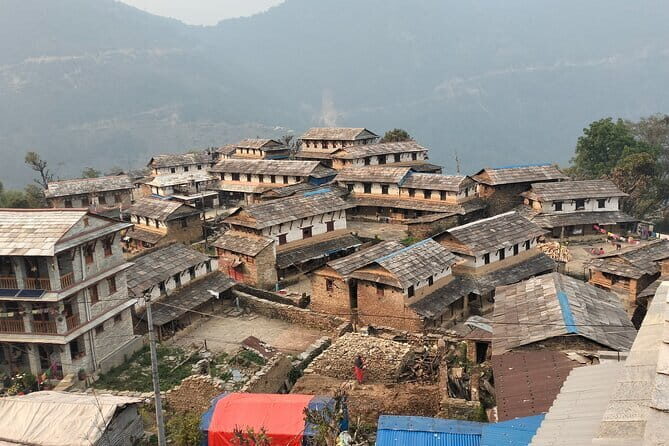
This route includes dinners and lunches during the trekking days, plus breakfasts on the mornings you’ll need them. That matters because your hiking effort is spread across multiple days with early starts. When meals are arranged, you reduce the chance of ending up hungry or delayed at the worst time.
The accommodations for three nights during the trek are also included. Lodges are basic in most Nepal tea-house trekking areas, but they usually offer the comfort that you want after a long walking day: a warm enough place to sleep, a spot to dry out gear, and staff who know how the trekking rhythm works.
One benefit of having your lodging locked in: you don’t need to negotiate or search at the end of each day. You walk, you eat, you sleep. Then you repeat the next day.
Guides: the difference between a good trek and a smooth one
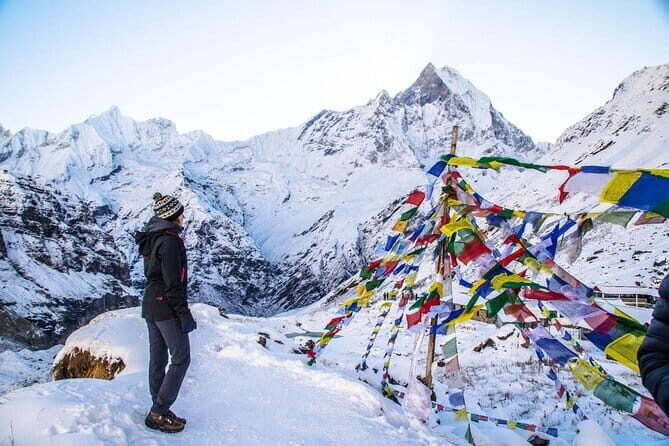
Your experience runs with an experienced trekking guide. In the feedback tied to this company, guide names like Bishnu, Ram, and Tilak stand out for being supportive, informative, and attentive—especially around questions and timing.
This is more than “nice to have.” On a route like Poon Hill, the trail can be straightforward, but details still matter:
- knowing how early sunrise hikes are managed
- making sure you check in at the checkpoint properly
- keeping the group together on paths that can feel confusing in low light
If you like to understand what you’re seeing—mountain names, village life, and route structure—this is where a strong guide helps you connect the dots fast.
What your days feel like: realistic effort for normal fitness
The trek is often described as easy difficulty and suitable for most travelers with normal fitness. That’s fair as an overview, but here’s the practical truth: you still have several days of 4 to 6 hours of walking, plus an early morning climb for sunrise.
Day 1 is transport and settling into Pokhara. Day 2 is permit check and uphill hiking from Birethanti via Hile to Ulleri. Day 3 is a rhododendron forest hike to Ghorepani. Day 4 includes the sunrise hike to Poon Hill plus a longer walk toward Ghandruk. Day 5 finishes with downhill hiking back toward Birethanti and then a drive to Pokhara.
This is exactly the kind of trek that teaches you pacing. If you arrive with a steady walking habit, you’ll enjoy the journey. If you arrive expecting a casual stroll, sunrise morning may remind you that you’re in mountain country.
Gear and comfort tips for sunrise weather
The data doesn’t list gear, so I’ll stick to what makes sense for this specific schedule. The biggest comfort issue is the early start for Poon Hill. Temperatures can feel colder than you expect in the dark hours before sunrise.
I recommend you plan for:
- Warm layers you can add or remove quickly
- Comfortable shoes with grip for stone and dirt paths
- A small headlamp or reliable light source so early morning doesn’t turn into guesswork
- Water and simple snacks on hand, even though meals are included (you can top up if you need energy)
Because drinks aren’t included, you should also plan how you’ll handle hydration. Bottled drinks or hot tea are usually part of lodge life, but since they’re not included, your budget needs to account for it.
Who should book this trek (and who might reconsider)
You’ll likely love this trek if:
- you want a classic Himalayan view experience without a technical climbing commitment
- you enjoy cultural stops like Ghandruk rather than only chasing peaks
- you prefer a guided setup that handles permits and meals
- you’d rather do a smaller-group trek (max 8) so your guide can focus on you
You should think twice if:
- you hate early mornings in cold weather
- you want full independence with no structure (this is a guided package with included transport and meals)
- you’re trying to keep total spending extremely tight, since drinks and tips add up
Should you book the Poon Hill trek package?
If you want a high-reward view day (sunrise at Poon Hill) paired with village life (Ghandruk and other communities along the route), this package is a smart way to do it. The value is in the bundle: transport, permits/fees, guide support, three trek-night stays, and a full menu of included meals. You’re paying for peace of mind.
My advice: book it if you can commit to early starts and you’re okay with basic lodge comfort. If that works for you, this is one of the most practical ways to experience the Annapurna region without making your vacation into a logistics project.
FAQ
How long is the Poon Hill trek experience?
The package is listed as about 5 days. It includes 4 days of trekking/hiking from Pokhara, plus travel time and a Pokhara overnight stay.
Where does the tour start and end?
It starts at Nepal Hiking Adventure Company near Z Street in Kathmandu, and it ends at Pokhara Lakeside in Pokhara.
What transportation is included?
You get transportation to and from the trek start and end points, plus a tourist bus ticket to drive from Kathmandu to Pokhara.
What meals and accommodations are included?
Accommodations during the trek are included for 3 nights, plus 1 night in Pokhara on a bed and breakfast plan. Meals included during the trek are 3 dinners, 4 lunches, and 4 breakfasts.
What’s not included in the price?
Drinks and beverages, personal expenses, and tips for the guide/potters are not included (tips are expected).
Is this trek suitable for beginners or normal fitness levels?
Most travelers can participate, and the trek is described as having easy difficulty levels with a normal fitness level. Still, it includes multiple hours of hiking each day.
How big is the group?
The maximum group size is 8 travelers.
What happens if the trek can’t run due to weather or minimum group size?
The experience requires good weather. If it’s canceled due to poor weather, you’ll be offered a different date or a full refund. It can also be canceled if the minimum number of travelers isn’t met, with a different date/experience or full refund.