REVIEW · KATHMANDU
Manaslu Circuit Trek
Book on Viator →Operated by Nepal Mountain Trekkers - Day Tours · Bookable on Viator
Manaslu feels remote from day one. This trek strings together Gurung villages, old Buddhist monasteries, hot springs, and the big altitude challenge at Larkya La Pass for mountain views that match the effort.
I really like the way this trip handles the practical stuff: you get a licensed English-speaking guide and a porter, plus all trekking meals and lodging during the trek.
One thing to consider is that high-altitude days are weather-dependent. If conditions are rough, crossing the pass can be delayed or changed, and even a well-run plan can’t fully control that.
In This Review
- Key Highlights You’ll Care About
- Manaslu Circuit Trek: What Makes This Route Worth Your Time
- Kathmandu Arrival and the World Heritage Reset
- Long Drives to the Trail: From Kathmandu to Machha Khola
- Early Trek Days: Bridges, Forests, and Tatopani’s Hot Water
- Jagat to Namrung to Lho: The Trek Gets More Personal
- Samagaon and Pungyen Gompa: When the Trek Turns Cultural
- Samdo and Dharamsala: How This Itinerary Handles Altitude
- Larkya La Pass: The Big Payoff Day (Plus Weather Reality)
- Bimthang, Tilije, and Tal: Rhododendron Season and Circuit Junctions
- Exit to Kathmandu: Jeep to Besisahar, Then Home
- Price and Value: What $1,386.67 Covers (and What It Doesn’t)
- What the Company Approach Feels Like on the Ground
- Who This Trek Suits Best (and Who Should Reconsider)
- Should You Book This Manaslu Circuit Trek?
- FAQ
- What’s the duration and trek focus of the Manaslu Circuit Trek?
- Where does the trip start and end?
- Are permits and trekking gear included?
- What about food and lodging during the trek?
- Is airport pickup included?
- Is there a rest or acclimatization day for altitude?
Key Highlights You’ll Care About
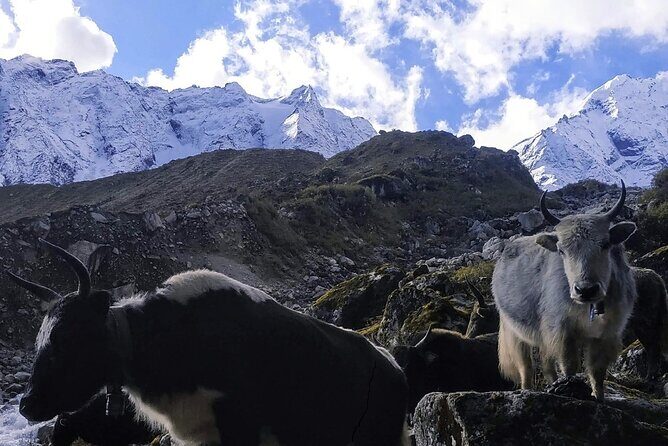
- Small group size (max 20 travelers) keeps the trek feeling human, not crowded.
- Permits and English-speaking guide/porter included, so you’re not chasing paperwork mid-trip.
- Gear rental is included (sleeping bags and a down jacket), which saves time and weight before you go.
- Acclimatization stops are built in at Samdo and with extra time around Dharmashala.
- Culture is part of the route, not an add-on: mani walls, chortens, and Pungyen Gompa.
Manaslu Circuit Trek: What Makes This Route Worth Your Time
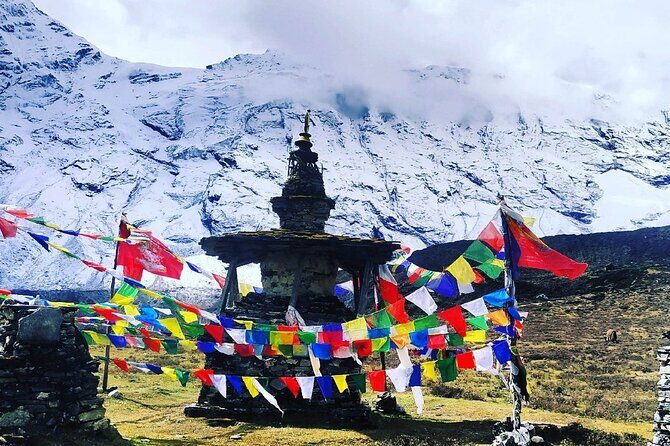
The Manaslu Circuit is often picked for the promise of the views—but the real appeal is that it takes you through layers of Nepal. You walk through forests, cross suspension bridges, pass farming terraces, and meet villages that feel distinct from the bigger trekking hubs.
This itinerary also threads in cultural anchors. You’re not just hiking for scenery; you also get Buddhist landmarks like Pungyen Gompa, and you’ll see everyday religion in the form of mani walls and chortens as you move through the valley.
You can also read our reviews of more hiking tours in Kathmandu


Kathmandu Arrival and the World Heritage Reset
You land at Tribhuvan International Airport and get picked up. From there, you’re taken to your Kathmandu hotel (your plan includes Hotel Horizon early on, and sightseeing is tied to Hotel Green Horizon). If you’re tired from travel, that first night is your chance to get your legs back and your head into Nepal mode.
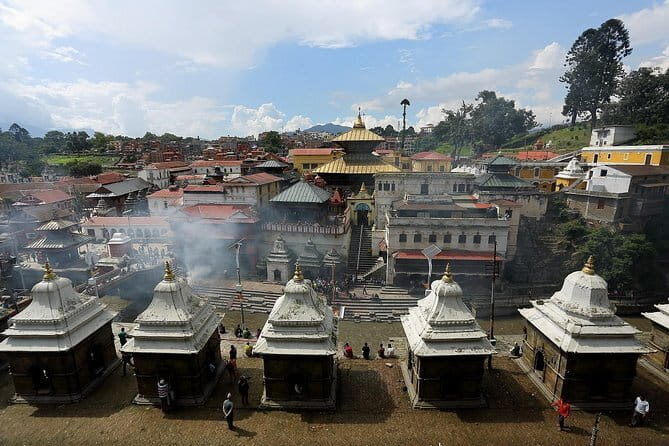
Day 2 is all about orientation and culture. You meet the team at the Nepal Mountain Trekkers office in Thamel, then you do UNESCO sites in a smart, efficient loop: Kathmandu Durbar Square, Swayambhunath Stupa, Pashupatinath Temple, and Boudhanath Stupa. This matters because you’ll be in remote country for days afterward, and having those anchors makes the trip feel more connected.
A practical note: tickets for sightseeing aren’t included. It’s not a deal-breaker, but you’ll want cash and a little buffer for site entries.
Long Drives to the Trail: From Kathmandu to Machha Khola
Once trekking starts, you’re not just “walking.” You’re also traveling by road for a while. The plan moves from Kathmandu to Machha Khola across the Budhi Gandaki river, via the Mahesh River and Trishuli River routes. It’s a long day, but it’s also how this trek eases you from city life into trekking life.
Why you’ll be glad for this: it gives your body time to settle before you start stacking hours on trail. You also start seeing the river valleys and settlement patterns that define the circuit.
Early Trek Days: Bridges, Forests, and Tatopani’s Hot Water
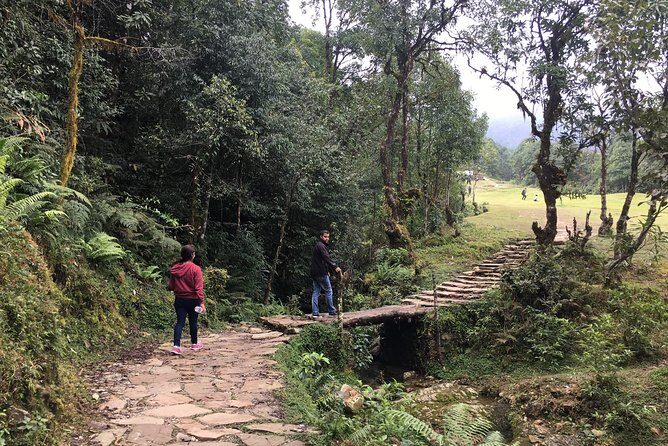
The first trekking stretch is about rhythm. You’ll cross suspension bridges and head through forests and Gurung villages toward Maccha Khola and beyond. The trek days are long (often listed around 12 hours), so your early goal is steady movement, not hero pacing.
A standout stop is Tatopani Hot Spring. After days of walking and climbing/descending, it’s an instant recovery tool—less about luxury and more about keeping your feet working. Even if you don’t go deep into the water, the break from constant movement helps.
Then you continue toward Jagat. The plan keeps mixing effort and reward: trail challenges you, but the walking passes through places where villages and river views show up often enough to keep the day from feeling monotonous.
Jagat to Namrung to Lho: The Trek Gets More Personal
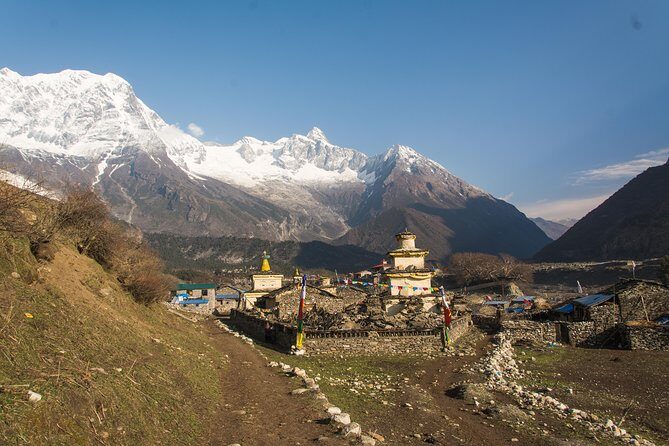
From Jagat, you continue the circuit through a sequence of ascends and descends. You’ll pass river streams, cross parts of the Budhi Gandaki area, and walk into places with strong views. The plan specifically calls out scenery of Singri Peak early on while crossing the Gata river, which is a good example of what this route does well: you keep getting visual “checkpoints,” not just straight uphill grinding.
Namrung is another step up in atmosphere. You’ll pass pasture land and cross the Budhi Gandaki again, and you’ll walk among places with wide mountain views. The day is still physically demanding, but the route starts to feel like a true circuit rather than a single valley hike.
Lho is where you get a calmer half-day feel. You head toward Lho with views of Himalchuli near Hinang Glacier, and the itinerary includes a visit to Ribung Monastery. I like this kind of stop because it gives your mind a break. You’re not only climbing; you’re also taking in the local spiritual geography that shapes how villages sit and move through the mountains.
One small bonus here: the plan notes sunrise viewing options near Ribung Monastery. Even if you’re not an early riser type, it’s worth keeping in mind when the day schedule allows.




Samagaon and Pungyen Gompa: When the Trek Turns Cultural
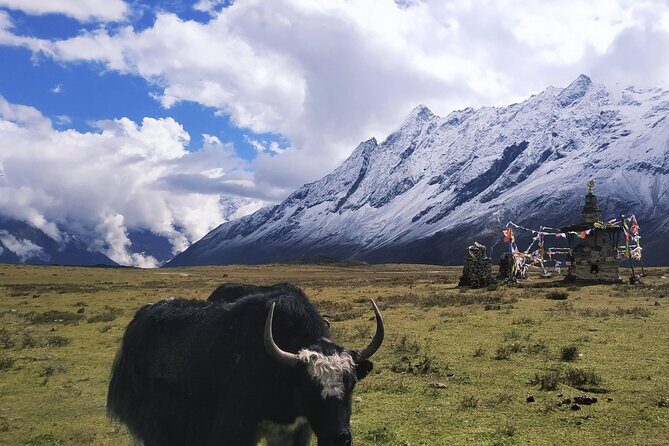
Samagaon is the point where mountain scenery and culture really overlap. The trek route highlights views of Ganesh Himal, Himal Chuli, and Siring Himal, plus terraced farming and chortens along the way.
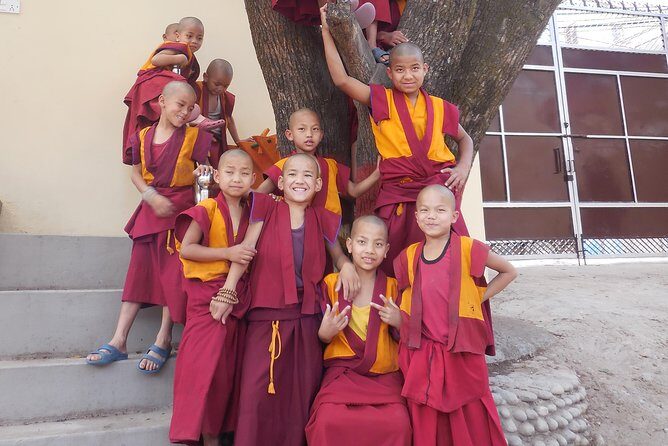
Then comes a great day: an excursion around Pungyen Gompa, an ancient monastery. You get the chance to see local Buddhist traditions and rituals, including a small prayer hall. This isn’t a roadside photo stop—it’s a meaningful cultural detour that fits naturally with the way you’re already moving through sacred spaces on the trek.
You return to Samagaon for overnight. That return matters: it keeps the pace from spiking too fast while you’re still adjusting to the higher elevations.
Samdo and Dharamsala: How This Itinerary Handles Altitude
Altitude is the main thing that can make or break a circuit trek. This route acknowledges that with built-in acclimatization.
You get a rest day at Samdo. Then you move toward Dharamsala (around 5,000m mentioned in the plan). The itinerary gives you time to acclimatize with a slower approach and more “settle in” time rather than pushing straight to the highest point.
Here’s what I’d take from this if you’re the type who tends to overdo it: the plan is designed so you don’t treat altitude as a check-the-box. You take a breather, and your body gets a chance to adjust.
Also, the trip includes a first aid medical box and rescue management service. You still have to respect your own limits, but it’s reassuring that support systems are part of the design.
Larkya La Pass: The Big Payoff Day (Plus Weather Reality)
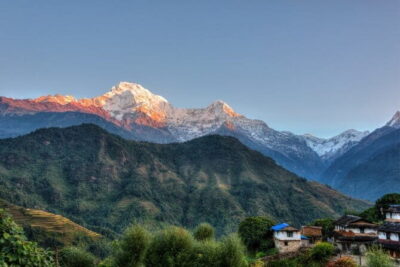
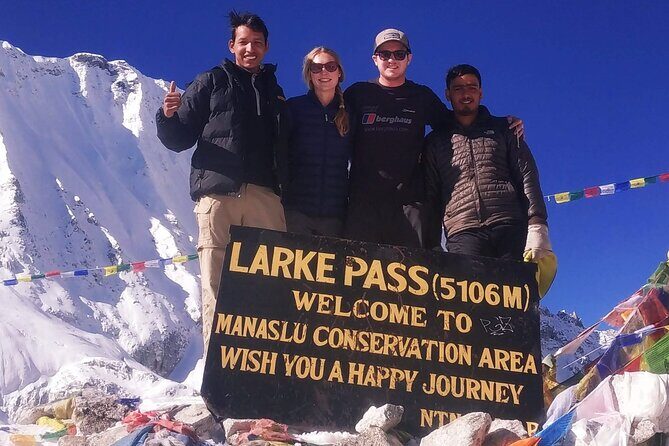
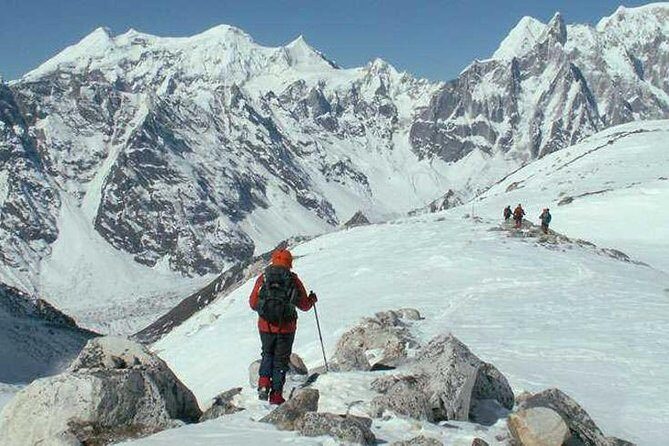
This is the day most people imagine: Larkya La Pass. After leaving Dharmasala, you climb through glacier moraines and steep terrain, then you arrive at the pass point for close-up views of peaks like Annapurna 2, Cheu Himal, Himlung Himal, and surrounding ranges, with Manaslu Himalaya in front.
When conditions are good, this is the moment that makes the whole trek feel like one story. Even when the weather isn’t perfect, you still get the sense of scale from being at that altitude.
One reality check: the pass depends on conditions. One of the reviews includes an experience where the traveler couldn’t cross Larkya La due to bad weather, and they had to follow a different plan. The important takeaway is that the organization handled it well—just don’t assume the pass will always be possible on the calendar day.
If you’re the kind of person who panics at plan changes, this is where you’ll want mental flexibility.
Bimthang, Tilije, and Tal: Rhododendron Season and Circuit Junctions
After the highest point, the trek shifts from big altitude drama to long, scenic walking with frequent changes in terrain.
You rest and recover in Bimthang, where the plan highlights rhododendron flowers and warm hospitality from locals. Then you move along ridges toward Tilije. The route notes pasture land in the Sangre Kharka area and trails through rhododendron forests—especially relevant in spring months when those flowers are expected to be in bloom.
Tilije is your overnight, and the next day flows into Tal. This part connects with other trekking systems: you follow trails toward Thonje Village, cross a “milky white” river area above a bridge, connect to the Annapurna circuit trail at Dharapani, and cross over a Marsyandi River bridge. The plan even includes waterfalls along the way before reaching Tal.
This is one of the more satisfying segments because you feel the circuit links up with bigger trekking geography near the end. It’s also the portion where your energy management matters most—by then, your legs will know exactly how the trek has been treating you.
Exit to Kathmandu: Jeep to Besisahar, Then Home
After Tal, the plan includes tea-house food early and then a trekking-to-road transition. You hike toward the next connections and then you drive to Besisahar by jeep, have lunch there, and continue driving back to Kathmandu in the evening.
That final day is mentally important. When you’ve been trekking for nearly two weeks, simply getting back to town feels like a victory lap—especially after all the weather and altitude uncertainty earlier.
The itinerary then includes a Kathmandu rest-and-recovery day and a farewell dinner in a Nepali culture restaurant. Shopping time is included in the final stretch, which is helpful if you want a few practical souvenirs or trekking gear replacements for the road ahead.
Price and Value: What $1,386.67 Covers (and What It Doesn’t)
The listed price is $1,386.67 per person for about 17 days. That can sound steep until you match it to what’s actually included.
You get:
- Airport pickup and drop
- 4 nights in Kathmandu
- Kathmandu sightseeing with a licensed guide and vehicle support
- All food and lodging during the trek (breakfast, lunch, dinner)
- Transportation costs tied into the itinerary
- English-speaking licensed trekking guide plus a porter
- Permits
- Gear rental: sleeping bags and a down jacket
- Rescue management service
- Farewell dinner
- A t-shirt, duffel bag, and trekking map
What you don’t get:
- Nepal visa fee
- International flights and extra baggage charges
- Extra nights in Kathmandu if your schedule changes
- Travel insurance / rescue operation costs (you still should plan on insurance even if rescue services exist)
- Personal expenses like laundry and device charging
- Tips for guide and porters
Here’s my blunt take: this is good value if you want the route run for you and you don’t want to gamble on last-minute permits, gear rentals, or guide availability. If you’re already organized and trying to self-manage everything, the cost may feel less attractive. But for most people, you’re paying to reduce risk and friction in one of the toughest trekking regions in Nepal.
What the Company Approach Feels Like on the Ground
I’m not going to pretend it’s the same everywhere, but the reviews attached to this operator point to consistent service and careful people. The names that show up again and again include Suman and Ramesh for planning and coordination, with trek guides like Mod, Chirring, and TB praised for professionalism and care.
That matters because Manaslu isn’t just about walking. It’s about keeping you safe with pacing, weather awareness, and readiness when conditions shift. Reviews also mention the vibe being good and the team taking care of everything—exactly what you want when you’re far from help.
Who This Trek Suits Best (and Who Should Reconsider)
This trek is described as suitable for moderate physical fitness, with a maximum group size of 20. That sounds broad, but the itinerary itself points to a lot of long days and altitude.
You’ll likely love it if:
- You want a classic circuit with culture stops (monasteries and everyday religious sites)
- You want a guided experience with permits and gear handled
- You’re comfortable with long walking days and some steep terrain
You might want to rethink it if:
- You strongly dislike altitude risk or you don’t follow acclimatization days
- You need a very fixed schedule and can’t handle weather-driven changes
Should You Book This Manaslu Circuit Trek?
If your priority is an organized trek with permits, guide support, and gear rental taken care of, I think this is a sensible pick. The route hits the major draw—Larkya La Pass—while also giving you cultural anchors like Pungyen Gompa and Ribung Monastery, plus a practical recovery stop at Tatopani Hot Spring.
Book it if you’re prepared for long hiking days and you’ll treat rest and acclimatization as part of the plan, not optional.
Skip it if you want an ultra-light, self-directed adventure or if you’re the type who can’t tolerate weather uncertainty on high passes.
FAQ
What’s the duration and trek focus of the Manaslu Circuit Trek?
The itinerary runs about 17 days, with the main trekking from the first long drive day through multiple village stages, a rest/acclimatization rhythm at Samdo and around Dharmashala, and the high point at Larkya La Pass.
Where does the trip start and end?
The trip starts with meeting at Nepal Mountain Trekkers in Kathmandu (Pyramid Galli) and ends back at the same meeting point in Kathmandu after the drive out.
Are permits and trekking gear included?
Yes. The package includes all required trekking permits and rental trekking gear such as sleeping bags and a down jacket.
What about food and lodging during the trek?
All food and lodging during the trek are included, with breakfast, lunch, and dinner provided throughout the trekking days.
Is airport pickup included?
Yes. The package includes airport pickup and drop service in Kathmandu.
Is there a rest or acclimatization day for altitude?
Yes. The itinerary includes a rest day at Samdo for proper acclimatization and also a day with acclimatization time around Dharmashala.