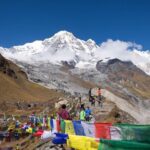
Lukla to Everest Base Camp is a real-world adventure. What makes this trek work is how it mixes private organization with the core EBC experience—acclimatization in Namche and Dingboche, then a steady push up to Gorak Shep and Base Camp. I also like the practical logistics: airport pick-up, 3-star comfort in Kathmandu, and a porter to carry your heavy gear. One drawback to plan around is the big one for EBC treks: you need decent weather, and the route depends on it.
If you’re the type who wants your day planned, but still wants the mountains to do the talking, this setup fits. The itinerary hits classic stops—Dudh Koshi suspension bridges, Tengboche, Dingboche, Lobuche, Kala Patthar, and the return down through forests—while keeping you safe with an English-speaking guide and pre-arranged permits and fees.
In This Review
- Key things to know before you go
- Why This Private Everest Base Camp Trek Fits Real Schedules
- Kathmandu Setup: 2 Nights in a 3-Star Hotel Before the Trek
- The Lukla Flight: Short, Scenic, and Logistically Key
- Dudh Koshi Trails and the Suspension Bridge Experience
- Namche Bazaar: Acclimatization That Feels Like a Real Town Break
- Tengboche: Forest Turns, Steeper Sections, and Mountain Views
- Dingboche: Chortens, Mani Walls, and a Proper Acclimatization Plan
- Lobuche and the Route Toward Gorak Shep
- Kala Patthar: Early Start, Big Effort, Then Down
- Lukla Return and the Kathmandu Wind-Down
- Guides and Porters: The Difference Between Surviving and Enjoying
- Price and Value: What $1,600 Includes (and What It Doesn’t)
- Fitness and Altitude Reality: How to Make This Trek Feel Manageable
- Who Should Book This Trek?
- Should You Book This 14-Day Private Everest Base Camp Trek?
- FAQ
- How long is the Everest Base Camp trek?
- Where does the tour start?
- Is airport pick-up and drop-off included?
- Are flights to Lukla included in the price?
- What accommodation is included during the trek?
- Are permits and entrance fees included?
- Do you provide a porter for luggage?
- What meals are included?
- What is not included?
- What if the trek can’t run due to poor weather?
Key things to know before you go
- Private trek setup: only your group, with an experienced English-speaking guide.
- Porter support: a porter is arranged for two trekkers so you’re not dragging heavy loads uphill.
- Kathmandu comfort included: 2 nights in Kathmandu in a 3-star hotel with breakfast.
- EBC logistics handled: permits and entrance fees are included, plus a farewell dinner and certificate.
- Lukla flights are part of the package: Kathmandu–Lukla–Kathmandu domestic air fare with airport tax.
- Built-in acclimatization: time in Namche Bazaar and Dingboche before going higher.
Why This Private Everest Base Camp Trek Fits Real Schedules
Everest Base Camp sounds like one thing: the big end goal. But the trek is really about the week-by-week rhythm you build in the Khumbu. This private version is interesting because it leans into that reality instead of treating the mountain like a checklist.
You get a guide who’s there daily, plus a porter system for heavy gear. That changes how the trek feels. With your load reduced, you can keep a steadier pace instead of fighting fatigue before the altitude even gets serious. And because it’s private, you’re not stuck reacting to another group’s speed or comfort level.
Price-wise, the headline number is $1,600, but the value comes from what’s bundled: Kathmandu flights in and out via Lukla, permits and entrance fees, guided support, and accommodation across the whole journey. You’re paying for fewer moving parts and less guesswork—especially helpful on a route where you can’t just wing it.
You can also read our reviews of more private tours in Kathmandu

Kathmandu Setup: 2 Nights in a 3-Star Hotel Before the Trek
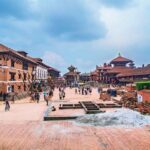
Day 1 is all about arriving and getting your bearings. You’ll be welcomed by staff and transferred to your hotel, and an airport representative explains the program when you land. That matters more than it sounds. When you’ve just arrived in Nepal, the last thing you want is to figure out where to go for your trek briefing.
Then you get two nights in Kathmandu in a 3-star hotel with breakfast. You also get airport pick-up and drop-off by private vehicle included in the package. In practical terms, this cuts stress right at the start—no public-transit scramble, no hunting for offices, no last-minute uncertainty about domestic flight timing.
One small note for expectations: Kathmandu is city time. You’re not sleeping in a lodge at 3,500 meters yet. So use this window to rest, hydrate, and keep your routine simple.
The Lukla Flight: Short, Scenic, and Logistically Key
On Day 2, the itinerary shifts from city life to mountain life with a 40-minute flight from Kathmandu to Lukla. You land at Tenzing Hillary Airport at Lukla, and that flight is part of what defines Everest Base Camp from a comfort and timing standpoint.
This trek is built around that day-one jump. After landing, Day 2 starts your walking trek from Lukla toward the early stage of the EBC route. The plan includes about 5 hours of trekking that day, so you’ll be moving soon after you arrive—exactly what you want to avoid wasting valuable days later.
Since the trek depends on weather, the real practical takeaway is this: give yourself buffer. Your itinerary needs good conditions for flights to operate normally. The tour provider also flags weather as a requirement, so plan your overall trip dates with some flexibility if you can.
Dudh Koshi Trails and the Suspension Bridge Experience
Day 3 is all about the classic Khumbu corridor: you trek along the northern bank of the Dudh Koshi River, crossing many suspension bridges over the river, including the Hillary Suspension Bridge. This is the kind of route section where your guide’s job is more than walking with you—your guide helps you understand what you’re seeing, how the terrain works, and how to keep your effort controlled.
The trek time here is about 6 hours, and it’s set up to help you settle into altitude while still moving. It’s a great day for first-timers because the scenery and the bridge sequence keep you engaged, while the walking still feels like it’s building—not exploding.
Also, keep your mind on rhythm. Suspension bridges add a little extra body stress. You may feel that in your legs and balance, especially when you get tired. The best move is to keep steps smooth and steady, not rushed.
Namche Bazaar: Acclimatization That Feels Like a Real Town Break
Day 3 ends at Namche Bazaar, and Day 4 is your official acclimatization day in Namche. The itinerary recommends exploring Namche Bazaar itself. It’s not just a dot on a map. Namche has wifi-linked cafes and restaurants, plus souvenir and gear shops. Even if you don’t care about shopping, it’s a useful day to reset mentally.
Your Day 4 trek time is around 5 hours, but the point is the altitude adjustment. Namche is a place where you can plan small walks, then return to town and let your breathing settle.
Day 4 is also where a good guide really earns their pay. If you’re feeling great, you might choose a longer option. If you’re feeling heavy or off, your guide can keep you moving enough to acclimatize without overreaching. In this trek style, pace control is part of safety.
And yes, there’s an Irish Pub stop listed on Day 4. If you like a little comfort absurdity, this is your day for it.
You can also read our reviews of more hiking tours in Kathmandu


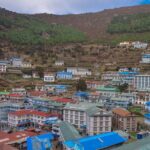

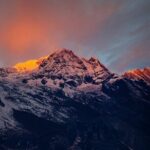
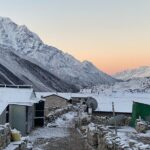
Tengboche: Forest Turns, Steeper Sections, and Mountain Views
Day 5 takes you from Namche to Tengboche, with about 5 hours of trekking. This section is described as full of ups and downs, plus forests, which means the terrain can keep you working even when the view is tempting you into staring.
This is also one of the classic points where animal sightings become possible. The itinerary notes you might spot musk deer if you’re lucky. Real talk: wildlife sightings are never guaranteed. But forests and consistent foot traffic mean you’ll often see signs of life—tracks, droppings, and bird calls—so you’re not just hiking in silence.
One drawback consideration here: ups and downs add up. Even if the day is not the longest, cumulative elevation gain can start to feel real. The way to handle it is simple—don’t race. You’re still saving your legs for higher country.
Dingboche: Chortens, Mani Walls, and a Proper Acclimatization Plan
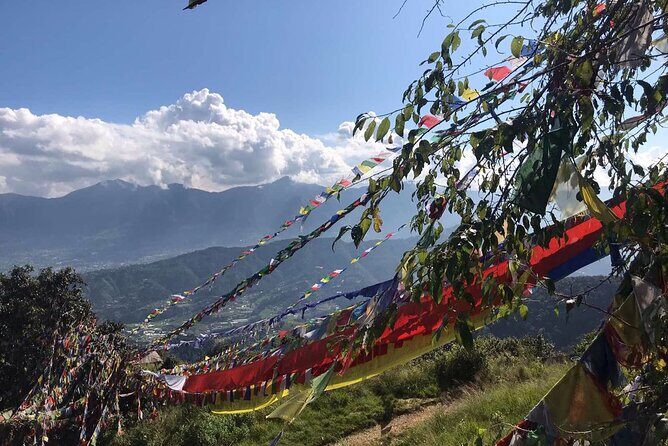
Day 6 brings you to Dingboche in about 5 hours. On the way, the trek passes Chortens and mani walls, plus small villages like Pangboche. From Pangboche, you can enjoy views of Mt. Ama Dablam.
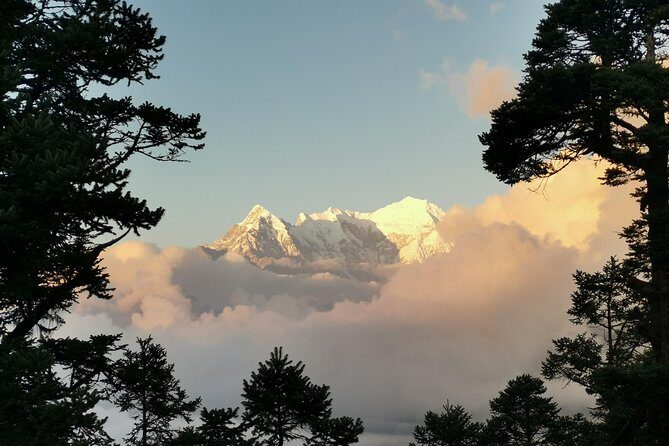
That’s a big deal because Ama Dablam is one of those landmarks that makes the Khumbu feel unmistakably Everest-country. Even if you’re not an expert climber, seeing that kind of scale helps you understand why this region gets treated differently.
Day 7 is another acclimatization day in Dingboche. The itinerary is clear: once you reach higher altitude, your body needs time to adjust. So you walk up and around—specifically, there’s a walk up the ridge above Dingboche before returning. This is the classic strategy of moving your body without sleeping at the highest altitude you reached. It reduces stress and improves your odds of feeling better as you continue upward.
Lobuche and the Route Toward Gorak Shep
Day 8 heads to Lobuche (about 5 hours). The day starts with Himalayan views and then gets harder at first. The itinerary also mentions approaching Dusa and that the valley narrows, then you follow part of the Everest Expedition route. Even without every detail spelled out, the point is clear: this is where the terrain starts to feel more serious.
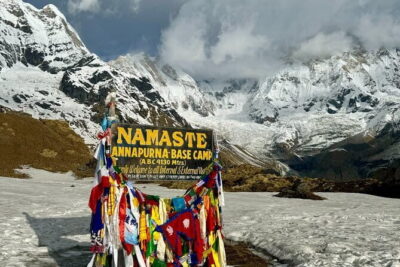
Day 9 is the peak day in the itinerary: Everest Base Camp. The walk is set up for about 5 hours, beginning with trekking through the lateral moraine of the Khumbu Glacier, then reaching Gorak Shep. Gorak Shep is described as surrounded by snow-capped mountains, and from there you summit to Base Camp.
This is the day that turns the whole trip into a story you’ll keep telling. Base Camp itself is not “comfortable,” and you don’t go there to relax. But it’s memorable because you’ve worked for it—through bridges, monasteries and Sherpa culture, ridges, and careful acclimatization. You don’t get that feeling from a viewpoint bus tour.
Kala Patthar: Early Start, Big Effort, Then Down
Day 10 is organized around an early morning plan. After sleeping at Pheriche, you wake up early, have breakfast, and trek down toward Tengboche. This route passes through rhododendron forests, crosses the Imja Khola bridge, and includes a juniper forest stretch.
The practical reason to highlight this day is that it helps you recover while still finishing strong. Yes, going down still takes effort. Your quads feel it, especially after a high point day. But your altitude stress eases as you descend.
Day 11 continues the descent toward Namche Bazaar. The itinerary lists about 5 hours, and the text again references forests and bridges on the way. This is a long “return to civilization” feel day, where your mind is already thinking about the next small milestone: getting back to lower altitude villages.
Lukla Return and the Kathmandu Wind-Down
Day 12 is a shorter trek toward Lukla with about 5 hours. It follows the Dudh Koshi River again and crosses suspension bridges, then goes through forests and small villages before reaching Lukla.
Day 13 is the fly-back day. After breakfast, you fly back to Kathmandu. The flight is described as about 40 minutes, and it’s positioned as a relaxing reward for getting to the end of the trek. You’ll have time to appreciate your achievement and land back into normal rhythm.
Day 14 wraps it up with a farewell dinner in Kathmandu and trek certificates. It’s also an opportunity to tell the provider what you loved and what you didn’t.
Guides and Porters: The Difference Between Surviving and Enjoying
The trekking experience isn’t just weather and altitude. It’s how the humans around you manage the details.
This tour includes a professional English-speaking guide, plus porter support for heavy gear. That porter arrangement is for two trekkers, which is a thoughtful detail. It means the guide isn’t the only one working behind the scenes—your gear is handled so you can focus on your breathing and footing.
From feedback connected with this company, several guides show up repeatedly in a positive way: Mr. Asman, Parrkhidhan Tamang, Kalyan Gurung, Kaylen, Ram, and Romeo. The consistent theme is care and competence—daily support, clear explanations, and pace adjustment to your energy level.
One account also described altitude sickness issues and the guide being attentive and experienced in handling medical situations. That doesn’t mean altitude sickness is rare or avoidable. It means you’re not left alone if the mountain gets moody.
Price and Value: What $1,600 Includes (and What It Doesn’t)
At $1,600, you’re paying for a lot of the “invisible” costs that can derail a trek: domestic flights to Lukla and back, permits and entrance fees, accommodation across the Kathmandu and trekking parts, meals, and the guide/porter structure.
What’s included is listed clearly:
- airport pick-up and drop-off by private vehicles
- a professional English-speaking guide
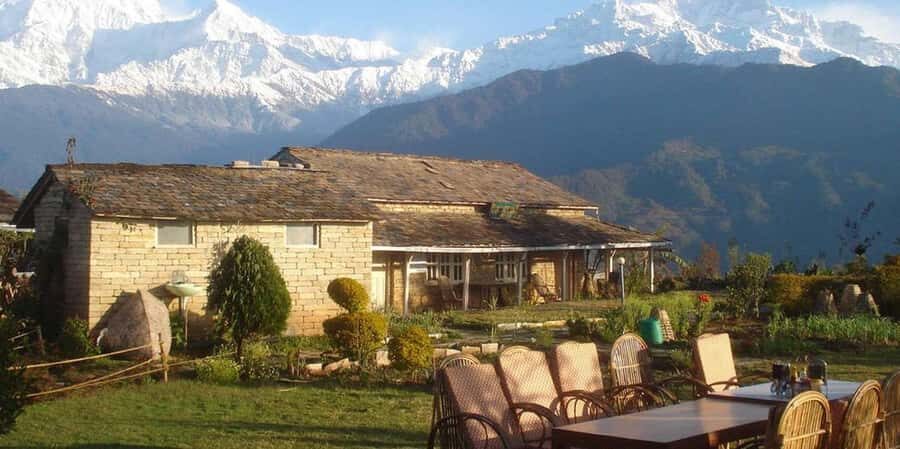
- Kathmandu hotel stay plus lodges or tea houses on trek
- all necessary permits and entrance fees
- porter for two trekkers
- farewell dinner and a trek certificate
- 2 nights in Kathmandu (3-star hotel, breakfast included)
- domestic air fare Kathmandu–Lukla–Kathmandu including airport tax
- meals: 12 breakfasts, 10 lunches, 10 dinners
What’s not included:
- personal expenses
- travel insurance
That last line matters. For EBC, insurance isn’t just a bureaucratic checkbox. Make sure your policy covers trekking and high-altitude activity appropriate to this route. This is especially important if weather forces changes or if altitude complications require additional help.
Fitness and Altitude Reality: How to Make This Trek Feel Manageable
The tour notes a moderate physical fitness level as a requirement. That’s useful because EBC isn’t usually for couch-to-summit adventures. You’ll benefit most if you already handle walking for hours and can manage steep stairs and uneven ground.
Also remember: you’ll have multiple acclimatization days built in at Namche Bazaar and Dingboche. That’s not just comfort—it’s a safety strategy.
Your best move is to treat each day like training for the next. Don’t try to prove anything on Day 3 or Day 5. Save your energy for the peak sequence toward Gorak Shep and Base Camp.
Who Should Book This Trek?
Book this private Everest Base Camp trek if you want:
- a guided, structured plan with permits, fees, and transport handled
- porter help so you can hike with less heavy load
- the classic route pacing with acclimatization built into the itinerary
- private group comfort and less coordination stress
It may not be the best fit if you hate fixed schedules, or if you’re the type who wants full self-guiding with zero organization. This trek is designed for smooth logistics, not improvisation.
Should You Book This 14-Day Private Everest Base Camp Trek?
I think this trek is a strong choice if you value organization and support as much as the destination. For EBC, the “hard part” isn’t only the distance. It’s managing altitude, timing, and the logistics that can eat your energy. This itinerary is built to protect those things: Kathmandu comfort first, clear acclimatization blocks, then the push up to Gorak Shep and Base Camp, followed by a structured descent.
If you’re deciding between self-planning and booking, this style of trek is worth it for the combination of private guiding, porter support, and domestic flights plus permits included. If your dates are flexible and your fitness is moderate, you’ll likely get the best version of the experience: steady days, fewer headaches, and mountains that do the talking.
FAQ
How long is the Everest Base Camp trek?
The trek is listed as 14 days (approximately).
Where does the tour start?
The start point is Tribhuvan Airport in Kathmandu, Nepal.
Is airport pick-up and drop-off included?
Yes. The tour includes airport pick-up and drop-off by private vehicles.
Are flights to Lukla included in the price?
Yes. Domestic air fare for Kathmandu–Lukla–Kathmandu, including airport tax, is included.
What accommodation is included during the trek?
Accommodation in Kathmandu is provided, and on the trek you’ll stay in lodges or tea houses.
Are permits and entrance fees included?
Yes. All necessary permits and entrance fees during the trekking are included.
Do you provide a porter for luggage?
Yes. A porter is arranged for two trekkers to carry your heavy gear.
What meals are included?
Breakfast is included 12 times, lunch 10 times, and dinner 10 times.
What is not included?
Personal expenses and travel insurance are not included.
What if the trek can’t run due to poor weather?
The experience requires good weather. If it’s canceled due to poor weather, you’ll be offered a different date or a full refund.