REVIEW · KATHMANDU
Langtang Valley Trek
Book on Viator →Operated by Glorious Himalaya Trekking Pvt. Ltd. · Bookable on Viator
Langtang Valley turns a nearby Himalayan trek into real wilderness. You go from Kathmandu’s temple city energy to dense forests, suspension bridges, and big mountain names like Langtang Lirung and Dorje Lakpa. I like how the route mixes easy lodge days with high-altitude payoff, especially around Kyanjin Gompa and the walk up Tserko Ri. I also like the practical support built into the plan: private transfers, a government-authorized guide, permits, and daily meals. One drawback to think about is altitude and trekking effort. Even with lodge comfort, you still face steep moments and the higher viewpoints demand respect.
What also makes this trek feel like good value is how much is handled for you before you even start walking. You get a welcome dinner with a cultural dance show, then a jeep ride to the trailhead at Syabrubesi, plus lodges and three meals per day while trekking. Your biggest consideration is that extras like WiFi, hot showers, and charging during the trek are not included, so you should plan to travel light on comfort tech.
In This Review
- Key highlights worth getting excited about
- Langtang Valley: Why This Trek Feels Close to Tibet
- Price and What You Really Get for $850
- Day-by-Day: From Tribhuvan to Syabrubesi and the First Forest Steps
- Lama Hotel to Langtang Village: Rhododendron Forests and Yak-Quiet Moments
- Kyanjin Gompa: The End of the Line, Cheese Factory Stops, and Tserko Ri
- The Return Downhill: Why Going Back Matters (and Saves Your Legs)
- Kathmandu Setup After the Trail: Thamel Time and Airport Drop
- Guides, Pace, and Group Style: How This Trek Stays Low-Stress
- Packing and Comfort: Lodges Are Simple, Not Spa-Level
- Should You Book the Langtang Valley Trek?
- FAQ
- How do I get from Kathmandu to the trek start?
- Where do I sleep during the trek?
- What meals are included on the trail?
- What is included in Kathmandu before the trekking starts?
- Is a porter included?
- Do I need permits for the trek?
- Are WiFi and hot showers included?
- What parts of the trek go to high elevation?
- What happens if the trek can not run due to weather?
- Can I cancel for a full refund?
Key highlights worth getting excited about
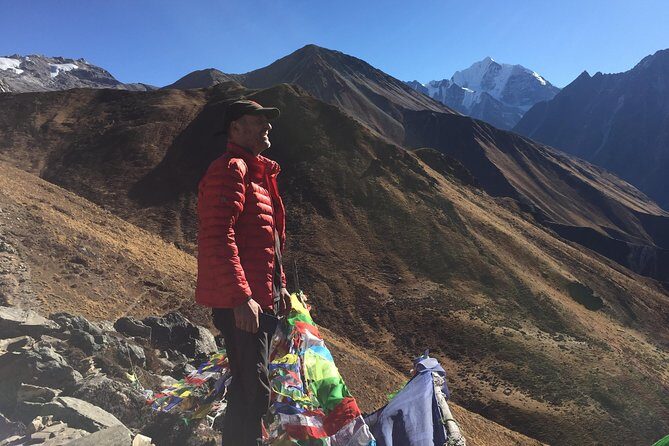
- Dense forest walking with rhododendrons: you pass through rhododendron, oak, and pine country early on.
- Kyanjin Gompa at the valley’s edge: last human settlement vibe, plus monasteries to visit.
- Glacier views that feel close: Langtang peaks and glaciers are part of the reward loop.
- Tserko Ri option: a climb to about 5000m for panoramic glacier views.
- Guide flexibility that matters: multiple guides mentioned in past trips adapt the plan to fit energy and goals.
- Lodge-based pacing: everyday meals and sleep at mountain guesthouses keep the focus on the trail.
Langtang Valley: Why This Trek Feels Close to Tibet
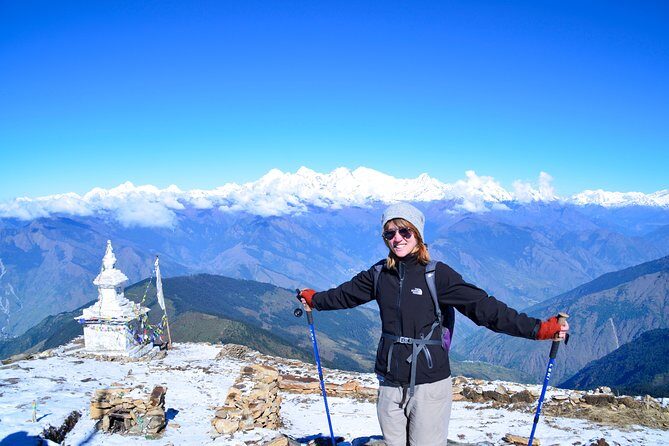
Langtang sits close to the Kathmandu Valley, but it does not feel like a drive-and-done outing. It’s a trekking region with a wilderness feel, and it’s often described as similar to the Tibetan highlands. That comes through in the scenery and the culture: Buddhist monasteries show up along the way, and the vibe in the upper valley is more mountain and prayer-steps than tourist strip.
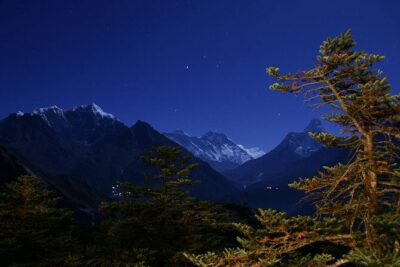
The season theme here is plants and peaks. Early and mid-trek, rhododendrons matter because they’re Nepal’s national flower, and you’ll be walking through dense forest where those colors can show up. Later, the focus shifts to the mountain walls you keep seeing and then re-seeing from different angles. This region is associated with named summits such as Langtang Lirung, Langtang Ri, Dorje Lakpa, Langshisa Ri, and Langtang Himal.
There’s also a glacier storyline. Langtang is sometimes called the Valley of Glaciers, and you get the payoff via multiple glacier origins cascading down from the Himalayas. In plain terms: you keep feeling like the mountains are working overtime, right up close.
If you like your trekking to mix forests, villages, and real high-country views without needing technical climbing, this is one of the better Nepal choices from a practical standpoint.
You can also read our reviews of more hiking tours in Kathmandu


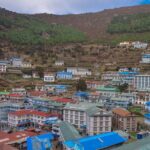
Price and What You Really Get for $850
At $850 per person for an about 10-day trek, you’re paying for convenience and risk reduction, not just logistics. The trip price includes airport and hotel shuttle in Kathmandu by private jeep or car, a welcome dinner with cultural dance show, and 2 nights in Kathmandu hotel with breakfast. Then, once trekking starts, you’re covered for essential trekking and entry permit fees, a government-authorized trekking guide, and local lodge accommodation.
You also get daily structure: three meals every day during the trek (breakfast, lunch, dinner). That’s a big deal. In remote areas, meal hunting becomes slow and stressful. With meals included, you can just keep moving.
Transport is also part of the value. You’ll take local jeep transport from Kathmandu to Syabrubesi and again back to Kathmandu. Those rides can be bumpy and time-consuming, so having them arranged matters.
Two things are worth knowing so there are no surprises.
First, a porter is not included. If you prefer lighter personal load, you’ll likely want to budget extra. Second, WiFi, hot showers, and charging are not included. Lodges vary, but the program is set up as a trekking experience, not a power plug vacation.
Finally, the trip is listed as private for your group and mentions pickup, group discounts, and mobile ticket use. If your priority is smooth coordination without crowds, that matches how the trek is organized.
Day-by-Day: From Tribhuvan to Syabrubesi and the First Forest Steps
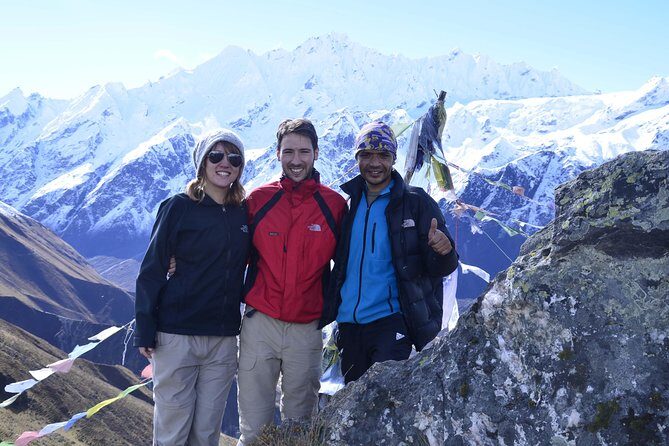
Day 1 starts with the easy win: arrival support at Tribhuvan International Airport in Kathmandu, followed by a private transfer to your hotel. This matters because Kathmandu arrival days can go sideways fast when you’re tired and dealing with connections or paperwork.
Day 2 is your long but scenic ramp-up. You drive from Kathmandu to Syabrubesi in about 7 hours by local jeep. This road day is not wasted time. The route follows the Trisuli River, and you can catch glimpses of Ganesh Himal, Tibet peaks, terraces, and green hills. It’s the part of the trip where your brain gets oriented: Nepal is green, the mountains are close, and you are heading toward the quieter valleys.
Day 3 becomes your first trekking test. You start by following the Langtang River. The trail includes forest walking and suspension bridges, plus plenty of up-and-down movement typical of Himalayan valleys. You reach Lama Hotel for the night.
What I like about this early section is that it builds confidence. After a big jeep day, your body needs time to adjust. You still walk hard enough to feel like a trek, but you don’t jump straight into the highest viewpoints on day one.
Possible consideration: those suspension bridge and forest sections can feel repetitive if you walk slowly. The fix is simple: use breaks for breathing and water, not for staring at the scenery the whole time.
Lama Hotel to Langtang Village: Rhododendron Forests and Yak-Quiet Moments
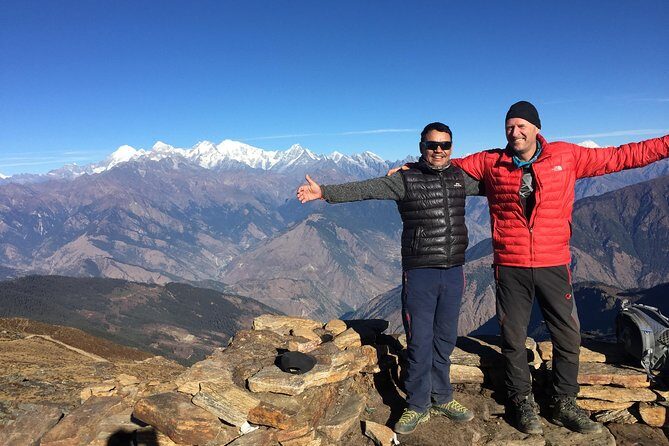
Day 4 is all about forest and village views. The route climbs through rhododendron, oak, and pine forests. That mix matters because it changes the shade and the walking feel as you rise. You can also look out for Langtang snow peaks from the forest edges.
Then you hit the cultural payoff: grazing domestic animals. From this segment, you get a glimpse of yaks, cows, sheep, goats, and horses in the higher pasture feel of the region. You also reach Langtang village, described as one of the oldest villages on this trekking trail. Even without getting poetic about it, old settlements on a high trail tell you a story: people have been living in and traveling through this terrain for a long time.
This day is a good balance for most fitness levels, especially if you pace yourself and take short stops before your lungs complain. A common mistake on treks like this is to treat day 4 like a hike race. It’s not. It’s a slow grind toward a bigger altitude plan.
Kyanjin Gompa: The End of the Line, Cheese Factory Stops, and Tserko Ri
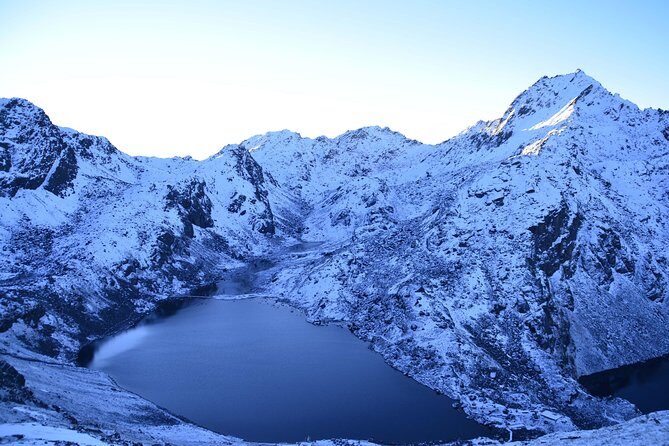
Day 5 is a shorter trekking day aimed at getting you to Kyanjin Gompa. It takes about 3 hours to reach, and Kyanjing is described as the last human settlement of the Langtang valley. That last-settlement feeling is important. It changes the atmosphere. You’re not just passing through; you’re stepping into the place that the valley funnels toward.
Once there, you get a very practical activity: visit the cheese factory and buy cheese. The cheese is said to be famous all over Nepal. You also have monasteries to visit, which connects the mountain to the local way people interpret the world around them.
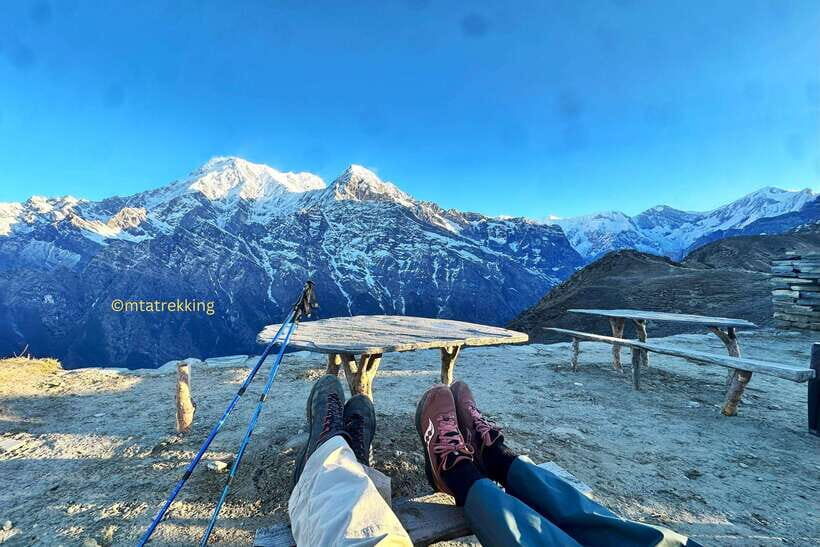
Day 6 is your main sightseeing and altitude-view day. You’ll explore old Buddhist monasteries and do a small walk to take in icy cones of Langtang peaks and glaciers that originate from the Himalayas. You can then make another walk up to Tserko Ri (about 5000m) for a panoramic view of Langtang glaciers and Langshisa Kharka, which is described as a yak pasture land.
This is where you should be most careful with expectations. At higher elevations, even a calm walking pace can feel harder. But it’s also the day most likely to feel like the whole trek added up to something. If you do one higher viewpoint during the trip, Tserko Ri is the one built in.
A note based on what guides have managed in past trips: some groups have been able to push for additional climbs such as Kyanjin Ti alongside Tserko Ri when energy and conditions allow. If you’re fit and your guide thinks it’s sensible, you might ask about it. If you’re not, you still get plenty with the monastery walks and Tserko Ri viewpoint plan.





The Return Downhill: Why Going Back Matters (and Saves Your Legs)
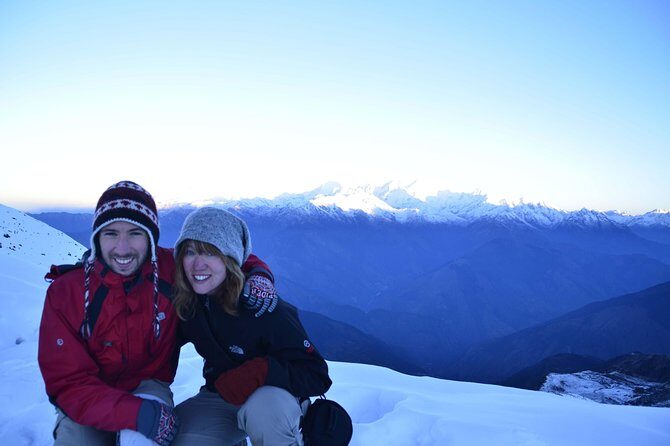
Days 7 and 8 flip the script from high concentration to downhill recovery. After breakfast on day 7, you trek back down to Lama Hotel for about 6 hours. The walk goes through green forest and ethnic Tamang settlements. That matters because it gives you a different view of the same region while your body resets.
Day 8 continues the descent to Syabrubesi for about 6 hours, described as an easy downhill through lush green vegetation. The downhill is not always effortless, but it tends to be easier psychologically. You’re moving away from altitude stress and toward a real bed.
Why returning matters: you get more chances to notice small details you missed on the way up, and you preserve your strength for Kathmandu after.
Practical consideration: downhill can still beat up knees if you stride too fast. Use shorter steps, keep a steady cadence, and let your guide set the pace. This is also where having a thoughtful guide helps. In past experiences coordinated by guides like Prakash, Bishal, Buddhi, and Ram, people emphasized safety and smooth pacing, not speed.
Kathmandu Setup After the Trail: Thamel Time and Airport Drop
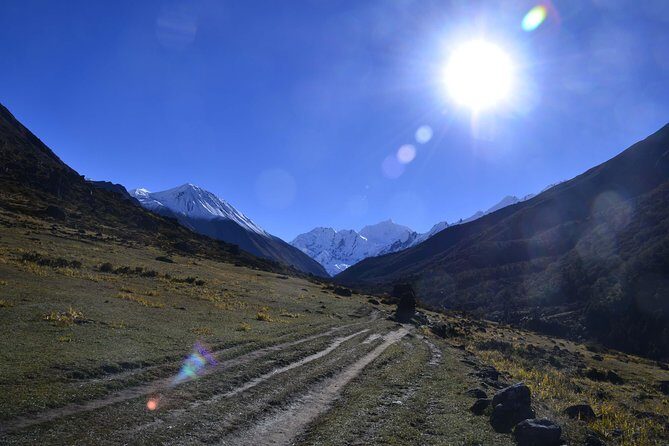
Day 9 takes you back to Kathmandu by local jeep or bus from Syabrubesi. After about a 7-hour ride, you get to your Kathmandu hotel and can freshen up. If you like, you can spend time in Thamel for shopping and eating.
Thamel is a good final-day choice because you’re tired and you don’t want a long transit problem on your last evening. It’s also a place where you can pick up trekking-friendly items you might have forgotten: socks, light layers, sun protection, and simple souvenirs.
Day 10 is the airport drop to catch your flight home or onward. After 10 days in the high country, this final transfer can feel like the quiet part of the trip. Still, it is worth being ready early so you avoid last-minute stress.
Guides, Pace, and Group Style: How This Trek Stays Low-Stress
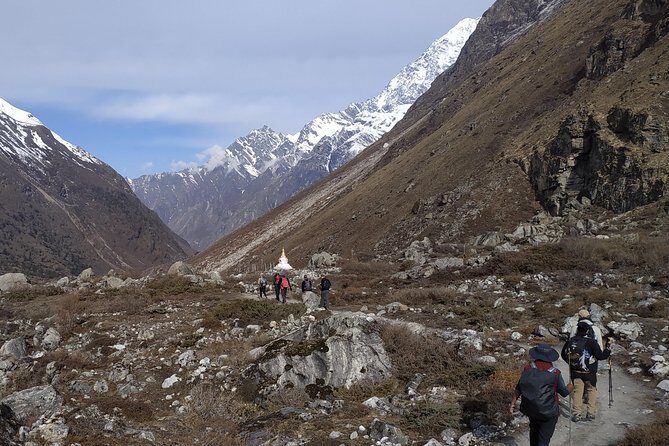
Even the best itinerary falls apart if the human support is weak. What stands out in how this trip is run is the emphasis on organization and guide support.
In previous trips coordinated by Glorious Himalaya’s team, names like Ganesh (often mentioned for coordination and communication), and guides such as Prakash, Keshab, Bishal, Buddhi, Ram, and Zagat show up as part of a well-run experience. The common thread is practical helpfulness: answering questions, keeping you safe, and adjusting the pace so you actually enjoy the trail rather than just survive it.
Because this is private for your group, you’re not stuck moving at someone else’s rhythm. The plan is also built around moderate physical fitness. That doesn’t mean it’s a stroll. It means the route is designed with lodge stops, daily meals, and a structure that gives you time to acclimate.
One more detail: communication before and during the trek seems to be a strong point. People have mentioned easy contact before the start, along with flexibility once the trek is underway. That’s the kind of thing you feel most on the hard days: when you’re tired, unsure, or just trying to figure out what makes sense for your body.
Packing and Comfort: Lodges Are Simple, Not Spa-Level
This is a lodge trek. That means you will sleep in local lodge rooms each night during the trekking portion and eat there too. But comfort features are limited by design.
WiFi, hot shower access, and charging are not included. So set your expectations before you go. Bring what you need for basic hygiene and keep your power strategy simple. If you want to use a headlamp, extra batteries, and a reliable water approach, plan for those needs now.
The program says that if needed, they can provide a company duffel bag and sleeping bag to use for the trek. That’s helpful if you travel light or you don’t want to pack bulky gear. Still, you’ll want to check your own comfort needs and layering system ahead of time, since temperatures change quickly with altitude.
Also, you’ll get a first aid medical kit box during the trek. That doesn’t replace common sense, but it’s part of why guided trips feel safer.
Should You Book the Langtang Valley Trek?
If your goal is a high-mountain trek close to Kathmandu that mixes forests, villages, monasteries, and glacier viewpoints, this is a strong choice. It’s especially appealing if you want to keep logistics controlled: permits handled, a government-authorized guide, daily meals, and local transport arranged.
Book it if:
- You want a 10-day trek with lodge comfort and a built-in high-altitude day around Kyanjin Gompa and Tserko Ri.
- You value a well-organized team and a guide who adjusts pacing and plans.
- You like the idea of seeing rhododendron forests plus the glacier payoff without technical gear.
Consider skipping or switching plans if:
- You are highly sensitive to altitude or you dislike any steep hiking moments. Even with gradual structure, Tserko Ri and the high viewpoints demand a steady pace.
- You need reliable hot showers, WiFi, or easy charging. Those are not included.
For most people with moderate fitness, Langtang Valley hits a sweet spot: big views, cultural stops, and a trail that feels real rather than manufactured.
FAQ
How do I get from Kathmandu to the trek start?
You’ll use private airport and hotel shuttles in Kathmandu, then take local jeep transport from Kathmandu to Syabrubesi. The ride is about 7 hours.
Where do I sleep during the trek?
You’ll stay in local lodges each night during the trekking portion, including nights at places such as Lama Hotel and at the Kyanjin Gompa area.
What meals are included on the trail?
The trek includes three meals every day during the trekking days: breakfast, lunch, and dinner.
What is included in Kathmandu before the trekking starts?
The package includes 2 nights in Kathmandu hotel with breakfast, plus a welcome dinner at a typical local restaurant with a cultural dance show.
Is a porter included?
A porter is not included in the price. If you want porter help, it’s available for an extra cost.
Do I need permits for the trek?
Yes, the package includes essential trekking and entry permit fees.
Are WiFi and hot showers included?
No. WiFi, hot shower access, and charging are not included during the trek.
What parts of the trek go to high elevation?
You reach Kyanjin Gompa (around 3870m per provided trip details) and you can walk up to Tserko Ri (about 5000m) for panoramic views.
What happens if the trek can not run due to weather?
The experience requires good weather. If it’s canceled due to poor weather, you’ll be offered a different date or a full refund.
Can I cancel for a full refund?
Yes. You can cancel up to 24 hours in advance of the experience for a full refund. If you cancel less than 24 hours before, the amount paid is not refunded.