REVIEW · KATHMANDU
Dive into Spirituality: 6 Days Trek to Gosaikunda Lake
Book on Viator →Operated by Mountain Hike Nepal · Bookable on Viator
Sacred lakes make mornings feel different. This short Gosaikunda Lake trek mixes spiritual kunda visits with big Langtang peak views, so the days feel meaningful even when your vacation is limited. I also like the practical route: drive to Dhunche, then walk uphill to Chandanbari and back, ending with a relaxed return to Kathmandu. One consideration: it’s only six days, so the walking days can still feel demanding, especially the 6–7 hour uphill stretch.
What makes it extra workable from Kathmandu is the overall setup: public transport to and from the trail area, teahouse stays on twin sharing, and an English-speaking guide plus a Sherpa porter to help keep your pace steady. You’ll want to be ready for mountain basics too: drinks, hot showers, and internet are not part of the package.
In This Review
- Key highlights you’ll feel quickly
- Why Gosaikunda feels like a pilgrimage, not a scenic detour
- Price and value: what $735 really covers
- Day 1: Kathmandu to Dhunche, the travel day that sets your pace
- Day 2: Chandanbari uphill, your first real effort
- Day 3: Gosaikunda Lake, kundas, worship, and mountain views
- Day 4: Back to Chandanbari, when the trail feels familiar
- Day 5: Chandanbari to Dhunche, the downhill that tests your knees
- Day 6: Dhunche back to Kathmandu, time to process the week
- Langtang National Park wildlife: possible, not guaranteed
- Guide and porter setup: why this matters on a six-day trek
- Teahouses and meals: what you’ll actually live on
- Who should book this Gosaikunda trek
- Should you book this 6-day Gosaikunda Lake trek?
- FAQ
- How long is the trek and when do we start?
- What’s included in the $735 price?
- What’s not included?
- What permits do I need for this route?
- Is travel insurance required?
- What happens if the weather is poor?
Key highlights you’ll feel quickly
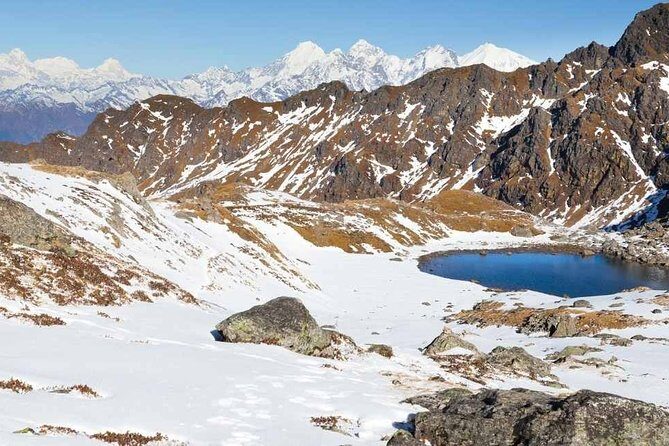
- Gosaikunda’s sacred kunda circuit: Surya Kunda, Saraswoti Kunda, Bhairab Kunda, and more, with worship at the lake
- A time-efficient Langtang trek: compact enough for a short holiday, still packed with mountain moments
- Real village-to-lake trekking: you’ll move through ethnic villages and shifting terrain
- Permit-covered route: Langtang Conservation Area Permit and TIMS card are included
- Wildlife potential in Langtang National Park: red pandas and snow leopards are possible (not guaranteed)
Why Gosaikunda feels like a pilgrimage, not a scenic detour
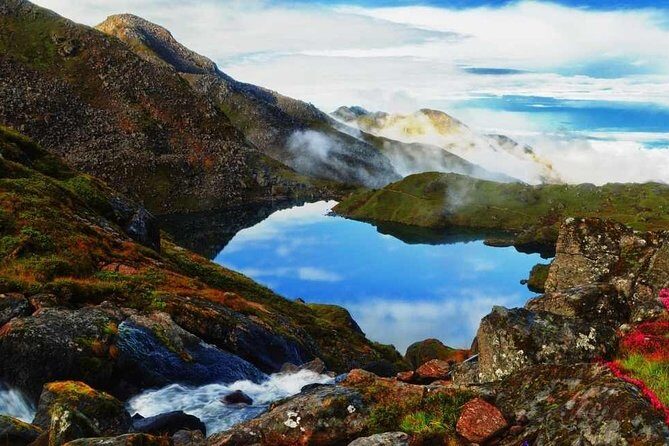
Gosaikunda isn’t just a pretty high lake. It’s respected by Hindus and Buddhists, and that shows up in how the day unfolds when you reach the water. You don’t just arrive, take photos, and leave. You visit multiple kundas around the lake, including Surya Kunda, Saraswoti Kunda, and Bhairab Kunda, and you can worship at the holy site. That ritual rhythm is the heart of the trek.
I like that the experience is built around meaning first. The lake day is also the day you get the best sense of scale—views of Langtang Himal and Ganesh Himal are specifically part of the plan. So even if you’re not religious, you get the human side of the mountains: people moving, pausing, and paying attention in a place that has been important for a long time.
You can also read our reviews of more hiking tours in Kathmandu


Price and value: what $735 really covers
At $735 per person, the big question is what you’re paying for beyond the trek itself. In this package, a lot of the “gotchas” are handled upfront:
- Kathmandu to Dhunche to Kathmandu by public transport
- All local meals during the trek (breakfast/lunch/dinner)
- Teahouse accommodation on twin sharing
- Langtang Conservation Area Permit and TIMS card
- An experienced English-speaking trekking guide plus a Sherpa porter (for every 2 trekkers)
- Government taxes and service charge
That’s meaningful value if you want to avoid coordinating permits, meal planning, and logistics while you’re also trying to enjoy the mountains.
What’s not included is also worth noting so you don’t get surprised: tips for the guide and porter, Kathmandu meals and accommodation, drinks, hot shower, and internet. Travel insurance is compulsory for an adventure trip, and that’s a fair requirement—mountain time can be unpredictable.
Day 1: Kathmandu to Dhunche, the travel day that sets your pace
You’ll start with a drive from Kathmandu to Dhunche, going via Trisuli Bazar. Then you overnight in Dhunche and reset for the walking day ahead.
This first day matters more than it sounds. It gets you out of the city and into the start of the Langtang region without asking you to jump straight into long hikes. You also get a clear rhythm: an early start the next morning, and then steady trekking days after that. If you’ve ever started a trek exhausted from travel, you’ll appreciate why this day-to-day structure helps.
A minor drawback: the drive day can feel long, and you’ll want to treat it like part of the trek. Hydrate, keep your warm layers handy, and don’t plan anything intense in Kathmandu the morning you depart.
Day 2: Chandanbari uphill, your first real effort
Day 2 is your dissent uphill trek to Chandanbari, around 6–7 hours. This is the first day where your legs learn the trail’s character. It’s uphill, and uphill days change your pace fast—so go slow enough that you can finish with good form, not just determination.
This is also where you’ll learn if your “moderate fitness” level is enough. The package calls for moderate physical fitness, and that’s exactly what this day tests: can you keep moving consistently, even when it’s tiring?
If you’re prone to rushing, this is the place to resist it. You’re not trying to win the trail. You’re building endurance so Day 3 feels more spiritual than punishing.
Day 3: Gosaikunda Lake, kundas, worship, and mountain views
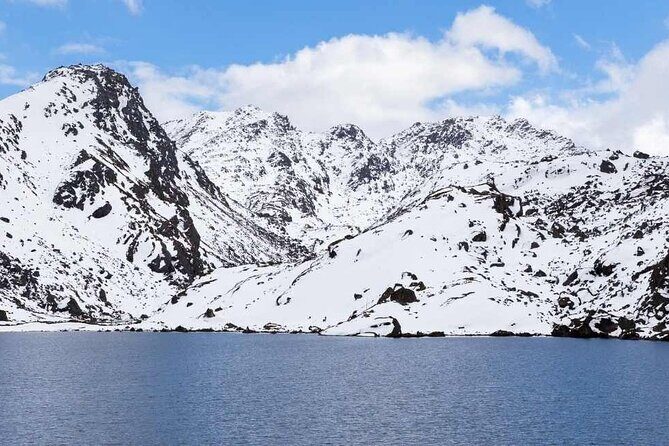
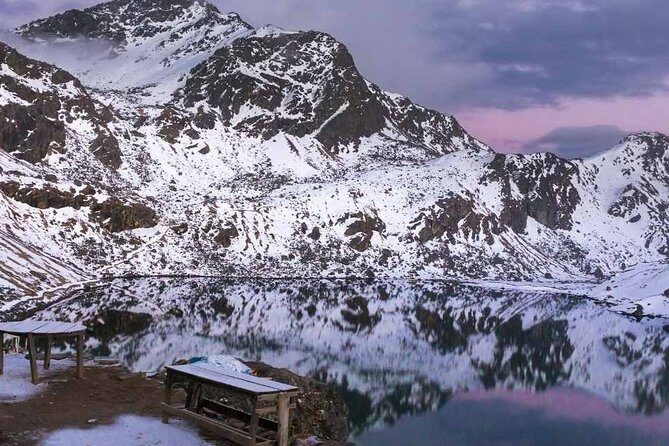
This is the main event. You start early in the morning and trek to Gosaikunda, the holy lake. When you reach the lake area, you’ll get to visit several kunda shrines—Surya Kunda, Saraswoti Kunda, Bhairab Kunda, and others included in the route—before worship in and around Gosaikunda Lake.
What makes this day special is the sequence. You arrive and then participate in the place, not just look at it. Even if you’re standing on the edge and watching rather than fully joining in, you’ll feel the energy of devotion. In Nepal, that kind of focus makes a big difference. It turns the trek into a journey.
Then there’s the payoff view side: you’ll see breathtaking mountain views of Langtang Himal and Ganesh Himal. The plan specifically calls out these peaks, and that matters because it means your time at the lake isn’t wasted on “maybe you’ll get views.” You’ll also overnight near the lake.
One practical consideration: a lake day can be cold and windy. Even without specific temperature details in the package, you’ll want warm layers and a way to handle chilly mornings.
A few more Kathmandu tours and experiences worth a look
Day 4: Back to Chandanbari, when the trail feels familiar
Day 4 brings you back to Chandanbari. The idea here is to keep the trekking moving without adding extra “new” stress. You’ll make memorable moments along the route—think of it as the same trail, but with a different mindset after reaching the sacred lake.
This day is often mentally easier than Day 3 because you already did the big spiritual and view moment. Still, don’t treat it like a rest day. Walking is walking, and the cumulative effect matters in six-day treks.
If you’re managing blisters, Day 4 is when you want to be proactive. Small adjustments—tightening your pace, checking footwear, and managing any foot hotspots early—save you for the downhill return.
Day 5: Chandanbari to Dhunche, the downhill that tests your knees
Day 5 is the return trek from Chandanbari to Dhunche, and the plan specifies it’s downhill. Downhill trekking can feel easier on breathing, but harder on knees, shins, and ankles.
This is where good technique helps: shorter steps, controlled descents, and staying loose rather than locking your legs. You’ll thank yourself later, especially because you still have Day 6’s drive back to Kathmandu.
If you’ve had knee issues on past hikes, you’ll want to pay extra attention here. Downhill is the one part of the itinerary that can turn from “manageable” to “annoying” if your body isn’t used to it.
Day 6: Dhunche back to Kathmandu, time to process the week
On the final day, you drive back to Kathmandu. This is the clean finish: no more long walking, just a return to city life and the time to process what you experienced.
After a week that centers on worship, walking through ethnic villages, and high mountain views, Kathmandu feels different. The busy rhythm of the city doesn’t vanish, but you’ll likely notice how quiet the lake day became inside your head.
Langtang National Park wildlife: possible, not guaranteed
The route is associated with the Langtang National Park area, and wildlife is part of the appeal. The overview highlights rare species like red pandas and snow leopards.
Here’s the honest way to think about it: animals in the wild are never promised. What you can do is stay alert and enjoy the chance. Even if you don’t see anything special, the general sense of being in real protected mountain country adds weight to the trek.
Guide and porter setup: why this matters on a six-day trek
This trek includes one experienced English-speaking guide and a Sherpa porter. The porter is listed with a ratio of 2 trekkers to 1 porter, which means you’re not carrying everything yourself. That can be a big deal on a short trek where fatigue builds faster.
Also, a guide does more than translate signs. They help with pace, daily decisions, and keeping the schedule moving. On a compact 6-day itinerary, that coordination matters—one slow day can steal time from the next.
One extra detail from customer experiences: a guest who originally aimed for Everest Base Camp decided to go with Langtang instead due to limited time, and they credited guidance from Manish at Mountain Hike Nepal for making the choice work. That’s exactly the kind of value you want from a planning team.
Teahouses and meals: what you’ll actually live on
During the trek, breakfast/lunch/dinner are included, plus teahouse accommodation on twin sharing. That’s a good structure for value and energy. You can eat without budgeting every meal, and you can focus on walking.
What’s not included: drinks (including tea/coffee/water/soft drinks/alcohol) and hot shower. Internet isn’t included either. Plan for mountain-mode comfort, not hotel-mode convenience.
If you’re coming from Kathmandu, you’ll likely feel the difference quickly: fewer creature comforts, more quiet. It’s part of why these short high-mountain trips still feel intense in a good way.
Who should book this Gosaikunda trek
This is a strong choice if:
- You want a short, focused trek instead of a long expedition
- You care about spiritual sites and want to visit Gosaikunda’s kundas
- You’d like Himalayan views without spending weeks trekking
- You prefer a structured plan with permits, meals, and a guide handled
It may not be your best fit if:
- You want a fully easy stroll—Day 2 is an uphill 6–7 hour walk
- You strongly rely on hot showers and paid drinks every day
- You have limited flexibility if weather turns (the experience requires good weather)
Should you book this 6-day Gosaikunda Lake trek?
I’d book it if your priority is meaningful travel that doesn’t eat your whole calendar. The route is compact, the Gosaikunda Lake component is purpose-built, and the package includes enough essentials that you can move through the mountains without constant logistics stress.
I’d pause if you’re sensitive to downhill strain, or if your plans don’t allow for weather delays. Since the trek requires good weather and can be rescheduled or refunded if canceled for poor conditions, it helps to build your Nepal time with some breathing room.
Bottom line: if you want a spiritual mountain experience close to Kathmandu—without turning it into a months-long project—this one is a practical way to do it.
FAQ
How long is the trek and when do we start?
The trek is about 6 days, and the meeting point start time is 5:45 am.
What’s included in the $735 price?
The price includes Kathmandu to Dhunche to Kathmandu by public transport, local meals during the trek, teahouse twin-sharing accommodation, Langtang Conservation Area Permit, TIMS card, an English-speaking trekking guide, Sherpa porter support, and government taxes/service charge.
What’s not included?
Not included are tips for the guide and porter, meals and accommodation in Kathmandu, drinks (including tea/coffee/water/soft drinks/alcohol), hot shower, and internet.
What permits do I need for this route?
You’ll need the Langtang Conservation Area Permit and a TIMS card, and both are included in the package.
Is travel insurance required?
Yes. Travel insurance is compulsory for this adventure trip.
What happens if the weather is poor?
The experience requires good weather. If it’s canceled due to poor weather, you’ll be offered a different date or a full refund.
If you want, tell me your hiking experience and fitness level, and I’ll suggest how this itinerary usually feels day-by-day for your situation.