REVIEW · KATHMANDU
6 Days Poon Hill – Ghandruk Circuit Trek from Kathmandu
Book on Viator →Bookable on Viator
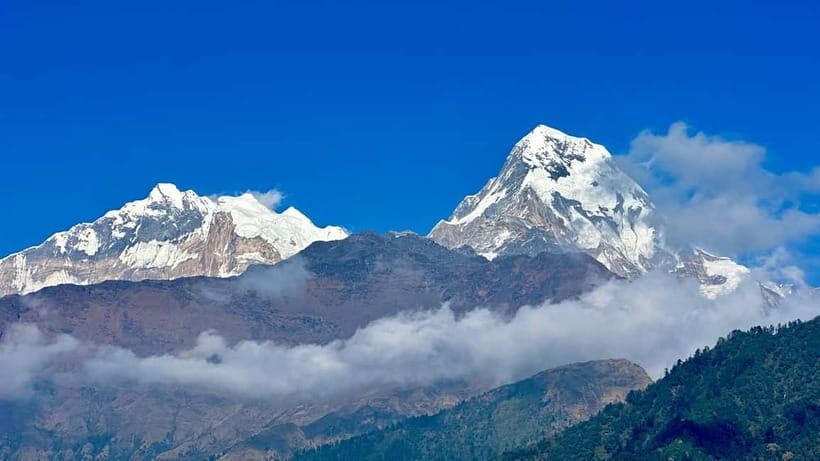
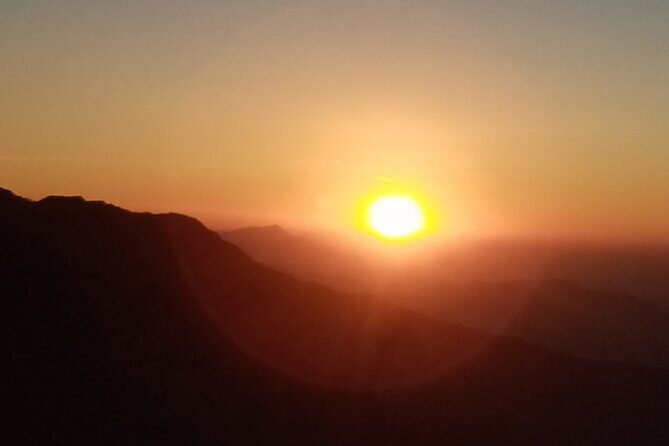
Sunrise in the clouds beats most big-city mornings. This trek is one of the most popular Annapurna routes for a reason: you get Poon Hill sunrise views and a real taste of village life in Ghandruk Gurung culture. The route also layers in Rhododendron forests, suspension bridges, natural rivers, and classic trekking rhythms over just six days.
One thing to consider first: you’ll be up early, and you’ll be buying your own meals along the way. Guest house nights keep things simple, so if you want hotel-level comfort every night, this may feel a little rustic.
In This Review
- Key Things I’d Plan Around
- Why Poon Hill and Ghandruk Still Work (Even When They’re Popular)
- Getting There: Kathmandu to Pokhara by Tourist Bus
- Trek Day 2: Ulleri Starts the Climb and Sets the Tone
- Trek Day 3: Ghorepani and the Rhododendron Rhythm
- Trek Day 4: Poon Hill Sunrise Is the Big Payoff
- Trek Day 5: Ghandruk Village, Culture Time, and the Descent Day
- Trek Day 6: Back to Kathmandu on a Tourist Bus
- Transport and Group Style: Private for Your Group, Not Solo Stress
- Permits, TIMS, and What Your Guide Actually Does
- Price and Value: What $340 Really Buys You
- What to Expect Day to Day (Without the Fantasy Expectations)
- Packing and Comfort Tips for This Exact Itinerary
- Who This Trek Suits Best
- Should You Book This Poon Hill and Ghandruk Circuit Trek?
- FAQ
- How long is the Poon Hill to Ghandruk circuit trek?
- What’s the meeting/start time in Kathmandu?
- How much does the trek cost?
- Is the trek guided and in English?
- Are meals included in the price?
- What kind of lodging is included during the trek?
- Are trekking permits included?
- What is the cancellation policy?
Key Things I’d Plan Around
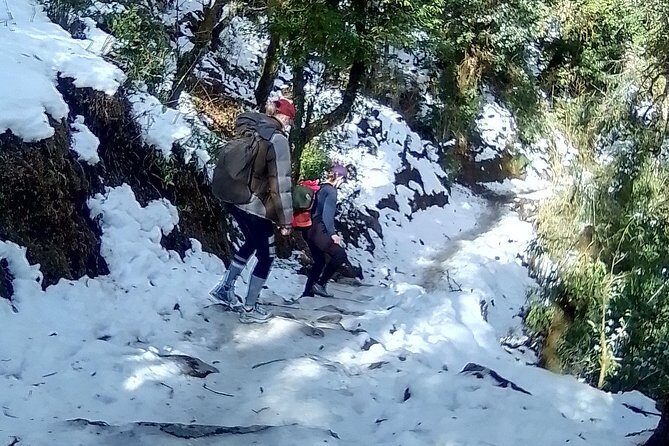
- Early Poon Hill wake-up: the big payoff comes from a short hike timed for sunrise.
- Guest house trekking nights: basic lodging is included, but your expectations should match the setting.
- English-speaking guide support: the trek is guided, and guides you’ll likely meet (like Prakash and Bisham) are known for being helpful and cheerful.
- Ghandruk is the culture highlight: expect Gurung village exploring after the long descent day.
- Transport is built in: Kathmandu to Pokhara by tourist bus, plus local transfers tied to the trek start/finish.
Why Poon Hill and Ghandruk Still Work (Even When They’re Popular)
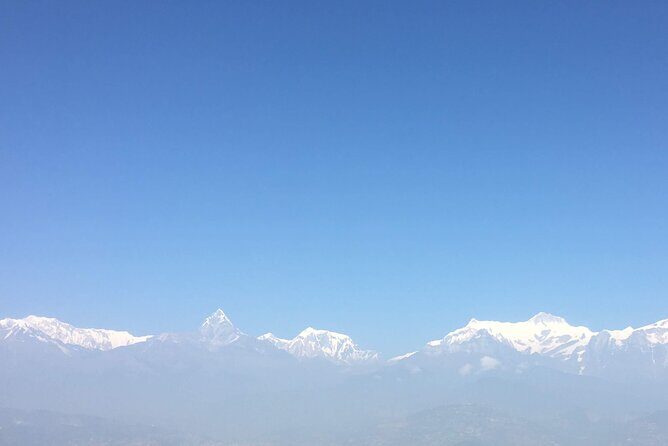
Poon Hill sits in that sweet spot where the effort is doable, but the reward feels huge. You’re not asking for a week of deep wilderness travel just to see Annapurna views. With an early hike to the viewpoint, you’re chasing the kind of sunrise sky that makes people stop talking mid-sentence.
Then the trip shifts gears from wide mountain panoramas to human-scale travel. Ghandruk is a Gurung village, and that matters because you’re not just walking through scenery. You’re spending time in a community where local culture is part of daily life, from homes to village rhythm.
This is also a smart format if you want variety without losing your footing. Rhododendron forests bring seasonal color and cooler air. Suspension bridges and river crossings add “moving moments” instead of only uphill and downhill. In six days, the trek keeps you busy—without feeling like a never-ending grind.
You can also read our reviews of more hiking tours in Kathmandu


Getting There: Kathmandu to Pokhara by Tourist Bus
Day 1 is travel-heavy, on purpose. You’ll start with a hotel pickup in Kathmandu around 6:30 am, then shuttle to the bus station by private car. From there it’s roughly a 7-hour bus ride to Pokhara.
Once in Pokhara, you’ll transfer to a hotel in the Lakeside area, with a 2-star level included. Lakeside is convenient because you’re near restaurants, walking paths, and an easy place to recalibrate before the trek. It also keeps you close to where the next-day transfer starts.
The practical upside here is that you’re not stitching together multiple tickets and transfer arrangements. You’re handed a simple chain: pickup, bus, hotel transfer. The only catch is that a long bus day can feel tiring if you’re arriving already jet-lagged.
Trek Day 2: Ulleri Starts the Climb and Sets the Tone
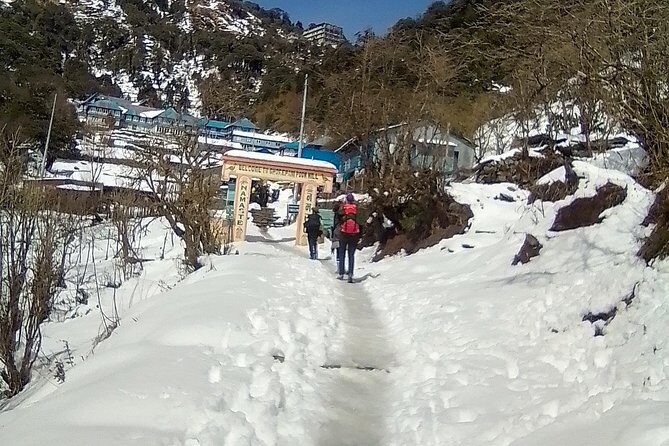
You begin Day 2 around 8:30 am. First you drive to Nayapul (about 1.5 hours), and then you start trekking. This day is listed as about 6 hours on foot.
Ulleri is a classic stop on this circuit, and it’s a good “warm-up” day in the sense that the trek fully starts here. You’ll settle into walking pace and footing, while the route brings you those early sights that make people remember Annapurna Region treks.
What I like about this setup is that it reduces decision fatigue. You’re not wondering where to start, how long it takes, or whether you’re on the right trail. The guide and schedule handle that, so you can focus on moving and enjoying the route.
Trek Day 3: Ghorepani and the Rhododendron Rhythm
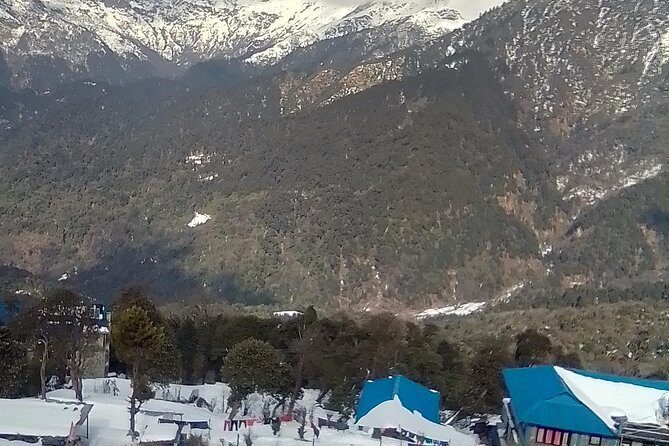
Day 3 continues the trek toward Ghorepani, with another about 6 hours of walking. This is where the trip starts leaning into the “signature” elements: Rhododendron forests and strong mountain viewing potential.
Rhododendron forests matter on this kind of trek because they change the walking texture. Instead of only open ridge lines, you get stretches that feel cooler and more enclosed. The canopy also helps with light when you’re trying to photograph without harsh glare.
The itinerary notes great views of Mt. Annapurna from this part of the route. That’s the kind of promise you hope for on any trek here, but it’s also something you should treat realistically. Weather in the mountains can shift fast, so keep layers handy and be ready to treat visibility as luck plus patience.
Trek Day 4: Poon Hill Sunrise Is the Big Payoff
This is the day you plan around. You hike to Poon Hill early (about 45 minutes to reach the viewpoint) for the sunrise over the Annapurna range.
I love how this works for first-time trekkers and busy travelers. The climb isn’t long enough to drain you before the event, but it still gives you that “earned view” feeling. You’re moving with a purpose, and then you stop at the payoff point.
Two practical notes:
- Sunrise timing depends on conditions. If clouds roll in, you’ll still get mountain atmosphere, but the dramatic panorama might be muted.
- There’s an admission ticket not included for this day. So budget a small extra amount if the viewpoint requires it.
After time at Poon Hill, you continue trekking for about 7 hours. That long walking block is important. It means the sunrise moment is not the whole day. It’s the highlight, yes, but the itinerary keeps the momentum going toward the next overnight area.
If you like treks that feel active all day—not just a quick photo stop—this is your rhythm.
A few more Kathmandu tours and experiences worth a look
Trek Day 5: Ghandruk Village, Culture Time, and the Descent Day
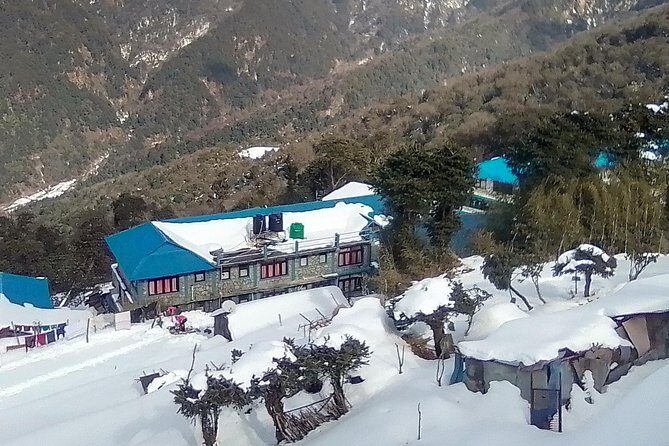
Day 5 is the culture and descent day. You trek down to Ghandruk Village, listed as about 7 hours. Once you reach Ghandruk, you explore the area.
This is where the trip shifts from “mountain viewing” to “people watching.” Ghandruk is noted as a Gurung village, and that’s the anchor for your time there. Instead of rushing through a single viewpoint, you get a chance to slow down and look at the village setting.
Then you’re not stuck trekking all the way back to the highway. You take a sharing jeep from Ghandruk/Khímche to Nayapul (about 1.5 hours), and then a car drive back to Pokhara from Nayapul.
The value of this sequence is big. It saves your legs after the walking day while still keeping the journey feeling connected from the village to town. The only consideration is that jeep and road segments can be a bit bumpy, so if you’re sensitive to motion, plan for it.
Some guides are also known for adding thoughtful extras like cultural stops in Ghandruk when timing allows, so you can ask your guide what’s worth seeing in town once you arrive.
Trek Day 6: Back to Kathmandu on a Tourist Bus
On the final day, you head back to Kathmandu. Morning transfer is around 7:00 am from Pokhara to the bus station, followed by another roughly 7-hour tourist bus ride.
It’s a straightforward wrap-up day. You return to Kathmandu without needing extra planning or extra drivers. And because the trekking is finished, you don’t need to worry about packing trekking gear for the next stage.
This day is less about scenery and more about comfort and pacing. Bring a layer for the bus and treat it like travel time, not part of the trek highlight.
Transport and Group Style: Private for Your Group, Not Solo Stress
The experience is set up as a private tour/activity, meaning only your group participates. That’s a practical advantage if you want your pace respected and fewer mixed-group logistics.
At the same time, there are hints of flexibility through group discounts, which can make it more affordable when the operator has options. In real life, that often means pricing that’s competitive for private guiding without the huge solo-traveler premium.
Pickups and transfers are clearly organized: hotel shuttles in private car, trekking start and end transfers, and Kathmandu-Pokhara by tourist bus. The fewer moving pieces you manage yourself, the more energy you keep for the walking days.
Permits, TIMS, and What Your Guide Actually Does
One thing I like in this package is that the essentials are included: trekking permit and TIMS. That’s not glamorous, but it’s valuable because it removes a time-sink and reduces the chance of travel-day surprises.
You also get an English-speaking trekking guide during the trek. In guide feedback for this route, the names Prakash and Bisham show up with consistent notes about being kind, professional, funny, and helpful. Those traits matter more than people expect because trekking is not only about moving forward. It’s also about staying calm when you’re tired, asking questions about timing, and getting support on the trail.
This is where a guide becomes more than a person walking in front of you. A good guide keeps your day organized, helps you find the right viewpoints, and gives you local context about what you’re seeing.
Price and Value: What $340 Really Buys You
At $340 per person for about six days, this sits in the “reasonable midrange” zone for a guided Annapurna circuit style trek.
Here’s why that cost can feel fair:
- Key logistics are handled: Kathmandu-to-Pokhara bus and local transfers.
- Trek and permit basics are included: TIMS and trekking permit.
- You get a guide (English-speaking), plus guest house lodging on the trek.
- You stay in a 2-star hotel in Lakeside Pokhara.
The main thing not included is also clear: meals and personal expenses. That’s normal for many Nepal trekking packages, but it’s worth planning for so it doesn’t sneak up on your budget. Also, the Poon Hill admission ticket is not included, so keep a little cash ready for that day.
If you compare this to doing everything independently, you’ll usually find the price justified by guide time, permits, and the fact that transfers are already lined up. If you’re the kind of traveler who likes smooth days and minimal paperwork, it’s a strong value play.
What to Expect Day to Day (Without the Fantasy Expectations)
This trek is built on walking blocks and viewpoint payoff.
- Some days are mostly hiking time, with views as the reward.
- One day is explicitly sunrise-focused, with a short push to Poon Hill.
- One day is explicitly village-focused, with time in Ghandruk after trekking down.
Guest houses are included for the trekking nights. So the trip is comfortable enough, but it’s not pretending to be a luxury hotel itinerary. The best way to enjoy it is to treat lodging as basecamp.
Meals are on you. That’s common on trekking routes, and it also gives you flexibility—especially if you want to choose what your stomach tolerates well that day.
Packing and Comfort Tips for This Exact Itinerary
Since this trek includes an early sunrise hike and several full walking days, think in layers and comfort-first.
I’d pack:
- Warm layers for early morning at Poon Hill
- Rain protection (weather can be unpredictable)
- Good trekking shoes with grip
- A small daypack for water and snacks
Bring a water bottle and plan to refill as you can. And because meals aren’t included, bring a few backup snacks you trust, especially for the first couple of hiking days when you’re still getting into rhythm.
Who This Trek Suits Best
This is a strong match for:
- First-time trekkers who want a famous route without an extreme time commitment
- Travelers who like guided structure but still want authentic village time
- People aiming for Annapurna views plus cultural stopovers (not just hiking)
You should also consider the moderate fitness requirement. If you’ve done day hikes and you can handle long walking hours, you’re in the right zone. If not, you can still do it with a slower pace, but you’ll want to be honest with yourself about leg stamina.
Should You Book This Poon Hill and Ghandruk Circuit Trek?
If your priorities are Poon Hill sunrise, a real Ghandruk village experience, and a trip where permits and logistics are already handled, this is an easy yes.
Book it if you want your days to feel organized: pickup, bus, guided trekking, guest house nights, and transfers back to Pokhara and Kathmandu. The price makes sense because it bundles the stuff that usually wastes time when you plan yourself.
I’d hesitate only if you know you hate early starts or you want meals and comfort included in the base price. Since meals and a viewpoint ticket aren’t included, you’ll need to budget a bit more and keep your expectations grounded for guest house lodging.
FAQ
How long is the Poon Hill to Ghandruk circuit trek?
It’s listed as 6 days (approx.).
What’s the meeting/start time in Kathmandu?
The start time is 6:30 am, with hotel pickup and transfer to the bus station.
How much does the trek cost?
The price is $340.00 per person.
Is the trek guided and in English?
Yes. You get an English-speaking trekking guide during the trek.
Are meals included in the price?
No. All meals and personal expenses are not included.
What kind of lodging is included during the trek?
You get guest house accommodation in the trek, plus a 2-star hotel in Lakeside Pokhara.
Are trekking permits included?
Yes. Trekking permit and TIMS are included.
What is the cancellation policy?
You can cancel up to 3 days in advance for a full refund. If you cancel less than 3 days before the start time, the amount paid is not refunded.