REVIEW · KATHMANDU
Kathmandu: 6-Day Limitless Langtang Trek
Book on GetYourGuide →Operated by Himalayan Nomad Treks Pvt. Ltd. · Bookable on GetYourGuide
Langtang feels quieter than you expect. This 6-day trek into the Langtang Valley gives you mountain scenery and Tamang culture without the big-crowd feel. I like how the days are long enough to feel like a real Himalayan trek, yet organized enough that you’re not guessing what comes next.
I love the mix of village life and spiritual stops around Kyanjin Gompa, including monasteries and a cheese factory vibe. I also like that the guiding team is repeatedly praised for being supportive and plan-focused, with names like Mahesh Aryal, Niraj, Bipin, Dipesh, and Ghanshyam coming up often. The main consideration: the steeper uphill day to Kyanjin Ri (around 4,770m) can feel like a lot, especially if you’re already tired or trekking in colder months.
In This Review
- Key highlights worth planning around
- Why Langtang Valley feels different on a 6-day trek
- Price and logistics: what $181 buys you (and what it doesn’t)
- Altitude, pacing, and why “moderate” still means work
- Day-by-day: what each stop feels like on the trail
- Day 1: Kathmandu to Syabrubesi, then Pahiro (1,550m)
- Day 2: Pahiro to Ghoda Tabela (2,900m)
- Day 3: Ghoda Tabela to Kyanjin Gompa (3,870m)
- Day 4: Kyanjin Gompa to Thangsyap (3,200m) with the Kyanjin Ri option
- Day 5: Thangsyap to Syabrubesi (down to 1,550m)
- Day 6: Syabrubesi back to Kathmandu
- Lodges, meals, and what to expect at night
- The guide makes a big difference (and you can pick your expectations)
- What to pack so the trek doesn’t punish you
- Who this Langtang trek is for
- Should you book the Kathmandu: 6-Day Limitless Langtang Trek?
- FAQ
- How long is the Kathmandu: 6-Day Limitless Langtang Trek?
- Where does the trek start and end?
- What’s the highest altitude on this trek?
- Is this trek suitable for first-time trekkers?
- Are meals included?
- What costs are not included?
- Do I need a porter?
- What languages will the guide speak?
- What should I bring for the trek?
Key highlights worth planning around
- Kyanjin Gompa culture stops: monasteries, Tamang community time, and a cheese factory experience
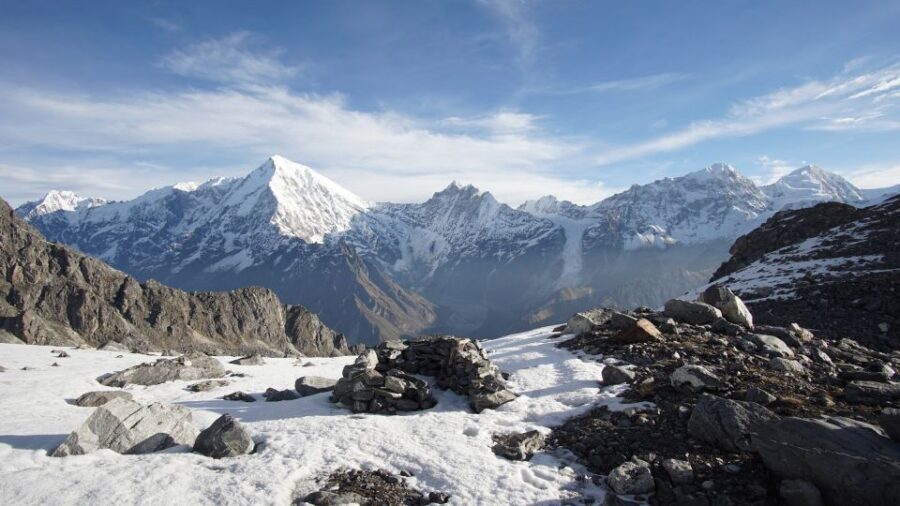
- Optional Kyanjin Ri push: a higher viewpoint around 4,770m, with panoramic payoffs for sunrise-hunters
- A trek that still feels calm: rewarding and moderate, with fewer crowds than some more famous routes
- Strong, human guides: multiple guides named for being attentive, patient, and safety-minded
- Real lodge trekking rhythm: predictable day structure, with nights at Pahiro, Ghoda Tabela, Kyanjin Gompa, Thangsyap, and Syabrubesi
Why Langtang Valley feels different on a 6-day trek
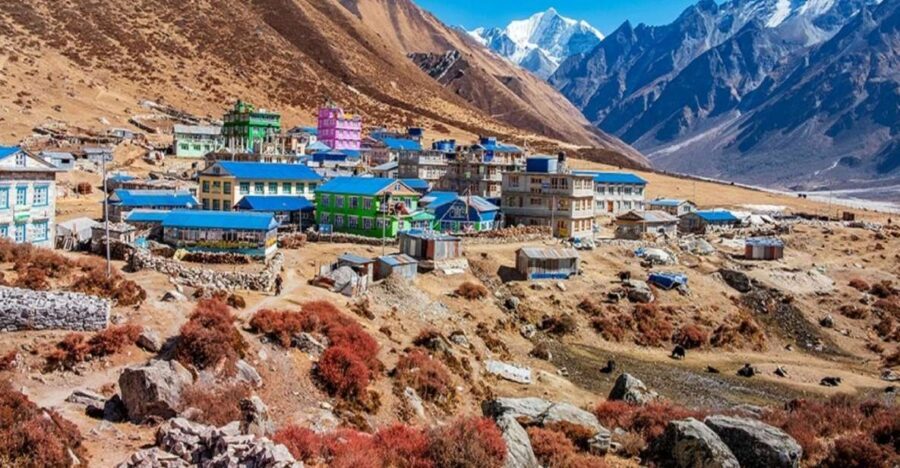
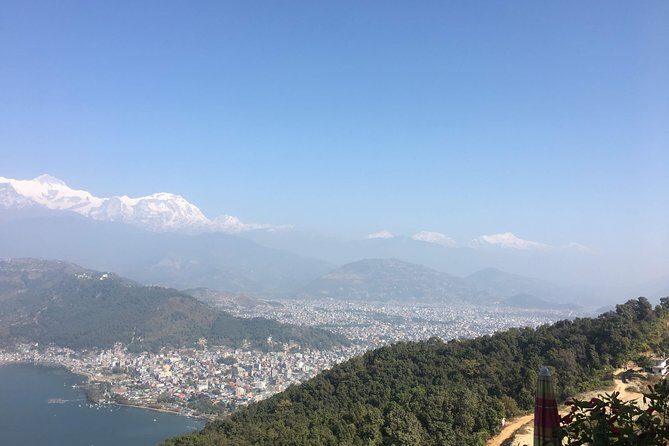
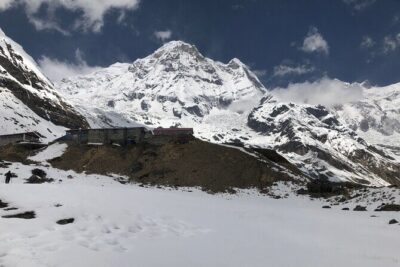
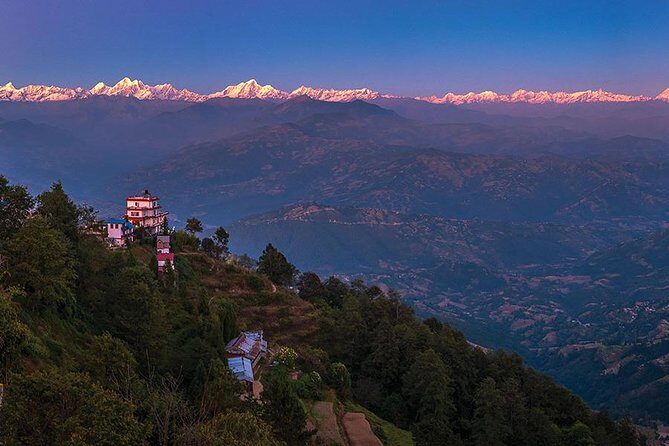
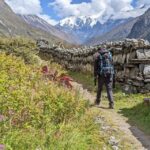
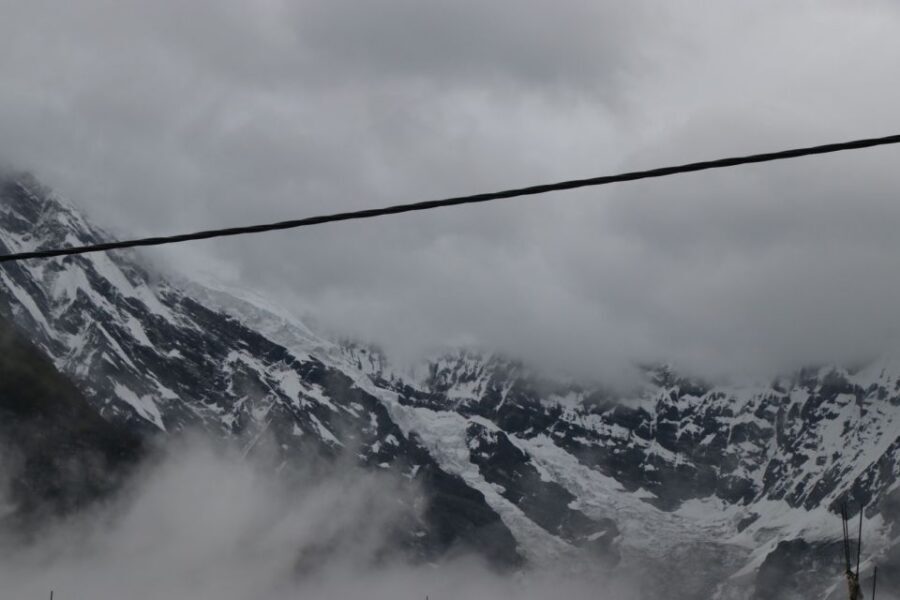
If you’re looking for the Himalayas without the stampede, Langtang has a quieter tone. You still get the drama—snowy ridgelines, glacial valleys, and that sharp mountain light—but the trail moves through smaller settlements where your presence doesn’t feel like part of a conveyor belt.
This trek also has a strong cultural spine. You’re not only walking through scenery; you’re passing Tamang villages and spending time near monasteries and spiritual retreats. That matters because the trek becomes more than fitness. It turns into a slow exchange: you see how people live at altitude, you hear local stories, and you get a sense of what this region values.
And because the itinerary is built for a 6-day schedule, it’s a good match if you want a true Himalayan trek without sinking a full week (or more). You get a lot of altitude change and village time without needing extreme logistics.
You can also read our reviews of more hiking tours in Kathmandu


Price and logistics: what $181 buys you (and what it doesn’t)
$181 per person for 6 days can be good value—if you understand what’s included and what’s on you.
On the included side, you’re getting the stuff that usually costs real money or headaches:
- hotel pickup and drop-off
- trekking permits and paperwork (including the TIMS fee)
- an English-speaking guide (and all staff costs are handled)
- private comfortable accommodation for 5 trek nights
- transportation as per the itinerary (shared bus/transport)
- all meals during the trek for the full package option
- luggage storage facility
That’s the backbone of a smooth trek. Permits and paperwork are one less thing to worry about, and the meals/accommodation coverage takes pressure off each day’s decisions.
What’s not included is also straightforward:
- soft and hard drinks
- travel and rescue insurance
- international flights and Nepalese visa fee
- personal expenses (phone calls, laundry, bar bills, battery recharge, bottled or boiled water, shower, and similar extras)
- extra nights in Kathmandu or Pokhara if your timing changes for reasons outside the scheduled plan
One more practical note: the guide is included, but porter charges are extra. If you want help carrying your main bag, you’ll want to budget for that.
Altitude, pacing, and why “moderate” still means work
This route is described as rewarding yet moderate, and that’s fair—with one big caveat. You’ll likely be hiking many hours daily, and one day includes a steeper climb to Kyanjin Ri around 4,770m.
Here’s what that means for your body:
- You’re going up to mid-altitude quickly (from Pahiro at 1,550m to Ghoda Tabela at 2,900m the first trekking day after the drive).
- You then spend time at higher altitude (Kyanjin Gompa at 3,870m).
- On day 4, you face an uphill ascent to a viewpoint that’s higher than where you sleep, then you reverse course.
Guides are clearly a big part of how this trek feels. In reviews, guides like Mahesh Aryal are praised for checking in often and helping with backpacks when needed. Other named guides (Niraj, Bipin, Dipesh, Ghanshyam) are repeatedly described as supportive and organized. That’s not fluff. When altitude and long hours stack up, the difference between rushed and steady can be the difference between reaching your goal or turning around.
If cold weather is in your plan (January was specifically mentioned in reviews), you’ll want to treat clothing like part of your trekking gear, not an afterthought. At night it can get cold, and a fire going in the dining area helps, but you still need warm layers.
Day-by-day: what each stop feels like on the trail
Day 1: Kathmandu to Syabrubesi, then Pahiro (1,550m)
You start with a drive from Kathmandu to Syabrubesi, then begin trekking into the Langtang region. Expect about 6 hours driving, plus roughly 2 hours of walking, following the Langtang river through forest.
Why I like this day: it’s a ramp-up. You’re not thrown into steep altitude right away after leaving the city. Walking alongside the river also tends to feel easier mentally—there’s forward rhythm, and the trail isn’t a constant grind.
What to consider: road time is real. By the time you reach Pahiro, you might feel ready for sleep more than extra exploring. Treat it as your arrival and settling-in day.
A few more Kathmandu tours and experiences worth a look
Day 2: Pahiro to Ghoda Tabela (2,900m)
Today is your jump day. You trek around 6 hours, moving from forest walks into areas with villages and waterfalls along the route. Ghoda Tabela sits at 2,900m, so your body notices the altitude change even if you’re not climbing mountains every minute.
The upside: the trail scenery tends to feel green and alive as you gain elevation. There’s also something comforting about villages and water sound effects after day 1’s river-following stretches.
The drawback: the elevation jump can feel punchy. If you tend to go out too fast early, day 2 is when you pay for it later. The best approach is calm starts, steady steps, and plenty of pauses—especially before you reach the busier-looking lodge areas.
Day 3: Ghoda Tabela to Kyanjin Gompa (3,870m)
This is where Langtang’s cultural side gets stronger. You’ll trek roughly 8 hours (a common theme in this trek style), arriving at Kyanjin Gompa at 3,870m.
What makes Kyanjin Gompa special is what you can do besides walk:
- explore the village area
- spend time near monasteries and spiritual retreats
- experience interactions tied to the Tamang community
- hear about and visit the cheese factory setting
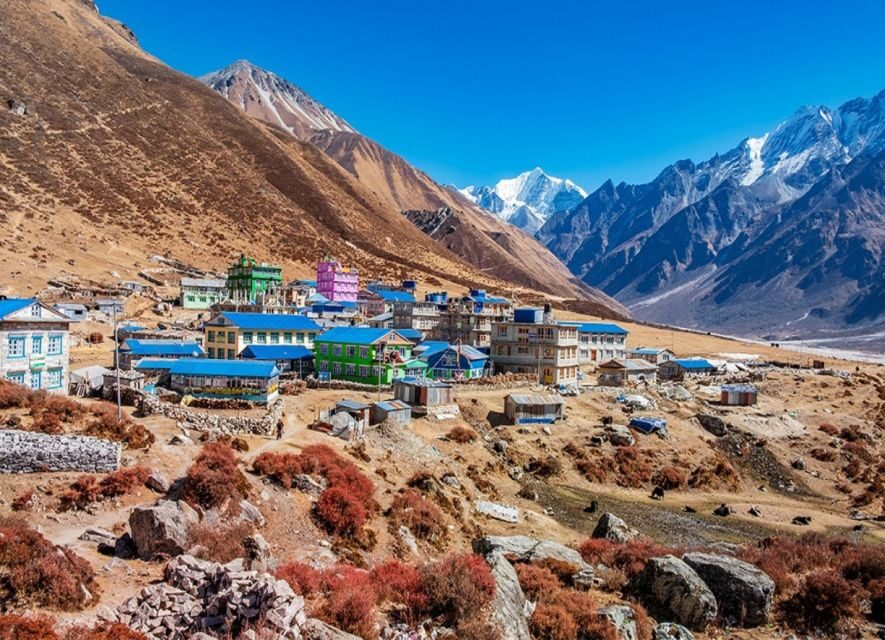
This day is also often when the views start to feel big in a way that makes the earlier climbs worth it. It’s higher altitude, so you’ll feel cooler air and more intense sunlight (you’ll want sunglasses and sunscreen).
What to watch: your energy. If you’re aiming for the higher viewpoint on day 4, you’ll want to conserve effort today and not treat every uphill switchback like a race.
Day 4: Kyanjin Gompa to Thangsyap (3,200m) with the Kyanjin Ri option
Day 4 includes an optional, steeper push toward Kyanjin Ri around 4,770m. The itinerary notes it as uphill and hard for some people, so you should take that seriously. You can do it as an option, and your guide should help you decide based on your pace and comfort.
Why it’s a highlight: the viewpoint effort can pay off with panoramic mountain views, and sunrise is a common goal on this kind of high viewpoint. One review specifically mentioned reaching Kyjiang Ri for sunrise, which lines up with the idea that early starts and careful pacing here can be worth it.
Then you head back and overnight in Thangsyap at 3,200m. That’s a nice relief on paper: you’re lower than Kyanjin Gompa. But it doesn’t mean your legs feel great. Downhill after a high-point effort can be hard on knees and ankles.
If you’re prone to fatigue or you carry a heavier pack, this is the day to use any porter help you’ve arranged. Reviews mention guides going the extra mile with backpacks when the trek got too difficult.
Day 5: Thangsyap to Syabrubesi (down to 1,550m)
Today is the recovery day in theory—big elevation loss, river-side walking, and a return toward Syabrubesi (1,550m). But don’t let that trick you. Descents can be tough. Long downhill hours often make legs feel heavy, even when you’re technically moving “down.”
You’ll also have time to explore around Thangsyap and enjoy views of the Langtang range and nearby Himalayan peaks before you head back. It’s a good day for slowing down, taking photos, and enjoying the sense of finishing a loop.
Key consideration: take care of your feet. Bring trekking shoes that grip well, and use your hiking poles if you have them. Day 5 is when small foot pain can turn into big foot problems.
Day 6: Syabrubesi back to Kathmandu
You leave the trail for a shared bus ride back to Kathmandu. After a 6-day trek, this is mostly about recovering, eating something hearty, and letting your body reset.
You’ll also want to plan for the mental shift: a trek compresses time and attention. Once you hit the city, it can feel quiet in a different way—like your brain is still walking even after you’re seated.
Lodges, meals, and what to expect at night
This is a lodge-style trek with private comfortable accommodation for 5 nights during the trek. Meals are included for the full package option, with breakfast, lunch, and dinner.
What you’ll likely notice day to day:
- you’ll eat early enough to keep your hiking schedule
- lodge dining areas act as the social center, especially when it’s cold
- you’ll need layers even if days feel sunny
A review from January mentioned that nights were colder and that a fire was often going in the dining room. Another review advised taking warm clothes and even medication. The takeaway is simple: pack for temperature swings, not just for daytime comfort.
The guide makes a big difference (and you can pick your expectations)
This trek isn’t just about the terrain. The human part is repeatedly highlighted in reviews, and you should expect it to matter.
Guides named across the feedback include Mahesh Aryal, Niraj, Bipin, Dipesh, Ghanshyam, and others. The consistent themes are:
- supportive, patient coaching
- keeping you informed about the plan for tomorrow
- taking time at the end of the day to recap and reduce uncertainty
- checking in on how you’re feeling
- helping when someone struggles, including with backpack management
If you’re a first-time trekker or you want a calmer pace, this kind of guiding is a big deal. It means you can focus on one step at a time instead of wondering whether you’re going too fast.
If you’re an experienced hiker, good guiding still helps—especially for route knowledge, lodge stops, and timing your high-point effort.
What to pack so the trek doesn’t punish you
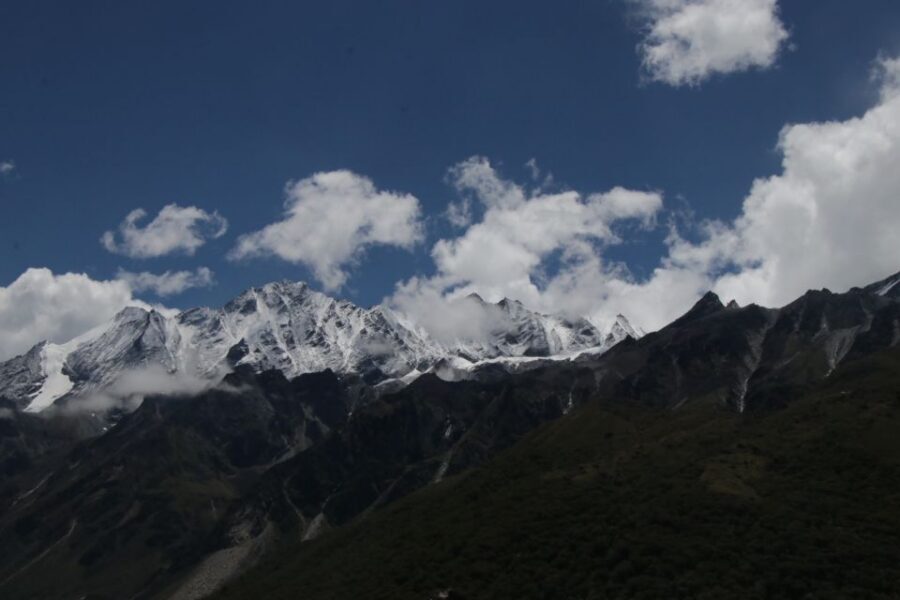
You’ll be higher than you’re used to, and the itinerary includes chilly nights. Bring what the trip lists, then prioritize the essentials that make walking comfortable.
Your must-haves from the kit list include:
- hiking shoes (support and grip matter on rocky lodge-to-lodge terrain)
- jacket and hat for cold air
- gloves and sunglasses
- sunscreen
- flashlight
- sleeping bag
- towel
- trekking gear and layers you can adjust
Water and charging are personal expenses, so plan for that. The trip specifically notes bottled or boiled water and shower-related items can be personal costs.
If cold months are in play, follow the review advice: warm clothes and basic medication can help you handle night temperatures without feeling miserable.
Who this Langtang trek is for
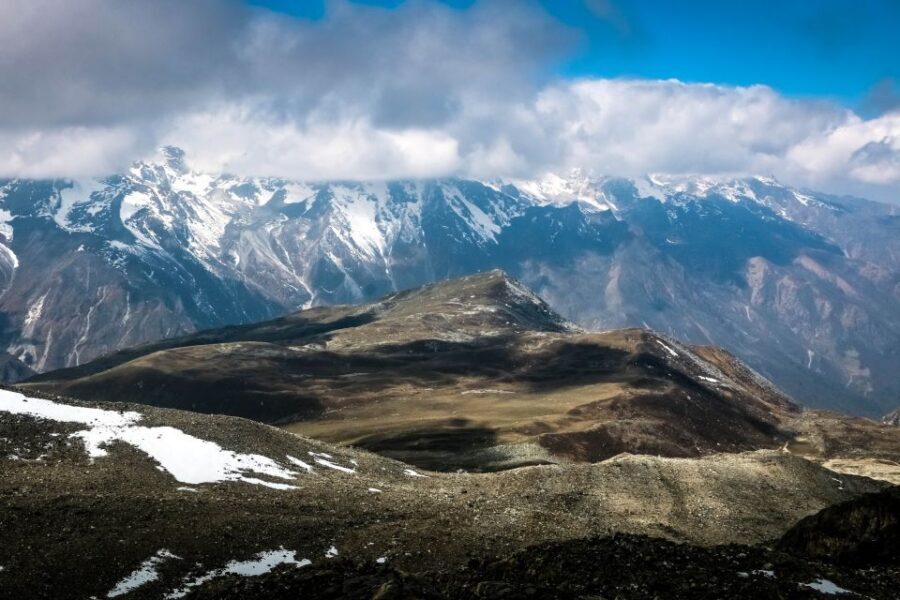
This trek fits best if you want:
- a moderate Himalayan trek with real altitude and real village life
- a cultural side (Tamang community time, monasteries, spiritual retreats)
- a manageable 6-day commitment
- a trip that doesn’t require you to become an expert navigator
It can work for families, couples, and solo adventurers, including first-time trekkers—as long as you respect the uphill day to Kyanjin Ri.
It is not suitable for pregnant women.
Should you book the Kathmandu: 6-Day Limitless Langtang Trek?
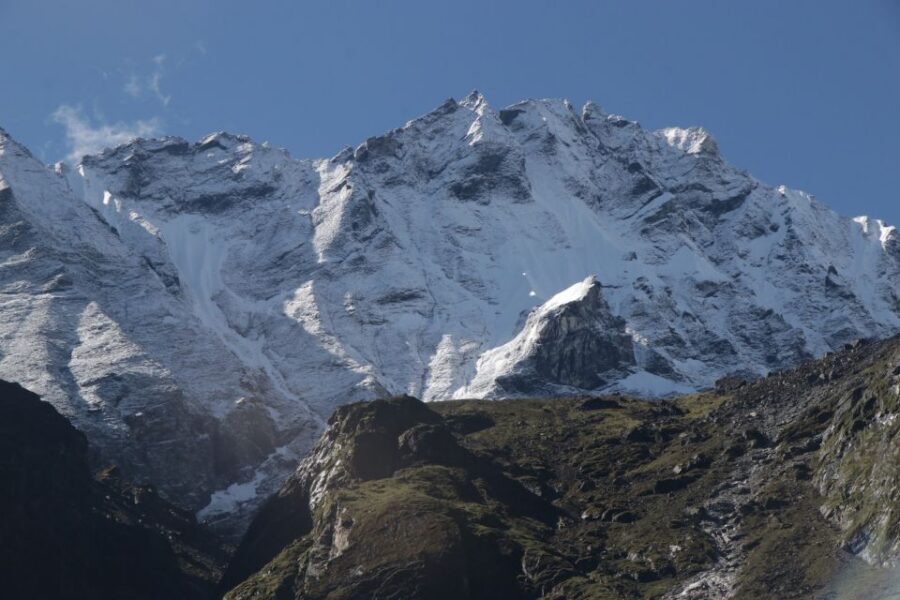
Book this trek if you want a Langtang experience that feels authentic and well-run: organized daily structure, included permits and permits paperwork, lodge nights covered, and a guide who is repeatedly described as supportive and plan-focused.
Skip or consider a different option if:
- you’re not comfortable with a steep uphill push to about 4,770m (even if it’s optional)
- you need full flexibility around altitude goals on the fly (this itinerary is structured, so listen to your guide but also be honest with yourself about your limits)
For most people who want a true Himalayan trek in a tight timeframe, this is a strong pick—especially if you care about Tamang culture as much as the views.
FAQ
How long is the Kathmandu: 6-Day Limitless Langtang Trek?
It runs for 6 days total.
Where does the trek start and end?
You start in Kathmandu, drive to Syabrubesi to begin the trek, then return to Kathmandu at the end of day 6.
What’s the highest altitude on this trek?
The route includes an uphill option to Kyanjin Ri at about 4,770m.
Is this trek suitable for first-time trekkers?
The trek is described as a rewarding yet moderate route and a good match for first-time trekkers who want authentic Himalayan life without the crowds.
Are meals included?
All meals (breakfast, lunch, dinner) are included during the trek for the full package option.
What costs are not included?
Not included are soft and hard drinks, travel and rescue insurance, international flights, Nepalese visa fee, and personal expenses like phone calls, laundry, bottled/boiled water, and other items. Extra nights in Kathmandu or Pokhara are also not included if timing changes for reasons outside the scheduled itinerary.
Do I need a porter?
A porter charge is mentioned as extra. You can also store luggage during the trek, but porter help is not automatically included.
What languages will the guide speak?
The guide provides live interpretation in English, Hindi, and Nepali.
What should I bring for the trek?
You’ll want items like passport or ID card, hiking shoes, jacket, hat, gloves, sunglasses, sunscreen, a flashlight, a sleeping bag, towel, and trekking gear.