REVIEW · KATHMANDU
Classic Everest Base Camp Trek
Book on Viator →Operated by icicles adventure treks and tours · Bookable on Viator
Everest Base Camp pulls you in. This classic trek mixes big Himalayan scenery with everyday Nepal life and calm stops at monasteries along the way.
I like that it’s built as a full “from-the-door” experience: private transport, a Kathmandu hotel start, and a Lukla to Kathmandu flight to wrap things up cleanly. One thing to consider is that meal details on the trail aren’t fully specified here, and cold drinks/snacks and WiFi are not part of the package.
Another reason I’d look closely at this trek is the practical support. You’ll travel with a highly experienced guide, plus porters at a 1 porter for 2 people ratio, and you’re given trekking gear like a down jacket and sleeping bag for the trek.
The main drawback is the classic Everest reality: you’ll be walking ups and downs in cold air, and you’ll need a moderate fitness level. Also, WiFi during the trek isn’t included, so plan to be off-grid most days.
In This Review
- Key highlights at a glance
- Setting off from Kathmandu with less stress
- Lukla flight included, and why that’s a real convenience
- Lodge-to-lodge trekking: what to expect day to day
- Alpine forests, glacier rivers, and the long view payoff
- Monasteries and flag prayers: culture that slows you down
- The guide and porter setup: support is the product
- Gear that protects you from bad surprises
- Safety, permits, and the behind-the-scenes stuff
- Food, WiFi, and the realistic comfort level on trail
- Price and value: what $1,835.90 actually covers
- Who this trek suits best
- Practical questions to ask before you go
- Should you book this Classic Everest Base Camp Trek?
- FAQ
- How long is the Classic Everest Base Camp Trek?
- Where do you stay in Kathmandu before the trek?
- What does the trek include for flights?
- Are permits included?
- Does the trip include guide and porter support?
- Is WiFi available during the trek?
- What’s the cancellation rule for a full refund?
Key highlights at a glance
- Private Kathmandu transport and airport transfers included
- Lukla to Kathmandu flight plus departure taxes included
- Down jacket and sleeping bag provided during the trek
- Sagarmatha National Park permits and TIMS fee handled for you
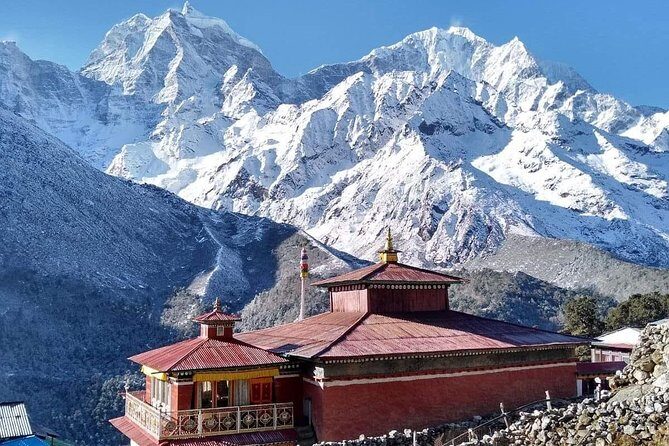
- Monasteries and flag prayers included along the route
- Lodge-to-lodge twin sharing with a deluxe Ramada Encore Kathmandu start
Setting off from Kathmandu with less stress
Your trip starts in Kathmandu with a pickup offer and private ground transport. The plan begins at 6:45 am, and the package includes all ground transfers, including airport transfers. That matters because Kathmandu traffic can eat time fast, especially when you’re also trying to stay rested for an early departure to the trekking area.
You also get three nights at the deluxe Hotel Ramada Encore Kathmandu with breakfast. I like having a proper cushion night before the trek rather than rolling straight from the airport into altitude fatigue.
You can also read our reviews of more hiking tours in Kathmandu


Lukla flight included, and why that’s a real convenience
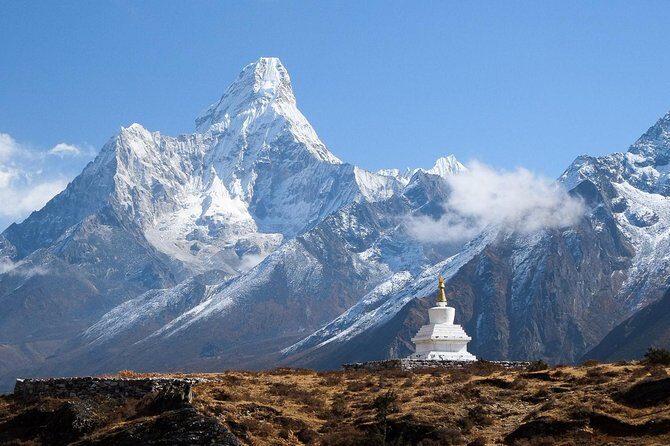
This trek includes the Lukla to Kathmandu flight, including departure taxes. Even if you’re excited to trek every mile, the flight at the end is a big quality-of-life upgrade: it saves you from a long return slog and helps your body recover sooner.
One more practical point: having flight logistics handled is where many trips quietly succeed or fail. The included flight removes a lot of guesswork and keeps your schedule tighter, especially if weather shifts.
Lodge-to-lodge trekking: what to expect day to day
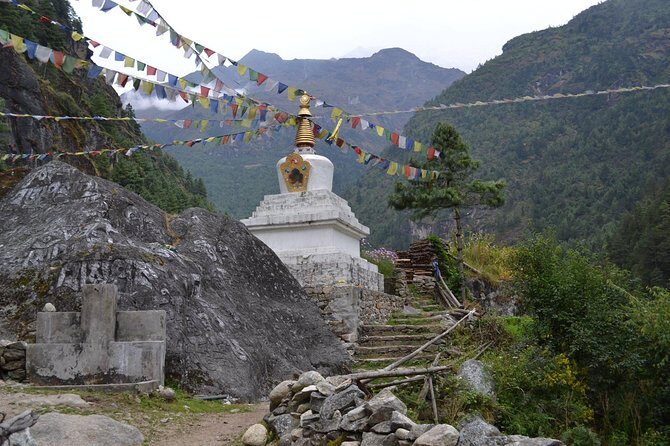
During the trek, you’ll stay in the “best available” twin sharing lodge to lodge accommodation. In practical terms, that means you should expect simple rooms, shared spaces, and basic warmth. It’s not a spa vacation, but you are paying for the convenience of having lodging arranged and ready each night.
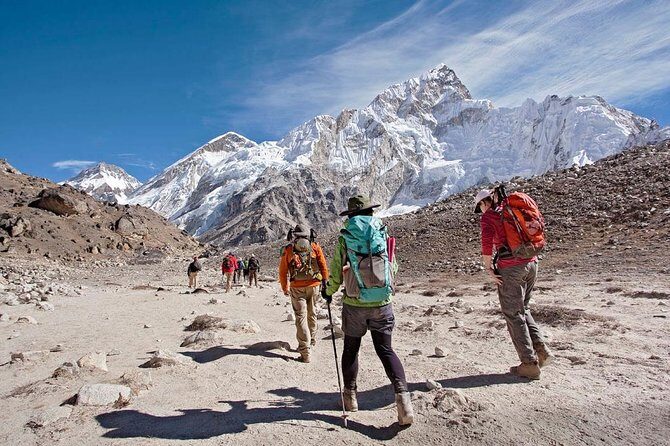
Most classic Everest itineraries run on a rhythm: walk, rest, eat, repeat. The walking is described as a mix of ups and downs that can feel nerve shaking, followed by those big payoffs—clean views, glacier-fed river valleys, and high-country air that makes you feel more awake than you expected.
The private setup also helps here. It’s listed as a private tour/activity, meaning it’s only your group. Smaller, private groups often make it easier to keep your pace comfortable and your schedule smooth.
Alpine forests, glacier rivers, and the long view payoff
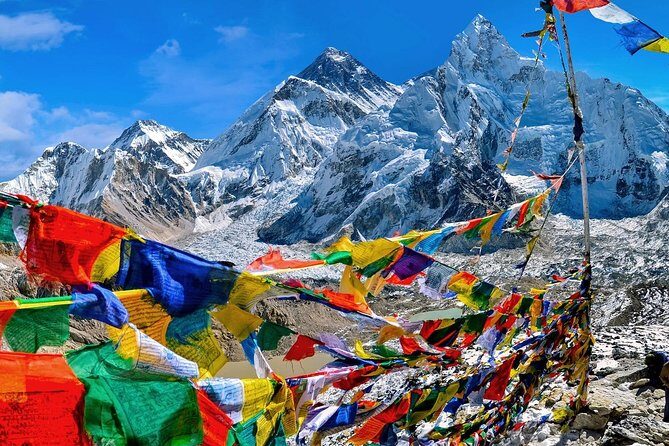
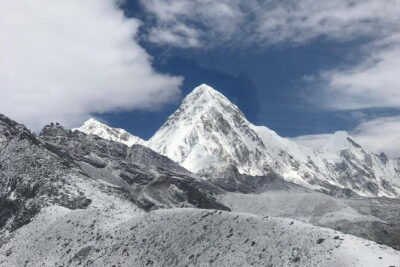
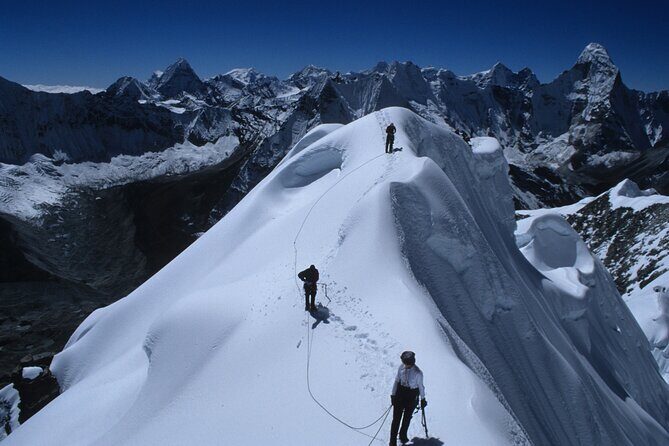
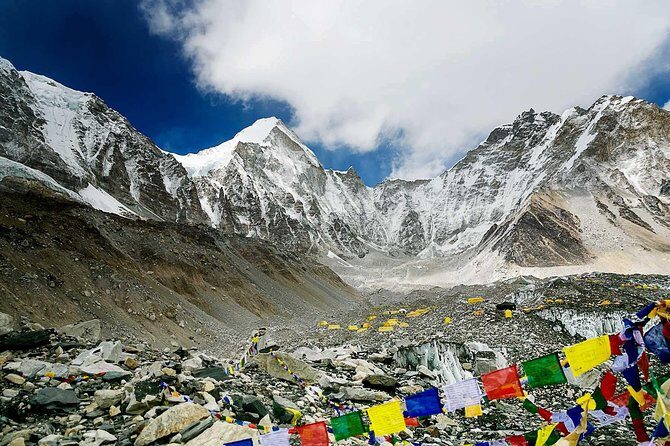
The route is described as moving through alpine forests and glacier rivers, with mountain vistas in your backdrop. This is exactly the kind of variety that keeps a trek from turning into one long sameness.
I like that the experience isn’t just about reaching a single point. You get repeated scenery changes: forest shade when the light is softer, river noise as you follow glacial melt, then wider angles as the terrain opens up. Those little shifts are what make the hours feel shorter.
Yes, there are ups and downs. That’s part of the Everest Base Camp feel—your legs work, your lungs adjust, and your mind starts bargaining with the next bend in the trail. The best preparation is mental: expect discomfort, plan for short breaks, and let your guide set the pace.
Monasteries and flag prayers: culture that slows you down
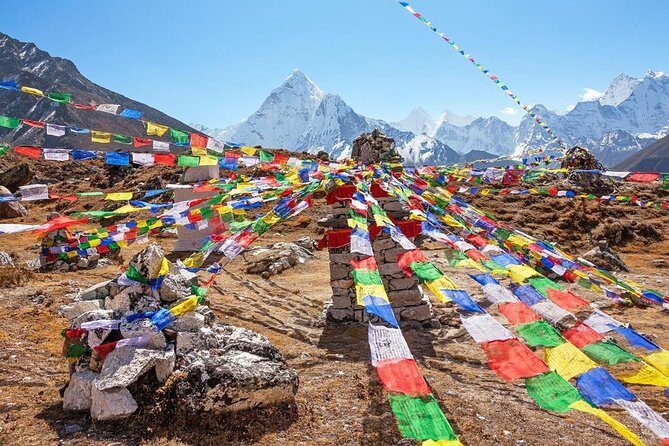
A standout part of this itinerary is the cultural layer. You’ll visit monasteries on the way, and the route includes flag prayers throughout the trail. Even if you’re primarily there for the mountains, these are meaningful moments to reset.
Here’s why I think it’s valuable: you’re trekking through a living region, not just a photo backdrop. Monasteries and prayer flags help you understand why locals treat the landscape with respect, not only as scenery.
Also, these stops give you a quiet break from the constant forward motion. In high-altitude trekking, that matters. You’re not just surviving; you’re also noticing.






The guide and porter setup: support is the product
The package includes one highly experienced, helpful and friendly guide, plus porters at a 1 porter for 2 people ratio. You’ll also have staff coverage details like food, accommodation, salary, equipment, and accidental insurance for all staff. That last part might not sound exciting, but it’s a strong sign the logistics are taken seriously.
The quality shows up in the names people reported from past trips. Guides mentioned include Pooja, Lok, Nirjala, Ram, Prakesh, and Lal Kumar Tamang. Assistant guides like Dikesh and Sudip, plus team members such as Rez and Pren, also come up in feedback. When you see the same company praised for both organization and people, it usually means the staff training and communication are doing their job.
For you, this means fewer “what now” moments. It’s easier to focus on walking, weather, and your own energy levels when the team is already coordinating meals, lodge timing, and safety checks.
Gear that protects you from bad surprises
This trek includes a duffle bag, a down jacket, and a sleeping bag during the trek. That’s a big deal because Everest weather can turn colder than you expect, especially with wind and early morning conditions.
What I like is that you’re not forced to buy expensive gear just to try one trek. You can show up with your basic layers and focus on fit and comfort instead of fighting with rental systems or last-minute shopping.
Still, don’t assume “provided gear” means you can pack lightly for everything. You’ll want your own essentials for comfort (like what you wear on the trail and how you manage cold hands and feet). The included jacket and sleeping bag help cover the big-ticket cold-weather items, but you’re still the one controlling day-to-day comfort.
Safety, permits, and the behind-the-scenes stuff
This package includes the Sagarmatha National Park permits fee and the TIMS (Trekkers’ Information Management) fee. You also get a first aid medical kit. Those are not glamorous, but they are the kind of details that keep a trek legally smooth and operationally safer.
It’s also clear the company emphasizes organization and safety. Multiple past trip comments highlighted a strong safety focus and that the team worked hard to make transitions smooth. In plain terms: you want a team that schedules things well, keeps your group moving at the right times, and knows what to do when weather slows travel.
There’s also a government taxes and office service charge line in the included list. Translation: the trip price isn’t trying to hide add-ons until the last minute.
Food, WiFi, and the realistic comfort level on trail
The trek does not specify meals in a clear way here. It lists meals as “not included” where details aren’t specified, and it also says cold drinks and snacks (like Coke, water, Fanta, and snacks) aren’t included. WiFi internet during the trek isn’t included either.
Here’s how I’d plan: assume you’ll pay for some things along the way unless your specific itinerary document clarifies meal inclusions. Even with a well-run trek, menu options at altitude can be limited and prices can rise.
What you should bring mentally is a simple expectation: lodges are for sleep and basic rest, and food is part of the rhythm rather than a highlight. If you like structure, ask your operator what meals are included day by day before you go.
Price and value: what $1,835.90 actually covers
At $1,835.90 per person for about 24 days, the price is high compared with “DIY Everest” fantasy plans. But when you look at what’s included, the value makes more sense.
You’re paying for:
- hotel accommodation in Kathmandu (three nights at Ramada Encore, breakfast included)
- private transport and airport transfers
- guide and porter service (with porter support capped at 1 porter for 2 people)
- key trekking cold-weather gear (down jacket and sleeping bag)
- lodge-to-lodge accommodation arrangements
- trekking permits (Sagarmatha National Park) and TIMS
- the Lukla-to-Kathmandu flight with taxes
If you tried to assemble all those pieces yourself, you’d spend real time and likely still end up with gaps: the permits admin, the gear sourcing, the flight logistics, and the day-to-day lodge coordination. This package aims to remove those friction points.
That doesn’t mean it’s automatically the best deal for everyone. If you already have cold-weather gear and a solid network for permits and lodging, you may prefer a lower-cost option. But for most people, paying for coordination is the point.
Who this trek suits best
This trek is described for travelers with moderate physical fitness. It’s a good fit if you want a classic Everest Base Camp experience without turning the trip into a logistics project.
You’ll likely enjoy it if:
- you like a balance of nature, culture, and adventure
- you want monastery visits and prayer flags as part of the journey, not as side quests
- you want help with cold-weather gear, permits, and lodge planning
- you prefer private group handling rather than a crowded scramble
You may want to think twice if:
- you’re very sensitive to cold and need a lot of comfort amenities (lodges are basic by design)
- you want reliable WiFi daily (you won’t have it during the trek)
- you want meal inclusions spelled out clearly in advance (you’ll want to confirm what’s covered)
Practical questions to ask before you go
Even with a strong package list, it’s smart to confirm specifics so you’re not guessing at altitude. I’d ask your operator:
- which meals are included versus paid separately on trekking days
- how many nights are spent in Kathmandu versus on the trek (the duration is approx. 24 days)
- what kind of room setup to expect in twin sharing lodges
- whether your down jacket and sleeping bag pickup/drop-off is handled by the guide/office
- what time you’ll start each day once you’re on the trekking schedule
Small clarifications turn into big peace of mind later.
Should you book this Classic Everest Base Camp Trek?
If you want Everest Base Camp with fewer moving parts, this is a strong option. I like the combination of private transport, a Kathmandu hotel start, porter support, cold-weather gear included, and the Lukla-to-Kathmandu flight to simplify the finish. It’s also the kind of trek where having the permits and TIMS handled for you saves hassle and keeps things official.
Book it if you value organization, safety emphasis, and a mix of mountain and culture. Pass or compare first if you need crystal-clear meal inclusions, or if you know you’ll be unhappy with limited lodge comfort and no WiFi.
FAQ
How long is the Classic Everest Base Camp Trek?
The duration is listed as 24 days (approx.).
Where do you stay in Kathmandu before the trek?
You get three nights’ accommodation with breakfast at deluxe Hotel Ramada Encore Kathmandu.
What does the trek include for flights?
It includes the Lukla to Kathmandu flight, including departure taxes.
Are permits included?
Yes. The price includes Sagarmatha National Park permits fee and the TIMS fee.
Does the trip include guide and porter support?
Yes. It includes one highly experienced guide and porters with a ratio of 1 porter for 2 people.
Is WiFi available during the trek?
No. WiFi internet during the trek is listed as not included.
What’s the cancellation rule for a full refund?
You can cancel up to 24 hours in advance of the experience’s start time for a full refund.