REVIEW · KATHMANDU
Everest Base Camp Helicopter Tour with Landing
Book on Viator →Operated by Nepal Hiking Adventure Company - Private Day Tours · Bookable on Viator
That early lift changes your whole Everest plan. This helicopter tour is a fast way to see the big drama of the Khumbu region without trekking for weeks, and it’s built around short flying stretches plus a real landing stop. I like the time-saver factor: the air time is short, so you’re not stuck traveling all day just to get a glimpse. I also like the Everest View Hotel breakfast stop, because it turns the flight into more than just window sightseeing.
That said, go in with the right expectations. The schedule includes ground time and operational pauses at higher-altitude stops, and the landing is at Everest View Hotel rather than at Base Camp itself, which can matter if you’re picturing a boots-on-the-ground moment near Everest Base Camp.
In This Review
- Key highlights that make this tour worth your attention
- A 4:45 am start in Kathmandu that’s actually timed for Everest
- Lukla and Pheriche pauses: the “on the ground” part you should not ignore
- Kalapatther viewpoint flights: seeing Everest the way textbooks don’t show it
- Everest View Hotel landing and breakfast: the moment that makes it feel real
- The return to Kathmandu: pickup and drop means less stress
- Price and value: is $1,473 justified for a short flight?
- Weather, permits, and the 198 lbs weight limit
- Who this helicopter landing tour is best for
- Should you book this Everest Base Camp helicopter tour with landing?
- FAQ
- What time does the tour start?
- How long is the experience?
- Where do you fly and what are the main stops?
- What does the landing at Hotel Everest View mean?
- Is breakfast included?
- What’s included in the tour price?
- What additional fees are not included?
- What’s the passenger weight limit?
- What happens if the weather is bad?
- Is there free cancellation?
Key highlights that make this tour worth your attention
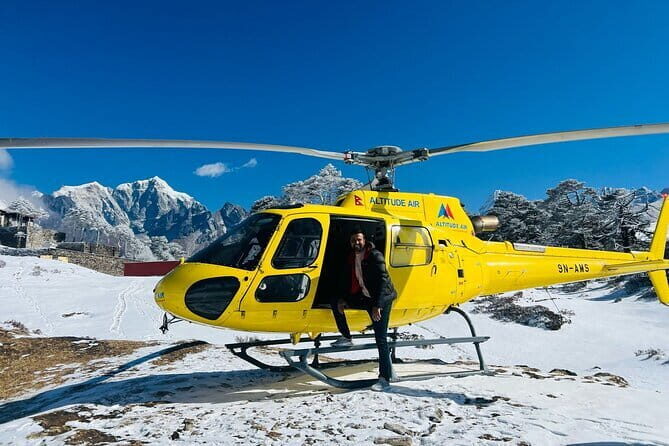
- Landing at Everest View Hotel: you get a real stop for breakfast with mountain views, not only a fly-by.
- Kalapatther viewpoints from the air: the tour is designed around seeing Everest’s region from high, sweeping angles.
- Khumbu Glacier and Icefall views: you’ll fly over the Everest Base Camp area and the glacier/icefall from the helicopter.
- Small group cap (max 10): sharing basis is involved, but it’s not an endless crowd.
- Early morning start (4:45 am): you’re aiming for the best odds of clear weather and good visibility.
A 4:45 am start in Kathmandu that’s actually timed for Everest
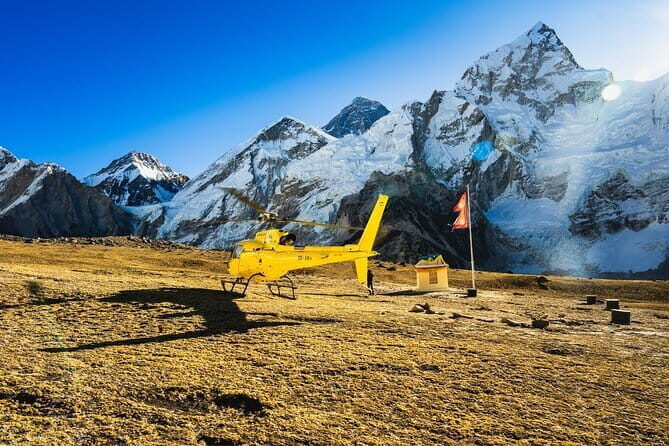
This is not a late-morning tour. The day begins around 4:45 am, when you’ll head out from your Kathmandu pickup and make your way to Tribhuvan International Airport. There’s a short period of waiting once you arrive, which is normal for any early aviation schedule—especially in a mountain region where weather and airspace planning can shift.
Why the early start is worth it: Everest-area flights are visibility- and weather-driven. Clear morning conditions help you see farther and get sharper views of glaciers, icefall, and the sharper edges of the peaks. If you’ve ever looked at Everest from the ground, you know it can be dramatic; from the helicopter, it’s all about timing and sightlines.
Also, this is a sharing-basis helicopter experience. That doesn’t mean it feels cramped, but it does mean you should expect that your total timeline depends on how the flight day is going for other seats and other passengers.
A few more Kathmandu tours and experiences worth a look

Lukla and Pheriche pauses: the “on the ground” part you should not ignore
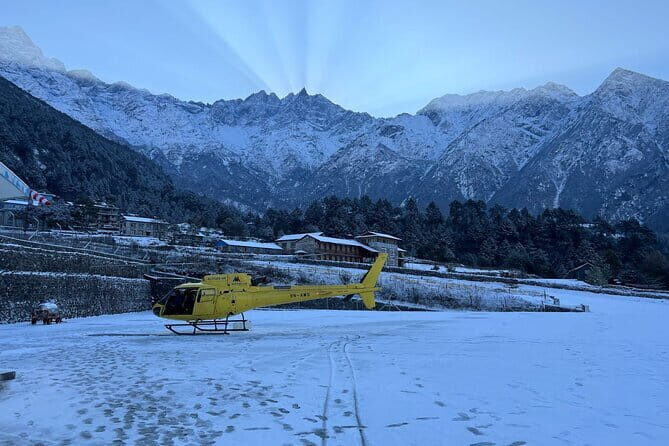
The itinerary builds in refueling and altitude-related operational management. After the initial drive and airport waiting, you’ll fly toward Lukla for a short stop for refueling. Then the plan continues to Pheriche, with a pause that’s tied to high-altitude weight management and shuttle coordination.
Here’s the practical takeaway: even if the helicopter air time is short (the flight time is listed as around 4 to 5 minutes), the overall experience still runs about 4 to 5 hours because of ground time between hops. If you hate waiting around, you’ll want to come prepared for quiet time at those stops. In other words: this tour is fast, but it’s not a sprint with constant action.
What you can do to make those pauses feel better:
- Bring something for early-morning comfort (water, layers, and a way to handle temperature swings).
- Keep your camera and phone charged before you depart, since you’ll likely want to document from the air and during the viewpoint stop.
- Mentally separate the day into phases: airport waiting, two operational hops, the main viewpoint moments, then the return.
Kalapatther viewpoint flights: seeing Everest the way textbooks don’t show it
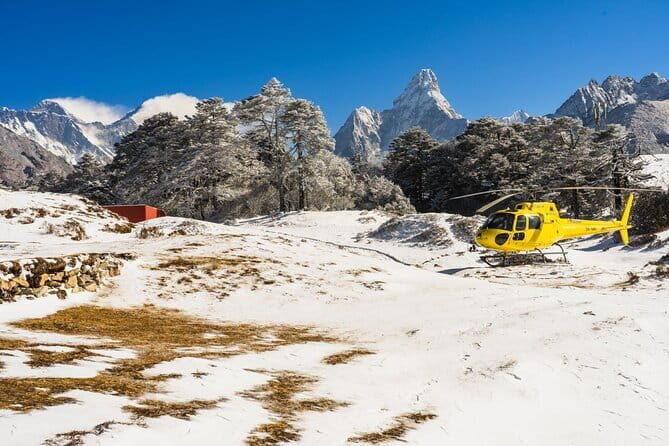
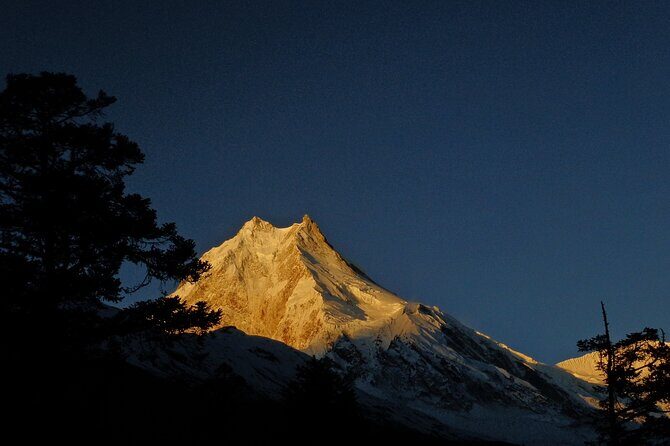
Once the operational stops are done, the heart of the tour is the flight over the Everest region. A key highlight is a viewpoint area called Kalapatther, which is specifically framed as one of the best places to see Mount Everest and surrounding peaks. From up there, the geometry of the Khumbu region hits different: ridgelines stack, glaciers stretch in depth, and the scale feels instantly real.
This is also where the tour focuses on major glacial features. You’ll get flight time over the Khumbu Glacier and the Khumbu Icefall, plus a look over the Everest Base Camp area from the air. Even without stepping onto a trail, this kind of viewing can help you understand what you’ve only seen in photos: where the icefall sits relative to the glacier and how wide the terrain spreads.
What’s worth appreciating: helicopter sightlines reduce the guesswork. When you’re trekking, you earn views slowly, step by step. Here, you get a faster, more complete “map of the area” from the sky—especially useful if you’re short on time but want a real sense of place.
Everest View Hotel landing and breakfast: the moment that makes it feel real
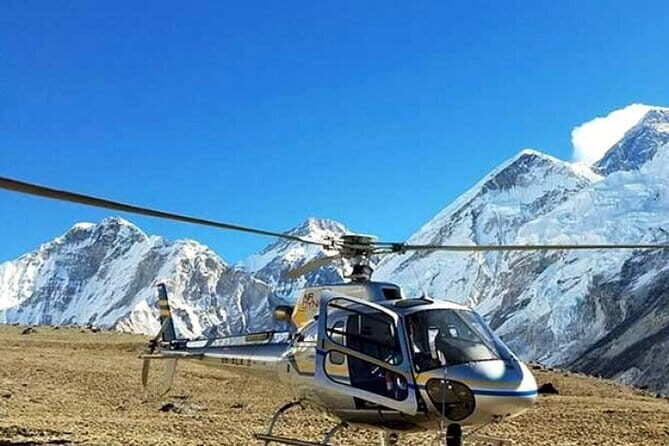
After the Kalapatther highlight, the next big segment is the stop at Everest View Hotel (often described as the Everest View Point in tour wording). This is where the tour actually lands for about one hour, and you’ll enjoy breakfast with mountain views.
This matters for value. A lot of short helicopter experiences are mostly “look, fly, go.” The landing and meal stop create a pause you can feel. You can take photos without leaning out of a window, and you get a real break in the day rather than only being in transit.
Also, it clarifies a common expectation issue: if you’re imagining being dropped off at Everest Base Camp itself, this tour doesn’t do that. The Base Camp area is framed as something you see from the air, while the landing stop is at Everest View Hotel. That’s still a stunning experience, but it’s good to know which “landing” you’re actually buying.
Tip for the viewpoint stop: wear layers. Breakfast sounds casual, but you’re at high altitude and near early-morning and late-morning conditions. Even if conditions look fine at the start, temperatures can swing.
The return to Kathmandu: pickup and drop means less stress
After your breakfast stop, you fly back toward Kathmandu. The final phase is typically around one hour, including the flight and the handoff on arrival. You’ll have a staff member pick you up from the airport and drop you back at your hotel.
This part is underrated. Everest-region tours can become exhausting just managing logistics—taxis, changing meeting points, and time wasted figuring out where to go next. Here, the built-in airport-to-hotel handoff reduces that headache. If you’re coupling this with other Kathmandu plans, it helps keep your day from turning into a scramble.
One more detail to keep in mind: since the experience depends on weather, your return timing can be influenced by how smooth the aviation plan is. The handoff is included, but you should still keep your afternoon flexible in Kathmandu.





Price and value: is $1,473 justified for a short flight?
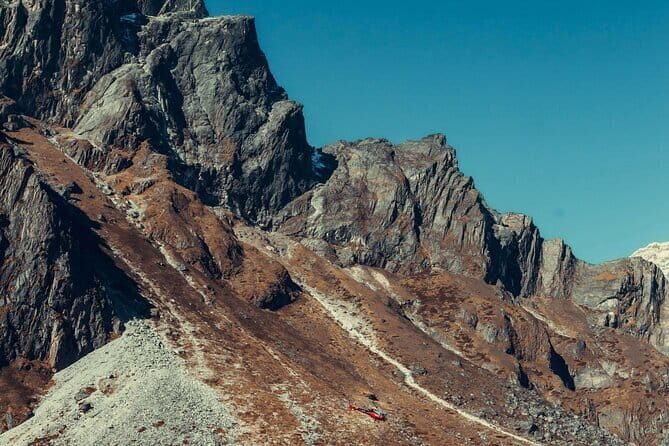
At $1,473, you’re paying for more than a helicopter ride. You’re paying for a tight package that bundles transportation in Kathmandu (including an air-conditioned vehicle), multiple aviation legs, and all fees and taxes.
So how do you judge value?
- If your priority is a quick, high-impact look at Everest’s region, this can be good value compared with costs of multi-day treks when you’re time-limited.
- If you’re mainly chasing the cheapest way to “see Everest,” this won’t feel bargain-like, because it’s priced like an aviation experience with operational stops.
- If you’re expecting a guaranteed perfect photo moment at every angle, remember weather can control visibility. The tour is built around flying, but it still has nature on its side or not.
One practical warning from real-world experience: because this is a shared helicopter format, pricing can be inconsistent across passengers depending on booking timing, seat allocation, or internal pricing decisions. I can’t tell you what someone else paid, but I can say it’s smart to keep your invoice and written confirmation handy so you’re not guessing about what’s included when you arrive.
Also note what’s not included. Breakfast at Everest View Hotel is listed as not included in the price breakdown, and that’s easy to miss. However, the day’s flow clearly includes a breakfast stop at Everest View Hotel. To avoid surprises, I’d confirm directly what you’re being charged for when you check in—especially if your booking text separates meal inclusions.
Finally, there are additional costs not included: national park entrance fees and a local special permit, around RS. 5,500. That’s part of the real cost picture, even though it’s outside the base tour price.
Weather, permits, and the 198 lbs weight limit
This is an aviation experience in a high-mountain environment, so weather isn’t a minor footnote. The tour is explicitly described as requiring good weather. If conditions are poor, the experience can be canceled, and you’ll be offered another date or a full refund.
That matters for planning. In practice, this kind of helicopter itinerary is best when you have at least some flexibility in your Kathmandu schedule. If you’ve locked in other tours with no wiggle room, you may feel stressed if the flight gets delayed or rescheduled.
Permits and fees also matter because they’re not always baked into a simple “tour price.” Plan for:
- National park entrance fees
- Local special permit (around RS. 5,500)
And then there’s the hard line: total passenger weight is listed as 198 lbs. If you’re near that threshold, it’s smart to verify how the operator handles measurement and whether there’s any leeway. It’s better to clarify early than to discover an issue at check-in.
Who this helicopter landing tour is best for
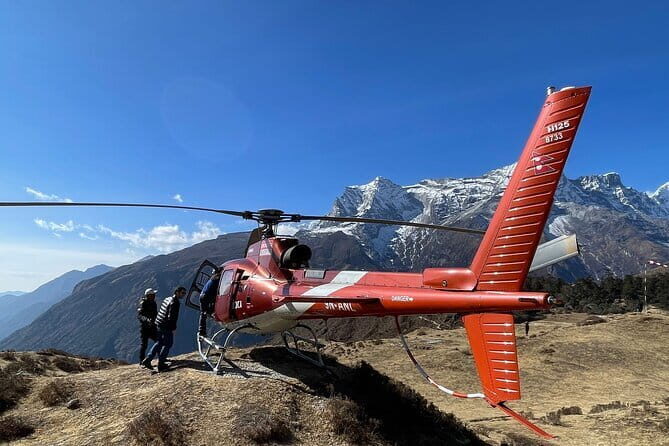
This experience is ideal if you want Everest-region views but you can’t (or don’t want to) trek to higher camps. It also works well for people who:
- have only a short time in Nepal,
- are concerned about altitude stress from trekking,
- want a high-impact view without long trail days.
It’s less ideal if you:
- hate early mornings and waiting around,
- are only satisfied by being on foot at Everest Base Camp,
- want a slow, guided learning experience on the ground. This tour is about speed and views, not extended hiking.
If you’re a photographer, you’ll probably love it for the sheer angle variety. If you’re seeking cultural time with Sherpa villages on foot, you’ll get some context from the wider region, but this is still a helicopter day with limited time on the ground.
Should you book this Everest Base Camp helicopter tour with landing?
If your goal is a short, high-impact Everest region experience, I think it’s worth serious consideration—especially because the tour combines air views over the Khumbu Glacier and Icefall with a real landing stop at Everest View Hotel for breakfast. That mix gives you both the spectacle from above and a more grounded moment to reset.
I’d only hesitate if any of these are true for you:
- You need guaranteed landing at Everest Base Camp itself (this one is structured around seeing Base Camp from the air).
- You have no flexibility for weather changes.
- You’re sensitive to long ground pauses at operational stops.
If you decide to book, do it with your expectations tuned: think of this as an Everest-region viewpoint flight with a hotel landing, not a trekking replacement.
FAQ
What time does the tour start?
The start time is 4:45 am.
How long is the experience?
It runs about 4 to 5 hours.
Where do you fly and what are the main stops?
You start at Tribhuvan International Airport, then fly to Lukla and Pheriche, have a viewpoint flight involving Kalapatther, and then land at Everest View Hotel before returning to Kathmandu.
What does the landing at Hotel Everest View mean?
The tour includes a stop at Everest View Hotel for about one hour, with breakfast, as part of the main viewpoint segment.
Is breakfast included?
Breakfast at Everest View Hotel is listed as not included in the price breakdown.
What’s included in the tour price?
Included items are air-conditioned vehicle, helicopter flights on a sharing basis, and all fees and taxes.
What additional fees are not included?
You should plan for national park entrance fees and a local special permit, around RS. 5,500.
What’s the passenger weight limit?
Total weight per passenger is listed as 198 lbs.
What happens if the weather is bad?
The tour requires good weather. If it’s canceled due to poor weather, you’ll be offered a different date or a full refund.
Is there free cancellation?
Yes. You can cancel up to 24 hours in advance for a full refund.