REVIEW · KATHMANDU
11 Days Private Nepal and Bhutan Tour
Book on Viator →Operated by Going Nepal Pvt. Ltd, Tailor-Made Luxury DMC · Bookable on Viator
Two countries in one trip feels magic. This 11-day private route strings together Kathmandu’s heritage, Bhutan’s temple culture (including Paro and Thimphu), plus Pokhara’s lakes and Chitwan’s wildlife days—so you get contrast all the way from high-viewpoints to jungle riverbanks. I especially liked that it’s not just sightseeing. You actually step into daily traditions on both sides of the border.
I loved the hands-on culture stops: meeting nuns at Zilukha Nunnery and learning about Tharu life in Chitwan.
The only real drawback to plan for is effort and weather: the Tiger’s Nest hike is uphill, and mountain views depend on clear skies.
What makes this tour work is the human touch. I like that you’re guided by English-speaking licensed professionals and supported by a full-time escort, and past guests singled out leaders like Surindra and Mr. Bashanta for being flexible and genuinely helpful. That matters when you’re crossing time zones, heights, and temple etiquette all in one trip.
Even better, the included meals are full-board, and one guest called out the quality of the thali, which is a good sign when you’re traveling long days.
The trade-off? You’ll move. Domestic flights and early starts are part of the rhythm, and “moderate physical fitness” is the right expectation—especially if you’re not used to stairs, uneven paths, or early mornings. If you want a trip that’s mostly lazy and slow, this won’t be your style.
In This Review
- Key Highlights You’ll Actually Feel
- Two Countries, One Private Rhythm: What This Tour Really Delivers
- Kathmandu Arrival: Getting Your Bearings on Day One
- Bhutan Flight Into Paro and Thimphu: Temples, Statues, and the Takin Enclosure
- Punakha Day Through Dochula Pass: Paper Skills, Medicine, Nuns, and Mountain Views
- Paro Old Town on Foot and Tiger’s Nest: The Best Use of Your Legs
- Pokhara by Domestic Flight: A Lakeside Reset After High Temples
- Sarangkot Sunrise and Peace Stupa: Early Morning Worth It (If Clear Skies Show Up)
- Chitwan National Park: Tharu Culture and Rapti River Sunset
- Chitwan Day Two: Canoe Ride, Birding, and Safari Options for Wildlife
- Back to Kathmandu: Swayambhunath and Kathmandu Durbar Square
- Price and Logistics: Is $4,760 a Fair Deal for This Much Included?
- Who This Tour Fits Best (and Who Should Think Twice)
- Should You Book This Nepal and Bhutan Private Tour?
- FAQ
- Is this tour private?
- Where does the tour start?
- What flights are included?
- Are city tours and entrance fees included?
- What accommodation is included?
- How are meals handled?
- Does the itinerary include hiking?
- Are guides available in English?
- Is pickup offered?
- Can You Tell Me the Basic Fitness Level Needed?
Key Highlights You’ll Actually Feel
- Private group pace: your schedule is built for your group only, not a cattle-car timeline.
- Culture you can meet: nuns at Zilukha, Bhutan craft learning, and a Tharu village visit in Chitwan.
- Tiger’s Nest with real payoff: a strenuous-ish hike with a legendary payoff from the cliff.
- Pokhara at postcard angles: Sarangkot sunrise and a hilltop view from Peace Stupa.
- Chitwan wildlife variety: canoe ride on the Rapti River, birding, and safari options (jeep and elephant).
Two Countries, One Private Rhythm: What This Tour Really Delivers
This is one of those trips where the biggest “wow” isn’t a single photo moment. It’s the way the whole itinerary keeps switching gears without losing its meaning. You begin in Nepal with Kathmandu heritage, then you fly into Bhutan for monasteries and fortress towns, then you pivot back to Nepal for lakes and jungle.
For you, that means less time wondering what to do next. Each day is built around a clear theme: temples and craftsmanship in Bhutan, viewpoints and water in Pokhara, wildlife and river life in Chitwan, and then back to Kathmandu’s cultural heart.
The private format also changes how you experience it. You’re not waiting on strangers every time a guide wants to slow down at a carvings detail or pause to explain how a place fits into the local worldview. And you get the benefit of full-time assistance, which helps when you’re dealing with domestic flights, early pickups, and timing around sunrise.
You can also read our reviews of more private tours in Kathmandu


Kathmandu Arrival: Getting Your Bearings on Day One
Your Day 1 setup is designed to be low stress. You arrive at Tribhuvan International Airport, meet a Going Nepal representative, and get transferred straight to the hotel. There’s a welcome drink, a tour briefing, and then you’re free to rest.
This matters more than it sounds. Kathmandu can feel busy and confusing if you arrive and immediately start bouncing around. With this plan, you land, get oriented, and let your first night be about sleep, not logistics.
On top of that, you’re not just handed a map. There’s a licensed-guide structure through the main sightseeing blocks later in the trip, plus monument entrance fees are included where relevant. So on your city days, you’re not constantly scanning your budget for museum tickets.
If you’re the kind of traveler who likes a clean start, this day helps. If you’re the kind who gets antsy when nothing is happening, you at least get an evening briefing so tomorrow doesn’t feel vague.
Bhutan Flight Into Paro and Thimphu: Temples, Statues, and the Takin Enclosure
On Day 2, the plan shifts you from Nepal into Bhutan’s rhythm. You arrive at Paro airport, get welcomed, and transfer toward Thimphu. After lunch, you visit a cluster of places that do two things: explain Bhutan’s religious culture and give you high viewpoints of the valley.
You start with Memorial Chorten, built in memory of the late 3rd King. Then it’s Changangkha Lhakhang, described as the oldest temple in the valley, which also gives you a panoramic view when you’re in the right spot. You’ll also see the enclosure where the national animal, the takin, is kept—one of those stops that’s small but unforgettable because it connects you to local identity.
The day ends with the largest newly built statue of Buddha, and the guide can help you orient what you’re seeing rather than letting it turn into “standing in front of a statue” time.
One thing to consider: Thimphu days can involve a mix of walking and viewpoint changes. It’s not a trek, but you’ll still want decent shoes. And since the schedule is concentrated, you may feel you’re moving more than you’d like if you prefer slow afternoons.
Punakha Day Through Dochula Pass: Paper Skills, Medicine, Nuns, and Mountain Views
Day 3 is one of the more meaningful cultural transitions of the whole trip. You start in the morning with educational and craft-oriented Bhutan stops: the Traditional Handmade Paper School of Arts and Crafts, where students learn 13 arts. Then it’s the Folk Heritage Museum, the National Library, and the Traditional Institute of Medicine.
That’s a smart choice for you if you want Bhutan beyond dzongs and prayer flags. This is where you get context for how knowledge is preserved and passed on.
Next comes the human moment. You drive to Zilukha nunnery to meet the nuns and interact. Even if you don’t share a language, a visit like this usually gives you the most honest feeling for daily monastic life: routines, calm, and how tradition looks in real life.
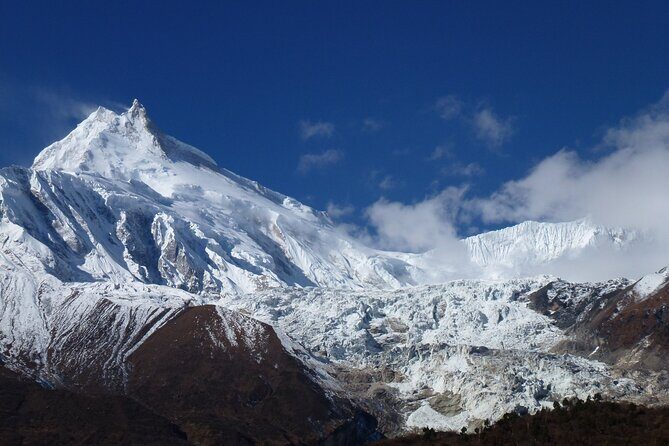
After lunch you head toward Punakha via Dochula pass (3200m). If weather cooperates, you’ll get Bhutan’s highest-mountain views. Then you walk around the 108 stupas and continue down into Punakha’s sub-tropical valley.
The practical drawback: visibility is weather-dependent. On clear days, it’s stunning. On cloudy days, it can feel muted. Either way, the pass and stupas are still interesting because they’re built for devotion and remembrance, not just sightseeing.
Paro Old Town on Foot and Tiger’s Nest: The Best Use of Your Legs
Day 4 brings you back to Paro. After lunch, you walk through Paro Dzong on foot and cross the oldest wooden bridge still in use. Then you have time to explore old Paro town and browse local handicraft stores. If timing works, you might even catch a traditional archery match.
This day is a breather compared to what comes next. It’s also one of those moments where walking helps. You’ll see the scale of buildings and bridge construction in a way that a vehicle can’t show you.
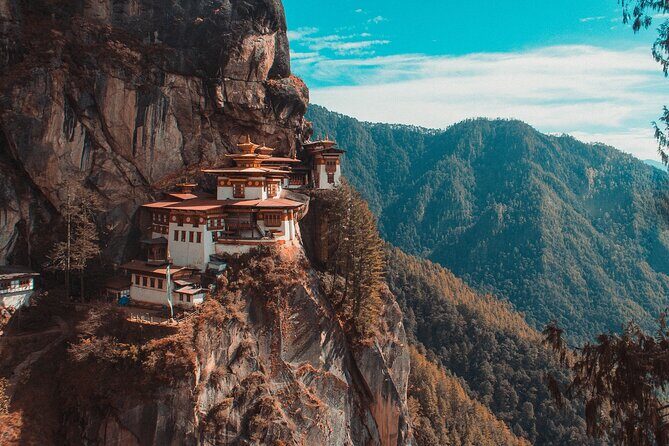
Then Day 5 is the big one: Tiger’s Nest (Paro Taktsang). You hike from the base, with about 2 hours uphill, to reach the most revered temple in Bhutan. The temple sits on a granite cliff overlooking Paro Valley, and you’re there for both the sacred space and the view.
You’ll stop for lunch at a cafeteria during the hike, so it’s not a “bring your own snacks or suffer” scenario. After you return, you can relax at the hotel, and there’s an optional hot stone bath if you want it at your own expense. The day ends with a farewell dinner in town.
This is where you should be honest with yourself about fitness. If you’re fine on uneven paths and can handle steady uphill effort, you’ll be glad you did it. If not, you might still enjoy the experience, but you’ll want to go slow, use breaks, and plan for a sore day after.



Pokhara by Domestic Flight: A Lakeside Reset After High Temples
On Day 6, you fly domestically to Pokhara. The tour has you transfer to the airport and catch your flight, then you reach Pokhara quickly. Once you arrive, you check into the resort, get a welcome drink, and a briefing about the program.
Pokhara is a different kind of calm from Bhutan’s temple visits. You’ll still have activity, but it’s framed around viewpoints, water, and easy-to-follow sightseeing.
Your half-day city tour covers Davis Fall, Gupteshwor cave, Tibetan Camp, and ends with boating on Phewa Lake. In plain terms: you get natural features plus cultural texture plus a low-pressure lake activity.
If you’re trying to time your energy, this is a good day for it. It’s not another mountain climb, and you’re not trying to cram too many physical challenges into one block. Still, you’ll walk a bit around cave areas and viewpoint points, so keep your shoes comfortable.
Sarangkot Sunrise and Peace Stupa: Early Morning Worth It (If Clear Skies Show Up)
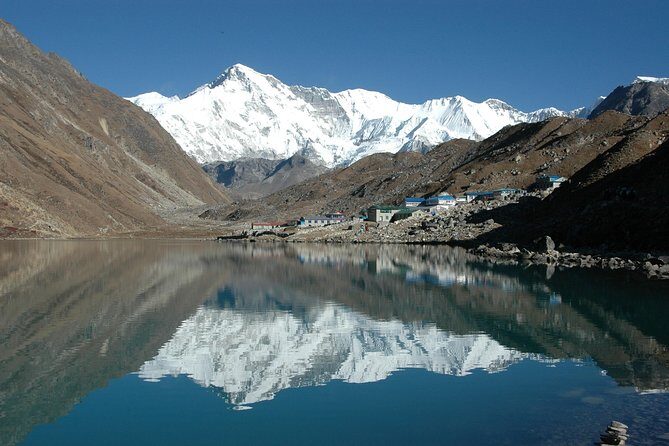
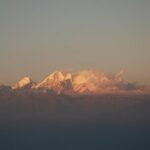
Day 7 starts early for sunrise at Sarangkot (1600m). On a clear day, you can see the Annapurna range along with Machhapuchre (Fishtail). Then you drive back, eat breakfast, and continue with more hilltop viewpoints.
Next is Peace Stupa (Shanti Stupa). From the hilltop, you get panoramic views over Pokhara Valley, with the Annapurna range and Phewa Lake in the background when visibility allows. After that, you visit the Pokhara International Mountain Museum, then head back to the hotel for lunch and rest.
This day is a good example of value: sunrise costs you time, not money, and you usually get one of the most memorable “stillness” moments of the trip if the weather behaves.
Your consideration: cloudy mornings are a mood-killer. The itinerary still has other interesting stops, but the “big view” pieces depend on the sky. If you’re traveling during a season when weather is often mixed, keep expectations flexible.
Chitwan National Park: Tharu Culture and Rapti River Sunset
Day 8 takes you from mountains and lake views into Nepal’s jungle world. You fly to Bharatpur (Chitwan area), check into the resort, and get a briefing about jungle activities.
The afternoon mix is smart: you start with the Tharu village near the area to learn about Tharu life and lifestyle, then you visit the National Park visitor’s center for history and wildlife context. After lunch and briefing, you end the day with a sunset view tour from the bank of the Rapti River.
This is one of the most balanced segments of the itinerary. Wildlife is the headline, but the culture stop prevents the day from feeling like a theme-park safari script. You learn what local life looks like in the same region where conservation matters.
One note: animal viewing is never guaranteed. What you can expect is time outdoors, river scenery, and a structured approach from the guide.
Chitwan Day Two: Canoe Ride, Birding, and Safari Options for Wildlife
Day 9 is built around giving you multiple ways to spot wildlife. You wake up, have breakfast, then head for the Chitwan Jungle Tour.
You begin with a canoe ride along the Rapti River. This is often one of the best wildlife formats because you’re quiet and lower to the water. It’s also where the tour highlights bird watching. You also have a chance to see two rare crocodile species: the Marsh Mugger and the fish-eating Gharial.
After the river time, you do a jungle walk. Then you return for lunch and rest, and the day continues with Elephant Safari/Jeep Safari options. The tour frames it as a chance to see deer, rhinos, wild boar, monkeys, leopard, sloth bear, and even the Royal Bengal Tiger if you’re lucky.
The practical takeaway for you: go in with patience and good observation habits. Wildlife viewing rewards calm attention—listening for movement, scanning slowly, and not expecting animals to appear on a strict timetable.
Also, think about comfort. Jungle days can be hot and humid. Your best friend is light clothing, a hat, and a plan for staying hydrated between activities.
Back to Kathmandu: Swayambhunath and Kathmandu Durbar Square
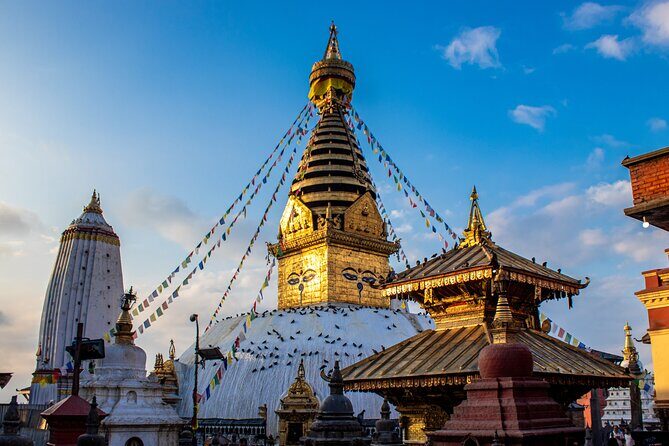
Day 10 brings you back to Kathmandu by flight. After a quick transfer from Bharatpur domestic airport and arrival in Kathmandu, you visit Swayambhunath Stupa, an ancient Buddhist site west of Kathmandu, famous as the Monkey Temple because of the resident primates.
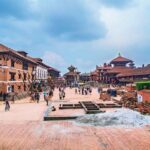
Then you move to Kathmandu Durbar Square, a collection of temples and wood carvings in the old city. You’ll visit Hanuman Dhoka, tied to the Licchavi era and expanded by King Pratap Malla, with palaces, temples, and courtyards.
This is a strong closer because it pulls your trip’s themes together: living religious culture in a historic setting, plus real city atmosphere and craftsmanship.
If you want an easy final day mentally, this one is good. You’re not hiking like Tiger’s Nest again. Instead, you’re walking through heritage spaces where your guide can help you understand what you’re seeing.
Price and Logistics: Is $4,760 a Fair Deal for This Much Included?
At $4,760 per person for an 11-day private Nepal and Bhutan tour, you’re paying for two things: cross-country movement and a lot included on the ground.
From what’s included, you get:
- Private transfers and guided city tours with English-speaking service
- Entrance fees during sightseeing blocks
- Air ticket sectors: Kathmandu–Pokhara and Chitwan–Kathmandu (via domestic flights)
- Full-board meals across the trip, with listed breakfast, lunch, and dinner counts
- Multiple nights of accommodation: 3 nights in Kathmandu, 2 nights in Pokhara, plus 2 nights within the Chitwan jungle package
- Traditional welcome (garland) and full-time assistance
So the value isn’t just “a price.” It’s about how much the tour reduces decision fatigue. You don’t have to map out flights, figure out entrance tickets, or negotiate transportation while you’re juggling jet lag and high-altitude days.
What could cost you extra are predictable things: your Nepal entry visa fee, travel insurance (including coverage of Covid19 is mentioned as not included), plus personal expenses and tips/donations.
If you’re comparing to DIY travel, this price can look high. If you compare to other guided private packages where flights and entrance fees add up fast, it’s more understandable. For me, the best part is that you’re not squeezing budget constraints into every day.
Who This Tour Fits Best (and Who Should Think Twice)
This tour is a great match if you want a single package that covers:
- Nepal + Bhutan culture in one trip
- temple visits plus village encounters
- lakeside days plus jungle wildlife time
- private guiding and private transfers
It’s especially good if you like structure, but still want a human guide who can help you adjust when conditions change (weather, pacing, and on-the-ground timing). Past guests specifically highlighted flexibility from guides like Surindra and Lila’s team style.
It may not suit you if:
- you want mostly restful days with no early starts
- you strongly dislike uphill effort (Tiger’s Nest)
- you dislike weather variability (Sarangkot and Dochula views can soften when skies are cloudy)
If you’re traveling with someone who wants different things at different times—one person for views, one for cultural stops—this itinerary’s mix tends to keep everyone fed.
Should You Book This Nepal and Bhutan Private Tour?
If you’re aiming for first-time Nepal and Bhutan coverage without stitching together a dozen independent bookings, I’d say yes. The tour earns its price by including the big-ticket pieces—domestic flights, private transfers, guides, entrance fees, and full-board meals—so you spend more time paying attention and less time managing logistics.
Book this if you’re ready for some uphill walking, early mornings, and “nature decides the skyline” days. The payoff is a trip that feels like two countries, not two separate vacations.
If you’re unsure, my practical advice is simple: check your hiking comfort for Tiger’s Nest and bring a weather-ready mindset for Sarangkot and Dochula. If those boxes fit, this is a strong way to see a lot of Nepal and Bhutan in a single, well-paced private run.
FAQ
Is this tour private?
Yes. It’s described as a private tour/activity, and only your group participates.
Where does the tour start?
The meeting point listed for the start is Tribhuvan Airport in Kathmandu, Nepal.
What flights are included?
Air tickets sectors Kathmandu–Pokhara and Chitwan–Kathmandu are included.
Are city tours and entrance fees included?
Yes. Guided city tours and entrance fees are included as part of the package.
What accommodation is included?
Accommodation is listed as twin sharing rooms, including 3 nights in Kathmandu and 2 nights in Pokhara. Chitwan includes a 2-night package with jungle activities.
How are meals handled?
Meals are included on a full-board basis, with breakfast, lunch, and dinner counts listed in the package inclusions.
Does the itinerary include hiking?
Yes. The Tiger’s Nest day includes a hike with about 2 hours uphill to reach the temple area. There are also walking components in city and temple visits.
Are guides available in English?
Yes. The itinerary includes English-speaking guide service.
Is pickup offered?
Pickup is offered, and airport transfers are included according to the itinerary.
Can You Tell Me the Basic Fitness Level Needed?
The additional info states travelers should have a moderate physical fitness level.