REVIEW · KATHMANDU
From Kathmandu: Guided Everest Base Camp Trek
Book on GetYourGuide →Operated by Info Nepal Tours and Treks · Bookable on GetYourGuide
Everest Base Camp starts with a noisy, high-stakes day. This guided trek pairs big-picture icons—Everest Base Camp, Kala Patthar, and Sagarmatha National Park—with real-world help on the trail, including English-speaking guidance and strong on-the-ground organization. I love that the route builds in acclimatization time (Namche and Dingboche), which makes the whole experience feel more manageable. I also love the human side: guides like Saran and Prayas focus on pace, check your condition, and make communication easy even if your English isn’t perfect. The one drawback to consider is that the trek is physically demanding, and the altitude adds a real risk factor—so you’ll want to take the slower days seriously and listen to your guide.
If you’re coming from Kathmandu, you’ll fly in and out of Lukla and spend 12 days in the Everest region with a small group setup. Expect practical touches like a trekking map, a first-aid kit, a Sagarmatha National Park permit, and even welcome and farewell coffee. In the background, the agency coordinator Rajesh handles fast messaging and trip details, which matters when you’re trying to get your bearings before the trek.
In This Review
- What makes this Everest Base Camp trek work so well
- Everest Base Camp: why this trek feels iconic in the right way
- Kathmandu to Lukla: the start of the expedition
- Day-by-day: what each stop does for your body and your eyes
- Day 2: Phakding to Namche Bazaar (3,440 m)
- Day 3: acclimatization day in Namche Bazaar
- Day 4: Namche to Tengboche (about 3,800 m)
- Day 5: Tengboche to Dingboche (4,400 m)
- Day 6: rest day in Dingboche
- Day 7: Dingboche to Lobuche (4,900 m)
- Day 8: Lobuche to Gorakshep, then on to Everest Base Camp (up to 5,365 m)
- Day 9: Kala Patthar (5,545 m) and down to Pheriche (4,200 m)
- Day 10: Pheriche to Namche Bazaar
- Day 11: Namche to Lukla, then fly back
- Day 12: arrive in Kathmandu
- Sherpa culture and Tengboche: more than scenery
- Wildlife and Sagarmatha National Park: walking through a protected world
- Guides and communication: the part you feel in real time
- Price and value: what you’re really paying for at $408
- Who this trek fits best (and who should think twice)
- Should you book this Everest Base Camp trek?
- FAQ
- Is the guide English-speaking?
- Does the trek include flights from Kathmandu to Lukla?
- How long is the Everest Base Camp trek?
- What’s included in the package price?
- What is not included?
- Is the group small?
What makes this Everest Base Camp trek work so well
- English-speaking guidance with real care (including help when illness pops up near the end, plus porter support when needed)
- Acclimatization built into the rhythm around Namche and Dingboche, so you’re not just climbing blindly
- Tengboche monastery timing and atmosphere, where prayer ceremonies and Buddhist traditions add meaning to the altitude
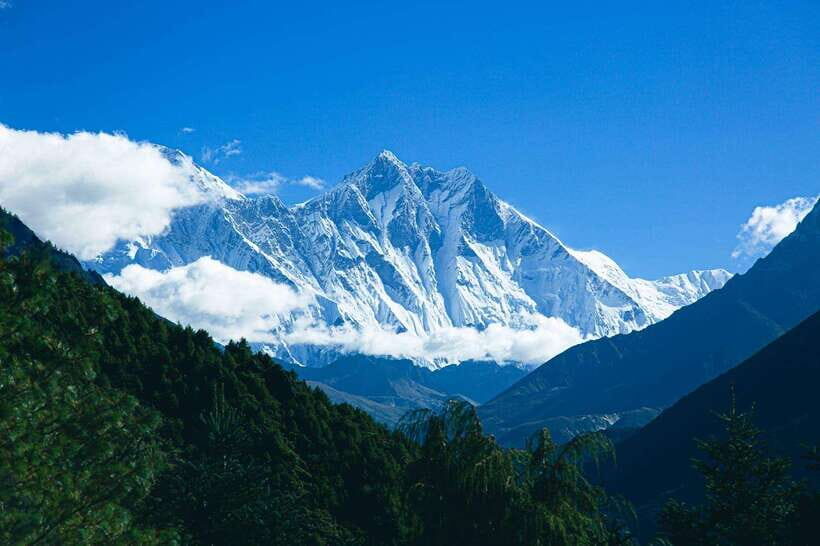
- Kala Patthar sunrise potential from the top day, giving you the closest views of Everest and the surrounding peaks
- Small-group feel, which keeps the trek from turning into chaos on narrow trails
- Value that covers key essentials, like flights (when selected), accommodations, permits, and guide support
Everest Base Camp: why this trek feels iconic in the right way
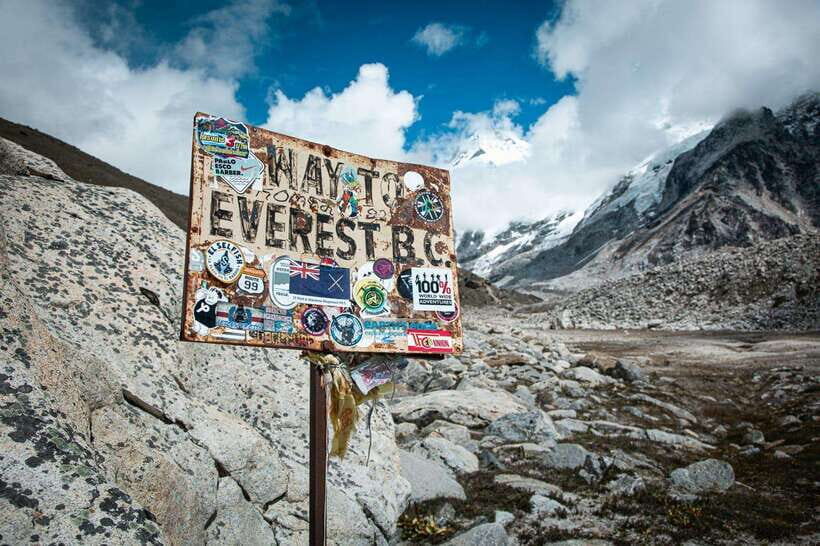
Let’s be honest: Everest Base Camp is famous for a reason. You’re heading to the 5,364 m base camp zone, but what you actually experience is a chain of moments—altitude, weather shifts, changing scenery, and the steady feel that the mountain is getting bigger each day.
What I like about doing EBC on a guided route is that you’re not forced to play “solo expedition” the whole time. You follow a structure that makes sense: you climb, you recover, you climb again, and you stop at places where the view and the culture land at the same time.
And the cultural side is not an afterthought. You pass through Sherpa communities where Buddhism shapes daily life, and you visit places like Tengboche where ceremonies aren’t staged for tourists—they’re part of the rhythm up there.
You can also read our reviews of more guided tours in Kathmandu
Kathmandu to Lukla: the start of the expedition
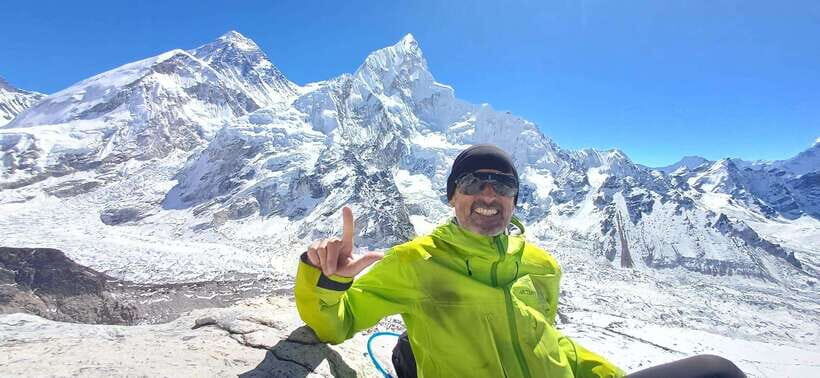
Your trek begins in Kathmandu, and the plan moves quickly into the Everest region. With the included hotel pickup and drop-off, you’re not left guessing how to get lined up for the flight day.
Then comes the flight to Lukla (included if you pick that option). Lukla matters because it compresses the journey: you’re not trekking from the plains for weeks first. You go straight into the mountains, which is exciting—but also means the trek’s physical demands show up right away.
You’ll trek from Lukla to Phakding (around 2,610 m). This day is your first real “eyes open” moment: you’ll feel the altitude, you’ll get used to steep and uneven paths, and you’ll start noticing how quickly the air changes when you’re higher than you’re used to.
Day-by-day: what each stop does for your body and your eyes
Day 2: Phakding to Namche Bazaar (3,440 m)
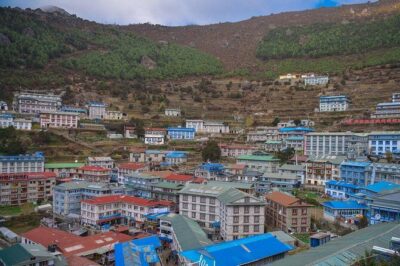
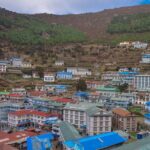
Namche is the gateway town, and it functions like the Everest region’s operating center. You’ll reach Namche Bazaar at about 3,440 m, and that’s where the trek shifts from “getting there” into “being in it.”
This is where I’d spend my energy on two things: slow pacing and getting your bearings. Namche is also where you can adjust supplies and see daily life of the Sherpa communities who live and work in the Khumbu region.
Day 3: acclimatization day in Namche Bazaar
You get an acclimatization day in Namche, and that’s a big deal. Instead of pushing straight up, you use the day to adapt and recover, which helps you keep your momentum without burning yourself out early.
I like an acclimatization day because it turns altitude into something you manage, not something that just happens to you. In practical terms, it gives you time to rest, eat, and move at a steady pace without treating every step as a race.
You can also read our reviews of more hiking tours in Kathmandu
Day 4: Namche to Tengboche (about 3,800 m)
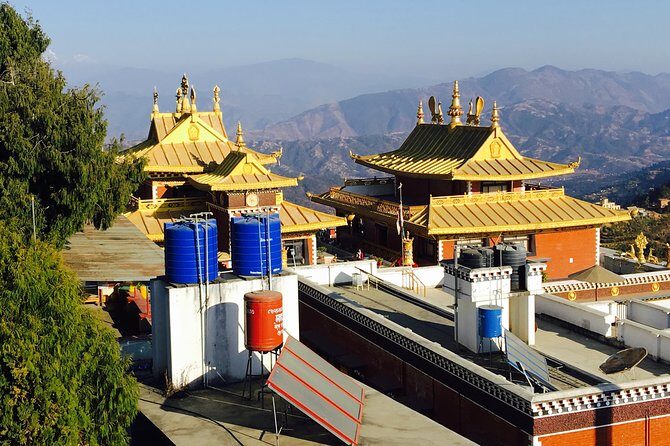
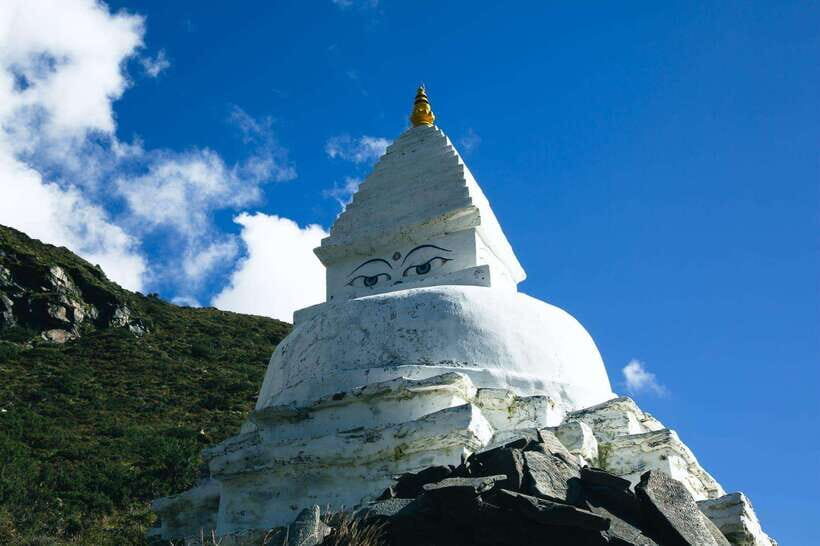
This is the day where the trek starts feeling both spiritual and dramatic. You move toward Tengboche, a classic stop where the Buddhist monastery adds a calm contrast to the huge surrounding peaks.
At Tengboche, you’re at about 3,867 m in the general region of the monastery, and you can experience the daily rituals and prayer atmosphere. It’s not just a photo stop; the setting helps you understand how people live with the mountain as part of their worldview.
Day 5: Tengboche to Dingboche (4,400 m)
You’ll climb to Dingboche (around 4,400 m), which is higher, colder, and more serious-feeling than the earlier days. Dingboche is often where trekkers start to feel the altitude more clearly, so take the slower pace seriously.
This is also the point where you’ll appreciate having guidance. A good guide doesn’t just tell you where to walk—they help you read your own body and keep you from pushing too hard simply because you can.
Day 6: rest day in Dingboche
That rest day in Dingboche is doing real work. It’s the second major acclimatization block, and it helps you prepare for the higher country ahead.
I love this kind of “built-in recovery” because it reduces the chance that you’ll arrive at the highest sections already depleted. You’re still moving in the mountains, but the plan isn’t asking you to sprint.
Day 7: Dingboche to Lobuche (4,900 m)
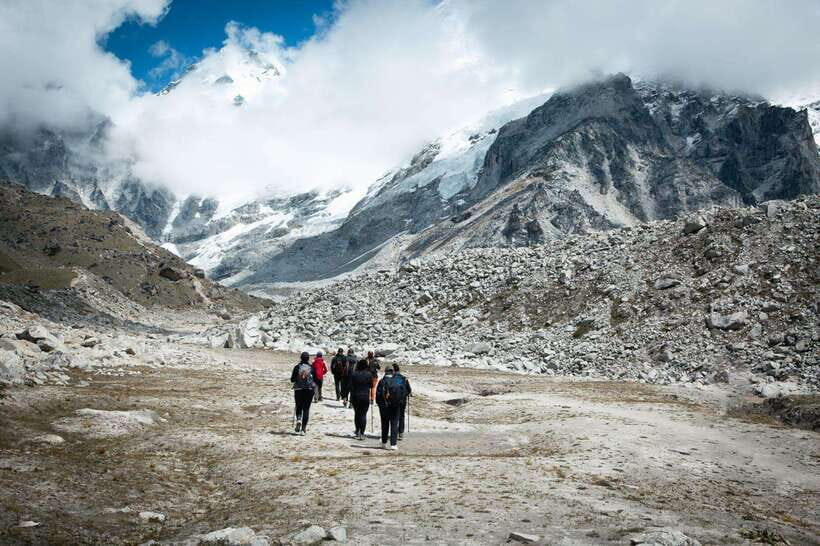
You’ll head up again to Lobuche (around 4,900 m). By now, the scenery tightens: more rocky trails, more exposed sections, and less of the lush feeling from lower elevations.
This day often sets the tone for what comes next: the trail begins to feel like you’re approaching the high-glacier world. It’s not just about view chasing; it’s about stepping into the right mindset for big altitudes.
Day 8: Lobuche to Gorakshep, then on to Everest Base Camp (up to 5,365 m)
Day 8 combines a lot. You’ll go to Gorakshep (about 5,150 m), and then continue to Everest Base Camp at roughly 5,365–5,364 m.
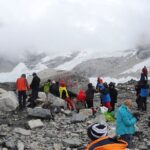
This is the heart of the trek, and it feels different than the photo moments earlier. The Khumbu Glacier zone and the icefall area create that powerful “this is real” feeling. It’s awe-inducing, sure—but it’s also a reminder that you’re standing in a remote, high-altitude environment where you respect the conditions.
If you’re solo or you get nervous about doing everything alone, this part is extra reassuring with an English-speaking guide who can keep things organized and keep you thinking clearly.
Day 9: Kala Patthar (5,545 m) and down to Pheriche (4,200 m)
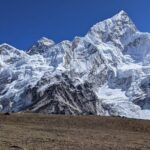
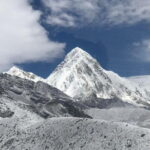
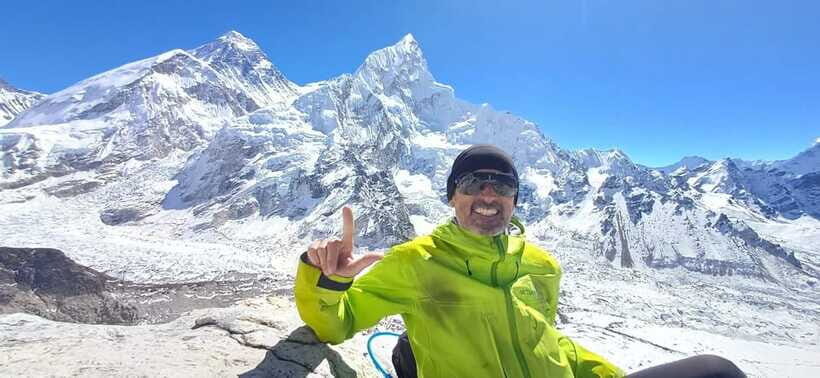
This is the big altitude push day. You’ll hike to Kala Patthar (about 5,545 m), a viewpoint known for offering close-up views of Everest and the surrounding peaks, often in the early light.
Then you descend to Pheriche (around 4,200 m). That descent is not a free victory lap—it helps you recover after the highest point stress, but your legs will still feel it.
It’s a smart pairing: one day for the summit-like viewpoint, then one day to start your return into slightly lower air.
Day 10: Pheriche to Namche Bazaar
You’ll trek back down toward Namche (around 3,440 m). This is where the mountain “sort of loosens its grip,” but you’ll still be walking on uneven trails.
I find return days mentally helpful. You’re not wondering what comes next; you’re just dealing with fatigue, and you can feel your progress day by day.
Day 11: Namche to Lukla, then fly back
You’ll trek down to Lukla (about 2,800 m), then fly back toward Kathmandu. This day is about conserving energy. You’ll likely be tired in a good way—you’re done the hard parts, but you still need good walking habits to finish strong.
Day 12: arrive in Kathmandu
You’re back in Kathmandu at the end of the trek. After 12 days at altitude, the value of the wrap-up matters: you get a clean return to city life without having to figure out logistics last minute.
Sherpa culture and Tengboche: more than scenery
One of the reasons EBC hits harder than many other treks is that the region is living culture, not just mountain backdrops.
In your route, Namche Bazaar acts like the social hub, where you can see how Sherpa communities trade, talk, and prepare for mountain seasons. It’s also where you get a sense of how trekking and mountaineering connect to local livelihoods.
Then there’s Tengboche Monastery, where the Buddhist prayer atmosphere adds meaning to the hike. If you’re the type who likes understanding what you’re looking at, these stops help you connect faces and traditions to the big-name peaks.
Wildlife and Sagarmatha National Park: walking through a protected world
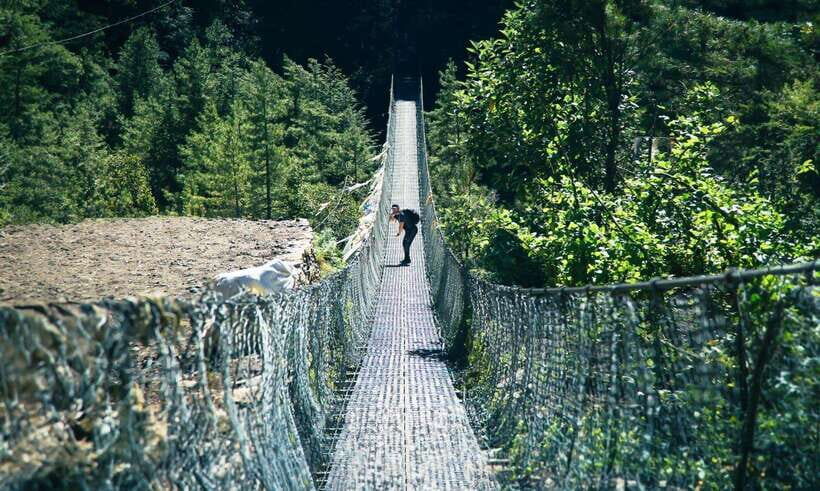
Your trek takes place inside Sagarmatha National Park, a UNESCO World Heritage-listed area. That matters because it frames the trek as more than a personal challenge—it’s also a place with environmental protection priorities.
In the national park, you might have opportunities to notice signs of wildlife. The region is known for species like snow leopards, musk deer, and Himalayan tahrs, though sightings aren’t something you can plan like an appointment.
The practical takeaway: treat this trek like a respectful walk through protected high-country, where waste management and trail behavior matter.
Guides and communication: the part you feel in real time
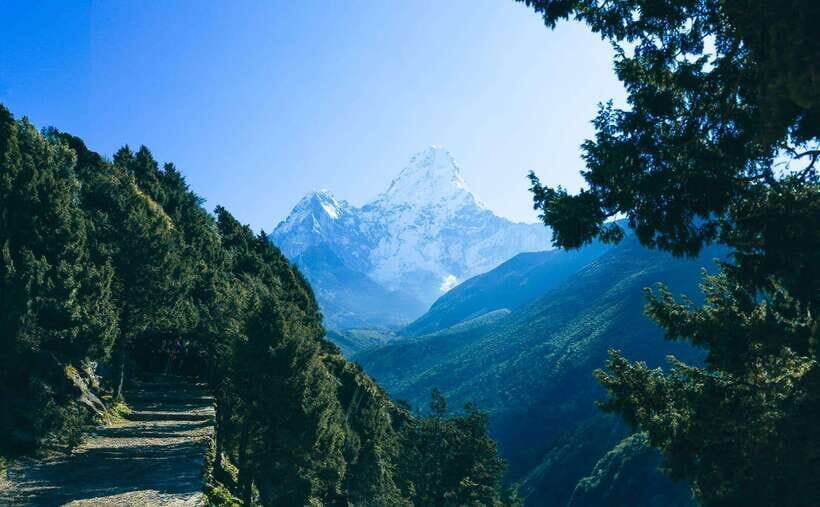
This is where the trek earns its high praise. The strongest theme in the experiences you shared is guide support—not just knowing the route, but knowing you.
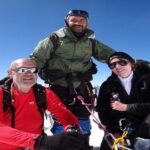
I’m especially glad that the trip structure includes an English-speaking guide and strong on-trail attention. In one case, a traveler described how Saran provided support when someone got too tired to carry a heavy pack, helped with acclimatization concerns, and kept communication smooth even when English wasn’t a traveler’s strongest skill. There’s also mention of extra help near the end when illness showed up, including medical assistance and porter support for the last day.
Another experience highlights Prayas as very helpful with good English. When you’re at altitude, clearer communication isn’t a luxury. It helps you follow safety advice, understand what’s coming, and keep your pace steady.
And behind the scenes, Rajesh is described as organized and quick to respond before the trek. That kind of early coordination reduces stress, because you can focus on the mountains instead of logistics.
Price and value: what you’re really paying for at $408
At $408 per person for a 12-day guided trek, the price makes sense only if you compare what’s actually included.
Here’s the value picture based on what your package covers:
- Domestic flights from Kathmandu to Lukla and back (when you select that option)
- Accommodation during the trek
- A guide, plus food and accommodation for the guide
- Sagarmatha National Park permit
- A trekking map, first-aid kit, and welcome/farewell coffee
- Food and drinks only if you choose the full-board option
What’s not included is also important: Nepal visa fees and travel insurance. That means you should budget for those separately and make sure you have insurance that makes sense for trekking and high altitude.
The best way to judge value is this: you’re paying for reduced uncertainty. You’re not negotiating permits, tracking your guide’s route knowledge, or figuring out how to handle the acclimatization pacing. When you’re climbing toward very high elevations, that “less stress” can be worth a lot.
Who this trek fits best (and who should think twice)
This trek is a strong fit if you want:
- A classic Everest route with real cultural stops (Namche and Tengboche)
- A guided experience where your pace and condition matter
- Small-group trekking so you’re not lost in a crowd
- An EBC plan that includes acclimatization days rather than only push days
It’s worth thinking twice if you:
- Want a very easy walk (it isn’t)
- Get discouraged by steep ascents, altitude fatigue, and long travel days
- Have medical concerns that aren’t something your team can safely adapt to (ask questions early)
The good news is that the guide-and-support angle here sounds strong, especially for solo travelers who appreciate someone helping with coordination and pacing.
Should you book this Everest Base Camp trek?
If you’re ready for a real trekking challenge and you want a structured route with English-speaking guide support, I think this is a smart way to do Everest Base Camp. The standout strengths are the guide-centered care and communication, plus the acclimatization rhythm that helps you spend more time enjoying the views and less time managing mistakes.
If your goal is a once-in-a-lifetime “I reached EBC” moment with spiritual and cultural stops along the way, this itinerary delivers the big hits—especially Tengboche and Kala Patthar. Just be honest with yourself about fitness and altitude risk. If you take the rest days seriously, you give yourself the best shot at coming home proud.
FAQ
Is the guide English-speaking?
Yes. The trek includes a live tour guide who speaks English.
Does the trek include flights from Kathmandu to Lukla?
Roundtrip domestic flights from Kathmandu to Lukla are included only if you select that option.
How long is the Everest Base Camp trek?
The experience is 12 days.
What’s included in the package price?
Included items are hotel pickup and drop-off, accommodations during the trek, a guide, accommodation and food for the guide, Sagarmatha National Park permit, trekking map, first-aid kit, welcome and farewell coffee, and food and drinks if you choose the full-board option.
What is not included?
Nepal visa fees and travel insurance are not included.
Is the group small?
Yes. It’s described as a small group available.