REVIEW · KATHMANDU
12 Day Everest Base Camp Guided Trek
Book on Viator →Operated by Outfitter Himalaya Holidays P. Ltd · Bookable on Viator
Everest starts with a wild Lukla hop. This 12-day guided Everest Base Camp trek sends you from Kathmandu to Lukla, then step-by-step toward the world’s most famous trekking finale—Base Camp—under the watch of a guide and a small group (max 14). I like that the logistics are handled: flights, permits, lodge nights, and daily route planning are all part of the package.
What I especially like is the pacing support built into the route. You get a real acclimatization break in Namche Bazaar and another in Dingboche, not just nonstop “walk until you drop.” I also like how much is included for the price—meals on the trail, lodge accommodation for 11 nights, and the permits paperwork (TIMS plus national park entry).
One thing to consider: this trek demands strong fitness for high altitude, not just hiking legs. Weather can also affect mountain flights, and once you’re up high you’ll feel cold and tired even on “easy” days.
In This Review
- Key points before you commit
- Getting to Lukla from Kathmandu: the trip starts early and moves fast
- Phakding to Namche Bazaar: river crossings and that first big “wow”
- Namche Bazaar rest day: not a break from work, but a break from climbing
- From Tengboche to the monastery vibes: rhododendron trails and high prayer sights
- Suspension bridges, mani walls, and the climb to Dingboche
- Dingboche acclimatization day: Ama Dablam views and a calmer body
- Dingboche to Lobuche: gentle first, then the glacier-world feeling
- Gorakshep and the long road to Base Camp
- Kala Patthar sunrise: the view that fixes everything in your memory
- The return to Lukla: rhododendron forests and the end of big climbing
- Day twelve: fly back to Kathmandu and let your body catch up
- Price and value: what $1,300 covers on the trail
- Lodges, gear, and cold-weather reality at elevation
- Who should book this trek, and who should rethink it
- Book this trek or not: my practical recommendation
- FAQ
- Where does the trek start and what time do we meet?
- How long is the Everest Base Camp guided trek?
- Is the Lukla flight included?
- What permits and paperwork are included?
- What meals are included during the trek?
- What trekking gear is provided?
- Do I need travel insurance for this tour?
Key points before you commit
- Lukla is built into the plan with Kathmandu–Lukla–Kathmandu flights and airport transfers handled.
- Acclimatization days are real, with stops in Namche Bazaar and Dingboche that help you adjust to altitude.
- You reach Everest Base Camp via Gorakshep, including the classic glacier-moraine approach.
- Kala Patthar sunrise is scheduled for one of the best “proof you’re really here” moments of the entire trek.
- Most big costs are included: 11 nights in trekking lodges, guide support, TIMS/permits, and 33 trail meals.
- Group size stays small (up to 14), which makes the days feel more manageable and less chaotic.
Getting to Lukla from Kathmandu: the trip starts early and moves fast
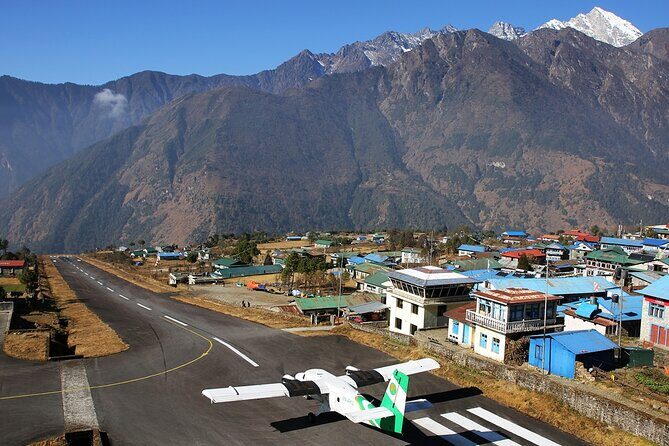
The experience begins in Kathmandu with a morning push toward the airport, followed by a short, scenic flight to Lukla. It’s only about 35 minutes in the air, but it instantly changes the mood—suddenly you’re dealing with thin air, steep hills, and mountain weather instead of city life.
From Lukla, the trek starts with an easy stretch along the Dudh Koshi River toward Phakding. The guide introduces porters right away (and you can add a porter if you need one), so you’re not stuck figuring out the basics while you’re still fresh.
Practical tip: plan to be mentally ready for an early start day. The trek can’t wait for you to roll out late.
You can also read our reviews of more guided tours in Kathmandu
Phakding to Namche Bazaar: river crossings and that first big “wow”
Day two keeps things straightforward, and that’s a good thing. You’ll follow the Dudh Koshi river corridor, cross it a few times, and pass through forested trails that gradually prepare you for bigger altitude days.
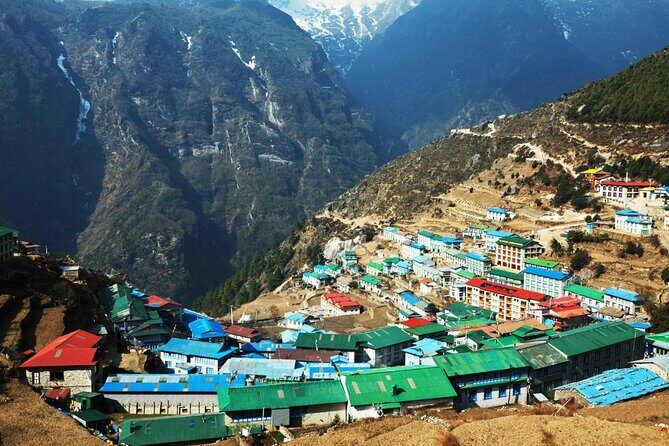
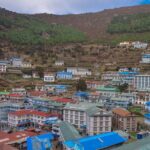
Lunch happens along the way in Jorsale as the route threads toward Namche Bazaar. When Namche finally appears ahead, it feels like the trek “opens up”—you’re in a bowl of peaks, at around 3,440m, with more lodges, tea shops, and small souvenir stops than the earlier villages.
Why this matters: Namche is the hub for acclimatization and supplies. Getting there with enough energy for a rest day is one of the biggest success factors on Everest Base Camp treks.
Namche Bazaar rest day: not a break from work, but a break from climbing
On the third day, you stay in Namche to acclimatize. This is one of the smartest choices in the whole plan, because altitude doesn’t care about your motivation.
Namche sits between mountain ridges and opens toward the Dudh Koshi, giving you sweeping views while you take it slow. You’ll have time to explore, get your bearings, and let your body adjust before you go higher.
If you’ve ever wondered why EBC trekkers talk about acclimatization nonstop, this is why. You don’t just “endure” altitude here—you manage it.
From Tengboche to the monastery vibes: rhododendron trails and high prayer sights
After Namche, the trek turns toward bigger scenery. You walk along ridge trails and flatter stretches with big panoramas—Thamserku, Kantega, and Kusum Kangrib show up when visibility is clear. Then come zigzags, a descent to the river, and a climb through rhododendron forest toward Tengboche.
Tengboche is known for the monastery, and the timing matters. You arrive with enough daylight to enjoy the setting and settle in without feeling rushed. Even if you’re tired, the views and the cultural pause make it feel like more than just another sleeping stop.
A practical note: rhododendron routes can be damp and slippery in certain conditions, so trekking poles and careful footwork help.
Suspension bridges, mani walls, and the climb to Dingboche
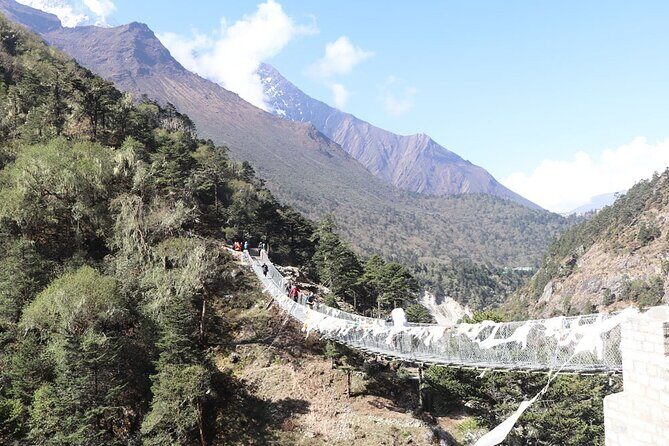
Day five moves through the Imja Khola area and includes a suspension bridge—one of those “yes, you’re really on the EBC route” moments. You also pass a long mani stone wall, which adds a very Himalayan rhythm to the day.
Then you continue through villages and summer pastures toward Pangboche, before pushing onward to Dingboche. This section is about building confidence in your pace and getting comfortable with the steady climb—short climbs, short rests, and plenty of time to breathe.
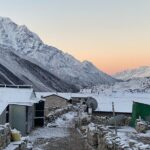
When you reach Dingboche, you’re in prime territory for views and altitude adaptation. You’re also close to the kind of mountain drama that shows up more often near the top of Everest trekking routes.
You can also read our reviews of more hiking tours in Kathmandu



Dingboche acclimatization day: Ama Dablam views and a calmer body
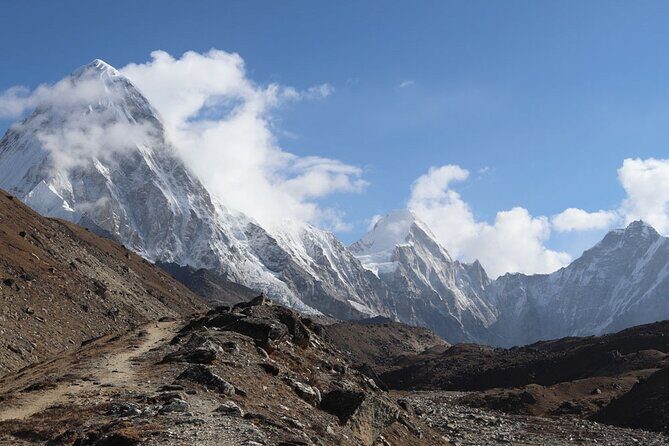
Dingboche includes a dedicated acclimatization day, with strong views of Ama Dablam and the Lhotse-Nuptse ridge. The walk is described as short, which makes it easier to use the day for side trips without exhausting yourself.
This is a day you’ll appreciate if you’re trying to keep energy for the late trek. It’s also a day that helps if someone in your group gets hit harder by the altitude than planned.
Practical tip: treat this day like a “save your legs” day. Move enough to feel good. Don’t chase extra distance just because you feel okay.
Dingboche to Lobuche: gentle first, then the glacier-world feeling
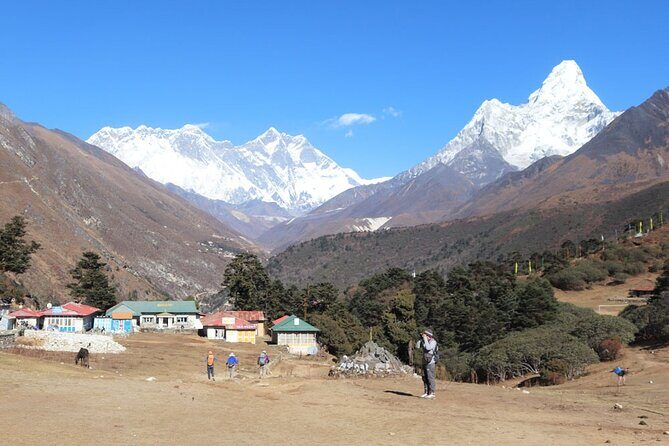
Day seven starts with a northward trek and a stop around a mani-prayer stupa. After that, the route trends gently down toward Pheriche, with views that can include Tawache, Ama Dablam, Pokalde, Kongma-tse, and the Nuptse wall.
You’ll reach a junction near Dugla and cross via a small wooden bridge over the Khumbu glacier river. Then comes a steep hill climb to a higher top viewpoint before continuing onward to Lobuche.
This day is mentally important. It’s the point where the terrain starts to feel more raw and glacial, and your day becomes less about village flow and more about mountain effort.
Gorakshep and the long road to Base Camp
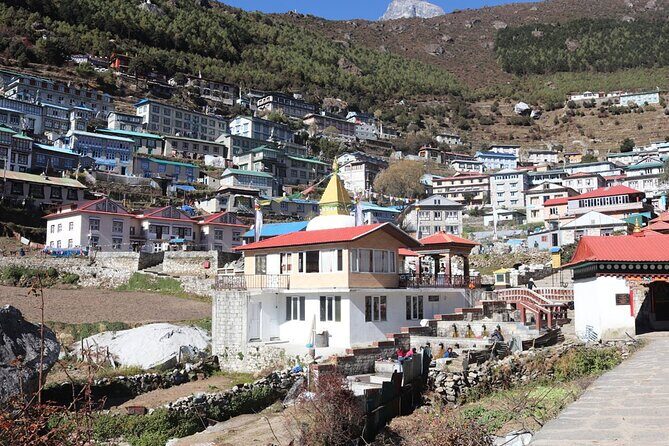
On day eight, the trek shifts into “final approach” mode. After breakfast you follow a rocky moraine path, passing glacial pond views and icebergs down below Khumbu glacier. It’s rougher walking than some earlier segments, but the pay-off starts building.
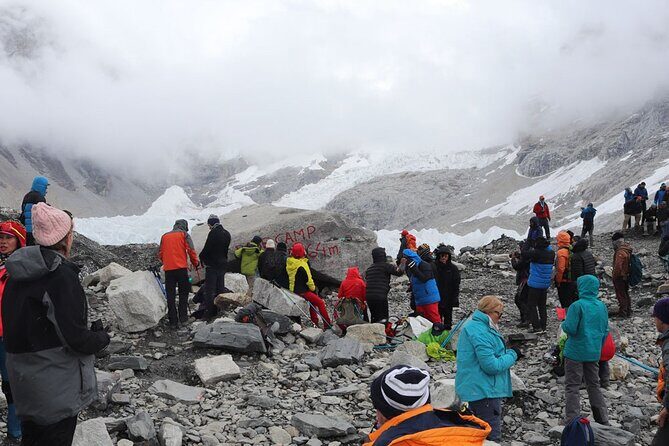
You reach Gorakshep, where lunch is served and where you leave your extra stuff at the lodge. Gorakshep is the last place with lodge availability on this segment, so it’s the moment you effectively commit to the Base Camp push.
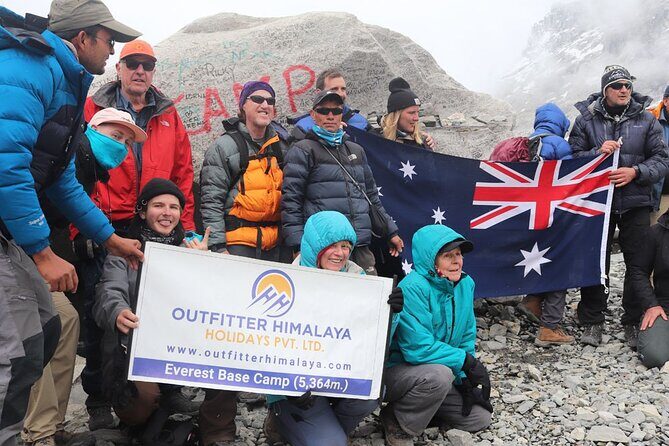
Then you continue to Everest Base Camp, where the moment feels like the whole trip condensed into one place. After exploring the Base Camp surroundings, you return to Gorakshep for the overnight stay.
Kala Patthar sunrise: the view that fixes everything in your memory
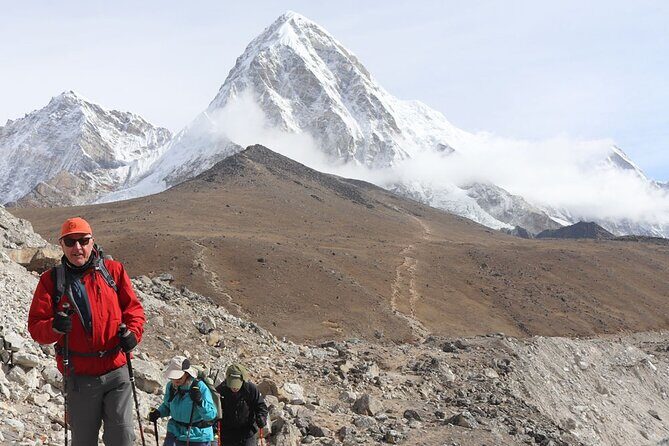
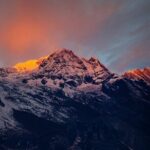
Day nine is an early start for Kala Patthar (about 5,545m). You go up for sunrise, and from there the panoramic view includes Everest along with many surrounding peaks like Pumori, Lingtren, Khumbetse, Nuptse, Lhotse, Ama Dablam, and Thamserku (when weather and visibility allow).
Then you descend back down to Gorakshep for breakfast and continue trekking down toward Pheriche. The downhill is described as easier, which gives your legs a bit of recovery after the higher altitude effort.
This is one of the best “why did we work so hard?” points of the whole trek. The sunrise part is also a reminder that altitude trekking isn’t only endurance—it’s timing, patience, and weather awareness.
The return to Lukla: rhododendron forests and the end of big climbing
The return journey starts with a trek back toward Namche. You pass through rhododendron forest again, and you stop in Tengboche for lunch with views that can include green hills, river scenery, and Ama Dablam.
Day eleven brings the last major “finish line” work: trekking to the Bhote-Koshi River area, crossing several times, and dealing with the last uphill climb of about 45 minutes to reach Lukla.
Once you’re back in Lukla, you’re out of the high-altitude zone and back into the airport reality. That shift can feel emotional. You’ve been moving for days, then suddenly you’re back with buildings, schedules, and waiting around for flight windows.
Day twelve: fly back to Kathmandu and let your body catch up
You’ll start with an early breakfast at Lukla and walk to the airport. From there, you fly back to Kathmandu.
This final day is short by design. The trek has already done the heavy lifting. Your main job now is hydration, rest, and taking inventory of what your body can actually handle after altitude.
Price and value: what $1,300 covers on the trail
At $1,300 per person, this trek packs in the big-ticket moving parts. You’re paying for Kathmandu–Lukla–Kathmandu flights with airport tax, domestic airport transfers, guide support, trekking lodge accommodation for 11 nights, and meals throughout the trek (11 breakfasts, 11 lunches, 11 dinners).
You’re also covered for essential paperwork: TIMS and national park entry permits. That’s not just admin—it helps you avoid the headache of figuring out forms while you’re already in adventure mode.
What’s not included is just as important. Your Nepal entry visa isn’t included, Kathmandu hotels and meals on your arrival/departure days aren’t included, and your travel insurance is compulsory. Personal expenses, drinks, hot showers, laundry, and internet charges are also on you, plus tips for the guide and a porter only if you need one.
My take on value: this price feels fair for an all-in, guided Everest Base Camp plan because the core costs are handled upfront, so you can budget for what’s truly optional.
Lodges, gear, and cold-weather reality at elevation
You’ll be staying in trekking lodges on the trail for 11 nights. Lodges at altitude are basic by necessity, so don’t expect hotel-level comfort. What you should expect is warm enough shelter, meals prepared for trekkers, and the convenience of being able to sleep at the right places on the schedule.
Gear is partly supported. If you need them, you can use a sleeping bag, down jacket, and a duffel bag for the trek, with items returned after. That’s useful if you’re traveling from overseas and don’t want to buy bulky cold-weather gear just for a short window.
Even with gear provided, you’ll feel cold at higher elevations. That’s normal. Plan for layers, slow mornings, and water discipline so altitude doesn’t hit harder than it should.
Who should book this trek, and who should rethink it
This is a strong choice if you want a guided Everest Base Camp trek with a classic route and built-in acclimatization. The itinerary is designed around the altitude rhythm: easier early days, a Namche acclimatization pause, Dingboche adjustment, then the push to Gorakshep, Base Camp, and Kala Patthar.
You should also consider it if you like group structure. The group size max of 14 helps keep the days organized without feeling like a cattle line.
But you should rethink it if you don’t have a strong fitness base. The plan explicitly calls for strong physical fitness, and the high-altitude segments demand steady effort. If you’re the type who hates early mornings, be aware that Kala Patthar starts very early.
Book this trek or not: my practical recommendation
If your goal is the classic Everest Base Camp experience—Lukla flights, Namche acclimatization, Tengboche, Dingboche, Gorakshep, then Base Camp—you’ll like how this plan strings those moments together. The biggest practical win is that meals, permits, lodging nights, and guide coordination are largely handled for you.
I’d book it if you’re ready to respect altitude and you want a guided plan that reduces decision fatigue. I’d hesitate if you’re still unsure about your fitness level or you don’t want to invest effort in cold and early starts.
One more detail I’d take seriously: start from Kathmandu with a plan for your insurance and your expectations about what you’ll pay separately. When that’s clear, the trek feels a lot simpler.
FAQ
Where does the trek start and what time do we meet?
The meeting point is Outfitter Himalaya Holidays, Thamel Marg, Kathmandu 44600, Nepal. The start time listed is 6:15 am.
How long is the Everest Base Camp guided trek?
The duration is 12 days (approx.).
Is the Lukla flight included?
Yes. The flight ticket from Kathmandu to Lukla and back to Kathmandu (with airport tax) is included, along with domestic airport transfers.
What permits and paperwork are included?
Included items specify national park entry permits and a TIMS permit, handled as part of the trip’s paperwork.
What meals are included during the trek?
Breakfast is included for 11 days, lunch for 11 days, and dinner for 11 days.
What trekking gear is provided?
If necessary, you can use a sleeping bag, down jacket, and duffel bag for the trek, and return them after the trek.
Do I need travel insurance for this tour?
Yes. Travel insurance is compulsory, and the tour includes arrangement of an emergency helicopter service that will be paid by your travel insurance company.