REVIEW · KATHMANDU
Everest Base Camp Trek 15 days | Local Guide | Flexible Itinerary
Book on Viator →Operated by Life Himalaya Trekking · Bookable on Viator
Everest feels close on this trek. This 15-day itinerary is built around the classic Sherpa trail to Everest Base Camp (5,364m) and the pre-dawn push to Kala Patthar (5,545m), with acclimatization days that aim to reduce the risk of altitude issues. I like that the plan is deliberately structured for gradual height gain, not just checklists.
What I also like is how much “real trip stuff” is handled for you: an English-speaking, licensed guide, strong porter support, lodge stays, and even provided sleeping gear (plus hiking poles and a down jacket). One drawback to plan around: you will be working in high altitude, and the trek does not include hot showers or battery charging, so comfort is basic by design.
In This Review
- Key points at a glance
- Entering the Khumbu: Lukla flights, Hillary Bridge, and Namche Bazaar
- Why Everest View and Dingboche days are the real deal
- Tengboche Monastery: culture stop with views attached
- The road to Everest Base Camp: long walk, big payoff
- Kala Patthar at 5,545m: sunrise-style effort
- Returning via quieter routes: Pangboche, Phorste, and the Thanga link
- Flying back to Kathmandu: closing the loop
- Guide, porters, and the safety you can feel in the plan
- What $1,890 buys you: value that goes beyond the sticker
- Lodges and meals: comfortable enough, don’t expect luxury
- Pace, fitness, and who should choose this trek
- Should you book Everest Base Camp 15 days with a local guide?
- FAQ
- Where does the trek start?
- How long is the experience?
- Does the price include flights to Lukla?
- Are permits included?
- What gear is provided for the trek?
- Do you have an English-speaking guide?
- What meals are included during the trek?
- Is travel insurance included?
- Are hot showers or charging available on the trek?
- Is there free cancellation?
Key points at a glance
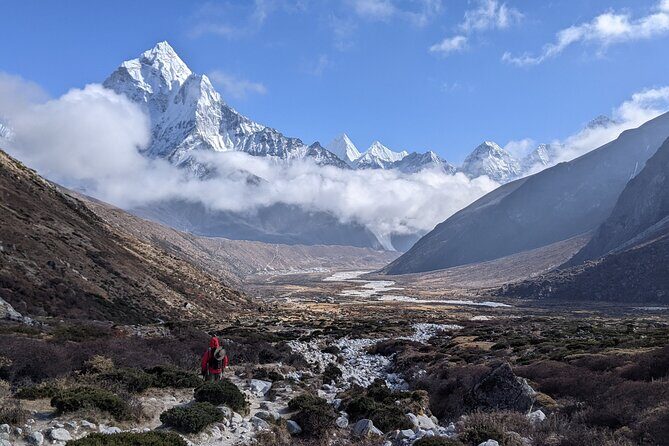
- Altitude-smart timing: built-in acclimatization stops at high points like Everest View and Dingboche
- Safety-first local guiding: English-speaking, licensed lead guide, with an assistant guide for larger groups
- Less stressful logistics: flights to Lukla, permits, trail map, and private transport included
- Comfort that’s actually useful: lodge accommodation with hygienic food from lodge menus
- Gear provided for the cold: trekking poles, sleeping bag, and a down jacket (returned after the trek)
- A quieter return option: the route back is described as less crowded, with changes after Pangboche/Phorste
Entering the Khumbu: Lukla flights, Hillary Bridge, and Namche Bazaar
Day 1 is a straightforward arrival setup in Kathmandu. You’ll be met after landing at Tribhuvan International Airport, then transferred to your hotel. It matters because trekking trips go smoother when you start the night already settled.
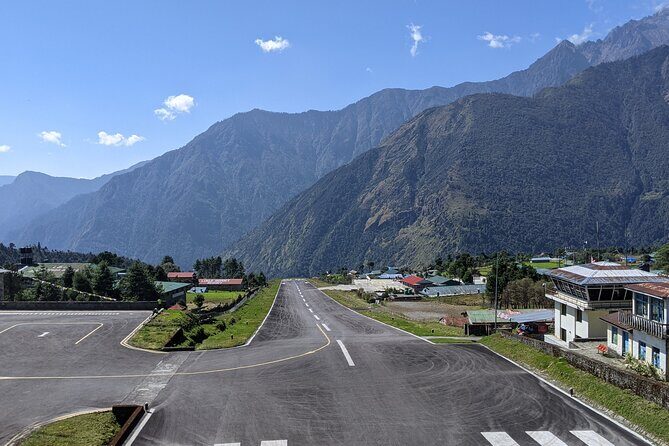
Day 2 is your jump into the Everest region via the famous Lukla air route. You take an early flight to the Tenzing-Hillary airstrip at Lukla (2,810m), which is the standard gateway for this trek. From there, you transition into the trekking rhythm rather than trying to do too much in one go. The program includes your domestic flight segments and treats the first walking days as part of acclimatization.
Day 3 is the classic Sherpa-trail feel: after breakfast at a tea house, you walk toward Namche Bazaar, often described as the main hub of the Khumbu. You cross the Hillary Bridge, which is a memorable checkpoint on the way in. Expect five-ish hours of walking before reaching Namche, then settling into a town that feels like a base camp for high-altitude travel. The value here is pacing: you’re not sprinting. You’re arriving when your legs are ready and your body is starting to adjust.
You can also read our reviews of more guided tours in Kathmandu
Why Everest View and Dingboche days are the real deal
A lot of EBC treks are sold as a destination. This one also treats the middle altitude as the destination. That’s smart, because altitude problems don’t care that you bought a ticket.
Day 4 brings you to an elevation around 3,440m at the Everest View Hotel area. This is an acclimatization day, not a forced mileage day. You stay put and do side excursions to help your body adapt. I like this approach because it’s practical: it gives you time to learn your breathing rate, learn how your body responds, and avoid the common mistake of pushing too hard too early.
Day 6 continues climbing toward Dingboche through towns/areas like Orsho and Pheriche. Then Day 7 is another dedicated acclimatization day at Dingboche, which is exactly what you want if you’re serious about reducing stress on your system. The itinerary specifically calls out side excursions and staying active. In real terms, that means you’ll keep moving enough to feel awake, while still respecting the need for slower adaptation.
If you’re the type who wants to power through, this trek will gently disagree. The tradeoff is worth it: a smoother acclimatization run usually means you reach the scenic days with more energy.
Tengboche Monastery: culture stop with views attached
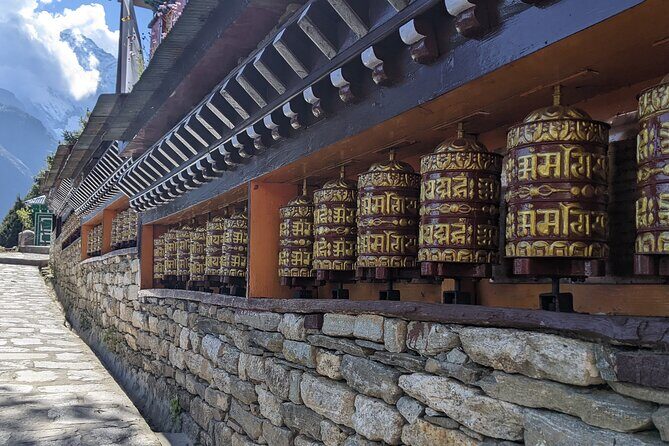
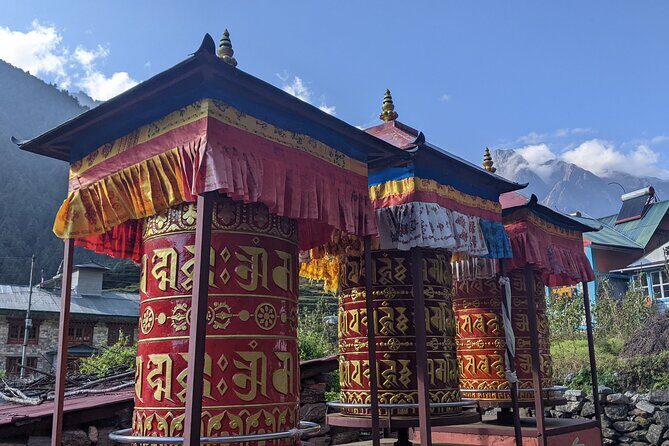
Day 5 is your way up toward Tengboche, about five hours above Namche Bazaar. It’s a traditional day in the route because Tengboche is known for its monastery (gompa), and the trek description includes visiting the Tengboche Gompa. This is more than a photo stop. When you slow down enough to visit, you get a sense of how Sherpa communities structure daily life around seasons, faith, and the mountains.
You’ll also notice the way the trail changes as you go higher. The uphill segments feel longer, but the payoff comes as the views open up more consistently. If you want one day where the trekking effort feels directly rewarded, this is often it.
One thing to keep in mind: monastery visits add time, and in cold weather that time feels colder. Pack and dress for the late-day chill, not just the morning climb.
The road to Everest Base Camp: long walk, big payoff
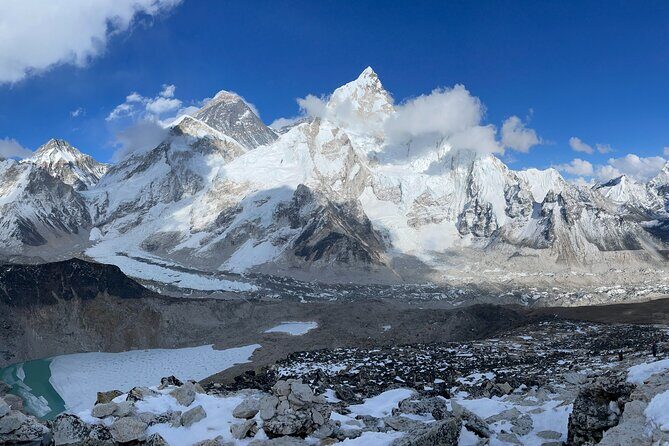
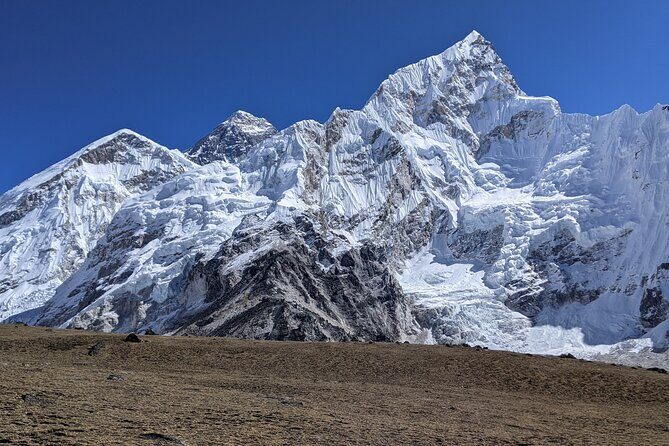
Day 8 is another transition day, taking you to Thugla and positioning you for the push onward. Day 9 is the day you’ve been training for: walking toward Everest Base Camp (5,364m). This is described as the most fascinating and adventurous day, and it’s also where the trail can start to feel relentlessly long if you’re not mentally ready.
The way this itinerary is staged helps. You’ve already had two acclimatization blocks (Everest View and Dingboche), and you’ve built your stamina without skipping the necessary altitude adaptation. That matters because reaching EBC is not just about fitness. It’s about staying calm and consistent when air gets thin.
What you can expect: tea houses along the way, basic lodge life, and a steady rhythm of high-altitude trekking. You’ll likely arrive thinking about how the mountains look close enough to touch, then realizing they’re still intensely far away. That contrast is part of the magic.
Kala Patthar at 5,545m: sunrise-style effort
Day 10 is the signature “wow” move: Kala Patthar. The itinerary notes a very early start, hiking up to the 5,545m viewpoint for the most breathtaking views of Everest plus surrounding peaks like Lhotse and Nuptse. This is one of those days where the schedule is the product. Start early, climb while the air is calmer, then enjoy the sight before your body has fully hit its limit.
Practical reality: this climb can feel hard because the altitude is higher and the cold often shows up fast. You’ll be glad the trek includes a down jacket and a sleeping bag so you’re not scrambling to rent gear locally or freezing in an under-layered moment. Also, hiking poles help a lot for steep, tiring sections.
If you’re prone to getting rushed by excitement, this is where you slow down. A steady pace keeps you from overbreathing. Save your energy for the viewpoint, not for sprinting to it.
You can also read our reviews of more hiking tours in Kathmandu



Returning via quieter routes: Pangboche, Phorste, and the Thanga link
Day 11 switches gears: trekking down to Pangboche, then taking a new, less crowded route toward Phorste village. It’s described as a way to enjoy different views along the way, including glimpses of Ama Dablam, Thamserku, and the area around Tengboche monastery. Even if you’ve seen parts of the mountain before, the angle changes when you’re on the return.
Day 12 continues the theme of less crowded trekking. The itinerary links through Phorste Thanga (3,680m) after trekking up to Mong Danda and then connects to the Gokyo trail area. This part of the route detail is a bit more specific than some simple EBC-only itineraries, so if you’re the type who hates route surprises, skim the day-by-day carefully before you commit. The upside is variety: the terrain and mountain views feel fresher on the way down, and it can prevent the return from becoming monotonous.
Day 13 is your final trekking push back toward Lukla. It says you trek the same route as you went up, passing through places like Toktok, Phakding, and Ghat, then Cheeplung (2,650m) in the last stretch toward Lukla. This makes sense: using a known path helps reduce decision fatigue when you’re tired.
Flying back to Kathmandu: closing the loop
Day 14 brings you back to Kathmandu with an early possible flight from Lukla. The itinerary emphasizes saying goodbye to the Everest region, then settling into a Kathmandu hotel and keeping the rest of the day free. That free time is useful. You’ll likely want to do laundry, buy a few small souvenirs, and take a moment to remember you survived one of the most dramatic walks on Earth.
Day 15 is the final transfer to Tribhuvan International Airport, timed to your departure schedule. It’s a clean finish: you don’t get another forced trek day at the end, which is exactly what you want after altitude and long walking days.
Guide, porters, and the safety you can feel in the plan
High altitude is not the place for guesswork. This trek puts a lot of emphasis on guest security, safety, satisfaction, and comfort using a “natural way” with a local guide. The itinerary explicitly mentions a plan to avoid altitude sickness, and you can see it in the pacing: extra days at Everest View and Dingboche.
The guide team matters too. You get an English-speaking, experienced, licensed guide, and for groups of five or more, there’s an assistant guide. That is a practical detail. It often means you can keep the group together, check in on people who are struggling, and handle logistics without chaos.
Porters are included with a ratio of 1 porter for 02 people, and the porter weight allowance is described as up to 20 kg total (10 kg per guest). This is a huge value for comfort. If you arrive with a heavy pack, your trekking day gets easier when you’re not carrying everything yourself.
Also, the trekking style is described as friendly, with an itinerary designed to keep you safe. In the feedback, specific guides and porter teams like Raj with porters Suren and Sonam, Shiba, Sagar, Ram, Rabin, and others are called out for being supportive and helpful. You can use that as a clue: this is the kind of company where people notice the human side, not just the summit.
What $1,890 buys you: value that goes beyond the sticker
At $1,890 per person, you should expect more than a route and a map. This program includes a long list of core costs: private transportation, all fees and taxes, Sagarmatha National Park Permit, TIMS permit, and a local rural area permit. You also get domestic flights between Kathmandu/Ramechap and Lukla (and the return segment). For many independent travelers, those items are where budgets blow up.
You’re also getting a guide team and porter support included. Gear is part of the price too: hiking poles, sleeping bags, and a down jacket (returned after the trek). Add in the trail map, achievement certificate, a farewell dinner, and a structured mix of included breakfasts, lunches, and dinners during the trek. That meal structure is not a small thing. Food planning in remote areas can turn into stress if you’re not covered.
What is not included is also clear: international flights and visa cost, travel insurance up to 6,000m (listed as $200 per person), tips for guide/porters/drivers, Kathmandu meals, personal snacks and beverages, and extra nights in Kathmandu. No hot showers, and no battery charging during the trek. That last line affects your daily comfort, so I suggest packing a portable charging plan for your own devices only if you already know what the trek’s rules will be.
If you compare this trip to doing parts of it on your own, you’re basically paying for time saved, permits handled, and a safer altitude pacing approach.
Lodges and meals: comfortable enough, don’t expect luxury
The trek uses lodge accommodation, described as clean and comfortable. Food is chosen from the lodge menu and described as hygienic. In practice, lodge treks are about warmth and routine: you show up, you eat what’s available, and you rest. Don’t expect gourmet menus, but you should expect options.
Day-to-day, you’ll also deal with cold mornings and basic room conditions. The included sleeping bag and down jacket are designed for that. If you’ve ever trekked without proper insulation, you know how fast discomfort can drain motivation.
Two comfort limits are clearly stated: hot showers are not included, and battery charging during the trek is not included. This means you’ll want to conserve phone use, plan for a low-power routine, and bring a headlamp with fresh batteries (or a charging strategy you can rely on outside the trek).
Pace, fitness, and who should choose this trek
This experience says it’s for travelers with strong physical fitness. The itinerary is paced to help altitude acclimatization, but it’s still a 15-day trek with long walking days and climbs at higher elevations. If you’re new to hiking, you may find the thin air plus daily walking tough even if you can handle walking on flat ground.
I’d also say: if you want lots of free time to freelance, this is not that kind of tour. It’s a guided schedule with daily trekking targets and set acclimatization stops.
On the other hand, if you want a structured trip where someone else handles permits, flights, and guide logistics, you’ll appreciate the clarity. And if you care about safety and consistent pacing, this itinerary reads like it was built for that.
Should you book Everest Base Camp 15 days with a local guide?
I think you should book if you want a classic Everest Base Camp experience with real support: licensed English-speaking guiding, porter help, included permits, and an altitude plan that uses rest and acclimatization days instead of pure hustle.
I wouldn’t book if you need modern comforts like daily hot showers or easy device charging, or if you’re not ready for the physical grind of high-altitude trekking even with a smart pacing schedule. Also, note that the experience requires good weather, and if it’s canceled due to poor weather, you’re offered a different date or a full refund.
If you’re prepared to dress warmly, walk steadily, and treat acclimatization as part of the journey, this is a strong value way to get to Everest Base Camp and make Kala Patthar count.
FAQ
Where does the trek start?
The trek starts at Tribhuvan Airport in Kathmandu, Nepal, with pickup/transfer arranged by the operator.
How long is the experience?
It’s listed as 15 days (approx.).
Does the price include flights to Lukla?
Yes. Flights from Kathmandu/Ramechap to Lukla and from Lukla back to Kathmandu/Ramechhap are included for all members and staff.
Are permits included?
Yes. The package includes the Sagarmatha National Park Permit, TIMS permit, and a local rural area permit.
What gear is provided for the trek?
You receive hiking poles, a sleeping bag, and a down jacket. The gear is to be returned after the trek.
Do you have an English-speaking guide?
Yes. The trip includes an English-speaking, experienced, licensed guide. For groups of 5 or more, an assistant guide is also included.
What meals are included during the trek?
Dinner (13) and breakfast (14) are included, along with lunch (12). Lunch and dinner in Kathmandu are not included.
Is travel insurance included?
No. Travel insurance is not included, and the data specifies insurance covering up to 6,000m.
Are hot showers or charging available on the trek?
No. Hot showers and battery charging during the trek are not included.
Is there free cancellation?
Yes. Free cancellation is offered up to 24 hours in advance for a full refund. If you cancel less than 24 hours before the start time, the amount paid is not refunded.