REVIEW · KATHMANDU
5 Day Private Guided Trekking in Annapurna Base Camp
Book on Viator →Operated by Bold Himalaya Treks and Travels Pvt Ltd · Bookable on Viator
Five days to the Annapurna giants. This private trek links big-ticket scenery—Annapurna South, Annapurna I, Machapuchare, and the Fishtail—with real route variety, from bamboo and rhododendron forests to small villages and alpine meadows. I like that you also get early-morning sunrise at Annapurna Base Camp plus a practical, human touch with your guide team led by Sirjan, who helps you keep a steady pace.
The one caution: you’re going to a high-altitude destination, and the trip runs on a tight weather window—so you should be ready for cold mornings, fatigue, and the fact that conditions can affect what you see. (Also, drinks aren’t included, so plan on extra spending if you want more than tap water and basic tea.)
In This Review
- Key highlights to know before you go
- Entering Annapurna Base Camp in 5 Days: the real shape of the trek
- Day 1: Pokhara to Siwai and that first “we’re really hiking” feeling
- Day 2: Sinuwa to Dovan—bamboo, waterfalls, and the Modi Khola line
- Day 3: Through rhododendron toward Machapuchare Base Camp and then ABC
- Day 4: Sunrise at Annapurna Base Camp, then a steady descent
- Day 5: Siwai back down, forests again, then jeep to Pokhara
- Guide Sirjan and the crew: why “private” feels like a big deal
- Meals, permits, and the real value of $225
- Culture and nature you can’t really speed-run
- What to pack (and what to plan for) on ABC
- Should you book this Annapurna Base Camp private trek?
- FAQ
- How long is the 5 Day Private Guided Trekking in Annapurna Base Camp?
- Where does the trek start, and how do you get there?
- Is this trek private or shared?
- What permits are included?
- Are meals included?
- Are drinks included?
- What about hot springs and cultural stops?
- What happens if weather is bad?
- Can I cancel and get a full refund?
Key highlights to know before you go
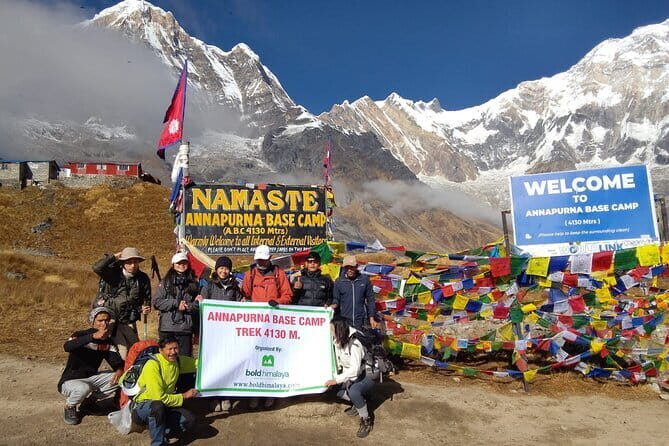
- Sunrise at Annapurna Base Camp: a planned early start so you’re there when the massif wakes up
- Machapuchare Base Camp en route: you’ll angle through the route toward the sacred Fishtail views
- Jhinu Danda natural hot springs: a muscle-relaxing stop after trekking days
- Guide-led pacing with Sirjan: supportive, attentive guidance and trip coordination
- All key paperwork handled: trekking permit and TIMS card are included, so you don’t hunt forms
Entering Annapurna Base Camp in 5 Days: the real shape of the trek
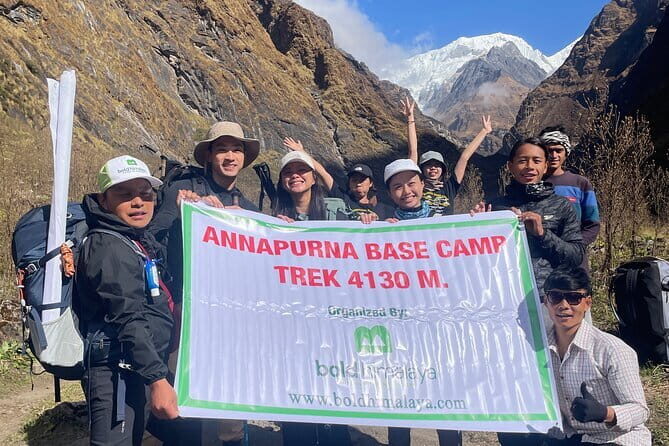
A 5-day Annapurna Base Camp plan is a “fast but doable” version of the classic trek. You’re still climbing to a high-altitude finish point, so the day-to-day rhythm matters more than the distance on paper. This style works best if you’re comfortable with long, steady walking and you can handle a slow-down when altitude or fatigue shows up.
What I like here is that the route gives you natural breaks: forest transitions, village days, and a gradual descent after reaching base camp. Day 4 is built around the sunrise moment, then it’s downhill work—saving your legs for the last push back to Siwai and the jeep ride to Pokhara.
If you tend to race ahead, this route will gently correct you. The guide team’s job is to keep you moving consistently, not heroically. And based on the guide feedback around Sirjan, you should expect that kind of check-in and pacing support during the hardest parts.
You can also read our reviews of more guided tours in Kathmandu
Day 1: Pokhara to Siwai and that first “we’re really hiking” feeling
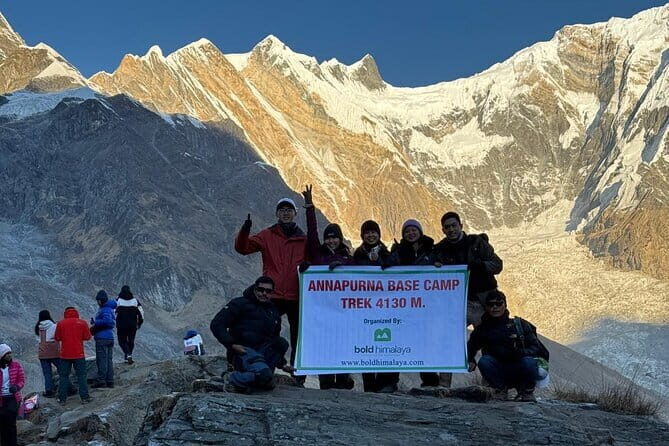
Your trek begins after getting out of Pokhara and heading toward Siwai, the start point for the Annapurna Base Camp route. This first day is often the “mental gear shift” day: you stop thinking of it as sightseeing and start thinking of it as trail time.
Practically, this matters because it sets how your body adapts. Even if the first hiking stretch feels manageable, you’ll still be building the habit: walking hours, breaks, hydration, and warm-up layers. If you’re prone to tight calves or stiff knees, this first day is where you want to stay conservative—no sprinting, no big jumps in pace.
Day 2: Sinuwa to Dovan—bamboo, waterfalls, and the Modi Khola line
Day 2 starts with breakfast in Sinuwa, then turns into a forest walk that mixes bamboo and Dovan. You’ll also trace the line of the Modi Khola River and pass scenic waterfalls along the way.
This is a good day for two reasons. First, it’s visually varied without demanding a technical climbing style. Second, the river-and-water rhythm helps you keep a steady pace—your brain likes a continuous backdrop while your legs do the work.
If you care about photography, this is one of your best days for changing scenes: different shades of green, moving water, and occasional open glimpses. It’s also a reminder that the trek isn’t just about the final panorama. The Annapurna region shows itself in stages, and Day 2 is one of the earliest “wow” stretches before things get higher and colder.
Day 3: Through rhododendron toward Machapuchare Base Camp and then ABC
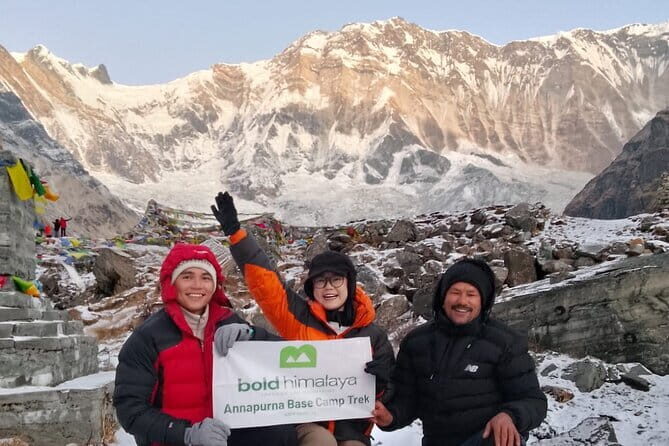
Day 3 is where the trek starts to feel like a mission. After an early meal, you move through a rhododendron forest. This is the kind of trail that can make time feel shorter because the scenery changes as you walk. There’s also the real possibility of seeing yak herders along the way—just the sort of lived-in mountain moment that makes this feel more than a menu of sights.
Then you push onward toward Machapuchare Base Camp (often called the MBC stop), and after lunch you continue to Annapurna Base Camp. The experience includes an admission ticket on the ABC day, which helps remove one small hassle from the trip.
This is a long day, but it’s also your big transition day: you go from “green valley trek” into “high-altitude sanctuary” territory. When you arrive, treat it like a checkpoint, not a finish-line party. Walk slowly, hydrate, and let your body settle. At base camp, the goal is to be there in one piece so you can enjoy what comes next on Day 4.
Day 4: Sunrise at Annapurna Base Camp, then a steady descent
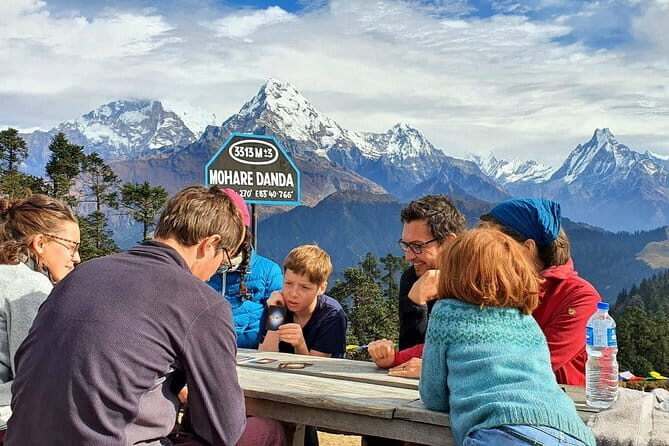
If you only remember one moment from this trek, it should be sunrise at Annapurna Base Camp. An early start is planned so you’re positioned for the first light over the Annapurna massif—peaks like Annapurna South and Annapurna I are the headline views in this part of the region. Machapuchare and Hiunchuli are also part of the iconic panorama you’re chasing on this route.
After sunrise, you don’t linger in the cold for long. The itinerary then shifts to descending steadily through the surrounding terrain, including passes by Machhapuchchhre Base Camp and Deurali areas.
This downhill day is more valuable than it sounds. In many treks, descent is just “tiring.” Here, the plan keeps it controlled so you can recover while still seeing more of the route. Your legs will still feel it, but you’re not doing a chaotic scramble. Think of Day 4 as a bridge between the altitude peak moment and the final return to Siwai.
You can also read our reviews of more private tours in Kathmandu


Day 5: Siwai back down, forests again, then jeep to Pokhara
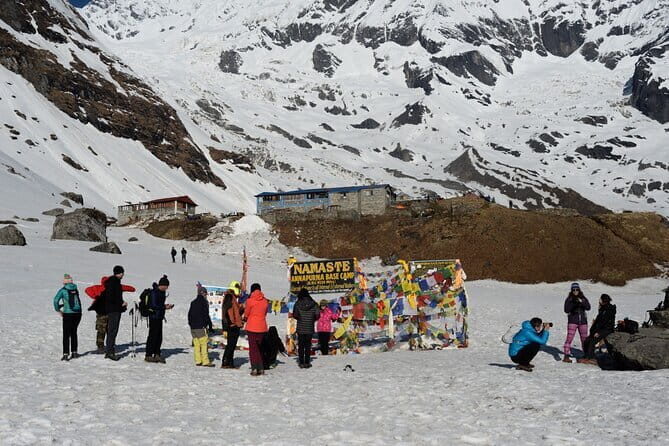
Day 5 moves beyond bamboo and back toward Siwai, winding through lush forests and scenic vistas. This is your decompression day. You’ve already done the hardest altitude moment, and now it’s about finishing strong and letting your body cool down from the trek pace.
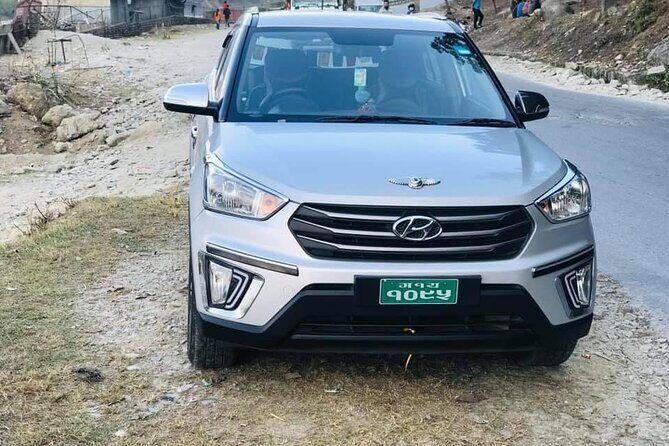
Once you arrive in Siwai, your guide team coordinates a jeep back to Pokhara, which is a huge quality-of-life improvement. In the mountains, the last thing you want is another long haul walking just to reach transport. Getting the vehicle reduces the chance that the trip ends with exhaustion instead of satisfaction.
Guide Sirjan and the crew: why “private” feels like a big deal
This is a private guided trek, so you’re not sharing your pace and decisions with strangers. That’s not just comfort—it’s safety and efficiency. When you’re heading into high altitude, small issues become big issues. A good guide helps you avoid “push too hard early” mistakes and keeps you on a realistic schedule.
The standout name you’ll hear repeatedly is Sirjan. The feedback emphasizes his positivity and strong familiarity with the Annapurna region. You can also expect attentive support—matching pace, checking in, and staying close enough that you’re not left to figure things out alone.
You’ll also likely travel with porters (you’ll see multiple porters referenced in the trip experiences). Porters lighten your load, but the deeper value is practical: better gear handling, smoother logistics, and less strain so you can focus on walking and breathing.
If you want a trek where you feel taken care of, this setup is a good fit. If you prefer total independence, a private guide may feel “hands-on.” But with ABC, most people are glad they didn’t DIY the logistics.
Meals, permits, and the real value of $225
At $225 per person for an approximately 5-day private guided trekking package, the value comes from what’s included rather than the headline price.
Here’s what you’re getting:
- Permits handled: trekking permit and TIMS card included (plus the package covers all fees and taxes)
- Guide support built in: the guide’s salary, accommodation, meals, and insurance are part of the deal
- Transport included: private transportation, plus the jeep coordination back to Pokhara
- Meals covered: 4 breakfasts, 4 lunches, and 4 dinners included
- Entry support: an admission ticket is included for the ABC portion
The meals piece is underrated. When you trek at altitude, food choices affect energy and comfort. Having meals provided keeps your planning simple and reduces the temptation to skip meals to save money.
What to plan for outside the package:
- drinks (not included)
- extra snacks/dessert items
- travel insurance and tips for the trekking crew (these are not included)
My practical advice: budget a little extra for drinks and any small add-ons, and don’t treat travel insurance as optional. In the mountains, it’s not about fear—it’s about coverage.
Culture and nature you can’t really speed-run
This route doesn’t just chase views. You pass through local villages and encounter Gurung culture along the way, which adds texture to the trekking experience. You’re not only moving through scenery—you’re moving through communities that live with these trails year-round.
You’re also in the Annapurna Conservation Area, so the trek route has a strong biodiversity angle. That matters because your experience changes with the altitude and vegetation. One day it’s bamboo and forest sounds; another day it’s rhododendron corridors and alpine-feeling air.
And then there’s the body-care payoff: natural hot springs at Jhinu Danda. Even if you think you’ll be fine after Day 4 and Day 5, hot springs are one of those “I’ll do it later” things that suddenly becomes essential once your feet complain. This trek builds that in so recovery isn’t just wishful thinking.
What to pack (and what to plan for) on ABC
You don’t need to overpack, but ABC does demand a bit of smart layering and trail comfort. Since the itinerary includes an early sunrise and cold-morning walking, prioritize warmth you can manage on the move.
A practical kit to consider:
- layered clothing for cold mornings and warmer afternoons
- a daypack that fits well (light enough, but secure)
- trekking shoes or boots with worn-in traction
- a water plan (and keep in mind drinks aren’t included)
- basic sun protection for high-altitude conditions
- small cash/card buffer for any extras you want beyond included meals
Also, if you get stomach sensitivity during travel, stick to simpler foods during tea-house style breaks. The trek includes meals, but you may still want extra snacks, and that’s where things can upset your routine.
Should you book this Annapurna Base Camp private trek?
Book this trek if you want:
- a private, guided plan with a supportive team (Sirjan is the standout name here)
- a focused 5-day itinerary that includes sunrise at ABC and a route through Machapuchare Base Camp
- the convenience of included permits, meals, and private transport logistics
Consider a different option if:
- you’re very sensitive to altitude and want more time for acclimatization
- you expect to spend most of your trek buying snacks and drinks out of pocket (those aren’t included)
- you don’t like early mornings (sunrise is built into the schedule)
Overall, if you’re aiming for a classic Annapurna Base Camp experience with the important parts handled—paperwork, pacing, meals, and transportation—this package offers a straightforward path to one of Nepal’s most famous high-altitude viewpoints.
FAQ
How long is the 5 Day Private Guided Trekking in Annapurna Base Camp?
It’s listed as approximately 5 days.
Where does the trek start, and how do you get there?
The experience is based in the Kathmandu area, and the trek itself begins from the Pokhara side, moving to Siwai as the trekking start point. At the end, the guide coordinates a jeep return to Pokhara from Siwai.
Is this trek private or shared?
It’s a private tour/activity, meaning only your group participates.
What permits are included?
The trekking permit and a TIMS card (Trekking Information Management System) are included.
Are meals included?
Yes. Breakfast is included 4 times, lunch 4 times, and dinner 4 times.
Are drinks included?
No. Drinks are not included.
What about hot springs and cultural stops?
The experience description includes natural hot springs at Jhinu Danda and passing through traditional villages connected with Gurung culture.
What happens if weather is bad?
This experience requires good weather. If it’s canceled due to poor weather, you’ll be offered a different date or a full refund.
Can I cancel and get a full refund?
Yes. Free cancellation is available up to 24 hours in advance for a full refund. Canceling less than 24 hours before the start time isn’t refundable.