REVIEW · KATHMANDU
Kathmandu: Full-Day 7 UNESCO Tour with Lunch – Private/Group
Book on GetYourGuide →Operated by Relax Getaways Pvt. Ltd · Bookable on GetYourGuide
Seven UNESCO stops in one day. This Kathmandu Valley tour packs a lot into an efficient route: I love the air-conditioned comfort and the way the local guide puts each site in context, starting at Swayambhunath. I also like that you get built-in breaks with transfers by car plus short guided walks instead of wandering on your own. The main drawback is that it’s still a long day with plenty of walking at the temples and Durbar squares, so you’ll want good shoes and patience.
What makes this tour especially workable is the structure. You’re not just ticking off names—you’re moving across Hindu and Buddhist landmarks, from royal courtyards to pilgrimage centers, with a guide who keeps the story straight while traffic and crowds do their thing. At $5 a person, it also reads like a bargain, but the real cost depends on which option you choose for monument fees.
In This Review
- Key moments worth your time
- Seven UNESCO stops in Kathmandu Valley, minus the stress of planning
- Pickup in Thamel and electric-car hops between UNESCO sites
- Swayambhunath and Kathmandu Durbar Square: monkeys, courtyards, and power
- Patan Durbar Square and Bhaktapur Durbar Square: Newari craft in full daylight
- Changu Narayan and Pashupatinath: older Hindu layers and active ceremony energy
- Boudhanath Stupa: Tibetan culture, prayer, and short free time
- Lunch, snacks, and the all-inclusive option that prevents cost surprises
- Price reality check: the $5 base fare vs monument fees around USD 43
- What makes the guides and drivers change the whole day
- Practical tips that make the 8 hours feel easier
- Should you book this Kathmandu 7-site day tour?
- FAQ
- FAQ
- How long is the Kathmandu UNESCO tour?
- Where do pickups happen?
- What UNESCO sites are included on this tour?
- Is lunch included?
- Are monument entrance fees included?
- What type of transportation is used?
- What languages does the guide speak?
- What should I bring with me?
- Is the tour suitable for wheelchair users?
- Is there free cancellation?
Key moments worth your time
- 7 UNESCO World Heritage Sites in one day means fewer transfers across Kathmandu Valley on separate trips
- Electric-car style transfers help you keep your time for sights instead of parking and walking between zones
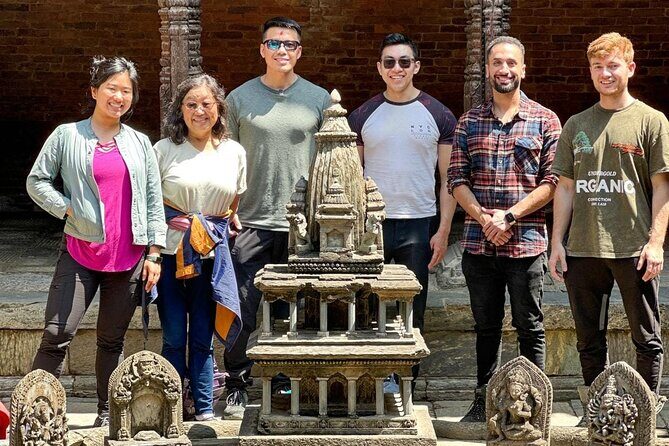
- Durbar Square hours give you enough time to notice wood-carving, courtyards, and how the old city still functions
- Changu Narayan + Pashupatinath offers a nice contrast between an older temple tradition and big active ceremony vibes
- Boudhanath free time gives you breathing room after temple-heavy mornings
- Snacks in the lunch box (water, fruit, muffin/donut, juice) keep energy steady mid-route
Seven UNESCO stops in Kathmandu Valley, minus the stress of planning
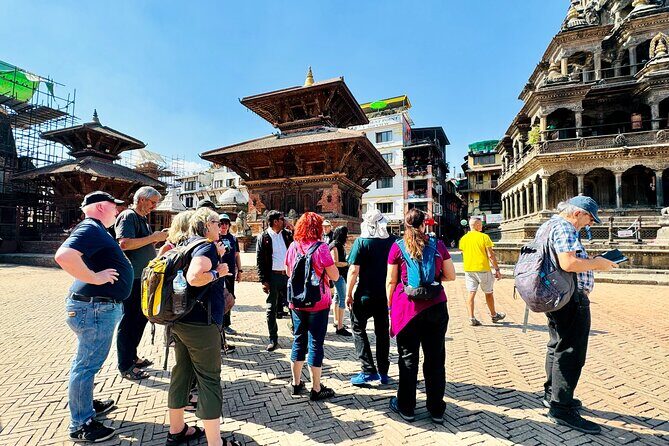
This is the kind of day tour that makes sense if you have limited time and want the headline UNESCO hits without building an itinerary yourself. Kathmandu Valley is dense with major sites, and doing them one by one can eat your whole schedule. Here, you get a single planned sweep through the big spiritual and historic anchors: Swayambhunath, multiple Durbar squares, Changu Narayan, Pashupatinath, and Boudhanath.
I especially like the mix of what you see. You’re not only walking through temples—you’re also stepping into the royal-world legacy of Kathmandu and the Newari craft culture at Patan and Bhaktapur. That balance helps the day feel like more than a photo tour.
One more practical point: this tour is designed around guided time at the key stops (for example, around 1 hour at Kathmandu Durbar Square and Patan Durbar Square, and around 1 hour at Bhaktapur Durbar Square). That helps you understand what you’re looking at while you’re there, rather than saving it for later.
You can also read our reviews of more private tours in Kathmandu


Pickup in Thamel and electric-car hops between UNESCO sites
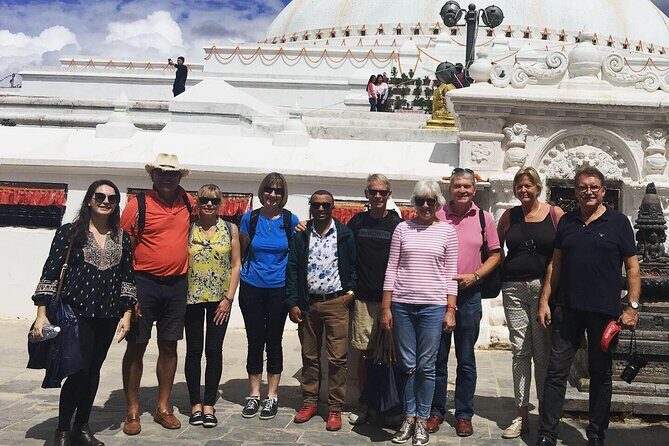
Most people start in Thamel. If you book a group departure, pickups begin around 8:00 AM within the Thamel area, and you’ll get your exact pickup time the day before. For private arrangements, the operator also notes pickups from hotels and residences, as long as you provide your pickup location details during booking.
Between stops, you’ll ride in an air-conditioned vehicle and then use short hops (listed as electric car time segments) to move through the city efficiently. That matters because Kathmandu traffic and parking can make self-guided days drag. Having planned transfers means you spend less energy figuring out logistics and more time showing up at the next site.
The tour also notes that delays of about 3–5 minutes can happen due to traffic or coordination. That’s normal in this city, but it’s still smart to keep your expectations flexible—especially on a day with several departures and arrivals.
Swayambhunath and Kathmandu Durbar Square: monkeys, courtyards, and power
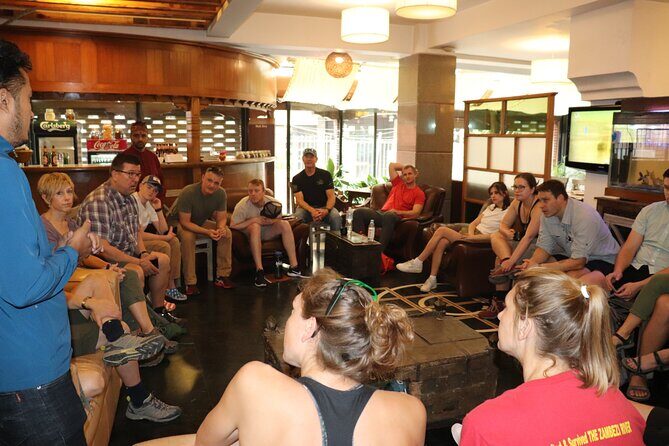
The day starts at Swayambhunath, often called the Monkey Temple. You get about 40 minutes of guided sightseeing plus walk time. The big draw is the viewpoint: you’re on a hill position with broad city views, and the setting makes it easy to feel like you’re stepping into a long-standing pilgrimage spot rather than just visiting another monument.
After that, the route brings you to Kathmandu Durbar Square. Plan for around 1 hour here with a guided tour and sightseeing time. This is where you’ll notice the palace/courtyard energy of the old Kathmandu royal center. If you only visit one Durbar Square, this one is a strong choice because it anchors the story of the city’s historical political and cultural space.
What I found useful about this kind of stop order is pacing. You start with a panoramic viewpoint and temple atmosphere, then shift into architectural details and the layout of the historic core. That contrast helps you keep your attention from glazing over.
Practical note: these are active public spaces, and you’ll be doing short stretches of walking. Good shoes aren’t optional if you want to feel good by the end of the day.
Patan Durbar Square and Bhaktapur Durbar Square: Newari craft in full daylight
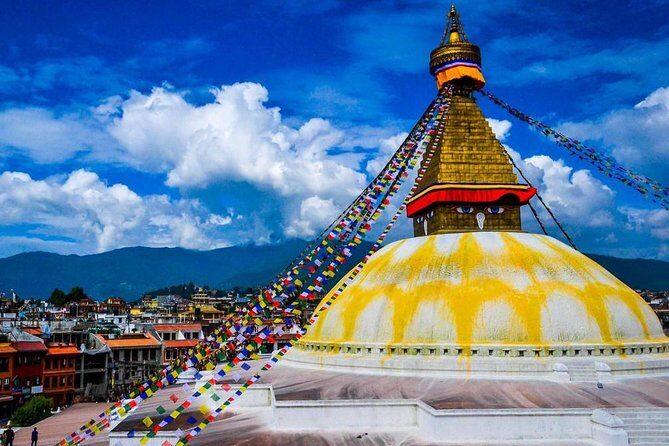
Next up is Patan Durbar Square (about 1 hour with guided tour and walk/sightseeing). Patan is known for its Newari architecture and the way craft traditions show up in the details—wood carvings, carved stonework, and the overall feel of old courtyards still being part of the city’s daily rhythm. The guided time here is what makes the difference; without help, you can still enjoy the visuals, but you’ll miss why certain elements are there and what they’re meant to represent.
Then you jump to Bhaktapur Durbar Square (again about 1 hour with guided tour and sightseeing, plus walk time). Bhaktapur is the stop that people often find both the most impressive and the most time-demanding, because there’s a lot to see in a relatively compact area. It’s also one of the places where the day can start to feel long, since you’re stacking “look closely” time at multiple monuments back-to-back.
If you’re the type who loves architectural details—doors, pillars, carved panels, roof lines—this is your stretch. If you’re not, you may still enjoy Bhaktapur, but I’d recommend you plan to focus on a few highlights rather than trying to absorb everything at once. A small strategy: pick one or two structures to photograph carefully, then let the rest be background context for the guide’s story.
Changu Narayan and Pashupatinath: older Hindu layers and active ceremony energy
Changu Narayan Temple comes next, with about 30 minutes on site including guided tour and sightseeing. This temple is believed to be among the oldest Hindu temples in Nepal, dedicated to Lord Vishnu. The draw here is the carving work—old, detailed, and meant for slow looking. With the short time window, a guide helps you spot what matters and avoid spending your precious minutes staring at the obvious-only parts.
After Changu Narayan, the route heads to Pashupatinath Temple on the banks of the Bagmati River. You’ll spend about 1 hour with a guided visit and sightseeing. This is one of the most sacred Hindu temple sites in the world, and the atmosphere is serene and also very alive with devotion. Even if you aren’t religious, it’s the kind of place where people’s routines and ceremony signals help you understand the temple’s importance quickly.
Because Pashupatinath is active, you’ll want to be respectful with dress and behavior. The tour doesn’t call out a strict dress code, but in practice you’ll blend in better by covering shoulders and keeping clothing modest.
A few more Kathmandu tours and experiences worth a look

Boudhanath Stupa: Tibetan culture, prayer, and short free time
The final major stop is Boudhanath Stupa in Kathmandu. You get around 30 minutes for guided tour plus sightseeing and free time. This is the moment where the day shifts from temple-heavy walking to a more open, slower atmosphere. Boudhanath is a massive Buddhist monument and an important hub for Tibetan culture and spirituality.
The free-time window is a smart design choice. After several hours of structured sightseeing, you get a chance to step back, take your photos without rushing, and just watch. If you prefer sitting for a bit instead of moving constantly, this is the stop where that works.
One small caution: because this is a major pilgrimage site, you may see crowds and prayer activity. That’s part of the experience here; just don’t treat it like a quiet museum.
Lunch, snacks, and the all-inclusive option that prevents cost surprises
Food is handled in two ways, depending on which package you choose.
For the lunch box option, you’ll receive a mix of practical energy food: 500ml bottled water, a muffin, donut, banana, seasonal fruit, and juice. It’s not fine dining, but it’s enough to keep you going during a long circuit, especially when you’re walking between hills and temple zones.
If you choose the all-inclusive package, the tour also includes lunch at a local restaurant with Nepali meal options, plus monument fees. The tour description uses terms like Khana set or choice of dishes, which suggests a sit-down style meal rather than just a packaged snack.
This matters for value. A lot of day tours in Kathmandu look cheap until you add lunch and entrance fees. Here, the all-inclusive route is the way to avoid the end-of-day surprise feeling.
Price reality check: the $5 base fare vs monument fees around USD 43
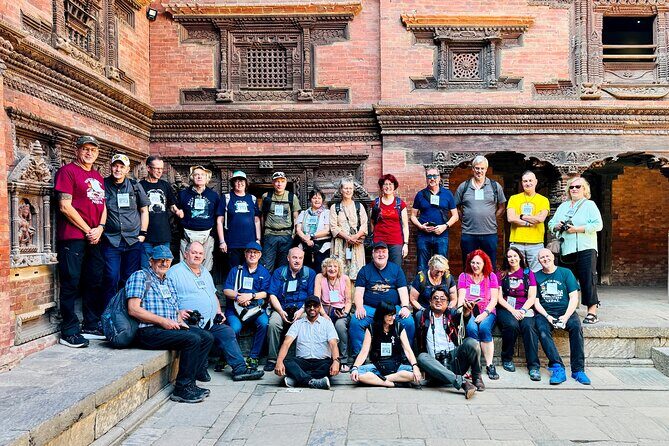
The headline price shown is $5 per person, and that’s likely the base tour cost. But the tour data clearly points out that monument entrance fees for the heritage sites total about USD 43 (around NPR 5,800 per person).
Here’s the key practical takeaway: your final cost depends on whether entrance fees are included in your chosen option. The tour notes that monument entrance fees are included in the all-inclusive package. It also states entrance fees apply to both group and private tours, and that fees total approximately USD 43.
So the real value question is this: do you want to handle fees on the day, or do you want one package price that includes it? If you prefer not thinking about rupee amounts mid-tour, choose the all-inclusive option.
Also, bring cash. The tour information says to bring cash, and one tip from real day experience was to have enough rupees just for entrance needs, with NPR 5,800 being the approximate total. Add a little extra for personal spending and you’ll feel relaxed instead of frantically counting bills at the gate.
What makes the guides and drivers change the whole day
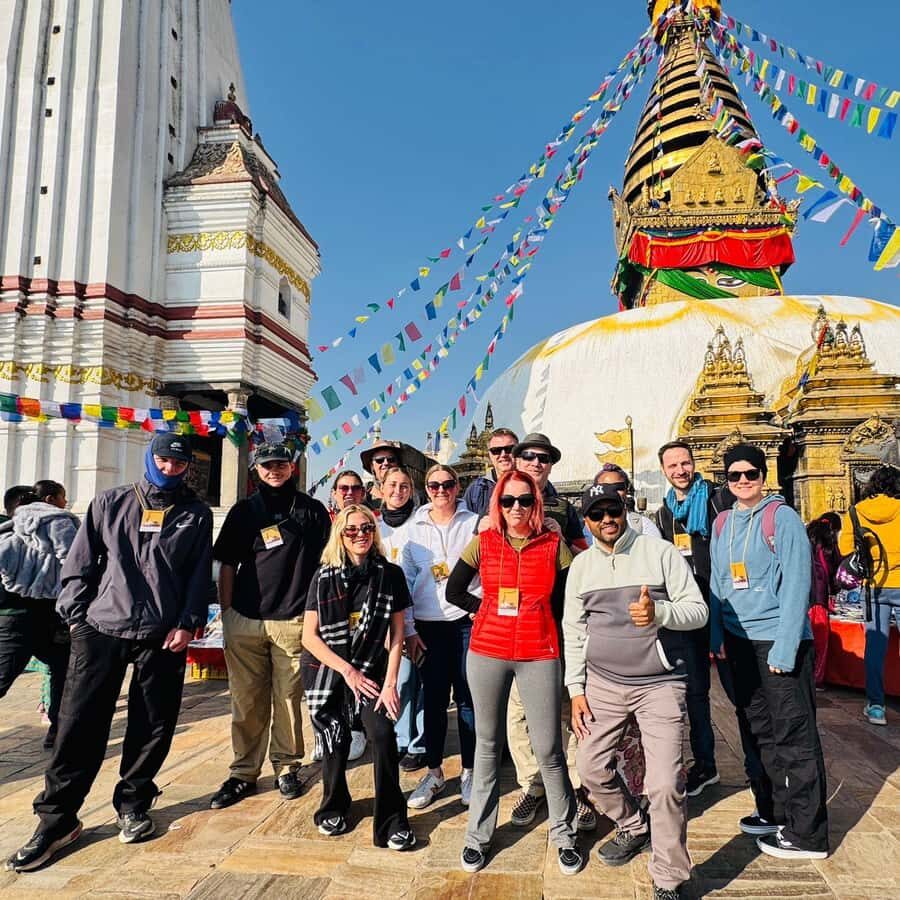
The biggest difference-maker on a long UNESCO day isn’t the vehicle—it’s the person narrating what you see and how fast the day flows.
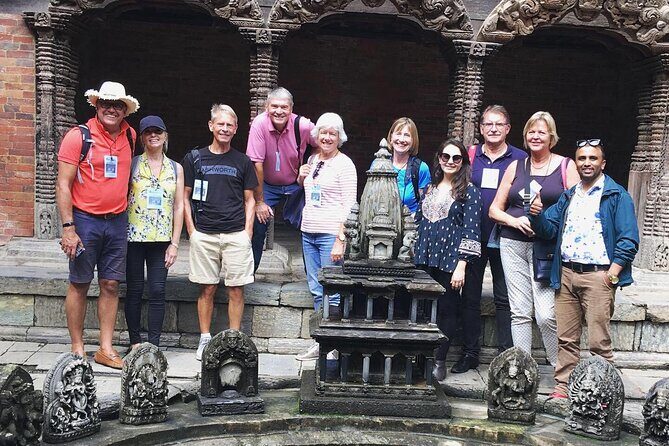
Across the guide names that come up in real experiences, Sumit is repeatedly praised for clear explanations and a professional, friendly approach. Other guide names also show up—Asmita, Ram, Dipesh, Surita, Raja, Rajan, and Seemu—so you may meet a different guide depending on your date. The pattern you can expect from the tour’s success is practical: guides that explain what you’re looking at, answer questions, and keep you moving without making you feel shoved.
The driver quality matters too. Several praised drivers are mentioned, including Krishna, with comments about safe, skilled driving through traffic and smooth transfers to each site.
One last pacing note: the tour is a long loop and does require walking. The guides can help you manage that by setting expectations, grouping stories so you understand the site quickly, and keeping photo stops efficient.
Practical tips that make the 8 hours feel easier
A few small things will help you enjoy the full route instead of just surviving it:
- Bring a daypack and a camera, since you’ll have time for photos at viewpoints and major structures.
- Pack for bathroom reality. One practical suggestion that shows up is bringing a small amount of paper/tissues just in case.
- Bring your ID. The tour notes passport or ID card, with copies accepted.
- Expect a little waiting. The tour warns of short pickup delays (about 3–5 minutes) due to city traffic and coordination.
- Wear shoes you can walk in for an extended day. The itinerary includes multiple guided walks and sightseeing windows.
Also, this tour is not suitable for wheelchair users and not suitable for visually impaired people, based on the tour’s own information. If that’s relevant for you, plan another style of visit.
Should you book this Kathmandu 7-site day tour?
I think this tour is a great choice if you’re on a tight schedule and want Kathmandu Valley UNESCO sites without doing the planning math. It’s also a smart fit for first-time visitors because you get a guided storyline connecting temples, palaces, and stupa culture across the valley.
I would skip it—or at least rethink the pace—if you’re not comfortable with a packed day of walking and want lots of downtime. Also, if you know you prefer just one or two sites deeply, you might find doing all seven in a day too much.
If you do book, my advice is simple: choose the all-inclusive option if monument fees are a hassle for you, bring cash, and treat the day like a structured learning day rather than a casual stroll.
FAQ
FAQ
How long is the Kathmandu UNESCO tour?
The tour duration is listed as 8 hours.
Where do pickups happen?
Pickup options include Kathmandu (with Thamel as a pickup area) and the tour also mentions pickups from hotels and residences if you provide your pickup location details.
What UNESCO sites are included on this tour?
The tour includes Swayambhunath Temple, Kathmandu Durbar Square, Patan Durbar Square, Changu Narayan Temple, Bhaktapur Durbar Square, Pashupatinath Temple, and Boudha Stupa (Boudhanath).
Is lunch included?
Lunch is included if you select the all-inclusive package. Otherwise, you receive a lunch box with items like water, fruit, and baked snacks.
Are monument entrance fees included?
Entrance fees are included only if you select the all-inclusive package. The tour notes monument entrance fees total approximately USD 43 (about NPR 5,800 per person).
What type of transportation is used?
The tour includes air-conditioned private transportation, with electric car segments listed between some stops.
What languages does the guide speak?
The live tour guide is listed as English and Hindi.
What should I bring with me?
Bring a camera, cash, a daypack, and passport or an ID card (a copy is accepted).
Is the tour suitable for wheelchair users?
No. The tour information states it is not suitable for wheelchair users.
Is there free cancellation?
Yes. The tour data says you can cancel up to 24 hours in advance for a full refund.