REVIEW · KATHMANDU
Kathmandu: Top 4 UNESCO Tour with Lunch – Private/Group
Book on GetYourGuide →Operated by Luxury Holidays Nepal · Bookable on GetYourGuide
Kathmandu turns into a classroom fast. In about 5–6 hours, this private or small-group route strings together four UNESCO stops—Swayambhunath, Patan Durbar Square, Pashupatinath, and Boudhanath—so you don’t waste time guessing what matters. I like that you get both big spiritual sights and clear cultural context from guides such as Sumit and Sajina, and you also get a real break with a lunch box and soft drinks included. One thing to consider: it’s still several walking segments on uneven temple areas, and the tour is not suitable for wheelchair users or pregnant women.
If you care about seeing more than just photos, this is a practical way to cover the essentials in one day. I especially like the pacing—short electric-car transfers between sites, then guided walks where your guide can point out details—and the comfort factor with an air-conditioned vehicle plus bottled water. The possible drawback is car/transfer time can vary a bit by traffic and the exact pickup area in Kathmandu Valley, so starting times depend on availability.
In This Review
- Key points worth noting
- A 4-site UNESCO day that actually feels manageable
- Electric-car transfers and A/C comfort (why it matters in Kathmandu)
- Swayambhunath, the Monkey Temple: views plus quiet spiritual focus
- Patan Durbar Square: Newari craftsmanship you can actually spot
- Pashupatinath on the Bagmati: Hindu rituals and a lesson in meaning
- Boudhanath Stupa: clockwise walking and calmer energy
- Lunch box, soft drinks, and permits: how the included stuff helps
- Price and value: why the real cost isn’t just the $4 listing
- Private vs small group: what feels different on the ground
- Who should book (and who should skip it)
- What makes the best guides here
- Final verdict: should you book this Kathmandu UNESCO tour?
- FAQ
- Which UNESCO sites are included?
- How long does the tour take?
- Is hotel pickup and drop-off included?
- What is included for lunch and drinks?
- Do I have to pay entrance fees?
- What language is the guide?
- Is this tour private or a group experience?
- Is the tour wheelchair accessible or suitable for everyone?
Key points worth noting
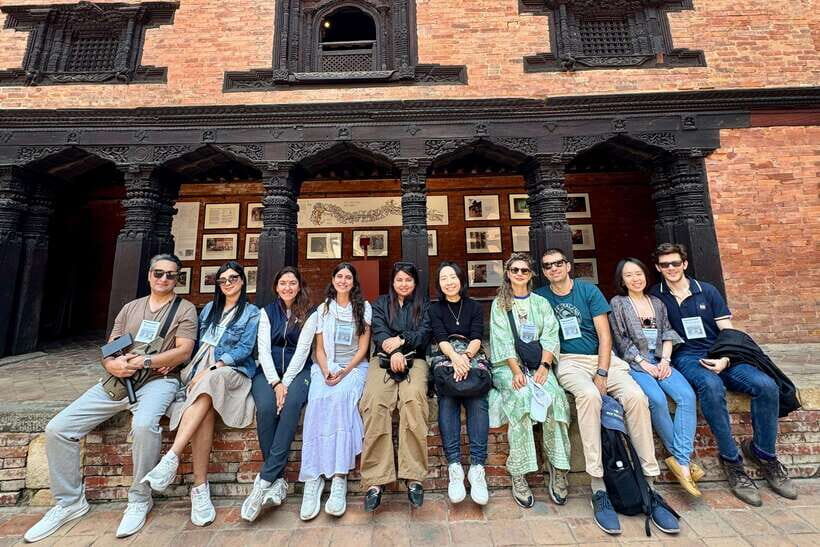
- Four UNESCO sites in one run: Swayambhunath, Patan Durbar Square, Pashupatinath, and Boudhanath in a focused order.
- Guides set the context: many reviews highlight how guides like Sumit and Suresh explain the Hindu and Buddhist meaning behind what you see.
- Comfort + convenience: hotel pickup and drop-off, A/C vehicle, bottled water, and included lunch help you avoid logistics stress.
- Short transfers use electric cars: expect quick rides between areas to save time and energy.
- Pacing is intentional: you get guided time at each site without trying to do everything at once.
- All-inclusive option covers entrances: entrance fees are extra unless you select the all-inclusive package.
A 4-site UNESCO day that actually feels manageable
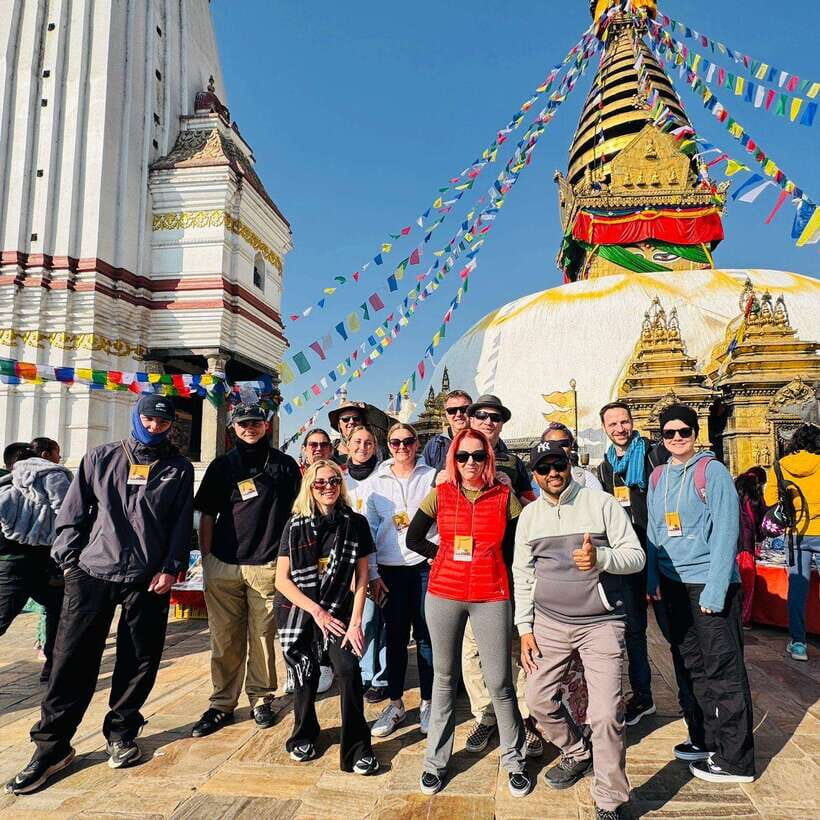
Kathmandu can overwhelm you fast—crowds, traffic, language barriers, and a calendar full of temples. This tour cuts through that fog by taking you to four UNESCO World Heritage Sites in one morning/afternoon block. The trick is the rhythm: hotel pickup, then short electric-car legs between neighborhoods, followed by guided walks where you can slow down and actually notice things.
Two reasons I think this works so well for first-timers are the mix of religions and the mix of “view + ritual + craft.” You start on a hill at Swayambhunath, where you get wide valley views and a calm-feeling stupa area. Then you move into craft and royal-era architecture at Patan Durbar Square, shift to Hindu practice at Pashupatinath, and end in quieter reflection around Boudhanath. It’s the same city, but four different lenses.
The one consideration I keep coming back to is physical reality. You will walk at each site, and some paths can be uneven or crowded. Also, the tour isn’t designed for wheelchair users or pregnant women. If you’re comfortable with temple steps and some uneven ground, this format is a smart use of limited time.
You can also read our reviews of more private tours in Kathmandu


Electric-car transfers and A/C comfort (why it matters in Kathmandu)
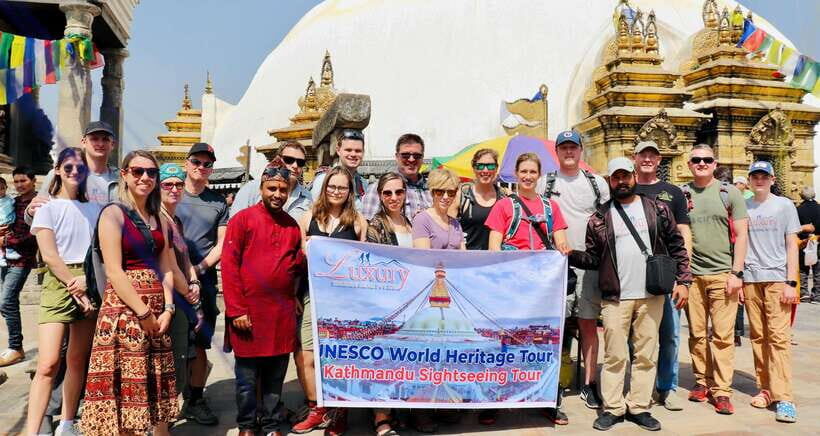
A day like this lives or dies on logistics. This tour uses private transportation with an air-conditioned vehicle, plus electric-car rides between the stops. Those electric-car segments are short, typically around 20–45 minutes each, and they help you avoid wasting half your day stuck in slower traffic routes.
Hotel pickup and drop-off are included, which is a big deal in Kathmandu Valley. Instead of meeting in a random location or figuring out the best way to reach each zone, you get a driver who meets you at your hotel or residence. Reviews also mention punctual pickup and safe driving, including comments about modern cars and seatbelts.
Practical tip for your comfort: wear shoes you don’t mind getting dusty, and use a daypack that keeps your water and sunscreen easy to reach. Even with transfers, this is still a “move, stop, walk, look” itinerary.
Swayambhunath, the Monkey Temple: views plus quiet spiritual focus
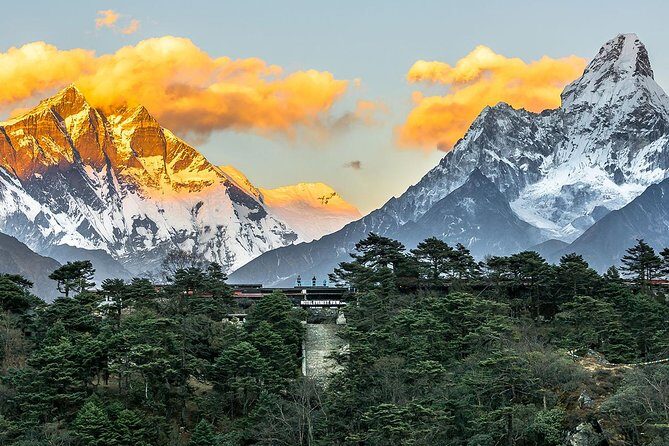
Swayambhunath is the opening statement of the day. The stupa sits high up, and the point isn’t just the iconography—it’s the way the viewpoint helps you understand Kathmandu’s layout. On a clear day, you get panoramic valley views that make the rest of your sightseeing make more sense.
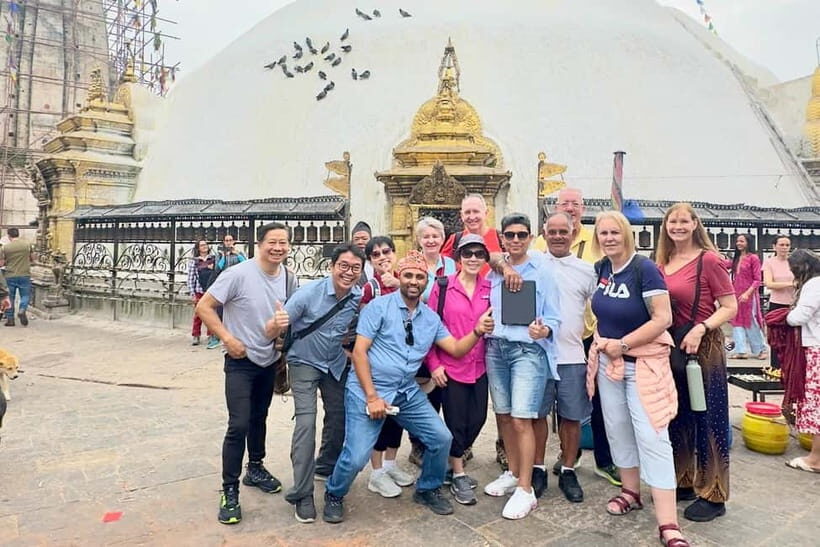
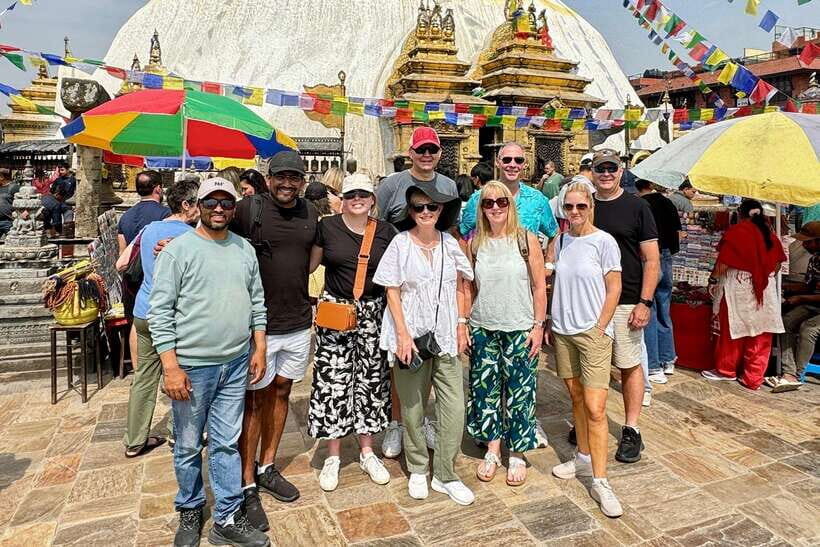
The guided time here is usually around 45 minutes with sightseeing and walking. Your guide will point out what you’re looking at, including the stupa’s visual details (white parts, golden elements) and the everyday rhythm around the site—prayer wheels, chanting, and visitors moving through a devotional space.
Why I like this stop early: it gives you orientation. Before you get pulled into palaces and temple complexes, you get that high vantage that tells you where the city sits. It also sets a tone that’s less hectic than some lower streets.
One practical caution: Swayambhunath is known for monkeys. The tour itself doesn’t claim monkey-proofing, so keep your snacks secured and hold your camera bag firmly when crowds shift.
Patan Durbar Square: Newari craftsmanship you can actually spot
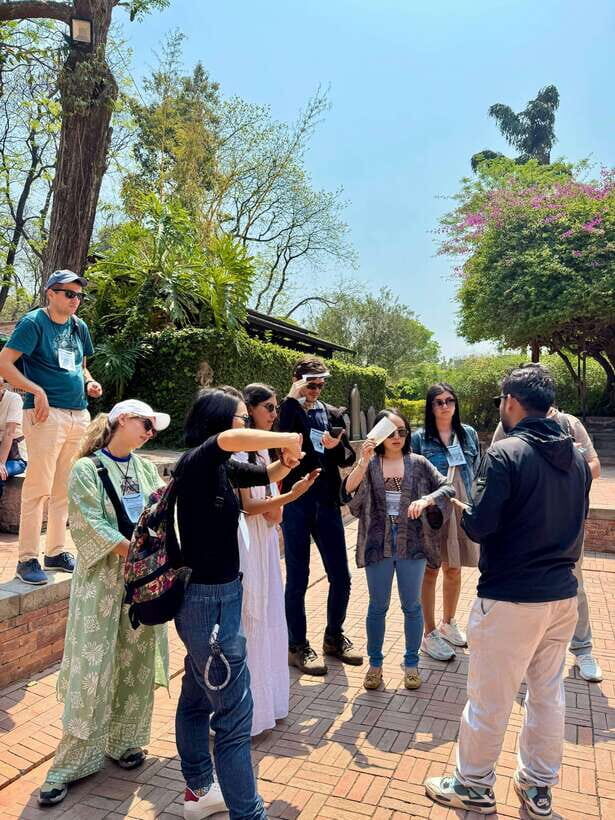
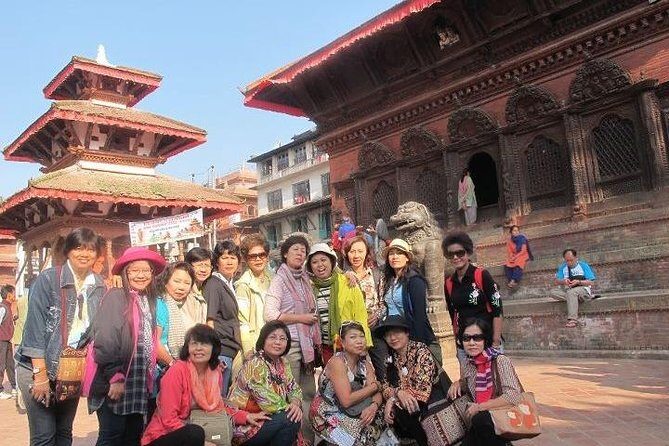
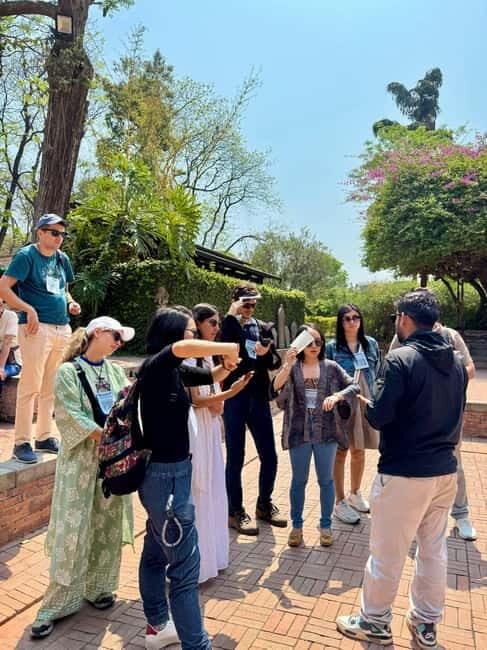
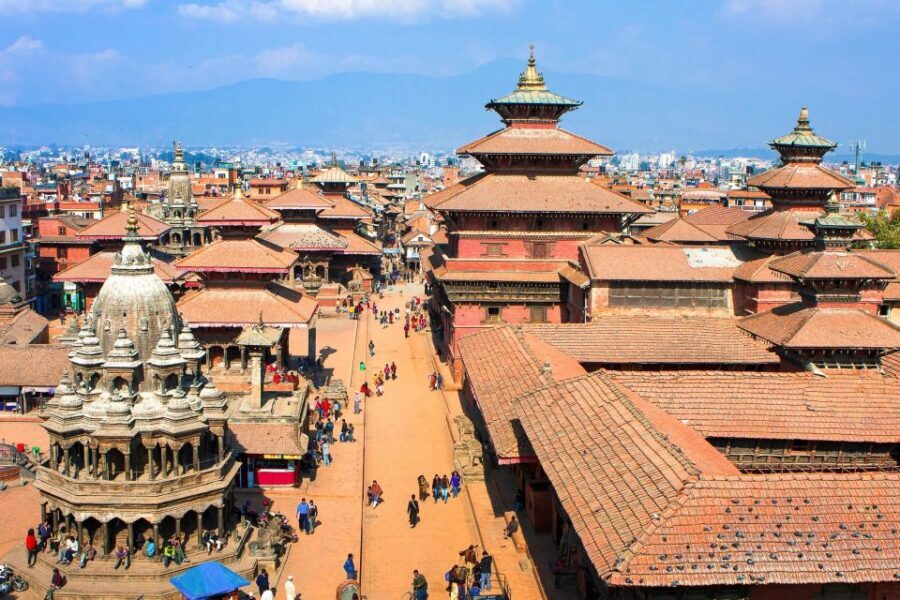
Next comes Patan Durbar Square, and this is where the tour shifts from “look at the view” to “look at the work.” This square is known for Newari artistry—temples, courtyards, and palace-era remnants carved with careful detail. Even if architecture isn’t usually your thing, guided time helps you notice what you’d otherwise miss.
The visit is typically about an hour of guided touring and walking. Your guide should walk you through architectural features and key areas so you understand why the place looks the way it does. Reviews frequently praise guides for explaining Nepal’s Hindu and Buddhist context and connecting what you see to local traditions.
A small detail worth knowing: in at least one review, the guide allowed extra free time for the Patan museum exploration during the Patan stop. That’s not guaranteed based on the route structure alone, but it’s a good sign of flexibility from some guides. If you care about artifacts and want a short break to read at your own pace, ask your guide if there’s time.
Pashupatinath on the Bagmati: Hindu rituals and a lesson in meaning
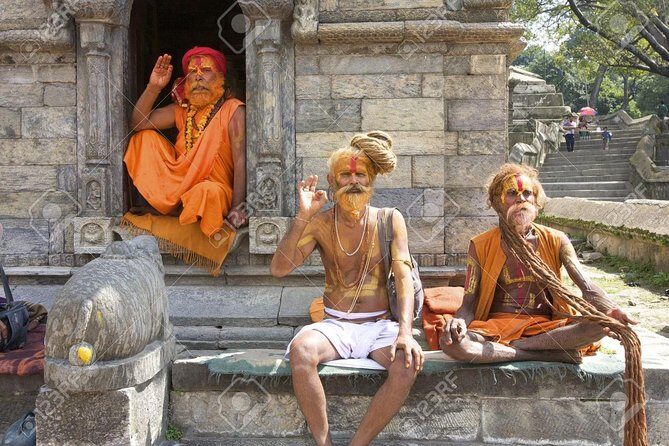
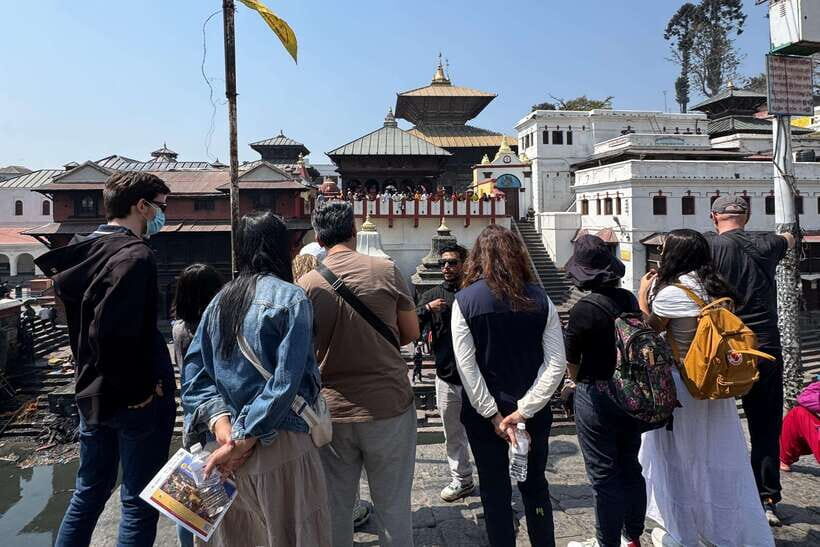
Pashupatinath is a serious stop. It’s dedicated to Lord Shiva, and it’s also a place where pilgrims perform rites along the Bagmati River. This is not a “photo backdrop” temple complex. It’s an active religious center, which means the experience has a pulse—people praying, families gathering, and ritual movement that feels ongoing.
The guided portion here is typically around an hour. Your guide’s role is crucial because the site can look like a cluster of structures until someone helps you connect the symbols to the practices. Expect explanations about the temple complex and the significance of the Shiva tradition within Nepal’s broader religious landscape.
The possible drawback: this can feel intense. Even with a guide, you’re stepping into a functioning sacred environment. If you’re uncomfortable around crowds or public ritual spaces, keep that in mind. On the plus side, when the guide frames what you’re seeing, it becomes less confusing and more meaningful.
Practical tip: keep a respectful distance during any rites. Watch what others do, but don’t copy behavior that looks personal or ritual-specific.
A few more Kathmandu tours and experiences worth a look

Boudhanath Stupa: clockwise walking and calmer energy
Boudhanath is a strong ending point. The stupa is massive and spherical, and it’s a key center for Tibetan Buddhism. One of the most visible practices is walking clockwise around the stupa. You’ll see monks and pilgrims using the loop as part of their devotion, and you’ll feel the contrast with the busier parts of the city.
The guided tour here is usually about 40 minutes with sightseeing and walking. It’s also a chance to slow down after Pashupatinath’s intensity. The stupa area invites pauses—look up, watch movement, and let your brain switch gears from ritual explanation to quiet observation.
In reviews, people mention the day feeling like more than a checklist—educational, cultural, and often emotionally moving. One guest even described fascinating moments like a conversation with a Tibetan monk and a doctor during their day. That doesn’t mean it’s guaranteed, but it shows how guides sometimes help create human connections around religious sites.
If you want a good “wrap-up moment,” plan to spend a few minutes on your own at the stupa after your guided walk, just to reset before the ride back.
Lunch box, soft drinks, and permits: how the included stuff helps
A half-day tour needs one thing to feel good: you shouldn’t have to hunt for food or scramble for cash. This tour includes a lunch box and bottled water. The lunch box is listed as a muffin, donut, banana, seasonal fruit, and a 200 ml juice. That’s simple, not fancy, but it’s practical when you’re moving between heritage sites.
There’s also an all-inclusive option that adds more: soft drinks and an additional lunch set, and it may cover entrance fees. The all-inclusive package is described as a Nepali Khana set with soft drinks, or you can choose continental dishes.
Here’s the real value angle: entrance fees and permits are the kind of surprise cost that can turn a “cheap tour” into a not-so-cheap tour at the last minute. This operator is clear that entrance fees apply to both group and private tour options, but they are included in the all-inclusive package. So if you want predictable spending, choose all-inclusive.
Also note what isn’t covered: personal expenses like souvenirs and snacks beyond what’s included.
Price and value: why the real cost isn’t just the $4 listing
The price shown is very low, but in Kathmandu, “what’s included” matters more than the base number. This tour includes hotel pickup/drop-off, a professional local guide, a private air-conditioned vehicle, bottled water, and the lunch box. It also includes all applicable taxes and service charges.
Where costs can change for you is entrance fees and any selection you make between standard and all-inclusive. Entrance fees are mentioned as approximately USD 20 / NPR 2,600 per person (and they apply to both group and private options), but the all-inclusive option covers these.
So when I look at value, I weigh two things:
- You save time and mental energy: four UNESCO stops with transfers, guide interpretation, and clear routing.
- You control whether you pay entrances separately: all-inclusive helps if you hate surprises.
If you’re traveling with limited time in Kathmandu and want the main UNESCO highlights without negotiating taxis between areas, this type of guided route usually pays off.
Private vs small group: what feels different on the ground
This tour can be private or for small groups. In practice, the biggest difference is how much flexibility you get. Reviews often highlight that guides could adjust based on what people wanted to see, and they described enough pacing control that nobody felt rushed.
Some guests booked group tour but ended up with very small numbers, even just two people, which gives you many of the advantages of a private feel—quiet conversation, fewer waiting moments, and a smoother walking pace.
One caution: vehicle size can matter when the group is more than two. There’s at least one mention of cramped seating in a small sedan for three people. If you’re concerned about comfort, ask what vehicle will be used for your group size, especially if you’re sensitive to tight backseats.
Who should book (and who should skip it)
This tour fits best if you:
- have only one day and want the main UNESCO sites handled in one sweep
- like explanations that connect temples to Hindu and Buddhist meanings
- prefer comfort (A/C, bottled water, pickup) rather than DIY transport
It may not be a great fit if you:
- need wheelchair access (the tour is not suitable for wheelchair users)
- are pregnant (not suitable)
- have mobility limitations that make walking temple areas tough
- are extremely short on time and just want one site instead of four
The upside for many people is that it feels like a focused education session rather than a rushed photo spree. Reviews repeatedly praise how the guides keep information organized and answer questions without turning it into a lecture.
What makes the best guides here
The standout theme from reviews is guide quality. Names that come up include Sumit, Sajina, Suresh, Hemant, Hemraj, Ram, and Sujan. Across these mentions, the praise clusters around:
- guides speaking strong English and answering questions
- calm, friendly energy with enough humor to keep the day from feeling stiff
- a balance between guided time and breathing room, including occasional extra time (like Patan museum exploration)
One more detail: several reviews mention the conversation element. A guest described a conversation with a Tibetan monk and a doctor, which suggests the guides don’t just recite facts—they help create context around real people and real practices.
For you, this matters because the sites change from confusing stone piles into readable places when someone points out what you’re seeing.
Final verdict: should you book this Kathmandu UNESCO tour?
Yes, if your goal is four UNESCO landmarks in one well-run day with guide interpretation, hotel pickup, A/C comfort, and lunch handled for you. It’s a good value structure because it bundles the parts that usually take effort—transport timing, site navigation, and basic sustenance.
I’d especially recommend it if you’re a first-timer who wants orientation fast: Swayambhunath for the valley view, Patan for craft, Pashupatinath for ritual meaning, and Boudhanath for quiet Buddhist practice.
If you’d rather go slow, or if walking temple areas is a challenge for you, consider doing fewer stops or splitting the experience across more time. This is efficient by design.
As for trip planning flexibility: the tour offers free cancellation up to 24 hours in advance, which gives you some breathing room if your Kathmandu schedule shifts.
FAQ
Which UNESCO sites are included?
The tour visits four UNESCO World Heritage Sites in Kathmandu Valley: Swayambhunath, Patan Durbar Square, Pashupatinath, and Boudhanath Stupa.
How long does the tour take?
The duration is listed as 5–6 hours, with starting times depending on availability.
Is hotel pickup and drop-off included?
Yes. The tour includes private hotel pickup and drop-off within Kathmandu Valley.
What is included for lunch and drinks?
Lunch is included as a lunch box with items such as a muffin, donut, banana, seasonal fruit, and 200 ml juice. The all-inclusive option can add a lunch set plus soft drinks.
Do I have to pay entrance fees?
Entrance fees are not included in the standard option, but they are included in the all-inclusive option. Entrance fees are described as approximately USD 20 / NPR 2,600 per person.
What language is the guide?
The live tour guide speaks English.
Is this tour private or a group experience?
It’s offered as private or small groups.
Is the tour wheelchair accessible or suitable for everyone?
No. The tour is not suitable for wheelchair users and is also not suitable for pregnant women.