REVIEW · POKHARA
4 Days Amazing Trekking from Pokhara-Ghorepani Poon Hill
Book on Viator →Operated by Nepal Mountain Club Pvt Ltd · Bookable on Viator
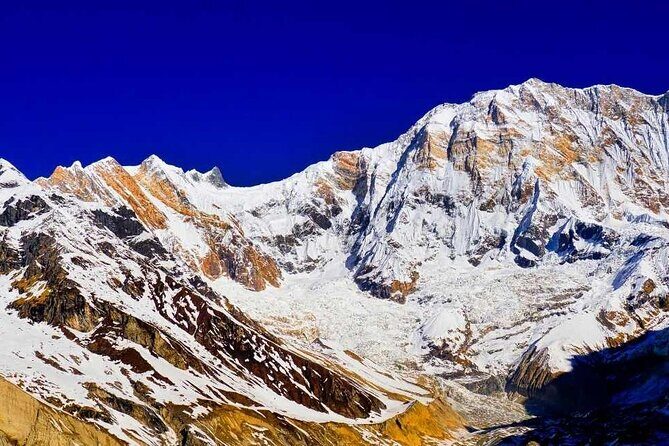
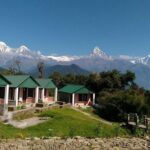
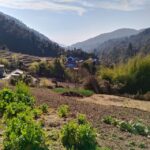
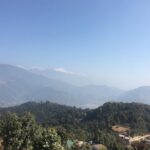
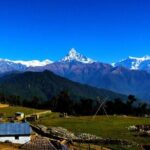
That first glimpse at Poon Hill hits different. This 4-day walk strings together Poon Hill sunrise views and classic Annapurna scenery, including Annapurna, Dhaulagiri, and Machhapuchhre, without needing a long multi-week commitment. You also pass through Gurung and Magar villages, where you can see daily life, small temples, and community spots along the way.
I also like the very practical pacing for a beginner-friendly trek: guesthouse nights, a well-managed route, and an English-speaking guide who knows how to turn the trek into more than just walking. A second big plus is the route’s mix of famous viewpoints and quieter village moments, like the stop at Ghorepani and the final visit to the Old Gurung Museum. The main drawback to weigh is the early morning and tight schedule, since the whole point is squeezing sunrise and multiple village sections into just four days.
In This Review
- Quick highlights you’ll care about
- Why this 4-day Pokhara–Ghorepani–Poon Hill trek feels like a “best of”
- The real route: how each day builds to the sunrise
- Day 1: Pokhara to Ulleri via Nayapul and that first steady climb
- Day 2: Ghorepani village time and a community stop that breaks the routine
- Day 3: Poon Hill sunrise, then the continued trek to Ghandruk
- Day 4: Old Gurung Museum, back down toward Nayapul, and home to Pokhara
- Price and value: what $380 per person really covers
- Guides and “how the day feels,” not just what you see
- Moderate difficulty in real terms: what you’re signing up for
- Where this trek fits best in your Nepal trip
- Should you book this 4-day Poon Hill trek?
- FAQ
- How long is the trek from Pokhara to Poon Hill?
- What does the $380 price include?
- Are meals included?
- Do you get a pickup from Pokhara?
- Is this trek private or group-based?
- Which places does the itinerary include?
- Is the trek difficult?
- Are Poon Hill and other admissions fully covered?
- What is the cancellation policy?
Quick highlights you’ll care about
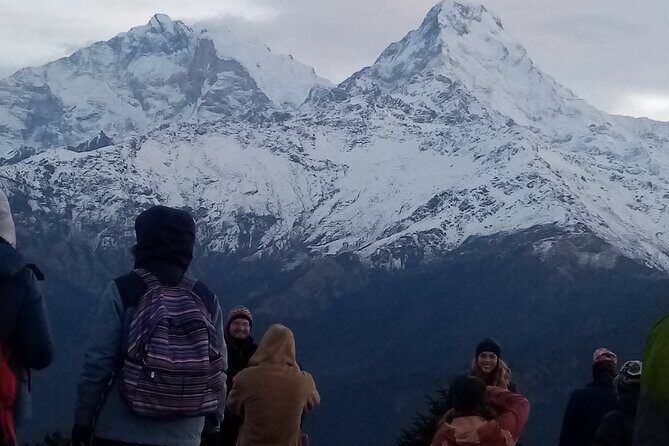
- Poon Hill sunrise over the Annapurna region, with sunrise timing built into Day 3
- Village culture in Gurung and Magar communities, plus a visit to the Old Gurung Museum
- Private trek style for your group, with hotel pickup and drop-off in Pokhara
- Permits covered: ACAP conservation area fees and TIMS included
- Tea houses along the trail, making it easier to plan breaks and simple meals
Why this 4-day Pokhara–Ghorepani–Poon Hill trek feels like a “best of”
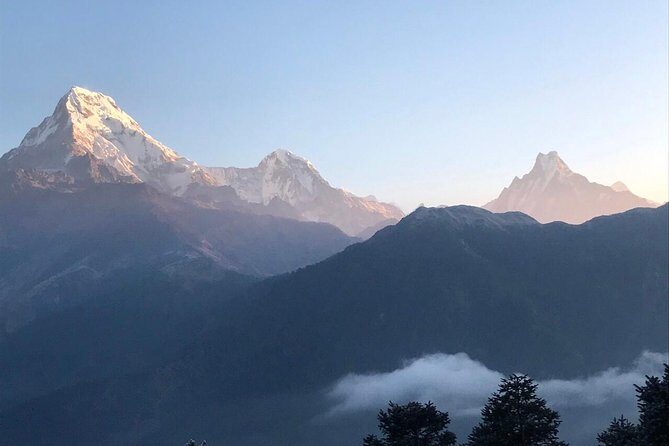
This trek is built for people who want the Himalayas without committing to a long itinerary. You’re still on the Annapurna circuit vibe, but the route is shorter: walk up from Nayapul, sleep in mountain villages, and hit the big moment at Poon Hill.
What makes it interesting is the combination of two different kinds of payoff. You get world-famous views in the morning, then you get human-scale experiences during the day, like meeting locals and moving through Gurung and Magar settlements. The result feels more rounded than a trek that only chases one photo spot.
The whole route is moderate in difficulty and designed to be manageable for most people. You’ll be walking several hours each day, but the trail is described as well-maintained, and tea houses exist along the way so you’re not stuck with zero options.
You can also read our reviews of more hiking tours in Pokhara
The real route: how each day builds to the sunrise
This is a private, guided trek starting from Nayapul, with a one-hour drive from lakeside Pokhara. It’s also a “tea house and guesthouse” style itinerary, meaning you’re sleeping in simple accommodations and eating where you can during the day.
Your guide is English-speaking and professional, and the operator, Nepal Mountain Club Pvt Ltd, runs it as a private activity for your group. Past guides named on similar departures include Dhanraj Gurung, Dadhi (also written as Dadhi Thapa), Krishna, and Milan, with strong feedback on patience, good pacing, and storytelling about ethnic groups and mountain life.
Day 1: Pokhara to Ulleri via Nayapul and that first steady climb
Morning starts with pickup from your hotel in lakeside Pokhara, followed by about a one-hour private car ride to Nayapul, your trekking starting point. Then it’s walking time right away.
You’ll reach Ulleri after roughly 5–7 hours on the trail, at an elevation around 1960 meters. Ulleri is the kind of village stop where you begin to feel the trekking rhythm: steady uphill, frequent chances to regroup, and simple mountain guesthouse energy.
One small detail that matters: there’s an admission ticket included for the stop at Ulleri Football Ground. It’s not a huge sightseeing block, but it’s one of those “included so you don’t have to think about it” items that makes the day smoother.
What I’d watch for on Day 1: since the walk can take most of the day, you’ll want to treat it like your warm-up day. If you rush early, you pay for it later. A calm, steady pace helps you arrive with enough energy for a normal night.
Day 2: Ghorepani village time and a community stop that breaks the routine
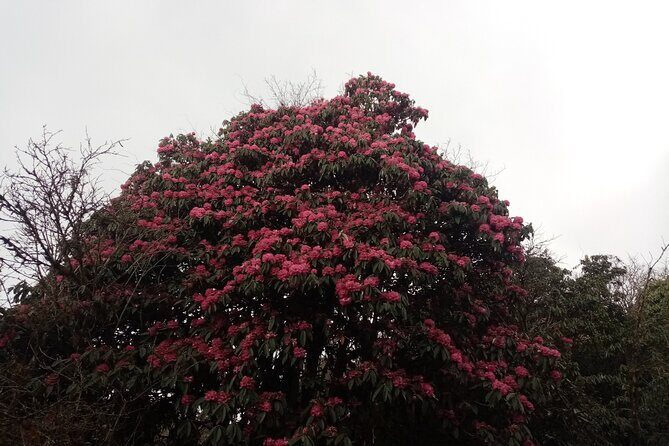
Day 2 is another solid walking day, about 6 hours, with stops that go beyond just scenery. As you walk, you’ll pass through areas known for flora and fauna, and you’ll have time to enjoy the mountain views as they unfold.
Ghorepani is highlighted as a popular mountain village. That’s important because it means this isn’t some ghost stop. You’re more likely to find the tea house rhythm you need for rest breaks and an easy evening.
There’s also a community-focused stop: the Ghorepani Community hospital. In the itinerary, the admission for that stop is listed as free, and that’s one of the quieter “local life” moments that can make the day feel grounded rather than purely scenic.
Day 3: Poon Hill sunrise, then the continued trek to Ghandruk
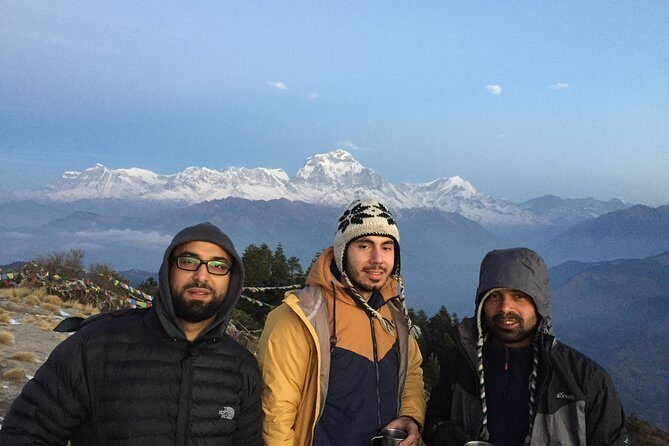
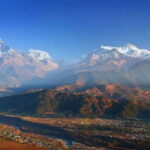
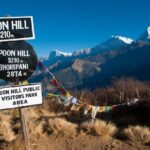
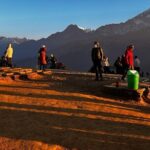
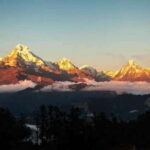
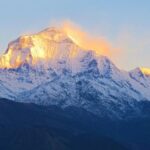
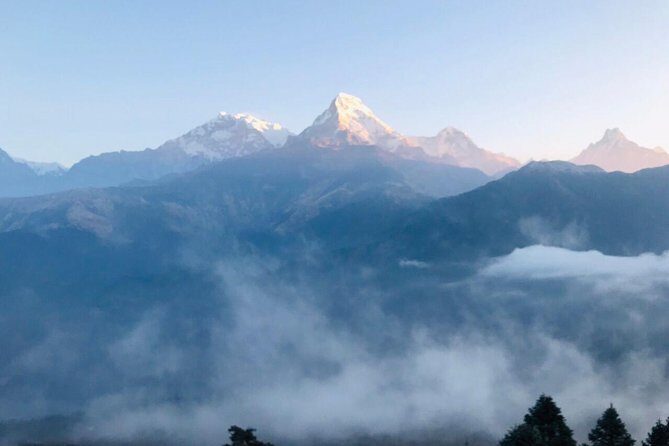
Day 3 is the big payoff day, and it starts with an early morning trek to Poon Hill. Poon Hill is described as the best view point for panoramic Himalayan views, especially for seeing the Annapurna range from one vantage.
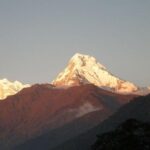
This is also where the sunrise experience happens. The timing is the whole point: you’re up early so you can watch the mountains show up in layers, with Annapurna views taking center stage. If you want one “once-in-a-lifetime” moment, this is it.
An important logistics detail: the Poon Hill admission ticket is listed as not included. That means you should plan for that extra cost on the day, unless your guide advises otherwise. It’s usually not a deal-breaker, but it’s one of the only “not included” items among the listed stops.
After you’ve spent a couple of hours at Poon Hill, you continue trekking to another beautiful mountain village called Ghandruk. Day 3 is listed at about 8 hours total, so expect a longer day than Day 2, even though you’re finishing with a village stop that feels like a reward.
What I’d watch for on Day 3: sunrise mornings can be colder and a bit slower at first. If you’re tempted to sprint for the best spot, resist. Get your bearings early, then pace yourself so you can actually enjoy the view once you’re there.
A few more Pokhara tours and experiences worth a look

Day 4: Old Gurung Museum, back down toward Nayapul, and home to Pokhara
On the final day, you wrap the trek with a cultural stop at the Old Gurung Museum. The admission is listed as free, and that’s a nice touch for an end-of-trek activity that turns your walking experience into a better understanding of the people behind the region.
After that, it’s trekking back to Nayapul for the end of the trek, and then transfer back to your hotel in Pokhara. Day 4 is about 6 hours of walking time.
This day tends to feel different from the other days: less about the next “big moment” and more about steady completion. If the trek has been tiring, it’s also the day you’re most likely to appreciate an easy, orderly finish.
Price and value: what $380 per person really covers
At $380 per person, this trek is priced for a fully guided, permit-included, private-group experience. The cost includes accommodation in guesthouses, an English-speaking professional trekking guide, and hotel pickup and drop-off.
It also includes the key paperwork items for this region: ACAP conservation area fees and TIMS. Those aren’t the glamorous parts of a trek, but they’re part of why trips run legally and smoothly. If you’ve ever tried to piecemeal a trek without a solid operator, you know how much time that can steal.
What’s not included is food and drinks. That’s pretty normal for trekking, but it does affect your budget. You’ll need to plan for daily purchases at tea houses, not just the trek fee.
One more value note: the trek is described as private, only your group participates, and there are group discounts plus a mobile ticket. Even if you’re solo, the private style matters because it usually means less waiting and less crowd pressure than big mixed groups.
Guides and “how the day feels,” not just what you see
The views at Poon Hill are famous, but the way the trek is handled day-to-day is what determines whether it feels fun or stressful. The guides mentioned on past trips stand out for their ability to make walking feel social and informative.
Dhanraj Gurung is noted for stories about different ethnic groups and mountain life, plus a sense of fun. Dadhi is described as professional and helpful throughout. Krishna and Milan also show up with praise for great service, patience, and a good sense of how to keep a trek group moving at the right pace.
What you should take from that: for a short trek like this, there’s not much time to “figure it out later.” A good guide helps you keep the day moving, manage early starts, and turn small village stops into something meaningful.
Moderate difficulty in real terms: what you’re signing up for
The trek is labeled moderate and suitable for beginners and experienced trekkers. That usually means you’re not looking at technical climbing, but you are still dealing with long walking hours and uphill/downhill days.
Each day has its own walking stretch:
- Day 1: about 5–7 hours to Ulleri
- Day 2: about 6 hours to Ghorepani area
- Day 3: about 8 hours, including early morning to Poon Hill and continuing to Ghandruk
- Day 4: about 6 hours back toward Nayapul
So yes, it’s short. But “short” here doesn’t mean “light.” If you’re okay with hiking several hours a day and you can handle an early start, you’re in the right range.
Also, the itinerary references tea houses along the way, which matters because it gives you realistic break points and places to eat without needing special planning.
Where this trek fits best in your Nepal trip
This one is ideal if:
- you want Annapurna-region views but only have about four days
- you like cultural village time, not just viewpoints
- you want a guided, permit-included private trek with guesthouse nights
- you’re okay with sunrise being the centerpiece of the itinerary
If you’re looking for maximum altitude time, big backcountry camping, or a slower pace, this may feel like a compressed version of longer treks. Still, a well-run short trek can be a smart move, especially if you’re pairing it with other days in Pokhara.
Should you book this 4-day Poon Hill trek?
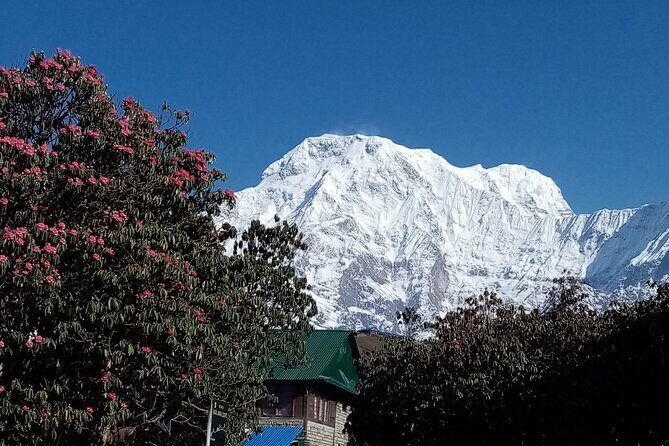
Yes, I’d book it if your top goal is a realistic Himalayas hit in a short window. The value is strong because the essentials are covered: guide, guesthouse accommodation, pickup/drop-off, and the key permits.
I’d hesitate only if you really hate early mornings or you need a more relaxed schedule. Day 3 is built around sunrise, and the walking totals across the four days are steady enough that you’ll feel the trek for a few days after.
If you want a short, well-managed trek with famous views plus real village stops like Ghorepani and the Old Gurung Museum, this route fits the bill.
FAQ
How long is the trek from Pokhara to Poon Hill?
The trek is approximately 4 days.
What does the $380 price include?
It includes guesthouse accommodation, ACAP conservation area fees and TIMS, an English-speaking professional trekking guide, hotel pickup and drop-off, and a private tour.
Are meals included?
Food and drinks are not included. You can purchase them during the trek.
Do you get a pickup from Pokhara?
Yes. Pickup is offered from lakeside Pokhara, and you’re also dropped back to your hotel in Pokhara at the end.
Is this trek private or group-based?
It’s a private tour/activity, meaning only your group participates.
Which places does the itinerary include?
The trek includes stops such as Ulleri (with a ticket included for Ulleri Football Ground), Ghorepani (with a free admission stop at Ghorepani Community hospital), Poon Hill (with admission not included), Ghandruk, and the Old Gurung Museum.
Is the trek difficult?
It’s described as moderate and suitable for beginners and experienced trekkers.
Are Poon Hill and other admissions fully covered?
Ulleri Football Ground admission is included, Ghorepani Community hospital admission is free, Old Gurung Museum admission is free, and Poon Hill admission is not included.
What is the cancellation policy?
You can cancel for free up to 24 hours in advance for a full refund.