REVIEW · POKHARA
Kathmandu/Pokhara: 5-Day Annapurna Base Camp (ABC) Trek
Book on GetYourGuide →Operated by Cordial Trek Pvt. Ltd. · Bookable on GetYourGuide
Five days, one mountain goal. This is a fast, structured Annapurna Base Camp trek that mixes dense forest, rivers, waterfalls, and local villages into a route that still reaches the big payoff: ABC at 4,130 m.
I also like how the scenery changes hard across the climb—from bamboo valleys to colder, rockier ground—so each day feels like a different hike, not just more steps.
I really value the support side of this trip. You get a licensed trekking guide, key transfers (including drive to Simrung via Nayapul), and loaner essentials like a down jacket, sleeping bag, and trekking poles.
That matters because on a short itinerary, comfort and safety systems save you from bad gear decisions.
The main drawback to plan for is effort and altitude in a tight schedule. You’ll hike multiple long days (5–6 hours for most of it, plus a tougher return day), with a highest point at 4,130 m—so bring realistic expectations and don’t expect a casual walk.
In This Review
- Key Things I’d Book This For
- Annapurna Base Camp in 5 Days: What This Itinerary Really Feels Like
- Getting In: Kathmandu or Pokhara to Simrung (and Why It Sets the Tone)
- Day 1: Simrung to Sinuwa Through Forest Trails and Rivers
- Day 2: Sinuwa to Deurali, Waterfalls and Dense Forest Climb
- Day 3: Deurali to Annapurna Base Camp via Machhapuchhre Base Camp
- Day 4: Sunrise at ABC, then the Long Return to Bamboo/Sinuwa (and Dobhan)
- Day 5: Jhinu Danda Hot Springs Soak, Then Back to Pokhara by Late Afternoon
- Price and Value: What $96 Covers (and What You’ll Pay Extra)
- Gear and Weather: What to Bring so You Don’t Hate Your Trek
- The Human Side: Guides, Pace, and Feeling Safe on a Tight Schedule
- Who This Trek Suits Best (and Who Might Want a Longer Route)
- Should You Book This 5-Day Annapurna Base Camp Trek?
- FAQ
- Is the trek starting point Kathmandu or Pokhara?
- How high does the trek go?
- How long do the hiking days usually take?
- Will I get help with permits and trekking gear?
- Do I get meals during the trek?
- Is hot spring time included?
- What language will the guide speak?
- What documents do I need to provide?
Key Things I’d Book This For
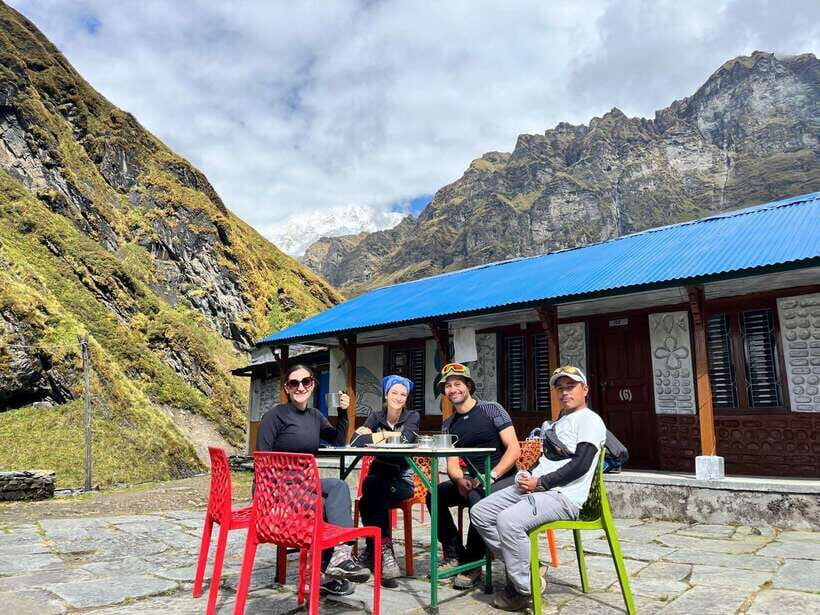
- Annapurna Base Camp at 4,130 m: you reach the goal and get a sunrise morning payoff on Day 4.
- Hot springs at Jhinu Danda: a proper soak after trekking, not just a sightseeing stop.
- Route variety, not a single note: waterfalls through dense forest, then colder ridges on the way in.
- Guides who prioritize safety and pace: lots of guide names came up repeatedly across bookings, and the common theme is calm help when conditions get tough.
- Loaner trekking gear helps you travel lighter: down jacket, sleeping bag, trekking poles are available to borrow.
- Team logistics that reduce friction: permits, guest-house beds, and core meals are handled so you can focus on walking.
Annapurna Base Camp in 5 Days: What This Itinerary Really Feels Like
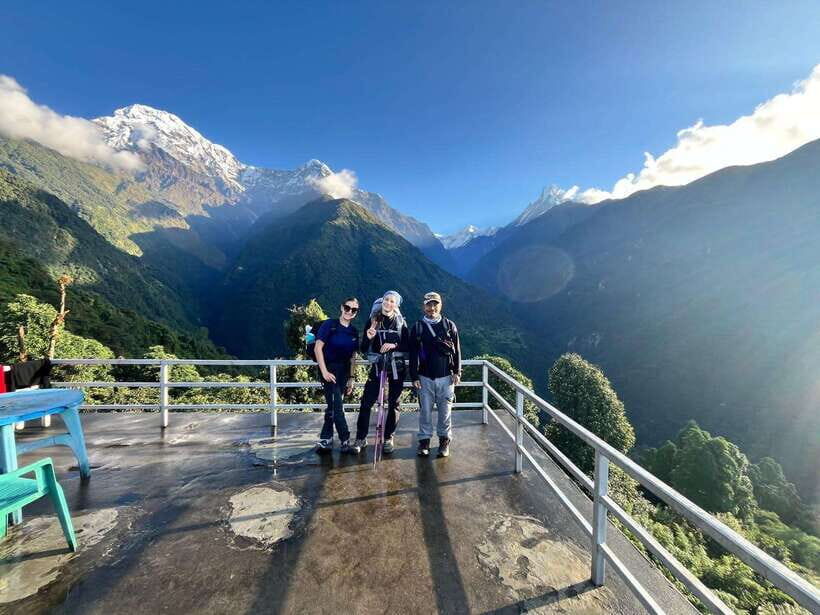
A 5-day ABC trek is short for the Himalayas, and that’s the point. You’re not spending a week adjusting and wandering—you’re getting a clear route, consistent start-and-stop structure, and a target altitude that’s reached on Day 3.
The trade-off is that you need to show up ready to hike. Expect a lot of walking time across Days 1–4, with Days 3 and 4 being the most demanding overall (distance and altitude both play a role). If you’re the type who likes steady climbs, big daily rewards, and moving efficiently, this format suits you.
Also, the environment changes noticeably as you climb. Early sections feel like forest and village hiking. Then the air turns sharper, tea-house days start to feel colder, and you’ll be dealing with the kind of weather that can shift quickly near higher elevations.
You can also read our reviews of more hiking tours in Pokhara
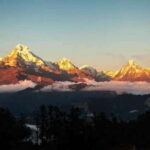
Getting In: Kathmandu or Pokhara to Simrung (and Why It Sets the Tone)
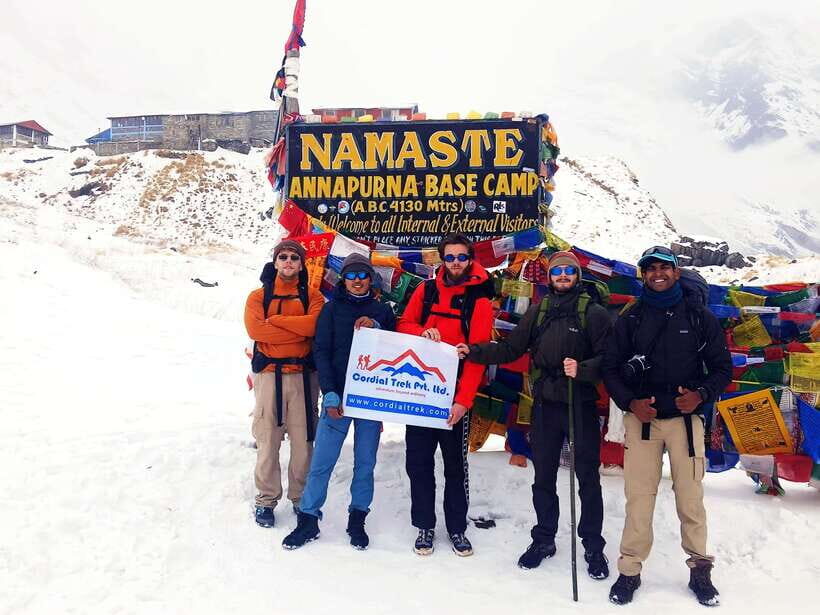
You can start from Kathmandu or Pokhara. If you start in Kathmandu, there’s a 30-minute flight to Pokhara included with the right option. Either way, the hike begins after getting to Simrung.
From Pokhara, you drive about 2–3 hours to Simrung via Nayapul, and then you trek from Simrung to Sinuwa (10–11 km, roughly 5–6 hours). This first day is your warm-up in disguise: it’s the time you find your stride, test your boots, and get used to the rhythm of long downhill-and-uphill trail segments.
Why I like this approach: it doesn’t throw you into high altitude on Day 1. Your max altitude on Day 1 is around 2,340 m, which is high but manageable for most people who are reasonably active. You finish in a guest house at Sinuwa, which helps you start fresh the next morning.
Practical note: with a start like this, you’ll want to keep your evening simple. Eat, hydrate, and sleep. The mountains don’t care about your plans—only your energy levels.
Day 1: Simrung to Sinuwa Through Forest Trails and Rivers
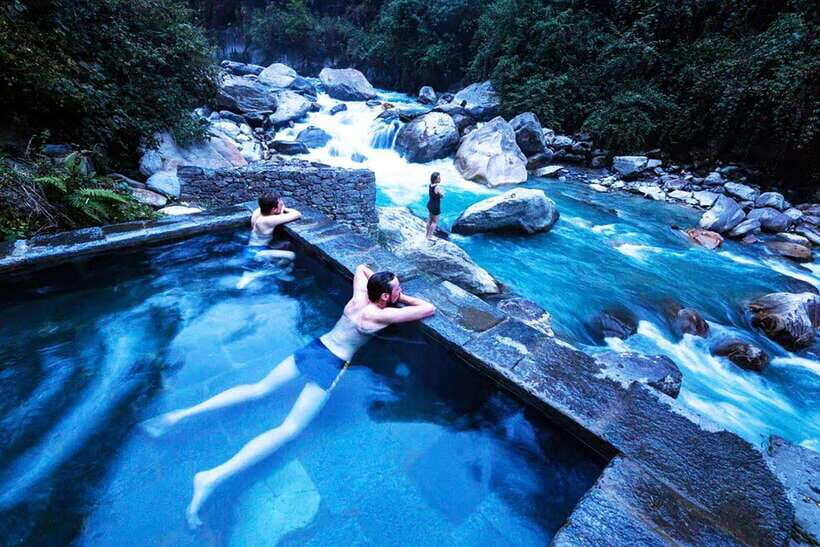
Day 1 runs Simrung to Sinuwa (10–11 km, 5–6 hours), max altitude around 2,340 m. Along the way, expect dense forest scenery and river-and-water views, with traditional settlements breaking up the trail.
Sinuwa is a good first lodge stop: you’re not at the coldest elevations yet, but you’re high enough that the next day’s climb feels like it has a “start point” instead of being random. This night sets your pace for the rest of the trek.
What to watch for on Day 1:
- Your feet: keep socks and boots “dry enough” and avoid new blisters by adjusting early.
- Your packing: remember you can borrow trekking poles and sleeping gear, so use that to keep your load sensible.
Day 2: Sinuwa to Deurali, Waterfalls and Dense Forest Climb
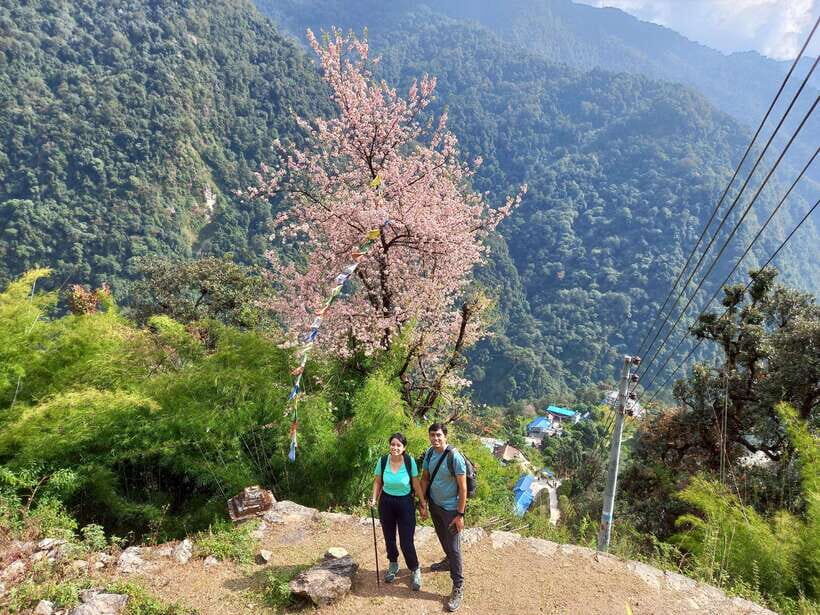
The next leg is Sinuwa to Deurali (10–11 km, 5–6 hours), max altitude about 3,230 m. The route takes you via Himalaya, a small settlement with tea houses—handy if you need a quick break, hot drink, or a moment to adjust before the forest section continues.
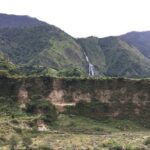
This is the day where you feel the elevation climb more clearly. You’re also trekking through dense forest and you can expect many waterfalls along the way. It’s one of the sections where the trail can feel lush and alive, but also slippery if conditions are wet.
Why Deurali works as a stop: by the end of the day, you’re positioned for the big shift on Day 3—getting into higher, colder zones and aiming toward Annapurna Base Camp.
Day 3: Deurali to Annapurna Base Camp via Machhapuchhre Base Camp
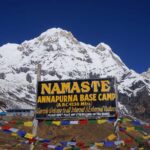
Day 3 is the big one: Deurali to Annapurna Base Camp (10–11 km, 5–6 hours). You pass via Machhapuchhre Base Camp (MBC) and then continue on to ABC. Your max altitude lands at 4,130 m, so this is where breathing and cold become real.
Along the approach you’ll notice the environment tightening: less “warm forest” and more exposed, higher-elevation hiking. The MBC valley is also a psychological marker. You’re not just climbing; you’re reaching a zone that feels purpose-built for mountain views and high-altitude trekking.
You finish at tea houses at ABC. This is the day where you’ll likely:
- slow your pace slightly (that’s normal at higher altitude)
- spend more time watching the sky and clouds for breaks in visibility
- feel the payoff immediately, even if you’re tired
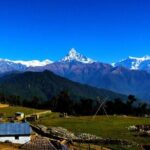
A quick reality check: at ABC, weather can be a wild card. If you get clear views, they tend to feel unforgettable. If it’s foggy, you’ll still be in the exact environment you came for—just without the full “wow” moment every minute.
A few more Pokhara tours and experiences worth a look
Day 4: Sunrise at ABC, then the Long Return to Bamboo/Sinuwa (and Dobhan)
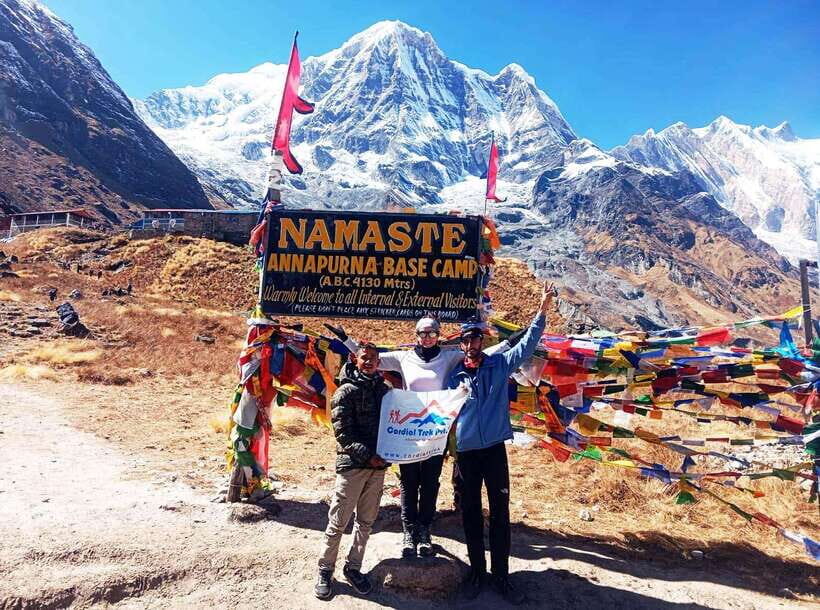
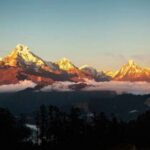
Day 4 starts with one of the best reasons to do a trek like this: a sunrise view at ABC in the morning. After that, you hike back to Bamboo/Sinuwa (12–14 km, about 7–8 hours) via Deurali, Himalaya, and Dobhan. Min altitude is roughly back to 2,340 m.
This is the day that tests legs. The distance is longer than the earlier days, and the descent plus repeated climbs can be harder on your knees than you’d expect.
Why I still like Day 4: returning through the same overall corridor lets you “see the route twice.” You’ll recognize landmarks, understand the rhythm of the valley, and appreciate how each stop connects.
What makes this day practical is also what makes it mentally tough:
- You’re moving a lot, and you don’t get to linger endlessly.
- You’ll likely feel the cumulative fatigue from Day 1–3.
So plan your energy like a pro: short breaks, steady hydration, and keep snacks simple and quick.
Day 5: Jhinu Danda Hot Springs Soak, Then Back to Pokhara by Late Afternoon
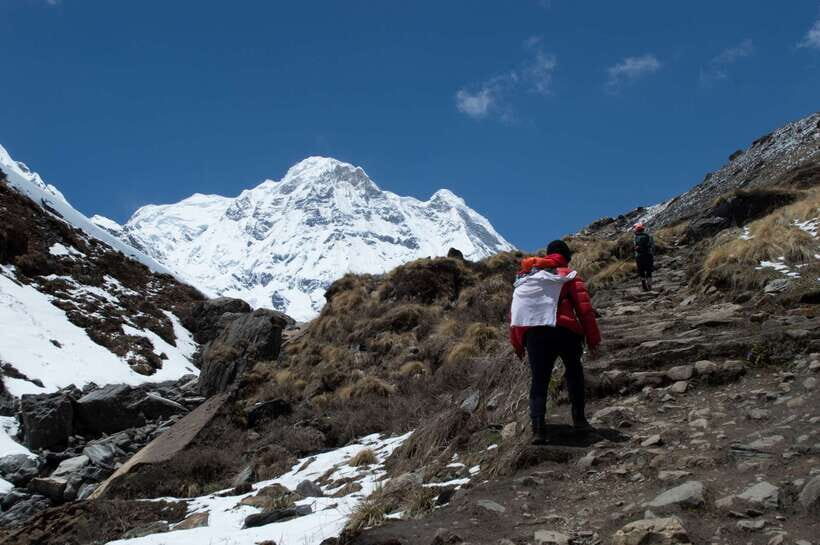
Your final trekking day goes from Bamboo/Sinuwa to Simrung via Jhinu Danda, including time for the hot springs. It’s about 7–8 km, 4–5 hours, and you then drive back to Pokhara (2–3 hours). The drop is dramatic: min altitude around 830 m.
Jhinu Danda is where the trek turns from “all effort” into “reward.” After days of cold air and gravity-assisted sore muscles, soaking in natural hot springs is the kind of reset your body doesn’t forget.
You should also be aware of the pacing of the day: you want to arrive ready for the drive and not feel rushed at the end. The schedule aims to drop you in Pokhara no later than 17:00. If you have onward flights, the timing matters.
Price and Value: What $96 Covers (and What You’ll Pay Extra)
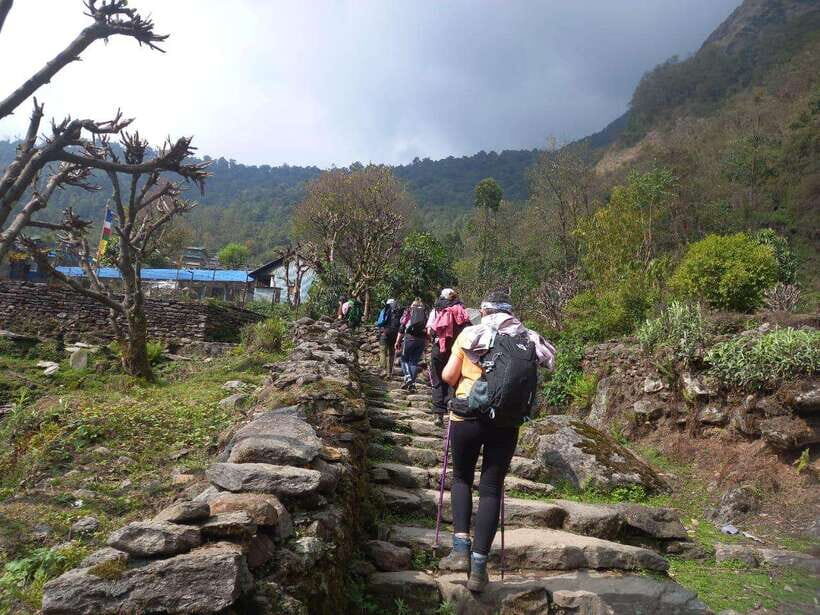
At $96 per person for a 5-day ABC trek, the value comes from the built-in structure. You’re not just paying for “a route”—you’re paying for a bundle of items that normally take extra coordination:
- licensed guide support
- guest house accommodation for four nights
- trekking permits
- core transfers and transport routing from Pokhara (and flights if selected)
- loaner equipment (down jacket, sleeping bag, trekking poles)
- water purification tablets as needed
- first aid coverage
Meals are included in the described package when you choose the all-inclusive option (4 breakfasts, 5 lunches, 4 dinners are listed for that case). If you’re on a budget or a one-way Kathmandu option, meals may require add-ons—so check your chosen level before you pack your appetite.
What’s not included is also important. You’re responsible for:
- personal expenses and extra drinks/snacks
- hot showers, Wi-Fi, and battery charging
- travel insurance (recommended)
My advice: if you can’t comfortably cover the extra costs for hot showers or charging, plan around that. On the trail, convenience extras are often paid separately, and that can add up without you noticing.
Gear and Weather: What to Bring so You Don’t Hate Your Trek
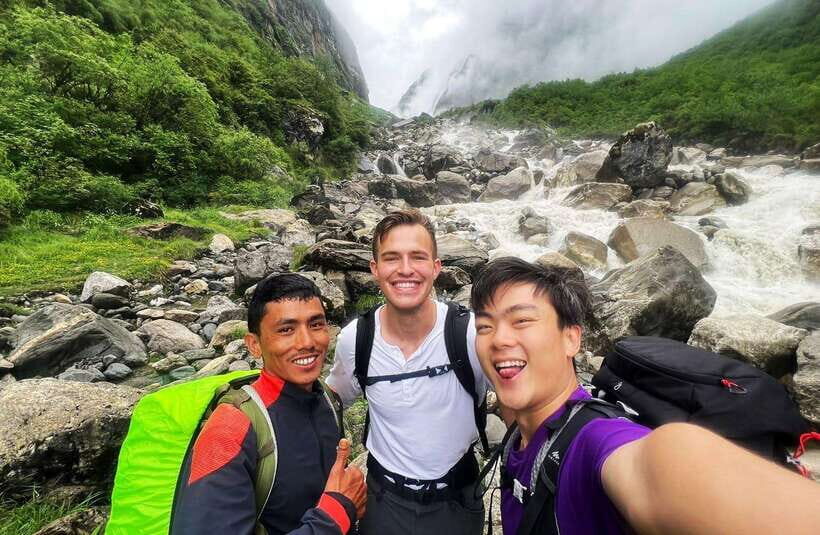
You’ll climb from lower elevations into a colder zone that can see freezing temperatures depending on season. The trip lists typical temperature ranges by season:
- Spring/Autumn: lows around -3°C to 3°C, highs roughly 2°C to 20°C
- Monsoon/Summer: lows around 0°C to 5°C, highs around 5°C to 22°C
- Winter: lows around -10°C to -2°C, highs around -5°C to 15°C
Even if you borrow a down jacket and sleeping bag, you still need to bring layers that work together. Here’s the practical checklist style that matches this trek:
- thermal base layers + warm hat and gloves
- high-ankle waterproof trekking boots (recommended) and warm socks
- trekking poles (borrowable, but if you already have good ones, bring them)
- sunscreen and sunglasses (high altitude + sun is a common combo)
- a small daypack plus water bottle or CamelBak
- passport copy and a recent passport-sized photo for permits (send at least one day ahead)
If you’re coming in rainy season, expect wet feet and slippery sections. You’ll be glad you packed extra clothes that can handle drying slowly.
The Human Side: Guides, Pace, and Feeling Safe on a Tight Schedule
The biggest repeat theme across guide names is simple: people feel cared for and safe, especially when the terrain or weather turns annoying.
In the names shared through the booking stories—Raju, Oham Raj Tamang, Narayan, Anil Sherpa, Pratip, Laxman, Dorjee, Smile, Subash, Bikash, and others—the pattern is consistent:
- the guide keeps an eye on pace and comfort
- they help you choose good dishes at tea houses
- they keep things calm if someone struggles
- they often add local context so the trek isn’t just walking in fog
That matters on ABC. When you’re tired and cold, information and reassurance help you keep moving safely instead of guessing.
If you’re a solo hiker, this support is even more important. A reliable guide can turn a difficult day into a manageable one.
Who This Trek Suits Best (and Who Might Want a Longer Route)
This 5-day ABC trek is best for:
- hikers who can handle long days and want a clear target
- people who like guided structure and don’t want to micromanage permits, permits, lodging, and logistics
- first-time trekkers who want an experienced team and loaner equipment
It’s not suitable for:
- people with mobility impairments
- people over 95 years
If you’re new to trekking and you’re unsure about your endurance, this trip can still work—just be honest with your fitness and don’t try to “power through” at high altitude.
Should You Book This 5-Day Annapurna Base Camp Trek?
Yes, if you want ABC within a short window and you’re comfortable hiking 5–8 hours most days. The value at $96, the inclusion of permits, licensed guidance, guest house nights, and loaner gear make it a strong option for travelers who want to reduce hassle.
Hold off (or consider a longer itinerary) if you want lots of time at altitude, you dislike long walking days, or you’re not prepared for cold and possible wet trail conditions. For ABC, weather can also be unpredictable—so if you need perfect visibility every morning, you may want more time buffer in your overall Nepal plan.
If you do book, my one best tip is this: prioritize foot comfort and layers more than you think you need. ABC rewards effort, but it also punishes bad boots.
FAQ
Is the trek starting point Kathmandu or Pokhara?
You can start from either Kathmandu or Pokhara. If you start from Kathmandu, you take a 30-minute flight to Pokhara as part of the trip option.
How high does the trek go?
The highest point listed for the trek is Annapurna Base Camp at about 4,130 m.
How long do the hiking days usually take?
Most trekking days are listed around 5–6 hours (about 10–11 km), with Day 4 being longer at about 7–8 hours (12–14 km) and Day 5 about 4–5 hours (7–8 km).
Will I get help with permits and trekking gear?
Yes. The trip includes necessary trekking permits, and equipment such as a down jacket, sleeping bag, and trekking poles are available to borrow at no additional cost.
Do I get meals during the trek?
Meals are included as described for the all-inclusive option (4 breakfasts, 5 lunches, and 4 dinners). If you choose other options, meals may not be included unless you add them on.
Is hot spring time included?
Yes. Day 5 includes trekking to Jhinu Danda and time for the natural hot springs.
What language will the guide speak?
The live guide is listed as English and Hindi.
What documents do I need to provide?
You’ll need to send a copy of your passport and a recent passport-sized photograph at least one day in advance for permit processing.