REVIEW · POKHARA
Langtang Valley Trek from Pokhara Nepal
Book on Viator →Operated by Nepal Mountain Club Pvt Ltd · Bookable on Viator
Fresh mountain air starts on day one. This trek is a smart way to see Langtang Valley without a huge time commitment, starting in Pokhara, adding Kathmandu, then hiking through classic stops like Lama Hotel, Langtang Village, and Kyanjing Gompa.
I especially liked how the trip logistics are handled for you: Mr Milan and other guides you may be assigned keep the paperwork moving smoothly (TIMS and national park entry fees), so you’re not stuck figuring out forms at the last second. I also like the pacing for this route: you get real altitude changes, plus a standout sunrise push to Kyanjing Ri rather than just doing an ordinary “walk and sleep” trek.
One thing to consider: the early start on Day 6 (going up around 4:00am) and the altitude jump up to 4600m mean you’ll want solid fitness and good acclimatization instincts, even though the overall plan is only about 8 days.
In This Review
- Key Things I’d Focus On
- Pokhara to Kathmandu: The Structure That Keeps Langtang Feasible
- Day 1: Pokhara pickup and the 7-hour tourist bus to Kathmandu
- Day 2: The 8-hour drive to Syabrubesi (1550m) and your first night
- Day 3: Lama Hotel (2450m) and the Langtang River corridor
- Day 4: Langtang Village (3430m) and the shift into higher country
- Day 5: Kyanjing Gompa (3730m), monastery vibes, and yak-cheese culture
- Day 6: Kyanjing Ri sunrise at 4600m, then descent back toward Lama Hotel
- Day 7: Thulo Syabru (2000m) and Tamang culture in motion
- Day 8: Dhunche (1800m) for a short finish, then a long drive back to Kathmandu
- Price and Logistics: Is $920 Good Value?
- The Guide Factor: TIMS, Permit Fees, and a Smooth Trek Rhythm
- Packing and Fitness: Making the 4600m Morning Work
- Best Fit: Who This Langtang Valley Trek Suits
- Should You Book This Langtang Valley Trek from Pokhara?
- FAQ
- What time does the trek start in Pokhara?
- How long is the trip, and how many trekking days are there?
- Is food included during the trek?
- What’s included in the trek price?
- Do I need a passport?
- Is this a private tour?
Key Things I’d Focus On
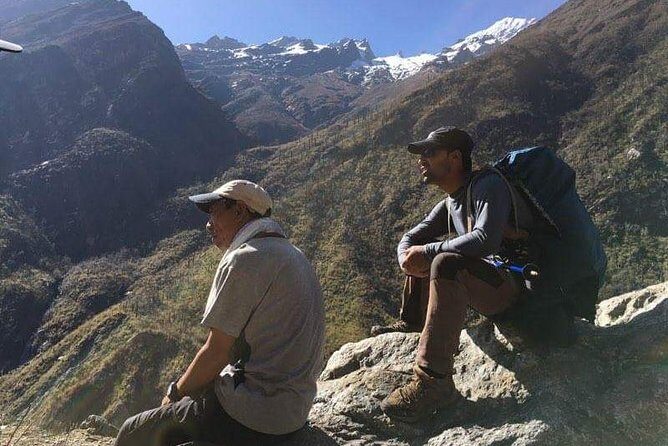
- A tight route with big scenery payoff: from Syabrubesi to Langtang Village, Kyanjing Gompa, and back via Thulo Syabru and Dhunche
- Real sunrise effort on Day 6: a short hike to Kyanjing Ri (4600m) for the best early views
- Guides who handle the admin: TIMS, national park fees, and organized flow through the trek
- Cultural stops that break up the hike: Buddhist monastery area near Kyanjing Gompa and a yak cheese factory stop
- Comfort choices at night: hotel nights in Kathmandu plus tea houses on trek days
- Private tour feel: you’ll do this as your own group, not a giant shared livestock pen
Pokhara to Kathmandu: The Structure That Keeps Langtang Feasible
This trek is built for people who want Langtang’s dramatic scenery without needing weeks. The schedule stitches together travel time and trekking time in a way that makes sense: Pokhara first, Kathmandu added, then you’re already in position to start hiking from Syabrubesi.
Here’s the core idea you should like: the trek itself is about 6 hiking days with nights in places like Lama Hotel, Langtang Village, Kyanjing Gompa, and Thulo Syabru, then a finishing day that drops you back down toward Dhunche and onward to Kathmandu. That structure helps you concentrate on the trail instead of constantly reorganizing your travel.
If you value a guide who is proactive, the reviews you can learn from point toward a strong fit. People highlighted Mr Milan for being friendly and organized—specifically making sure TIMS and park entry were handled without hassle—and another guide named Krishna got praise for being a great match for the trek. Even if your guide is different, this is the kind of service you’re likely signing up for.
Possible drawback: because the route is compact, you still get real elevation gains. You’re not doing “flat day, flat day” trekking. You’ll feel it, especially Day 3 through Day 6.
You can also read our reviews of more hiking tours in Pokhara
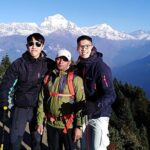
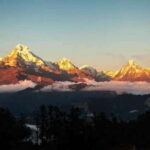
Day 1: Pokhara pickup and the 7-hour tourist bus to Kathmandu
The tour begins with pickup in Pokhara at 7:00am from the designated area. Then you take a scenic tourist bus ride to Kathmandu, about 7 hours.
Why this first day works: it prevents you from wasting energy on chaotic connections. You’re not trekking that day, but you are moving into position so the next morning’s drive can focus on reaching Syabrubesi.
What to watch: a long ride means you’ll want to pack snacks, water, and something warm. Kathmandu evenings can feel cooler than Pokhara, and you’ll also be tired from travel even if the day doesn’t include hiking.
You’ll sleep overnight in a hotel in the Thamel area (useful because it’s central and practical if you need anything small for the trek).
Day 2: The 8-hour drive to Syabrubesi (1550m) and your first night
Day 2 starts around 8:00am with pickup by your guide. Then you head out by scenic drive for about 8 hours to Syabrubesi, at 1550 meters, and sleep in a guest house.
This day is all about “getting to the trailhead the smart way.” Syabrubesi is your launching pad, and reaching it by vehicle saves you from spending your limited days slowly working upward from lower elevations.
How to use this day well: keep your walking light, stretch a bit, and treat the guest-house night as your body’s warm-up—not as the night to cram in extra activities. Even though Day 2 is mostly driving, you’ll be doing altitude change across the day.
Day 3: Lama Hotel (2450m) and the Langtang River corridor
On Day 3 you trek for about 7 hours. The route passes through Lama Hotel valley, with chances to enjoy green hills and the Langtang River along the way, before reaching Lama Hotel (2450m) for the night.
Why this day is a good start: it’s long enough to feel like a real trekking day, but it isn’t the most extreme elevation you’ll face. It gives your legs time to settle into rhythm, and your eyes get trained to the valley feel—riverside movement, hillside views, and a changing atmosphere as you gain height.
Possible drawback: a 7-hour day with elevation is still a workout. You’ll want steady pacing and a plan for how often you’ll stop. If you charge uphill, you’ll pay for it later.
Your night here is at a guest house. That matters because the facilities can vary, and tea-house living is not the same as hotel living. Bring patience and simple comfort items (more on that later).
Day 4: Langtang Village (3430m) and the shift into higher country
Day 4 is another trekking day of about 7 hours, taking you up to Langtang Village (3430m). You’ll keep enjoying green hills and the river scenery as you go.
This day is where the trek starts to feel more “high mountain.” Even if the trail is not technical, you’ll feel the altitude. Langtang Village sits at a higher elevation than yesterday by almost 1000 meters, so it’s a meaningful step.
What you’ll like here: Langtang Village is a classic staging point for understanding the life of the region—small communities, mountain routines, and how trails connect settlements. If you like places where daily life happens, this stop is more than a photo moment.
The draw: with that gain, you’ll want to pay attention to your breathing and avoid rushing to “tick the box.” This is one of those moments where being calm actually improves your experience.
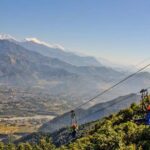
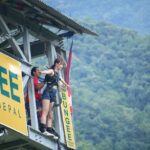
Day 5: Kyanjing Gompa (3730m), monastery vibes, and yak-cheese culture
Day 5 takes about 5 hours to reach Kyanjing Gompa (3730m). The day includes mountain-view energy, plus a couple cultural breaks: a stop connected to cheese (from yak) factory and time near a Buddhist monastery.
Why I think this is one of the best-balanced days: you get shorter hiking time than earlier days, but you still climb and you get experiences that add texture beyond scenery. A yak-cheese factory stop is exactly the kind of practical, local detail that makes the trek feel grounded. You’re seeing a small piece of how people survive and trade goods in the high country.
What to watch: because the hiking is shorter, it can be tempting to move faster to maximize time at the viewpoints. Don’t ignore altitude—shorter doesn’t mean easy.
You’ll sleep in a tea house on this night.
Day 6: Kyanjing Ri sunrise at 4600m, then descent back toward Lama Hotel
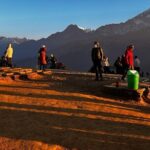
This is the headline day. You start early at around 4:00am with a small hiking push to Kyanjing Ri (4600m) for sunrise views over snow-capped peaks. After the viewpoint, you begin descending and trek for about 7 hours to Lama Hotel for the night.
This day is special for two reasons. First, sunrise is one of the most reliable ways to get clarity in mountain weather and light. Second, the effort is concentrated: you make the climb early, then you shift into descent mode.
Practical note: early starts feel easier before you do them. Bring warm layers, because mornings at higher altitude can get cold fast. Also pace the climb to the viewpoint—you don’t need to sprint. Consistency beats speed at altitude.
Possible drawback: the day mixes a high-altitude effort with a long descent. Your legs will feel it by the end. If you’re sensitive to fatigue, you’ll want to build in a slower early pace.
Day 7: Thulo Syabru (2000m) and Tamang culture in motion
On Day 7 you trek to Thulo Syabru (2000m) in about 5 hours. The day is geared toward exploring Tamang culture, heritage, and local lifestyle.
This is the day I’d call “human scale” after all that elevation-building. You’ll be stepping into lower altitude again, which can make walking feel easier physically. It’s also when cultural understanding becomes less about stopping for a landmark and more about watching how life continues along the trail.
What to do: be curious and ask questions through your guide. You’ll get more out of the day if you treat it like a conversation rather than a sightseeing checklist.
Night is in a guest house.
Day 8: Dhunche (1800m) for a short finish, then a long drive back to Kathmandu
Day 8 begins with a trek of about 2 hours to Dhunche (1800m). Then your driver takes you back to Kathmandu, about 7 hours, where the tour ends with drop-off back at your hotel.
Why this ending is comfortable: you’re not facing a last-day mega climb. You do a short finish walk, then you shift back into vehicle mode for the long return.
What you’ll likely appreciate: after multiple days at altitude, that last drive feels like a reward. It’s also long enough that you’ll want to keep your essentials accessible—snacks, water, and a layer for the ride.
Price and Logistics: Is $920 Good Value?
At $920 per person, the value here comes from what’s actually included, not just the trekking name.
Included basics that matter:
- Accommodation: hotel in Kathmandu and tea houses/guest houses during the trek as per the schedule
- Professional trekking guide
- National park fees and permits (TIMS and permit fees are included)
- Hotels and transfers: hotel pickup and drop-off, plus transport by private vehicle
- Pokhara to Kathmandu by tourist bus and round-trip private transfer components
Not included:
- Food and drinks, which you buy along the way
- Rescue cost in an emergency
So what does this mean for you? You’re paying for a guided, permission-compliant trek with lodging already arranged. That can be a big deal in Nepal, where trying to self-arrange permits and coordination at the last minute can turn into stress.
If you’re comparing it to a DIY approach, the cost difference buys you time, reduced confusion, and the comfort of a guide who keeps the flow moving—something that’s come through clearly in the feedback about guides being competent and friendly, including Mr Milan and Krishna.
One caution on “value”: if you’re a picky eater or plan to buy lots of drinks each day, your final spend could creep up because meals are not included.
The Guide Factor: TIMS, Permit Fees, and a Smooth Trek Rhythm
A guided trek changes your day-to-day reality. Instead of juggling route decisions, questions about permits, and basic logistics, you’re focusing on walking and enjoying stops.
In the feedback, guide competence popped up again and again. People specifically noted that organizing things like TIMS and national park entry fees was handled smoothly, with no drama. That’s exactly the kind of behind-the-scenes competence that improves your experience, especially if you’re visiting for the first time.
You’ll also notice that the itinerary is structured as a chain: bus to Kathmandu, drive to Syabrubesi, then consistent day-by-day trek transitions with overnight stays. That structure works best when your guide is organized.
Packing and Fitness: Making the 4600m Morning Work
You don’t need to be an athlete, but you do need to be realistic. The tour calls for moderate physical fitness, and the itinerary supports that idea: several days of trekking around 5–7 hours, plus a Day 6 climb to 4600m.
Packing logic for this route (based on what the schedule demands):
- Warm layers for 4:00am start and cold higher-altitude mornings
- A plan for hydration during long hiking days (especially Day 3, Day 4, and the Day 6 descent)
- Comfortable hiking shoes that work for rocky or uneven ground
- Basic rain protection, because mountain weather can shift quickly
Fitness strategy:
- Keep a steady pace on the climbing days (especially Day 3 to Day 4)
- On the sunrise day, focus on breathing and rhythm, not speed
- After long descent on Day 6, prioritize rest and early sleep on the tea-house/guest-house nights
Best Fit: Who This Langtang Valley Trek Suits
I think this tour is a strong fit if you:
- Want a guided Langtang itinerary that works with limited time
- Prefer a well-planned route that includes lodging and permission costs
- Like cultural stops (cheese factory and Buddhist monastery area near Kyanjing Gompa, plus Tamang culture time near Thulo Syabru)
- Feel comfortable with moderate trekking days and an early sunrise push
It may be less ideal if you:
- Hate early mornings or cold mornings at altitude
- Want a totally relaxed trek with almost no elevation effort
- Are hoping meals are fully included (they aren’t)
Should You Book This Langtang Valley Trek from Pokhara?
If your goal is to see Langtang Valley’s highlights—Syabrubesi, Lama Hotel, Langtang Village, Kyanjing Gompa, and the Kyanjing Ri sunrise viewpoint—in about a week, I’d say this is a practical choice. The included permits and guided setup are a real time-and-stress saver, and the itinerary has enough variety to keep it interesting on day after day.
Before you book, ask yourself one simple question: can you handle an early 4:00am start and a big altitude day around 4600m? If yes, you’re in the right place. If not, you may want a longer, more gradual plan instead.
FAQ
What time does the trek start in Pokhara?
Pickup in Pokhara is scheduled for 7:00am, with the tour starting from Pokhara (meeting point is listed as Pokhara, Gandaki Zone, Western Region).
How long is the trip, and how many trekking days are there?
The itinerary runs for about 8 days. The hiking portion spans multiple days: Day 3 through Day 8 includes treks, with driving days on Day 1 (to Kathmandu) and Day 2 (to Syabrubesi).
Is food included during the trek?
No. Food and drinks are not included, but they are available for purchase.
What’s included in the trek price?
Included items cover accommodation (hotel in Kathmandu and tea house/guest house nights as per the itinerary), TIMS and national park permit fees, a professional trekking guide, hotel pickup and drop-off, transfers, taxes/fees, and Pokhara to Kathmandu by tourist bus.
Do I need a passport?
Yes. A valid passport is required on the day of travel, and you must provide passport details when booking, along with a scanned copy and a digital photo-sized scan prior to the trip.
Is this a private tour?
Yes. It’s listed as private, so only your group participates. Children must be accompanied by an adult.