REVIEW · POKHARA
Poon hill Trek 3 days
Book on Viator →Operated by Nepal Wilderness Trekking · Bookable on Viator
Three days can change how you see the Himalayas. This Poon Hill sunrise trek delivers big views in a short window, with Annapurna on full display at first light. It’s also built for real hikers, not just photo-stops, with a max 12-person small group and guide-led support from start to finish.
I also love how much is handled for you: an expert guide organizes the days, you get breakfast/lunch/dinner during the trek, and there’s a porter setup (1 porter for every 2 pax) so you can focus on walking. The main drawback is simple: the climb is very step-heavy on day one, including 3000+ steps toward Ulleri, so you’ll want a moderate fitness base and a steady pace.
In This Review
- Key things to know before you go
- Why Poon Hill Sunrise Is the Whole Point
- Day One: Ulleri’s Step Challenge and Mountain Villages
- Day Two: Rhododendrons, Big Valley Views, and Guided Comfort
- Day Three: The Sunrise Panorama Over Annapurna and Beyond
- Price and Logistics: What $230 Actually Buys You
- Accommodation and Food: Clean, Simple, and Built for Fuel
- Guide and Porter Support: The Difference Between Struggling and Enjoying It
- What to Pack for a 3-Day Poon Hill Trek
- Who This Trek Suits Best (and Who Should Think Twice)
- Should You Book This 3-Day Poon Hill Trek?
- FAQ
- How long is the Poon Hill Trek in this 3-day package?
- What permits are included?
- Do you get pickup from Pokhara?
- What group size should I expect?
- Are meals and trekking gear included?
- Is this trek refundable if I cancel?
Key things to know before you go
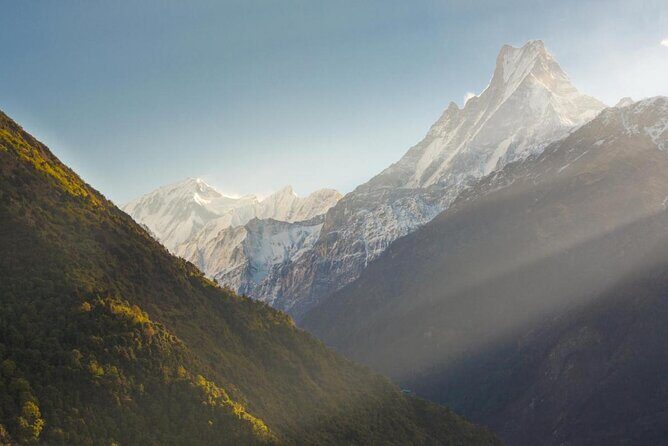
- Annapurna sunrise is the headline: expect early morning hiking to Poon Hill for wide mountain views
- Small-group trekking (up to 12 people) keeps the day calmer and easier to manage
- Guides set your pace: one guide example you’ll hear about is Sabin, praised for being attentive and timing breaks well
- Rhododendron season vibes: the route includes colourful rhododendrons and classic mountain flora
- Porters for lighter loads: 1 porter for every 2 trekkers helps you avoid hauling heavy bags
- Winter-ready gear is included: micro spikes are provided for Dec–Feb, plus hiking poles
Why Poon Hill Sunrise Is the Whole Point
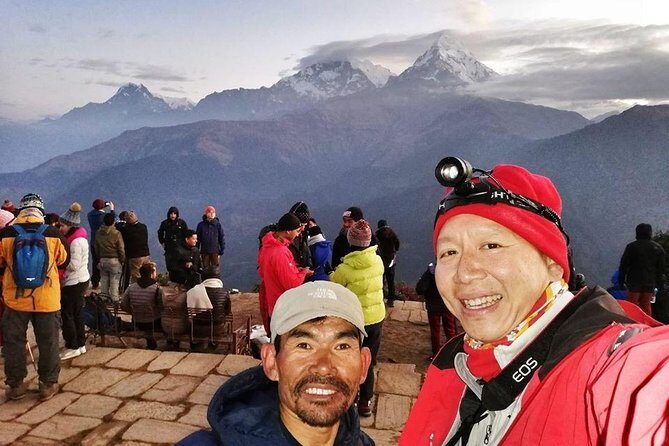
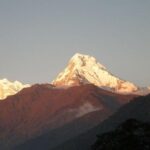
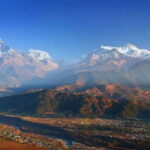
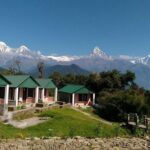
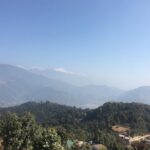
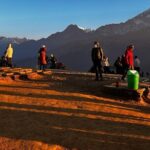
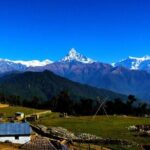
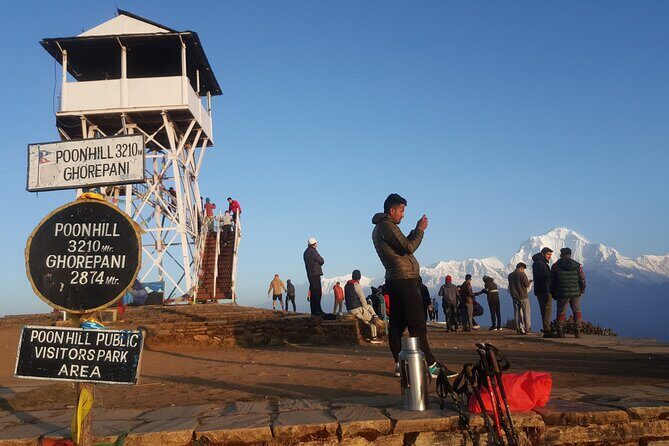
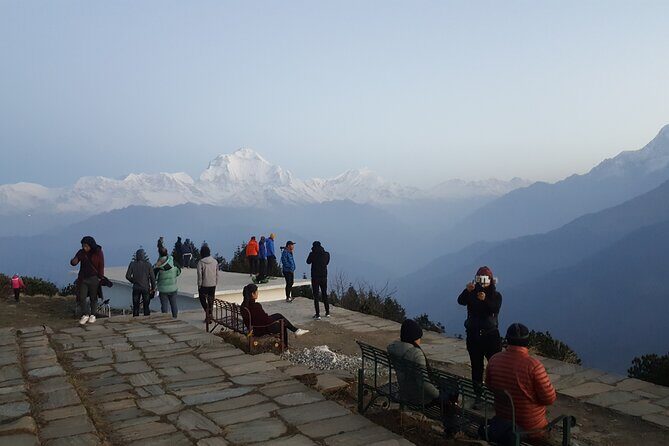
If you’re after one moment that makes the work worth it, this trek delivers. Poon Hill is famous for sunrise views, with Annapurna I, II, and III showing up along with a wide cast of peaks on a clear morning. You’re not just looking at one mountain—you’re getting a whole “spot the skyline” panorama.
From the high viewpoint area, you can see names like Dhaulagiri Himal (8167m) and Tukuche Peak (6920m) in addition to Annapurna. The view also includes the Kali Gandaki Valley, the Jomsom horizon, and other highlights such as Mardi Himal, Manaslu Himal, Nilgiri, and Khopra danda. That’s a lot of drama for a short trek.
Here’s the practical part: you’ll want to dress for cold early starts, and you’ll want layers you can adjust fast. Sunrise mornings can be crisp, and moving from warm base camp conditions to cold mountain air can make or break your comfort.
You can also read our reviews of more hiking tours in Pokhara
Day One: Ulleri’s Step Challenge and Mountain Villages
Day one has the most “work” in it. Be ready for the 3000+ steps leading up toward Ulleri, which makes this trek feel like a proper hike even though it’s only three days. If you’re the kind of person who likes to walk steadily rather than sprint uphill, you’ll match the rhythm well.
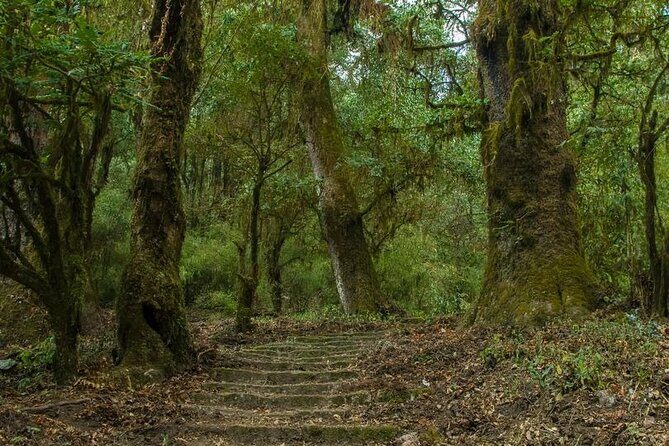
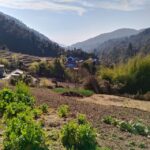
This isn’t a trail where you’ll be spending long stretches staring at your feet. The route passes through areas connected to Gurung and Magar villages, so the day has that real community feeling—not just hiking in a vacuum. You’ll also be moving through zones associated with mountain flora, including colourful rhododendrons, which can lift the mood after the initial effort.
The biggest trick for day one is pacing. The good news is that the guide plans around your pace and includes breaks, so you’re not forced into a pushy group tempo. One guide example that stands out is Sabin, who’s noted for being attentive and letting trekkers keep their own speed.
Day Two: Rhododendrons, Big Valley Views, and Guided Comfort
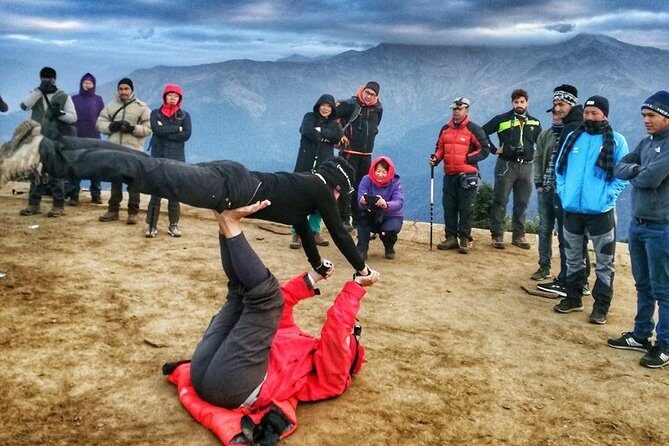
Day two is where the trek turns from a steep grind into sustained hiking with scenery that keeps rewarding your effort. You’ll keep moving through mountain vegetation, including rhododendrons, which are part of the trekking feel here—especially when colors pop against the mountain air.
As you go, you also get sightlines that connect the smaller trail experience to the bigger geography. The panoramic notes for this route include the Kali Gandaki Valley and the Jomsom horizon, which helps you understand where you are in the Annapurna region. Even if the weather isn’t perfect, you still get that sense of depth and direction.
What makes day two smoother is that your guide isn’t just there to walk beside you. The guide organizes the pace and manages the basics: accommodation and meals are taken care of for the group, and you’re supported by a porter system that reduces what you have to carry. That combination matters because it lets you hike more comfortably and spend your energy on the trail instead of logistics.
Also, because this is a small group, you’re less likely to feel like you’re being dragged along or constantly waiting for a large pack. With up to 12 people, the day tends to flow.
Day Three: The Sunrise Panorama Over Annapurna and Beyond
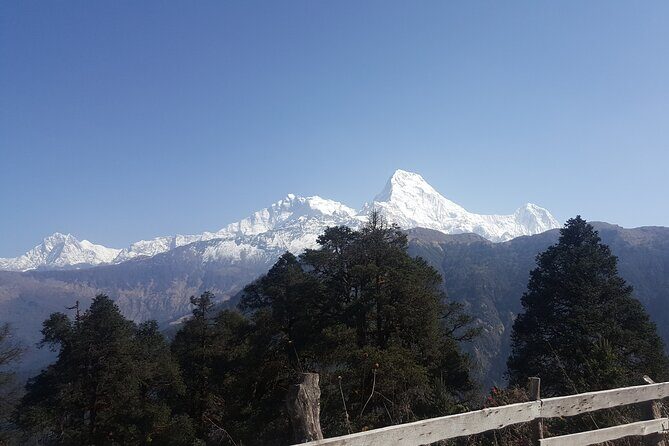
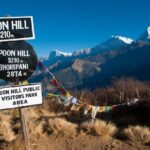
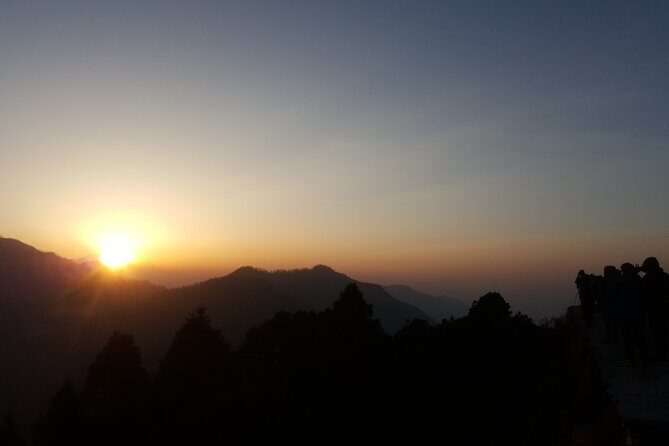
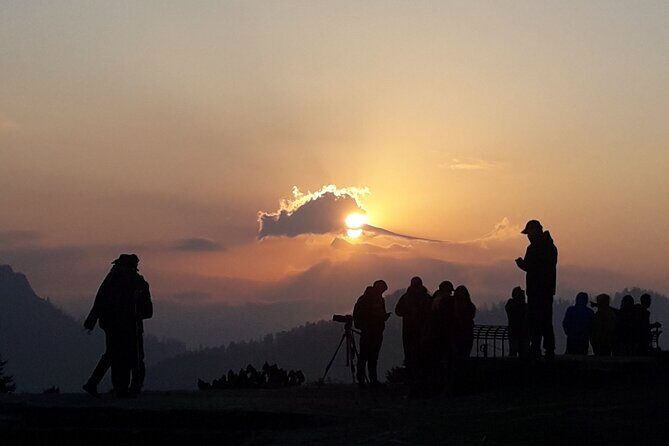
Day three is the payoff day. The goal is to reach the viewpoint in time to see sunrise from Poon Hill, which is where the trek earns its reputation. When the skies cooperate, the peaks look sharp and close, and Annapurna’s presence becomes real rather than just a name.
You’re looking for a wide scene. The viewpoint area is associated with many major peaks and features, including Annapurna I, II, and III, Dhaulagiri Himal, and Tukuche Peak, plus Mardi Himal and Manaslu Himal. The view directions also tie back to Nilgiri and Khopra danda, and you can spot the valley and horizon lines toward Kali Gandaki and Jomsom.
Weather matters here. The trek’s best moments often hinge on cloud cover at the top. One standout detail from the trek experience is that clear skies were a factor when people reached the summit area, which turned the morning into the full show. So go in with the right mindset: you can’t control clouds, but you can control layers, pace, and patience.
If you’re the type who gets anxious about timing, don’t. The trek is designed around having a guide and group rhythm. And when you reach the top, you’ll feel why this route is so popular for a short trek.
Price and Logistics: What $230 Actually Buys You
This trek costs $230, which is a reasonable price for a three-day guided trek when you look at what’s included. You’re paying for an expert guide, group management, permits, and the core costs that make a Himalayan trek run smoothly.
What’s included:
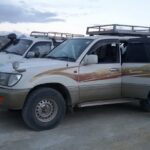
- Private transportation
- Breakfast, lunch, and dinner during the trek
- ACAP permit and TIMS permit
- Expert guide
- 1 porter for every 2 pax
- Kit bag
- Micro spikes for Dec to Feb
- Hiking poles
What’s not included:
- Soft drinks and alcoholic drinks
- Hotel in Pokhara
- Tips for guide and porter
That inclusion list is the key to the value. Permits and a guide can be expensive add-ons if you do it independently. The porter ratio also reduces cost for you in a very practical way: you’re not paying extra to keep your bag light. And if you’re trekking in the colder months, having micro spikes provided for Dec–Feb is a tangible savings and safety boost.
One more practical note: pickup is offered, and the meeting point is near public transportation. That helps if you’re already in Pokhara and don’t want to build a complicated plan before the trek.
A few more Pokhara tours and experiences worth a look
Accommodation and Food: Clean, Simple, and Built for Fuel
You’re not signing up for luxury here, but you are signing up for convenience. Your guide organizes accommodation and meals for the group, which means you don’t spend your energy hunting for beds or figuring out what to eat after a long day of steps.
The food is meant to keep you moving. Since breakfast, lunch, and dinner during the trek are included, you get consistent energy timing, which matters once you’re working through fatigue. It’s also part of what makes this trek a good “first Himalayan experience” type—no scramble, no guesswork.
People also noted that the stays were clean and comfortable, and that the food tasted good. Those are exactly the kinds of details you want on a trek like this, because comfort at night equals better mornings.
Guide and Porter Support: The Difference Between Struggling and Enjoying It
This trek stands or falls on pace and support, and that’s where the structure helps. You’ll travel with an expert guide and a porter system that supports trekkers directly. With 1 porter for every 2 pax, you’ll typically carry less, which helps your legs recover faster between walking sessions.
In real life, the guide’s job is not just pointing out the way. The guide also manages breaks and helps you keep a steady pace so you don’t blow up early. One named guide who’s been praised for this kind of pacing approach is Sabin, specifically for being attentive, knowledgeable, and willing to work around your own speed.
So if you’re nervous about keeping up, don’t be. You’re not expected to match a super-athlete tempo. This is a trek where the goal is to enjoy the views while still earning them.
What to Pack for a 3-Day Poon Hill Trek
Since the trek includes hiking poles and (in Dec–Feb) micro spikes, you can travel a bit lighter than you might on your own. Still, you’ll want to show up ready for early mornings and temperature shifts.
A safe packing approach:
- Warm layers for sunrise and cold mornings
- Comfortable hiking shoes with good grip for steps
- A daypack for your essentials (you’ll likely keep the heavy stuff off your back)
- A light rain layer, since mountain weather can change quickly
- Sun protection for daytime walking
Also think about how you handle stairs. Day one includes 3000+ steps, so consider clothing and footwear that won’t rub when you’re walking uphill for longer stretches.
Who This Trek Suits Best (and Who Should Think Twice)
This is a great option if you have moderate fitness and you want a short Himalayan trek with a real summit moment. The step-heavy nature of day one makes it a challenge, but it’s also manageable with the pacing support of your guide and the help of porters.
You’ll likely enjoy it most if:
- You want one of Nepal’s most popular short treks
- You’d rather have a structured plan than DIY logistics
- You care about a sunrise view and the effort that goes into earning it
- You prefer a small group (max 12)
Think twice if:
- You have trouble with steep stair sections or prolonged uphill walking
- You’re expecting a totally flat walk
- You dislike early starts (this trek is built around sunrise)
Should You Book This 3-Day Poon Hill Trek?
If you want a high-reward trek without spending a week in transit and planning, I’d lean yes. For $230, you get a guided, permit-supported experience with meals, transportation, porter support, and even micro spikes for winter months. That combination is what makes this trek feel like good value rather than just a budget pitch.
Book this trek if Annapurna sunrise is your priority and you’re comfortable working through a big step day toward Ulleri. Skip it if you want something mostly easy and leisurely, because the trail rhythm here is clearly step-driven.
If you’re choosing between “do it yourself” and “let someone manage it,” this is the kind of short trek where guided support pays off fast: you’ll spend more time hiking and less time figuring out the rest.
FAQ
How long is the Poon Hill Trek in this 3-day package?
The duration is listed as about 15 to 18 hours total.
What permits are included?
The tour includes the ACAP permit and TIMS permit.
Do you get pickup from Pokhara?
Pickup is offered, and private transportation is included.
What group size should I expect?
This is a guaranteed small-group tour with a maximum of 12 travelers.
Are meals and trekking gear included?
Breakfast, lunch, and dinner during the trek are included. Hiking poles are included, and micro spikes are included for Dec to Feb. Accommodation is organized by the guide, while the hotel in Pokhara is not included.
Is this trek refundable if I cancel?
No. This experience is non-refundable and cannot be changed for any reason.