REVIEW · POKHARA
3 Days 2 Nights Poon Hill Trekking
Book on Viator →Operated by Peak to Peak Tours and Treks Pvt Ltd · Bookable on Viator
Three days, and the mountains show up. This Poon Hill trekking trip is a picture-perfect way to get close to the Annapurna region, with Poon Hill sunrise as the big payoff and careful local help from coordinators like Madhu Sudan Dahal. One watch-out: it’s a trek with a moderate fitness expectation, so plan for uphill days and early starts.
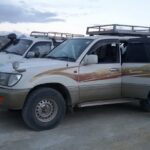
What I like is how permits, entry fees, and a licensed mountain guide are handled for you, plus the trip includes private transportation. That means you’re spending your energy on the trail, not logistics, and it runs as a private activity with only your group.
The route also mixes mountain views with real village life, including dense evergreen forest walking and time in Ghandruk in the Himalayan foothills. You’ll go through classic tea house trekking rhythms on the way, then finish with the hike down toward Nayapul.
In This Review
- Key highlights worth planning around
- Poon Hill sunrise: the reason most people pick this route
- What $228.47 covers (and why it’s not just a basic hike)
- Day 1: from Pokhara toward Uleri, then up to Ghorepani
- Day 2: early trek to Poon Hill, then a descent into Ghandruk
- Day 3: the Ghandruk to Nayapul walk and the finish in Pokhara
- The guide side: how hospitality and local knowledge affect your days
- Packing and pacing: what to plan so the trek stays enjoyable
- Tea house stays: simple, practical, and part of the trek style
- Who this trek suits best
- Should you book this Poon Hill trek with Peak to Peak Tours and Treks?
- FAQ
- How long is the Poon Hill trek package?
- What is the price per person?
- Does the tour include pickup from Pokhara?
- Are permits and entry fees included?
- Is a licensed mountain guide provided?
- Is accommodation included during the trek?
- What’s not included in the package price?
- What is the cancellation policy?
- Is the trek suitable for everyone?
Key highlights worth planning around
- Poon Hill sunrise is the headline, with an early-morning push timed for big views
- Ghandruk village time gives you culture between mountain scenes
- Tea house accommodation during the trek keeps the itinerary simple
- Licensed mountain guide + permits remove a lot of the typical hassle
- Hospitality and coordination have been repeatedly praised, including support linked to Madhu Sudan Dahal and Ravi Gyawali
Poon Hill sunrise: the reason most people pick this route
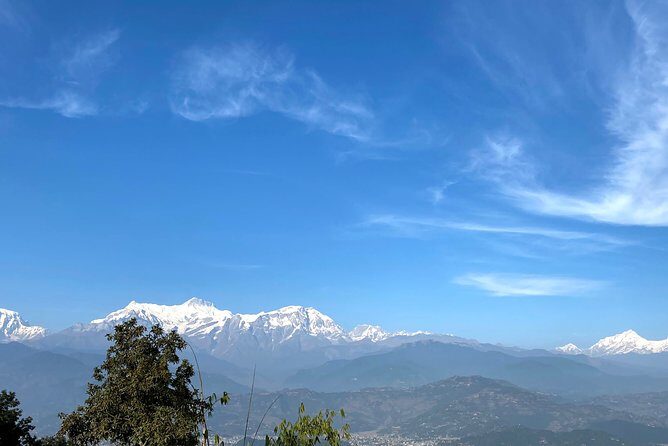
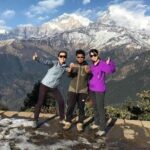
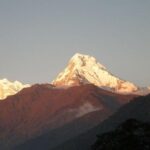
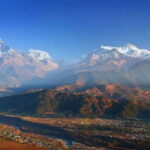
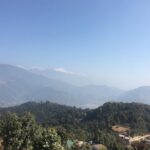
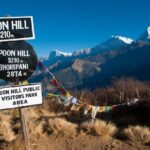
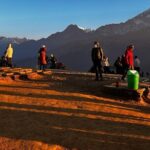
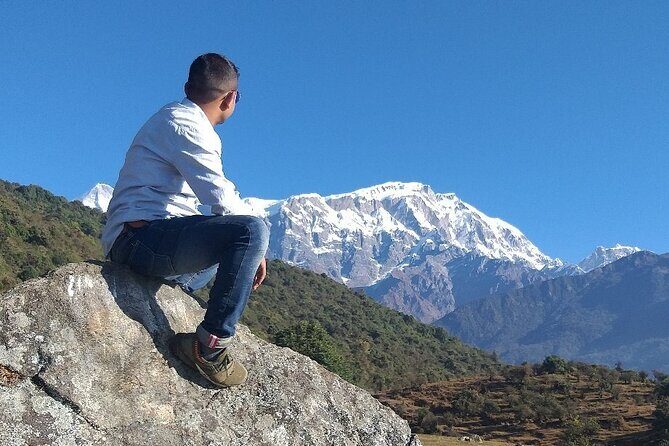
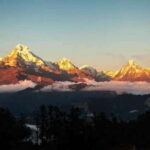
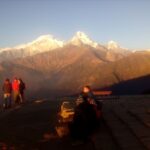
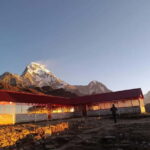
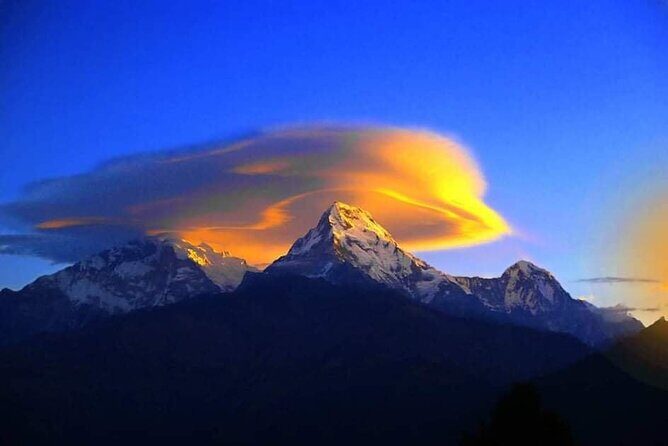
Poon Hill is famous for a reason. On this trek, you get up very early and climb just enough to reach the viewpoint before the light settles in. When it works, the payoff is huge: snow-capped peaks turning bright, a layered panorama, and that moment where everyone goes quiet and just looks.
This is also a good trek format if you’re not trying to suffer for a week. In about three days, you cover the classic arc: climb into the foothills area, wake up for sunrise at the famous point, then work your way back down while still getting meaningful mountain views along the way.
One practical note: sunrise means cold air and quick timing. Plan to bring warm layers, because even if the days are comfortable, mornings near the viewpoints can feel chilly fast. And since the trek starts early, having meals lined up the night before helps you avoid scrambling for breakfast.
You can also read our reviews of more hiking tours in Pokhara
What $228.47 covers (and why it’s not just a basic hike)
At $228.47 per person for roughly three days, the value here comes from what’s included—not just the walking. Your package covers private transportation, guide expenses, and a licensed mountain guide, plus all fees and taxes and the permits/entry fees needed for the trek area.
It also includes tea house accommodation during the trekking. That matters because it reduces the usual uncertainty of where you’ll sleep and whether your route actually has places to stop each night. You’re still buying food and drinks separately, but at least the bed part is handled.
What’s not included is the part you should budget for up front:
- Food and drinks (available on purchase along the route)
- Rescue cost in an emergency
- Gratitude (optional)
So think of the price as paying for a smooth, managed trek: the transport, the guide, the legal paperwork, and the overnight plan. If you already know how to self-organize permits and lodging, you could probably do it cheaper alone. But for most first-timers, that structure is what makes this feel hassle free.
Day 1: from Pokhara toward Uleri, then up to Ghorepani
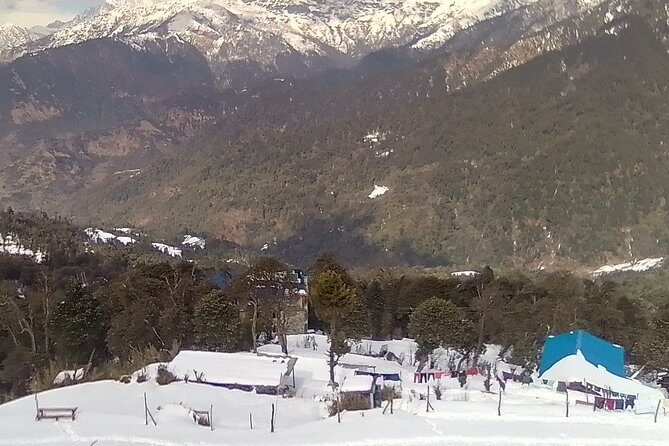
Your trek starts with a drive out of Pokhara to Uleri. That transfer is more than just convenience. It saves you from wasting your first day hiking in travel fatigue, and it helps the trek feel like a real itinerary rather than a random walk.
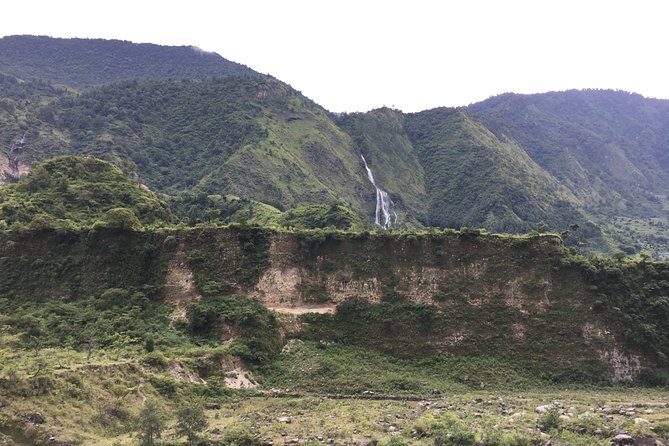
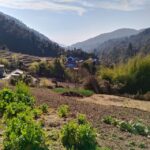
From there, you hike onward to Ghorepani. This is your first climb into the trekking rhythm: steady uphill effort, frequent chances to pause, and forested paths that feel greener and cooler than the valley. One of the nice aspects of this section is that you’re in dense lower Himalayan evergreen forest walking, which gives the trail texture beyond just mountain photo stops.
Ghorepani is also your base for the next day’s sunrise mission. You’ll want to treat tonight like staging for an early wake-up: keep a layer ready, get yourself rested, and don’t over-plan your evening. Tea house nights are part of the trekking style here, and that’s the easiest way to stay on schedule for Poon Hill.
Day 2: early trek to Poon Hill, then a descent into Ghandruk
Day two is the classic Poon Hill rhythm: start early, hike toward the viewpoint, catch sunrise, and then move onward. This is the day people remember most, because it combines the big view moment with a real trekking day after it.
The sunrise timing is the point of the plan. You’re doing the hike while it’s still dark or just barely light enough to move comfortably, then watching the sky and peaks change. If you’re sensitive to cold mornings, dress in layers. If you hate carrying too much, keep it simple: warm top, a rain shell if you have one, and comfortable footwear.
After the sunrise, you head back down and onward to Ghandruk, a traditional village in the Himalayan foothills. That’s where the trek shifts from pure viewpoint chasing to something more human. You’re walking through an inhabited area, not just passing scenery, and the guide’s explanations can make the village feel less like a stop and more like a place with context.
This part of the day can also be emotionally satisfying: you get the dream view early, then spend the rest of the day still moving and still seeing mountains, without needing to chase another summit.
Day 3: the Ghandruk to Nayapul walk and the finish in Pokhara
The third day is the descent-focused wrap-up. You hike from Ghandruk to Nayapul, working your way down from the village zone toward the lower trails and out of the trekking area.
Even if it feels easier than day two, don’t treat it like a stroll. Descents still wear down your legs, especially if you’ve been carrying layers and walking a lot in the previous days. Take shorter steps, watch your footing, and go slow on uneven sections. Your goal is to arrive feeling good, not just arrive.
Once you’re back toward Nayapul, you finish with the tour’s transportation back to the Pokhara area. That handoff is part of what makes the trek feel hassle free: after the final stretch, you’re not stuck figuring out what comes next.
A few more Pokhara tours and experiences worth a look
The guide side: how hospitality and local knowledge affect your days
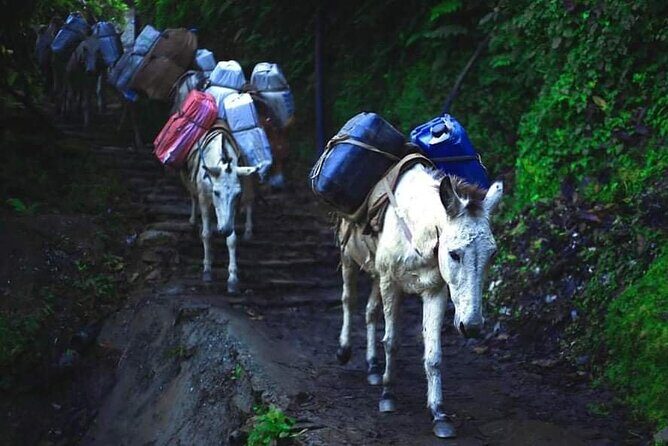
On a short trek, the guide can make or break the experience. Here, the guide is a central part of the value. You’re not just led along a trail—you get information about culture, people, and terrain, which helps you understand what you’re walking through and why the route follows the shape it does.
The hospitality angle comes up repeatedly. Support from the company side has been associated with people like Madhu Sudan Dahal, and one review specifically thanked Ravi Gyawali for making the trip run well. That kind of coordination matters on a multi-day plan because small things—timing, meal guidance, knowing when to ask for adjustments—can save you stress.
Also, because this is a private tour/activity where only your group participates, you won’t have the feeling of mixing into a big crowd on the trail. If you want a calmer experience—especially if your group includes older travelers—that private setup can feel easier to manage.
Packing and pacing: what to plan so the trek stays enjoyable
This is a moderate fitness trek, so you should be comfortable with uphill walking and early starts. You don’t need to be a mountain athlete, but you do need to accept that you’ll be walking with intention for multiple hours each day.
For pacing, take advantage of the fact that the itinerary is built for a short duration. You can’t drag it out too long, so go with steady effort instead of bursts. If you push too hard early, day two’s sunrise climb becomes tougher than it needs to be.
Packing-wise, here’s what matters most based on the nature of the route:
- Warm layers for very early mornings (sunrise means cold)
- Good traction shoes for forest paths and downhill segments
- A plan for meals and drinks you’ll buy along the way, since they’re not included
And don’t ignore the emergency piece: rescue cost isn’t included. That doesn’t mean you should worry—but it does mean you should check your own travel coverage and carry a sensible amount of preparedness.
Tea house stays: simple, practical, and part of the trek style
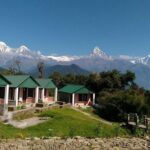
Your package includes accommodation in tea houses during the trek. Tea houses are set up for trekkers, which is why they work well for a 3-day plan. You’ll have a consistent place to rest each night, and that makes the schedule predictable.
What to expect emotionally: tea house living is straightforward. You’re outdoors in cool air and then you’re inside for a night of rest. The goal isn’t luxury; the goal is recovery so you can hike again the next day. When that mindset clicks, the days feel smoother.
If you prefer full-service hotels and meals included, you might find the extra spending on food and drinks annoying. If you like staying light and eating what’s available on the trail, this works well.
Who this trek suits best
This 3-day Poon Hill trek from Pokhara is a strong fit if you want:
- A famous viewpoint experience without committing to a longer trek
- A manageable route with tea house accommodation included
- Village culture time at Ghandruk
- A guided plan that handles the permits and major logistics
It’s also a good pick for groups who value comfort with structure, like families and mixed-age travel groups—especially since the experience is private, not a big mixed-bag tour.
If you’re looking for a high-altitude, hardcore trekking challenge, this route is probably not the one. It’s designed for accessible, classic Annapurna region views in a short window.
Should you book this Poon Hill trek with Peak to Peak Tours and Treks?
If your main goal is Poon Hill sunrise plus a cultural stop at Ghandruk, this is the right style of trek for you. The price looks reasonable when you factor in the licensed mountain guide, permits/entry fees, tea house accommodation, and private transportation.
I’d book it if:
- you’re comfortable with a moderate fitness level
- you don’t mind purchasing food and drinks along the route
- you like having logistics handled instead of self-managing paperwork and lodging
I’d think twice if:
- you want meals fully included
- you dislike early-morning starts
- you’re unprepared for the fact that you’ll be walking downhill as well as uphill
If you match that, you’re likely to love the short, scenic rhythm of this trek.
FAQ
How long is the Poon Hill trek package?
It’s a 3-day experience with 2 nights, trekking over approximately three days.
What is the price per person?
The price listed is $228.47 per person.
Does the tour include pickup from Pokhara?
Yes, pickup is offered, and there’s private transportation included.
Are permits and entry fees included?
Yes. Permits and all entry fees are included.
Is a licensed mountain guide provided?
Yes. The tour includes a licensed mountain guide.
Is accommodation included during the trek?
Yes. Tea house accommodation during the trekking is included.
What’s not included in the package price?
Food and drinks are not included (you buy them on the route). Rescue cost in an emergency is also not included, and gratitude is optional.
What is the cancellation policy?
Free cancellation is offered. You can cancel up to 24 hours in advance for a full refund.
Is the trek suitable for everyone?
The tour notes a moderate physical fitness level is required, and it’s best for travelers who can handle trekking days and early starts.