REVIEW · KATHMANDU
Patan and Bhaktapur Boutique Tour
Book on Viator →Operated by Amazing Kathmandu Tours · Bookable on Viator
Two UNESCO squares, one story-filled day. If you like your Kathmandu days packed with art and meaning, this Patan and Bhaktapur outing is a smart way to see a lot without feeling rushed. You’ll start in central Kathmandu, ride in an air-conditioned vehicle, and spend about 9.5 hours with a guide who ties each stop to the people who lived with these monuments for centuries.
I especially like the slow, human pace of the early Patan courtyard stops—places like Pimbahal and Nag Baha Galli explain daily life and old religious rituals, not just stone carvings. I also like the contrast later on in Bhaktapur, where you can watch artisans at Pottery Square and then climb your eyes up toward Nyatapola Temple.
One thing to consider: several major sights aren’t included, and you’ll need cash on hand for Durbar Square entry. There’s also walking on uneven lanes, so moderate fitness helps, and the tour has a minimum age of 9.
In This Review
- Key points to know before you go
- Getting Oriented: Starting Point, Timing, and the Small-Group Flow
- Patan Dhoka, Pimbahal, and Nag Baha Galli: Where the Stories Start
- Golden Temple (Hiranya Varna Mahavihar) and Manga Hiti: Sacred Silence and Practical Stone
- Patan Museum and Patan Durbar Square: Malla-Era Art You Can Actually Read
- Crossing Into Bhaktapur: Durbar Square, Golden Gate, and the 55-Window Palace
- Pottery Square, Taumadhi Square, and Nyatapola Temple: Craft in Motion and Temple Views
- Dattatraya Temple (Peacock Window) and a Final Walk Through Patan Lanes
- Value Check: The $40 Price, What’s Included, and the Cash You’ll Need
- Who This Tour Suits Best (and who might want another option)
- Should You Book This Patan and Bhaktapur Boutique Tour?
- FAQ
- What time does the Patan and Bhaktapur tour start?
- Where is the meeting point?
- What’s included in the $40 price?
- Are any entrance fees included?
- How much is the Durbar Square admission, and how do I pay?
- Is there an age limit for this tour?
- Is there free cancellation?
Key points to know before you go
- Small group size (max 10): easier questions, less crowd pressure in tight lanes.
- Morning start at 8:30 am: you get into Patan and Bhaktapur while the day is still manageable.
- UNESCO focus: Patan Durbar Square and Bhaktapur Durbar Square are the two big anchors.
- Craft and craft-adjacent stops: Pottery Square plus historic Patan water and sculpture details.
- Multiple “not included” sights: plan a cash budget for Durbar Square, plus Golden Temple and Patan Museum.
- Guide makes the route readable: gates, courtyards, and temples connect into a clear story.
Getting Oriented: Starting Point, Timing, and the Small-Group Flow
The day kicks off at 8:30 am at Filli chai, on Kathmandu Guest House Road. You end back there too, which is convenient if you’re staying around Thamel or near Boudha/KGH Hotel (the tour is described as picking up from those central areas). You’ll be in a small group—no more than 10 people—and you’ll ride in an air-conditioned vehicle with WiFi onboard.
What that means in real life: you’re not fighting for a spot at viewpoints, and it’s easier to hear your guide over the noise of the squares. The total time is about 9 hours 30 minutes, and it includes transportation plus time that’s set aside for a lunch and a coffee stop (lunch/coffee are not included in the price).
A mobile ticket keeps things simple. Still, I’d keep one practical mindset: the main sights involve cash-only entry at points, and you’ll be on your feet much of the day. Comfortable shoes matter more than trying to look stylish.
You can also read our reviews of more tours and experiences in Kathmandu.



Patan Dhoka, Pimbahal, and Nag Baha Galli: Where the Stories Start
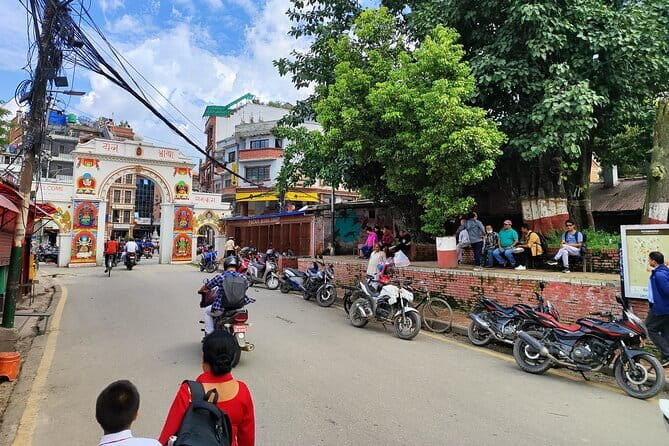
You begin at Patan Dhoka (Patan Gate), the historic entrance into Patan’s old city. It’s decorated with paintings of the Asta Matrika, the eight mother goddesses. Even if you’re not a temple expert, this is a good “why this place matters” opener. It’s not just a gate—it’s a statement that religion, myth, and civic life were always linked.
Next comes Pimbahal. This is the kind of stop that makes your tour feel grounded. Instead of rushing past walls, you’re stepping into a space where ancient tourists, pilgrims, and traders would have cooked, fetched water, and rested. The added story about Gaya Baje, a Hindu priest, helps you understand how places like this weren’t empty backdrops—they were functional parts of everyday travel and worship.
Then you head to Nag Baha Galli, a serpent-focused courtyard. You’ll hear about the Samyak Mahadan festival, a celebration of giving that happens every five years. This is one of those stops where your guide’s explanations turn what could be a quick photo stop into something you actually remember. Courtyards like this are small on a map, but big in meaning.
Practical note: these early stops are relatively short (roughly 15–30 minutes each), which helps you build energy instead of burning it all before the UNESCO highlights.
Golden Temple (Hiranya Varna Mahavihar) and Manga Hiti: Sacred Silence and Practical Stone
From gates and courtyards, the day moves into a more serene tone at the Golden Temple (Hiranya Varna Mahavihar). This is a three-story pagoda with a gilded roof and intricate carvings. It’s dedicated to Gautam Buddha, so you get a different flavor than the purely Hindu sites on the route—more quiet, more contemplative. If you’ve only seen Nepali temples from the outside, this kind of space reminds you that interiors can carry their own atmosphere.
Then you go to Manga Hiti, also known as Manga Dhara—a historic stone water spout built during the Lichhavi period. What I like about this stop is that it shows you how art served life. The carvings of gods and the detailed design aren’t just decoration; they’re proof that beauty was part of practical public infrastructure.
This combination—Buddhist temple calm plus an older water system you can stand next to—keeps the day from feeling like a list. It also helps you notice patterns: the same culture that built monumental squares also cared deeply about smaller, daily places.
Small tip: when you reach places like the Golden Temple, slow down for a minute before you start taking pictures. Your eyes adjust, and the carvings and layout make more sense.
Patan Museum and Patan Durbar Square: Malla-Era Art You Can Actually Read
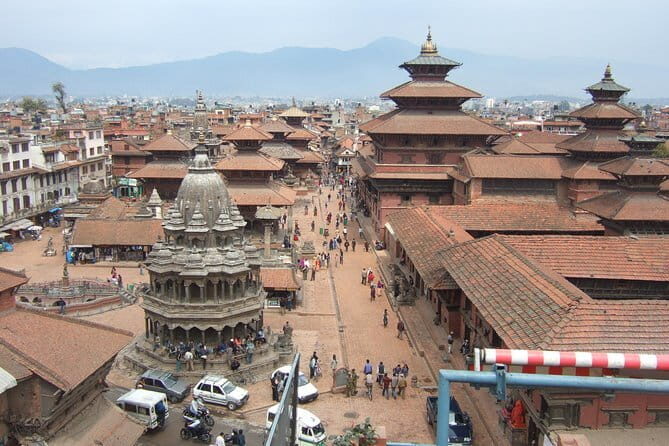
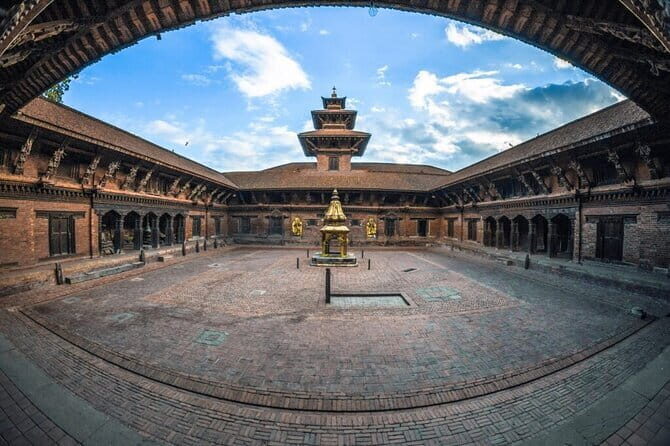
Later you visit the Patan Museum, set inside a restored Malla-era palace. Even if museums aren’t your thing, this one can work because it gives context. When you’re standing later in Patan Durbar Square, you’ll recognize architectural language faster—so the UNESCO site feels less like a label and more like a living design tradition.
Admission to the museum is not included, so budget time and money accordingly. The upside is that you’re not just paying for entry—you’re paying for the ability to connect details you might otherwise miss.
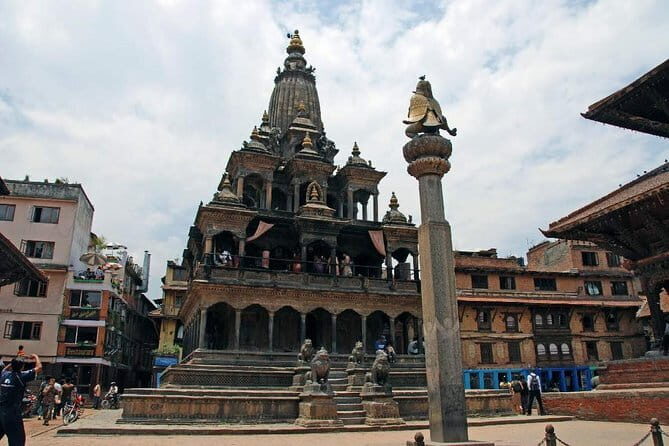
Then it’s on to Patan Durbar Square, a UNESCO World Heritage Site. This square was once the royal palace area of the Malla kings, and it’s packed with intricately carved temples, peaceful courtyards, and open spaces. If you’ve ever felt overwhelmed in big historic squares, here’s the trick: don’t try to see everything. Pick two or three temples to “read” slowly—look at carvings, notice where courtyards lead, and pay attention to how spaces guide movement.
What makes this section valuable is timing. You’ve already learned how gates, courtyards, and water-spouts fit together, so now you’re seeing the grand civic-religious center as the culmination of that same mindset.
Crossing Into Bhaktapur: Durbar Square, Golden Gate, and the 55-Window Palace
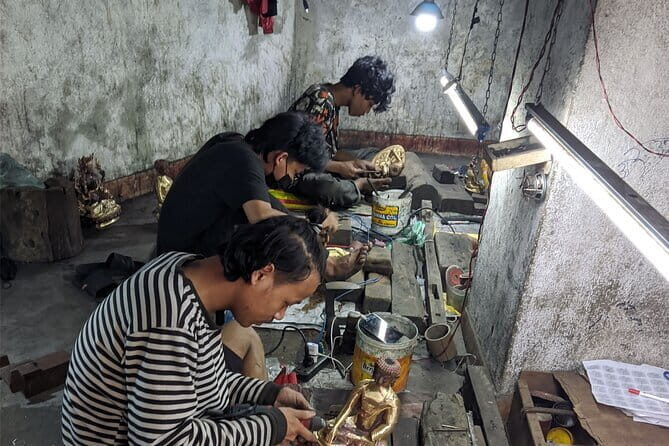
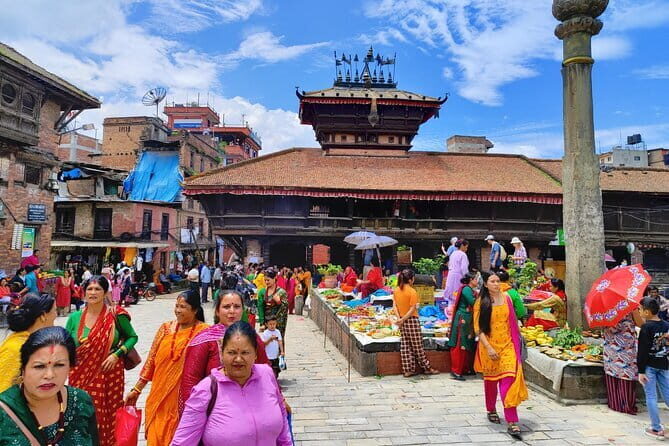
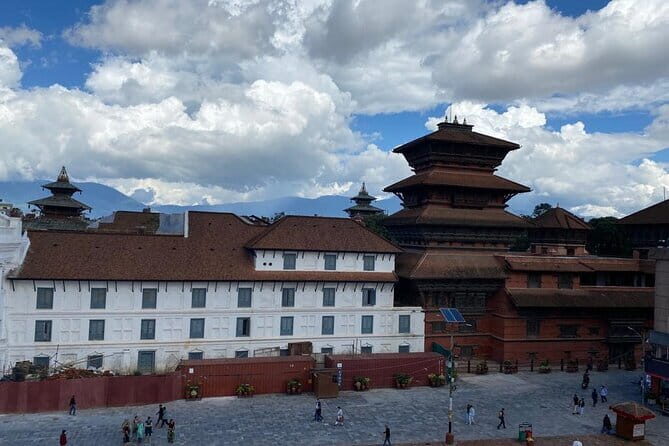
Bhaktapur is where the day starts to feel more theatrical. You’ll visit Bhaktapur Durbar Square, another UNESCO World Heritage Site and a strong example of traditional Newar architecture. The square has ancient temples and charming court spaces that feel like they were designed for slow wandering.
In Bhaktapur, you’ll also have a chance to marvel at the 55-Window Palace and the Golden Gate, along with major temple highlights like Nyatapola Temple. Even without any extra explanation, these landmarks give you instant visual anchors—long after the van ride, you’ll still remember their shapes.
One reason this part works for most people: Bhaktapur’s layout helps you find photo angles and viewpoints while your guide helps you understand what you’re looking at. You’re not just standing in front of a big building; you’re learning why specific structures matter.
If you’re someone who likes architecture, this is the moment your notes start making sense. The carvings and window rhythm aren’t random. They reflect craftsmanship, power, and a whole cultural system for building with purpose.





Pottery Square, Taumadhi Square, and Nyatapola Temple: Craft in Motion and Temple Views
After Durbar Square, you head to Pottery Square. This is one of the most satisfying stops on the whole route because it mixes heritage with active work. You can watch local artisans creating handmade clay pottery and then selling it. It’s not a staged show; it’s the daily rhythm of a craft that long predates your visit.
From there, you move to Taumadhi Square, known for the impressive Nyatapola Temple. This is a five-story temple, dedicated to the goddess Siddhi Lakshmi. It’s also one of Nepal’s standout temples in terms of height and visual impact, so your guide’s commentary here helps you “see” the structure as more than a skyline piece.
Practical reality: Nyatapola is a popular subject for photos, which means you may share viewpoints with others. Keep your pace calm. Don’t barrel up to the front; instead, pick one angle, get your shot, then step aside so others can pass. The best photos usually come when you slow down and frame with intention.
Also, if your camera battery is low, this is a good place to conserve it. You’ll want it again for Dattatraya Temple and your final wandering time in Patan.
Dattatraya Temple (Peacock Window) and a Final Walk Through Patan Lanes
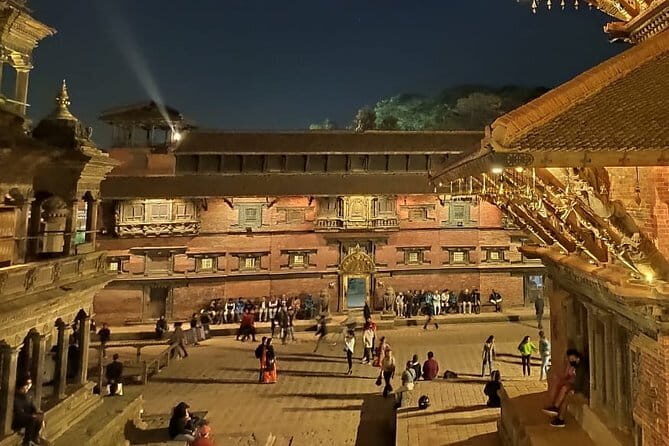
Before the tour ends, you visit Dattatraya Temple at Dattatraya Square. This temple is dedicated to a deity representing the unity of Brahma, Vishnu, and Shiva. The square is especially famous for the Peacock Window, which is the kind of detail you don’t forget once you notice it.
Then you get time for a final area walk through Patan (Lalitpur). You’ll move through narrow, connected pathways and also through wider spaces, with chances to see ancient palace elements, stupas, and peaceful temples. This final segment is valuable because it shifts you from “major landmark mode” back into “real city mode.” It’s also where you can slow down for last photos without the pressure of timed entry at a big gate.
If you’re the type who likes to end the day with one or two good discoveries instead of trying to cover everything, this final Patan wandering time is your chance. Keep it simple: pick one street or courtyard, look for small carvings, and let your guide’s comments do the rest.
Value Check: The $40 Price, What’s Included, and the Cash You’ll Need
At $40 per person, this tour is priced like a value day trip, especially because the essentials are included: an air-conditioned vehicle, WiFi onboard, and a guide. That combination matters. It’s not just transportation—it’s interpretation, so you don’t have to guess what you’re seeing.
But you should plan your budget for exclusions:
- Lunch is not included, even though lunch time is part of the schedule.
- Entrance fees are not included for major sites. Most notably, Durbar Square entry costs NRP 1000, paid in cash at the entrance.
- There’s also guidance to pay an additional NRP 100 donation minimum to the Royal Kumari (also mentioned as about US$9 per person for context).
- Golden Temple admission is not included.
- Patan Museum admission is not included.
So the real cost is $40 plus whatever you spend on those paid entries and lunch. In exchange, you get a structured day across two major UNESCO areas with stops that include temples, courtyards, historic water infrastructure, museum time, plus craft viewing.
If you like tidy logistics and clear pacing, this is a good buy. If you’re trying to avoid any extra fees entirely, you’ll need to mentally adjust before you book.
Who This Tour Suits Best (and who might want another option)
This day trip is ideal if you:
- Care about UNESCO sites but also want smaller stops with stories (gates, courtyards, water spouts).
- Enjoy architecture details like the Peacock Window, the rhythm of palace features, and temple design.
- Prefer small-group touring (max 10) over large crowds.
You’ll want a moderate physical fitness level. The tour includes walking in historic lanes and around temples and squares, and you’ll be on your feet for a long day. There’s also a minimum age of 9, and children under 9 can’t join for insurance reasons (so no lap-sitting exceptions).
If you’re someone with limited mobility or you need frequent rest breaks beyond what you can manage in a day tour, this might be harder. That’s not a flaw—it’s just the reality of old-city ground and distances.
Should You Book This Patan and Bhaktapur Boutique Tour?
I’d book it if you want one day that connects the big monuments of Patan and Bhaktapur with the small details that make them feel human—courtyards with ritual stories, historic water stonework, craft at Pottery Square, and temple design that rewards close looking.
I’d think twice if you hate paying extra for entrances and you don’t want to carry cash. The tour is great value overall, but the paid sites and museum/temple admissions mean the final total depends on your spending plan.
Bottom line: for a first-time or return visit to Kathmandu Valley’s historic core, this route is a strong, efficient way to get both UNESCO scale and everyday texture in one long day.
FAQ
What time does the Patan and Bhaktapur tour start?
It starts at 8:30 am.
Where is the meeting point?
The meeting point is Filli chai, Kathmandu Guest House Road, Kathmandu 44600, Nepal.
What’s included in the $40 price?
You get an air-conditioned vehicle, WiFi onboard, and a guide.
Are any entrance fees included?
No. Entrance to Durbar Square is not included, and admissions for the Golden Temple and Patan Museum are also not included.
How much is the Durbar Square admission, and how do I pay?
Entrance to Durbar Square costs NRP 1000 (about US$9) and has to be paid in cash at the entrance.
Is there an age limit for this tour?
Yes. The minimum age is 9 years. Children under 9 can’t join for insurance reasons.
Is there free cancellation?
Yes, free cancellation is available. You can cancel up to 24 hours in advance for a full refund.