REVIEW · KATHMANDU
Sabbatical in Nepal: A Mixture of Nature, Culture & Spiritual Experiential Tour
Book on Viator →Operated by Sabbatical Explore Nepal (Social Tourism Nepal) · Bookable on Viator
Golden temples, then big cats.
This 10-day Nepal route is interesting because it moves fast through very different worlds: UNESCO-listed Kathmandu Valley, lakeside Pokhara views, and then the wildlife focus of Chitwan National Park. I like how the trip is built around contrast, so you are never stuck doing only temples, only scenery, or only animals. You also get a private-group feel, with pickup and an air-conditioned vehicle doing the heavy lifting for you.
I also like the Himalayan sunrise morning in Sarangkot, because it is early, short on hiking, and made for first-time wow shots. And I love that the schedule makes room for human culture at the edges of the big sights, like the Tharu village evening with stick dance and a riverside sunset.
One drawback to consider: a lot of ground gets covered, so some days feel more like moving between highlights than lingering. If you hate early starts or long drives, you might want a slower Nepal plan.
In This Review
- Key highlights to look for on this Nepal sabbatical style tour
- Getting started in Kathmandu: Swayambhunath and Durbar Square as your first reality check
- Day 2: Boudhanath, Pashupatinath, and Patan + Bhaktapur’s Newari craftsmanship
- The Bhaktapur pottery stop and the road to Pokhara via Trisuli
- Sarangkot sunrise: the short hike that makes the Himalayas feel close
- Pokhara by water: Phewa Lake, Devi’s Fall, Gupteswor Gupha, and the World Peace Stupa
- Lumbini via Palpa: going from hill scenery into the birthplace of Buddhism
- Kudan Stupa and Tilaurakot: tracing Buddha’s early story in stone and archaeology
- Sauraha and the Tharu village evening: wildlife territory that still has a human heartbeat
- Chitwan National Park: bird watching first, then safari time
- Your free day in Kathmandu: massage, sauna, shopping, and a slower pace
- Price and value: what you’re paying for in this 10-day Nepal mix
- Who should book this tour, and who might want a different Nepal plan
- The human touch: helpful guidance you can count on
- Should you book Sabbatical in Nepal: Nature, Culture & Spiritual Experiential Tour?
- FAQ
- How long is the tour?
- Where does the tour start and what meeting point is used?
- Is pickup offered?
- Are UNESCO and other attraction entrance fees included?
- Is Chitwan safari included?
- Will I have time in Kathmandu without scheduled activities?
- Are international flights included in the price?
- What is the cancellation policy?
Key highlights to look for on this Nepal sabbatical style tour
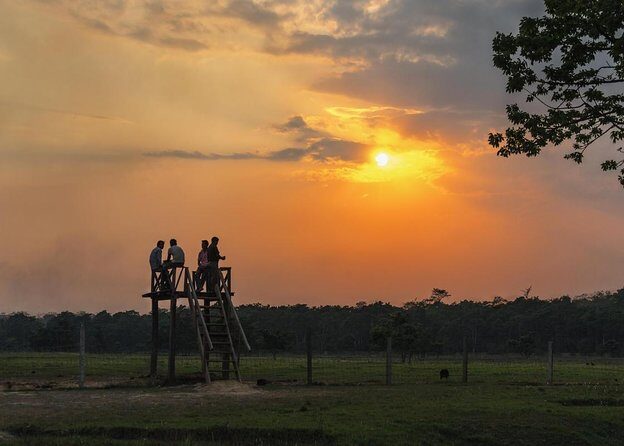
- A sunrise stop at Sarangkot with a short hike for panoramic Himalayan views
- Kathmandu Valley UNESCO cluster: Swayambhunath, Durbar Squares, and Bhaktapur’s craft city feel
- Boudhanath + Pashupatinath in one day for a real look at Buddhism and Hindu practice side by side
- Lumbini’s core Buddhist sites centered on Maya Devi Temple plus major stupas and archaeology
- Chitwan birding and safari with either Jeep safari or elephant safari options
- Tharu village culture in Sauraha paired with a cultural stick dance performance
Getting started in Kathmandu: Swayambhunath and Durbar Square as your first reality check
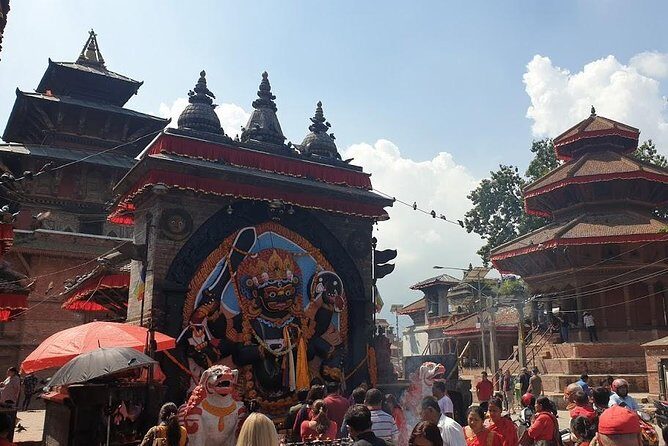
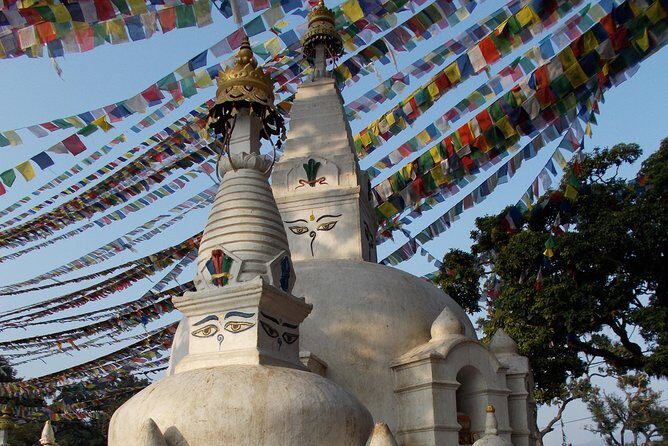
Day 1 gives you a clean landing. After pickup from Kathmandu Airport, you go straight to Swayambhunath—also known as the Monkey Temple—which sits high over the city. The views help you get your bearings fast, and the atmosphere tells you Nepal is not a museum stop; it’s a place people use every day.
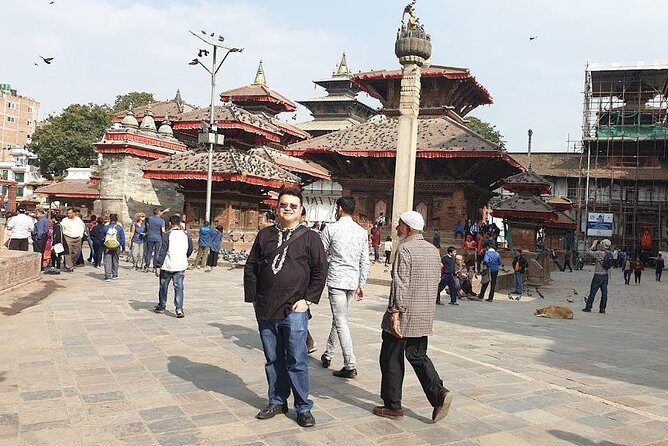
Then you head to Kathmandu Durbar Square (Hanuman Dhoka). This area is where you’ll see temples, courtyards, and the famous Kumari ghar area linked to the Living Goddess tradition. Even if you don’t know every detail of the symbolism, you can still read the energy: monks, pilgrims, shop stalls, and temple rituals all sharing the same small space.
The practical win here is the pacing. This day is short enough to keep jet lag from ruining your attention, but it is full enough to show you what kind of “Nepal experience” the tour is aiming for.
You can also read our reviews of more tours and experiences in Kathmandu.



Day 2: Boudhanath, Pashupatinath, and Patan + Bhaktapur’s Newari craftsmanship
Day 2 is a powerful mix of spiritual settings. You start at Boudhanath Stupa, described as one of the biggest Tibetan stupas in the world. What makes it special is how it works as a living pilgrimage site—people circle the stupa, and you can see monks in the flow. If you have only seen Buddhism in books, this is where it becomes routine and sensory.
Next comes Pashupatinath Temple, one of the major Hindu pilgrimage centers and also a UNESCO-listed part of the Kathmandu Valley. The data you’re given matters here: it’s described as a spiritual center with active participation most of the day. It is also known as a crematory center, so your experience will feel serious and real, not theme-park calm.
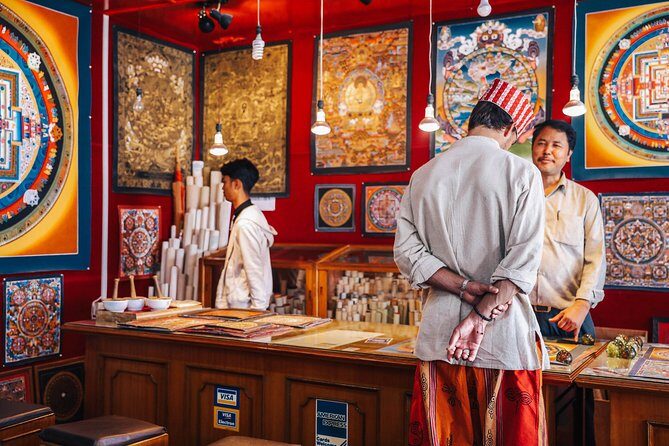
After that, the tour moves into Patan Durbar Square, known for Newari architecture. The Krishna Mandir is the main temple focus, and you’ll find the area lined with fine stone details and market life. Then you finish with Bhaktapur, often one of the best places to understand traditional Nepalian arts and craft culture.
Bhaktapur is where the trip’s “culture value” gets stronger. You’ll have time to see classic highlights like the 55 Window Palace and the five-storied Nyatapola Temple. The place is also described as having a festival-and-celebration vibe, which helps explain why these cities feel less like ruins and more like communities.
The Bhaktapur pottery stop and the road to Pokhara via Trisuli
Day 3 is split between craft and travel, and that’s a good rhythm. You start at Pottery Square in Bhaktapur, where you can see the firing process and how the ceramic industry works on the ground. It’s one of those stops that makes you slow down because you’re watching hands, not just buildings.
Then you drive toward Pokhara. The route includes time along the Trisuli River, and the description emphasizes the swirling mountain roads. Expect that part of Nepal drive time to feel like a roller coaster, especially if you get motion sickness. If you do, bring what helps you most—this tour doesn’t mention special handling for that.
Once you reach Pokhara, you’re set up for the real payoff of the middle days: mountains close enough to change how the whole trip feels.
Sarangkot sunrise: the short hike that makes the Himalayas feel close
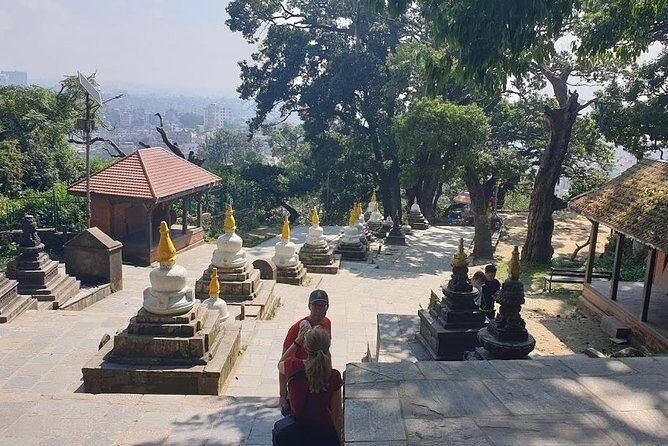
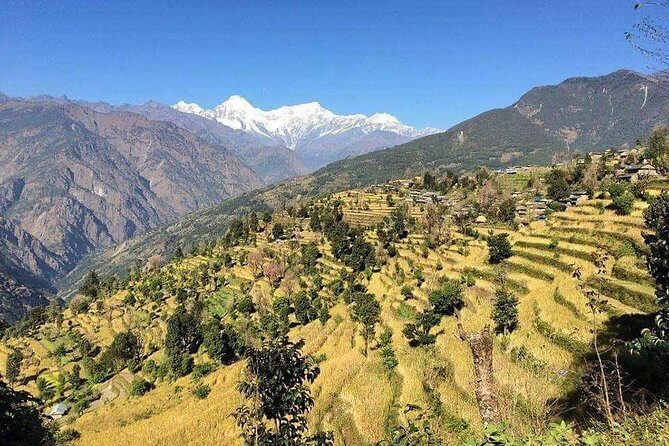
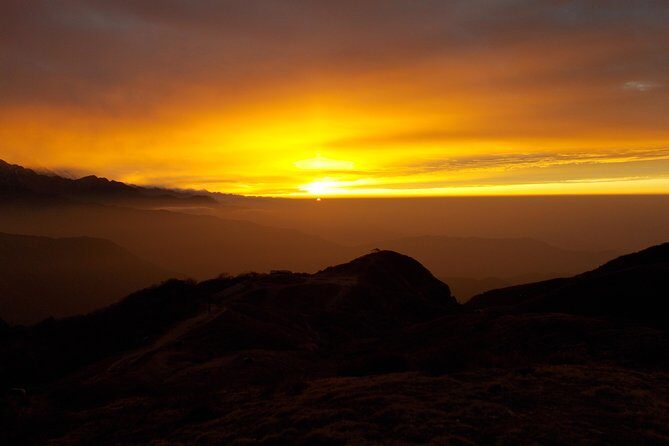
Day 4 is a sunrise-heavy day, and it’s one of the best uses of time on this itinerary. You drive to Sarangkot early, then do about a 10–15 minute hike for the views. The point isn’t a big trek; it’s getting the timing right for panoramas that can show Dhaulagiri, Annapurna, and Manaslu (depending on conditions).
From a practical standpoint, this kind of sunrise view works well even for first-time visitors because it balances effort and reward. You’re not committing to hours of climbing, and you still get the dramatic payoff most people imagine when they book Nepal.
Pokhara by water: Phewa Lake, Devi’s Fall, Gupteswor Gupha, and the World Peace Stupa
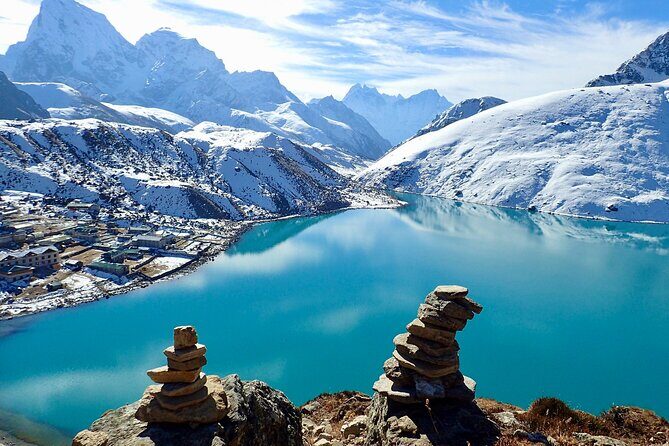
After the sunrise, you get a rest and then shift to Pokhara’s calmer side. At Phewa Lake, the tour includes boating, plus the option to see Tal Barahi Temple in the middle of the lake. The way the water reflects mountain peaks like Machhapuchhre is part of why Pokhara is so popular. Even if clouds block some views, the lake activity still gives you an easy reset between intense cultural days.
Then you move to Devi’s Fall, known locally by a name meaning underworld waterfall. You’ll also visit Gupteswor Mahadev Cave, which is described as where the water flows through. This stop gives you a break from temples built by people and swaps it for nature’s carved logic.
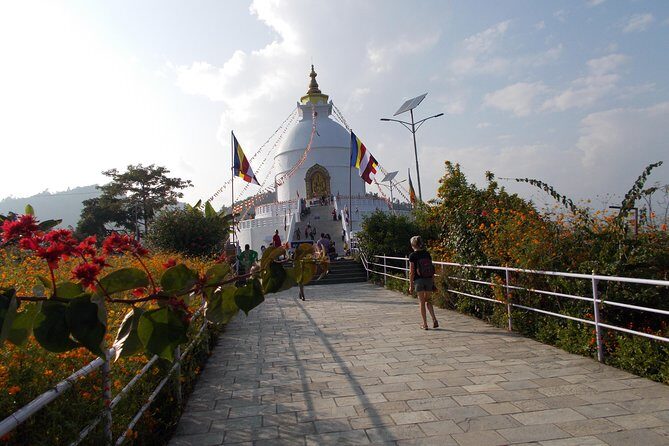
Finally, you go to the World Peace Stupa. The exact view details aren’t specified, but stupa lookouts in this region are typically about perspective—another way to keep the trip from becoming temple-only.





Lumbini via Palpa: going from hill scenery into the birthplace of Buddhism
Day 5 is the move from Pokhara into the Terai region, with a stop through Palpa. That matters because it changes the “Nepal feel.” Hill-to-lowland travel often brings different light, different crops, and different pace, and this tour seems to use that shift intentionally.
At Lumbini, your main focus is Maya Devi Temple, described as the birthplace of Siddhartha Gautama and set within the UNESCO World Heritage Site. The tour frames this as a place to study the origin of Buddhism, so plan to treat it like more than a photo stop. It’s a sacred site with a quieter mood than many busy city temples.
You’re given time to take it in, and the tour notes that the Maya Devi Temple area is a “huge area.” That’s a real hint: don’t rush, because the meaning here is in how you move through the space.
Kudan Stupa and Tilaurakot: tracing Buddha’s early story in stone and archaeology
Day 6 continues the sacred thread with two stops that connect to key storylines. At Kudan Stupa, you’re told it’s believed to be where Buddha first met with his father, King Suddhodhana, after enlightenment. Stupas like this often work like landmarks in a larger story, and this is exactly that kind of stop.
Next is Tilaurakot, described as an archaeological site linked to Kapilavastu, where Buddha grew up and later had married life with Yasodhara. If you like history, this is where the tour starts feeling more academic, but in a walkable way—stone reminders, not heavy museum lectures.
Then the tour drives you to Siddharthanagar (Bairahawa), which functions as a gateway for the Buddhist pilgrim circuit. It’s a practical overnight base, and it sets you up to head toward Chitwan without losing energy.
Sauraha and the Tharu village evening: wildlife territory that still has a human heartbeat
Day 7 brings you into Sauraha, the eastern gateway to nearby Chitwan National Park. You rest there and have lunch, which is important. After Kathmandu and Lumbini intensity, this is the decompression period before animal-focused days.
Then you do a Chitwan Tharu Village tour. The tour emphasizes close observation of Tharu culture and everyday life, built on the idea of an intimate relationship with the natural world. You also get a riverside sunset view and a Tharu cultural stick dance show, followed by dinner and an overnight at the resort/hotel.
This is a high-value part of the itinerary because it prevents Chitwan from becoming only a safari checklist. You’re shown the people side of conservation-adjacent life. Even if the cultural show is staged for visitors, the village interaction is framed as real daily activity, not just performance.
If you’re someone who likes respectful cultural context, this evening is worth paying attention to, not treating as background entertainment.
Chitwan National Park: bird watching first, then safari time
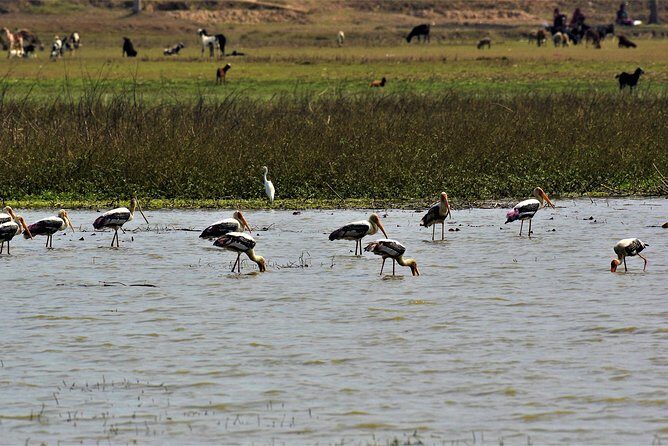
Day 8 is the big nature day. In the early morning, you do bird watching and have breakfast. The tour notes more than 400 migrant and local bird species, which tells you what kind of park Chitwan is: a place where wildlife goes beyond the “big animal” headlines.
After breakfast, you choose between a Jeep safari or an elephant safari. The tour says Jeep safari is the fastest way to explore the wide area. That practical info matters because it changes your odds of seeing more in a shorter window of time.
Then you drive back to Kathmandu for the night. That return leg can feel like a reset with a side of fatigue—especially after early morning viewing—but it keeps you from losing the whole day on the road.
Your free day in Kathmandu: massage, sauna, shopping, and a slower pace
Day 9 is a free day in Kathmandu, with the tour explicitly suggesting options like spa and sauna, massage, and souvenir shopping. That’s a smart scheduling move. You’ve had a sunrise day, a sacred-site sequence, and a wildlife morning; giving you a breathing day helps you actually enjoy the city instead of grinding through it.
Day 10 ends with transfer to Tribhuvan International Airport based on your flight schedule. Your last day is set up as a simple, low-stress wrap.
Price and value: what you’re paying for in this 10-day Nepal mix
At $2,724.30 per person for about 10 days, the price isn’t small. But this itinerary includes a lot of “stuff that adds up” fast when you book pieces separately.
Here’s what you can expect to be covered:
- Air-conditioned vehicle and a driver + language guide for the ground route
- Entrance fees for the UNESCO World Heritage sightseeing sites listed
- National Park entry fees, plus a safari guide and vehicle in Chitwan
- Tharu cultural show entry
- Meals: lunch is included, and in Chitwan you’re told breakfast, lunch, dinner are included
- Hotels at a 3-star standard in Bhaktapur, Pokhara, Lumbini, Chitwan (Sauraha), and Thamel in Kathmandu after
Accommodation at a 3-star level is a key value piece because it reduces the risk of ending up in the wrong place mid-route. The other big value is the “logic” of the schedule: Kathmandu Valley UNESCO on a day-by-day arc, then Pokhara, then Lumbini, then a proper wildlife finish. That’s harder to pull off smoothly on your own with timed entry fees and intercity routing.
Still, you should consider what isn’t included:
- International flights
- Travel insurance
- Tips for the guide and driver
- Any extra expenses not listed
If you like convenience—pickup, organized entry fees, and a guide who handles the route—the value is strong. If you prefer deep independent exploring, you might feel the pace is too structured for your style.
Who should book this tour, and who might want a different Nepal plan
This trip fits best if you want variety without planning headaches. It’s a good match for people who like: UNESCO city culture, spiritual sites with real ongoing practice, a sunrise mountain view that doesn’t require days of trekking, and a wildlife finale.
You might reconsider if you:
- Get motion sickness on winding mountain roads
- Want lots of free time in each city
- Prefer long stays in one place (this itinerary prioritizes movement)
On the positive side, the trip is described as private, meaning it’s only your group participating. That often makes a big difference in how smooth the day feels, especially for early morning starts.
The human touch: helpful guidance you can count on
One theme from the provided trip feedback is how supportive the people behind the scenes are. The company head, Shiva, is described as greeting a traveler warmly and then shaping a plan when they only had a rough idea.
That kind of responsiveness matters because Nepal planning isn’t always plug-and-play. Weather can affect mountain views. Timing can affect sacred-site entry rhythm. Having a team that listens and adjusts is part of why this tour tends to feel organized and stress-light.
Should you book Sabbatical in Nepal: Nature, Culture & Spiritual Experiential Tour?
I’d book this tour if you want a single itinerary that hits Nepal’s big themes in a logical order: Kathmandu Valley culture, Pokhara mountain views, Lumbini sacred meaning, and then Chitwan wildlife with the Tharu culture connection.
I wouldn’t book it if you’re looking for a slow travel style or you need a lot of unplanned downtime each day. The route is built around guided timing and packed highlights.
If you do book, pack for early mornings, be ready for road time, and treat each “spiritual” stop with a calm mindset. This tour works best when you don’t rush and when you let the different parts of Nepal change your mood.
FAQ
How long is the tour?
It runs for about 10 days.
Where does the tour start and what meeting point is used?
It ends back at the meeting point. The ticket redemption/meeting point listed is Thamel Grand Hotel in Kathmandu.
Is pickup offered?
Yes, pickup is offered.
Are UNESCO and other attraction entrance fees included?
Yes. Entrance fees of all UNESCO World heritage sightseeing sites are included.
Is Chitwan safari included?
Yes. National Park entry fees are included, and the tour includes the jungle safari in Chitwan with a safari guide and vehicle.
Will I have time in Kathmandu without scheduled activities?
Yes. Day 9 is a free day in Kathmandu with options like spa/sauna, massage, and souvenir shopping.
Are international flights included in the price?
No. International flights are not included.
What is the cancellation policy?
You can cancel for a full refund if you cancel up to 24 hours in advance of the experience start time. If you cancel less than 24 hours before, the amount paid is not refunded.