REVIEW · KATHMANDU
Sacred Kathmandu: Aarati, Cremation Rites & Stupa Serenity
Book on GetYourGuide →Operated by Enticing Himalayas Travels Private Limited · Bookable on GetYourGuide
Two places. One slow, soul-working day in Kathmandu. This tour pairs the Boudhanath Stupa kora with the real-life solemnity of Pashupatinath cremation rites, so you don’t just see religion—you watch how it’s practiced. I also love the way the schedule gives you time to pause: prayer wheels, prayer flags, chanting, and a quieter moment to think.
The one thing to consider is the emotional weight. Pashupatinath centers on cremation ceremonies along the Bagmati River, and the experience is not for everyone (and the tour is also listed as not suitable for people with respiratory issues or children under 12). Plan your expectations accordingly, and you’ll get far more out of it.
In This Review
- Key things to know before you go
- Boudhanath Stupa kora: circling with prayer wheels
- Markets near Boudha: what you’ll notice in the real streets
- Prayer flags, mantras, and a calm pocket of reflection
- Pashupatinath and Bagmati cremation rites: what you’ll witness
- UNESCO fees and the real value of $45
- Logistics that affect comfort: pickup, timing, and what you can’t bring
- Respect and on-the-ground behavior at both sites
- Who should book this sacred Kathmandu morning (and who shouldn’t)
- Should you book Sacred Kathmandu: Aarati, Cremation Rites & Stupa Serenity?
- FAQ
- How long is the tour?
- What does the tour cost?
- Where do I get picked up and dropped off?
- Are entry fees included?
- What sites are included in the itinerary?
- Does the tour include a guided experience?
- What language(s) is the guide available in?
- What should I bring for the tour?
- Is the tour suitable for children or respiratory issues?
Key things to know before you go
- Clockwise Boudhanath kora: you’ll join pilgrims circling the stupa, a simple act with big spiritual meaning.
- Prayer wheels and flags: spinning wheels and reading the symbols on prayer flags become your moving meditation.
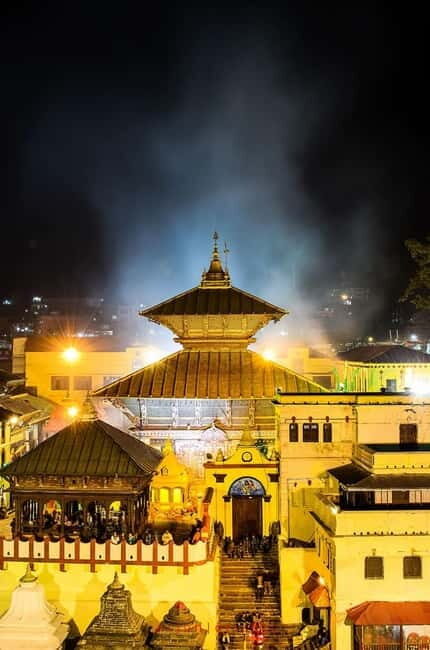
- Cremation at Pashupatinath: you’ll witness solemn Hindu cremation rituals by the Bagmati River.
- Local markets nearby Boudha: you get time to walk through everyday commerce around the stupa.
- Guided pacing: hotel pickup, guided stops, and a return to central areas keep the day from feeling chaotic.
- Entry fees are extra: UNESCO site fees are listed separately from the tour price, so budget for them.
Boudhanath Stupa kora: circling with prayer wheels
Your day starts at Boudhanath Stupa, one of the largest stupas in the world and a major center of Tibetan Buddhism in Nepal. The first “wow” moment is how quickly you feel the rhythm of people moving together. You’ll join pilgrims on the kora—the clockwise circuit around the stupa—which is both a physical walk and a spiritual pattern.
This isn’t a museum-stop vibe. It’s a working place of devotion. You’ll see monks meditating, and you’ll notice the way sound travels there—chants and mantras sit over everything like a steady layer. If you’ve only seen Buddhist sites from afar, this close-up version is the difference between learning and understanding.
Practical note: the tour includes a guided visit plus time for walking and photo stops. That matters, because Boudhanath is busy, and having a guide helps you find the calmer viewpoints without getting pulled in every direction.
You can also read our reviews of more tours and experiences in Kathmandu.

Markets near Boudha: what you’ll notice in the real streets
One of my favorite parts of this tour is the built-in time to walk through the area near Boudhanath. The experience is religious, but the setting is also street life: shop fronts, side alleys, and people moving through their day. The tour includes exploring the local markets near Boudha, so you don’t only stand in one place and look up.
You’ll likely encounter the common Kathmandu reality of sales. In one review, I saw how gently vendors handle a firm no—politely accepting it when people refuse. That’s your cue: if something doesn’t interest you, keep it simple and respectful. You’ll enjoy the atmosphere more when you aren’t bargaining in your head.
Also, plan for sensory overload. The stupa area is visually intense—color, prayer cloth, faces, offerings. Markets add sound and motion. If you’re the type who gets stressed in crowds, treat this part like a slow walk rather than a shopping mission.
Prayer flags, mantras, and a calm pocket of reflection
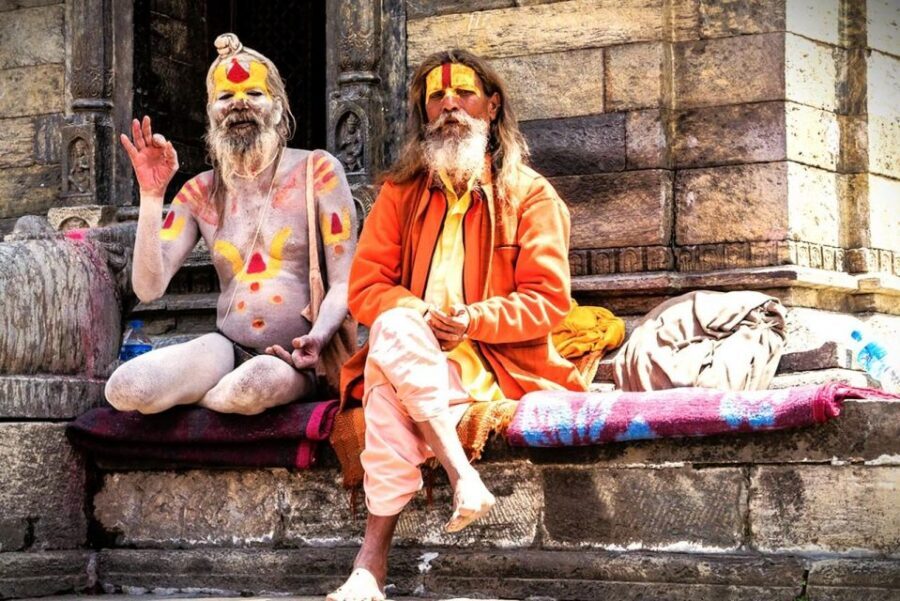
Boudhanath gives you a full set of symbolic tools for attention. As you continue at the stupa, you can spin prayer wheels and look at the prayer flags that carry messages of faith. The guide’s role here is important because it helps you connect what you’re seeing with what it means in practice, instead of treating everything like decorations.
You may also hear monks chanting mantras during your time there. One review mentioned a mini singing bowl meditation and even a massage element. Even if the exact minute-by-minute experience varies day to day, the intent is consistent: slow you down.
And yes, it’s okay to do less than you think you can handle. One traveler described taking a moment with a cup of tea-like pause and thinking about peace. You can copy that idea: give yourself a quiet minute where you just watch the circling movement, listen to the chants, and breathe.
A small consideration: one review noted that a monastery wasn’t open at the time of their visit. That doesn’t make the tour worse—it’s just a reminder that some interior spaces can be limited. If something feels closed, keep your focus on the public stupa area, where the main experience still happens.
Pashupatinath and Bagmati cremation rites: what you’ll witness
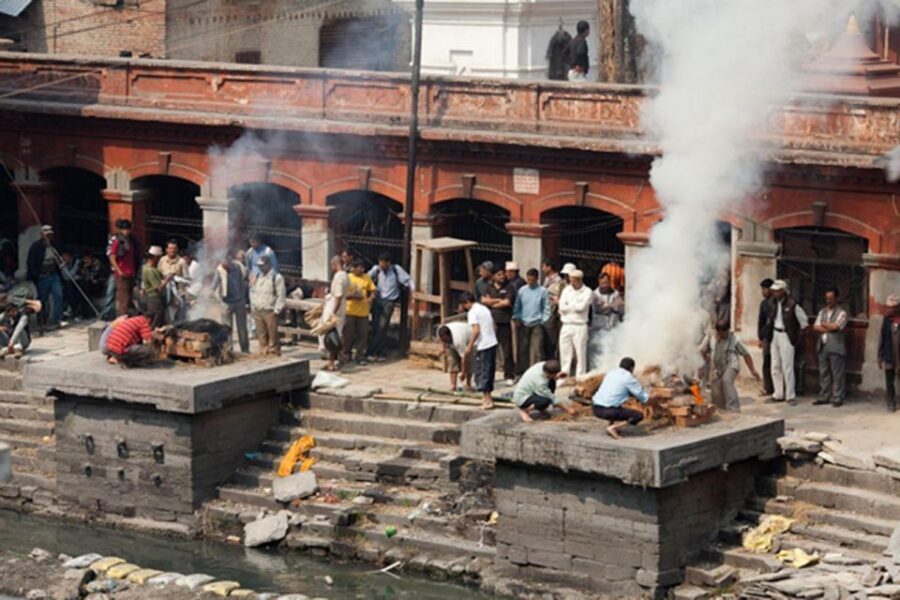
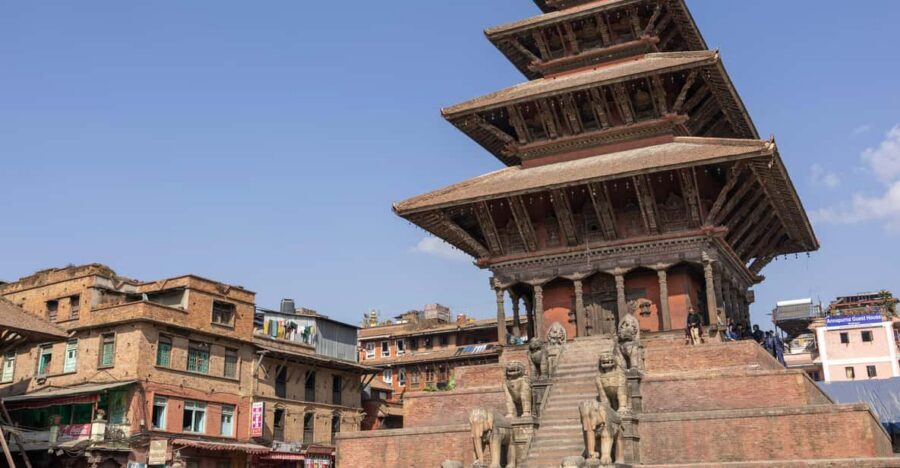
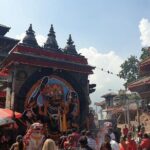
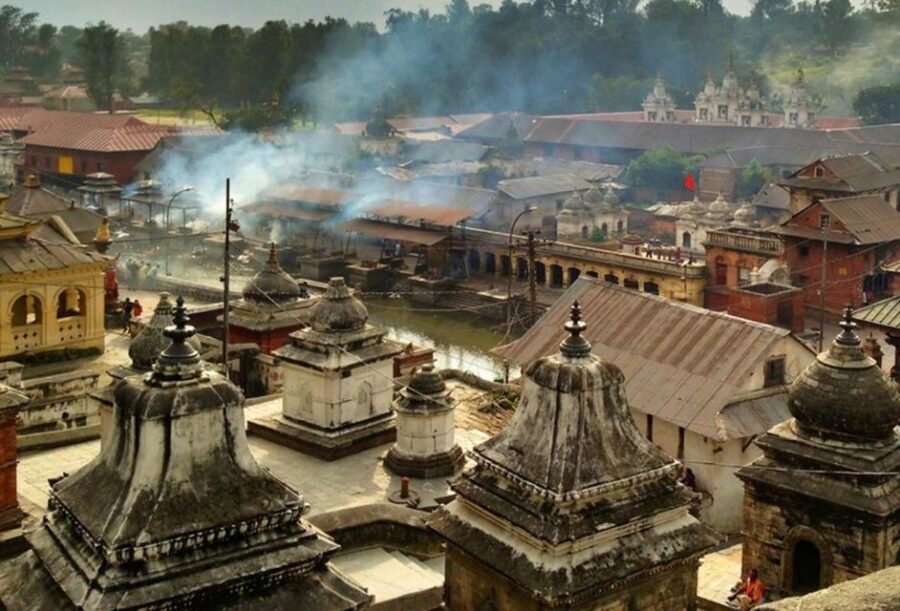
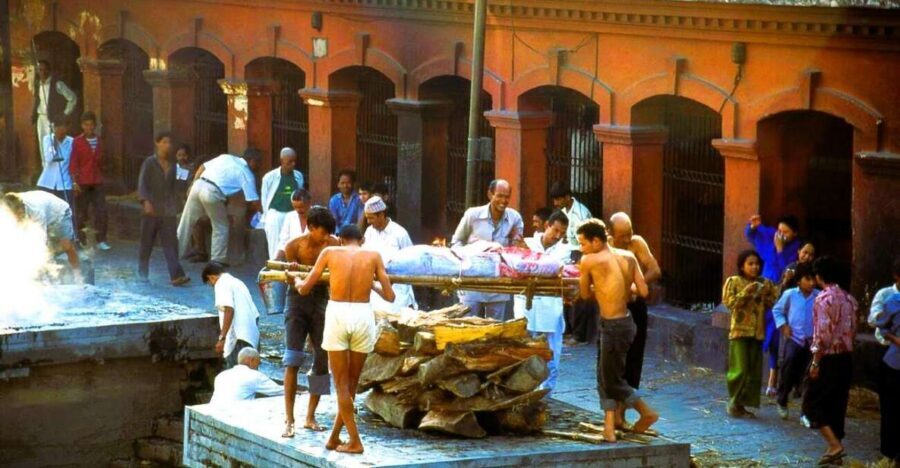
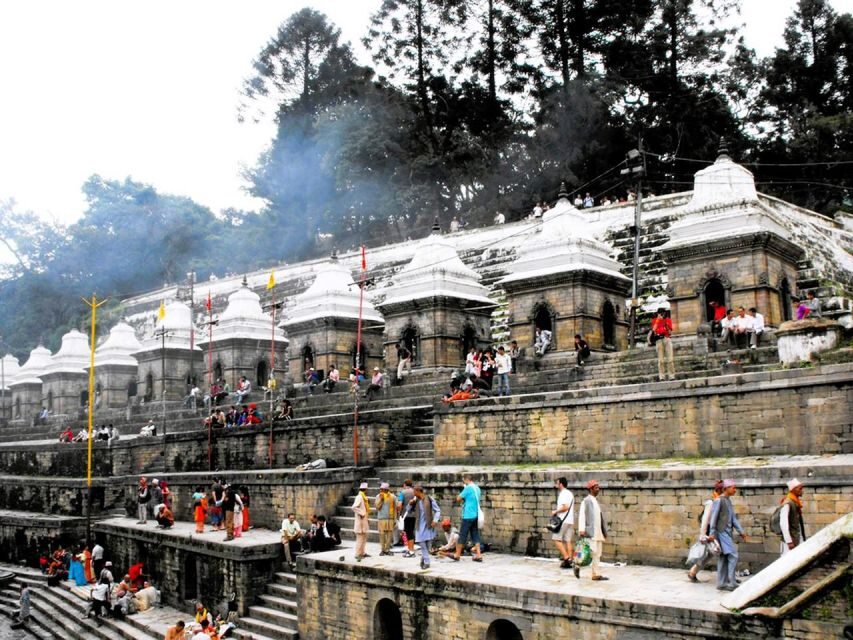
Then the day shifts gears. You’ll travel to Pashupatinath, a UNESCO World Heritage site and one of Nepal’s most sacred Hindu temple complexes, dedicated to Lord Shiva (in his form as Pashupati). The key feature here is geography: Pashupatinath sits on the banks of the Bagmati River, and cremations take place along that shoreline.
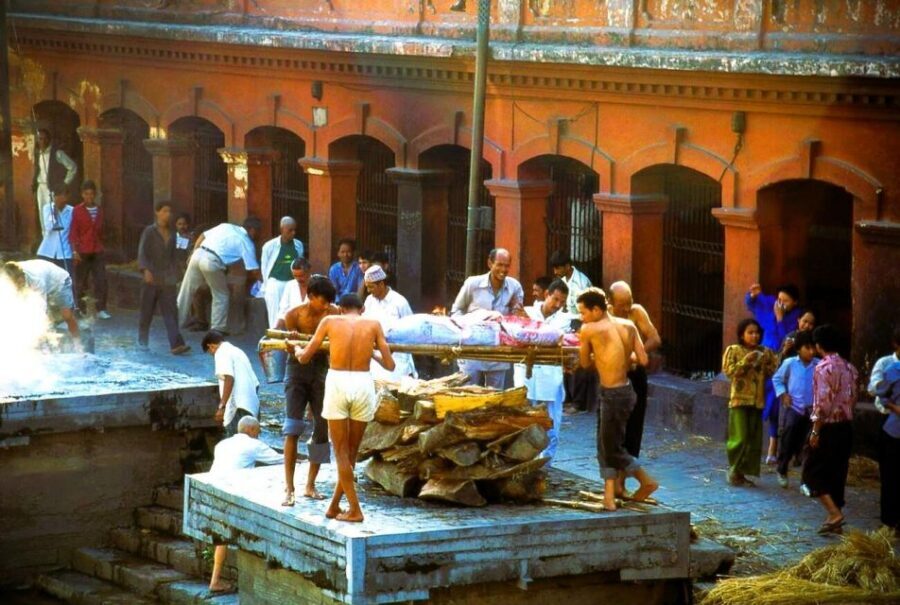
This is the part many people will remember for a long time—because you’re not watching something theatrical. You’re witnessing a ritual that families and communities take seriously every day. One review called it a moving experience and emphasized how respectfully they could watch while still being part of the moment.
What you’ll get from the guide matters a lot here. A good explanation turns the ceremony from confusing sights into meaningful steps. You’ll also explore temple architecture and the wider complex, so you’re not only standing by the river.
It’s also worth preparing yourself emotionally. This tour lists witnessing Hindu cremation rituals as a core feature, not an optional sidebar. If you’re sensitive to death rituals, go in with strong expectations of solemnity and stillness.
There’s also time built into the schedule: photo stops plus free time. The itinerary even mentions possibilities like shopping and camel ride time around the area, but don’t treat that as guaranteed. Treat it as optional time where you can choose what fits your comfort level.
UNESCO fees and the real value of $45
Let’s talk money in plain terms. The tour price is $45 per person for about 5 hours and includes hotel pickup and drop-off, a guided experience at Boudhanath Stupa, and your time at Pashupatinath. It also includes market time near Boudha and a guided return to your central location.
What’s not included is important: you’ll pay entry fees separately—listed as NRs 1000 at Pashupati Temple and NRs 400 at Boudha Stupa. You also get a benefit not always offered on other tours: you’ll skip the ticket line.
So is it good value? Usually, yes—because you’re paying for:
- a guide at Boudha (and guidance at Pashupatinath),
- transport between two big sites,
- pickup and drop-off from Thamel (one of the listed pickup options),
- and a structured day that keeps you from trying to piece this route together on your own.
If you’re the kind of person who enjoys walking with a clear plan, the guided portion is worth it. If you already know exactly how you want to manage both sites independently and you don’t care about guidance, you might pay less on your own. But you’ll also give up the context that makes the rituals and symbols land.

Logistics that affect comfort: pickup, timing, and what you can’t bring
This is a half-day tour. Duration is listed as 5 hours, with starting times varying, so check availability for when you can fit it into your Kathmandu schedule.
Pickups: Thamel is one pickup option, and drop-off is also listed as Thamel. The experience also notes optional pickup where the guide or driver collects you from your hotel or place, which is helpful if you’re not exactly on top of Thamel.
Packing rules are strict enough to matter:
- No luggage or large bags
- No drones
- No alcohol and drugs
- No nudity
Also bring passport or an ID card (a copy is accepted). If you’re traveling with a lot of stuff, this tour is better suited to a light day. Plan to carry only what you need for walking, photos, and a bit of water.
One more comfort note: the tour is listed as not suitable for people with respiratory issues. Kathmandu air and crowds can be tough. If breathing is a concern, take that listing seriously.
Respect and on-the-ground behavior at both sites
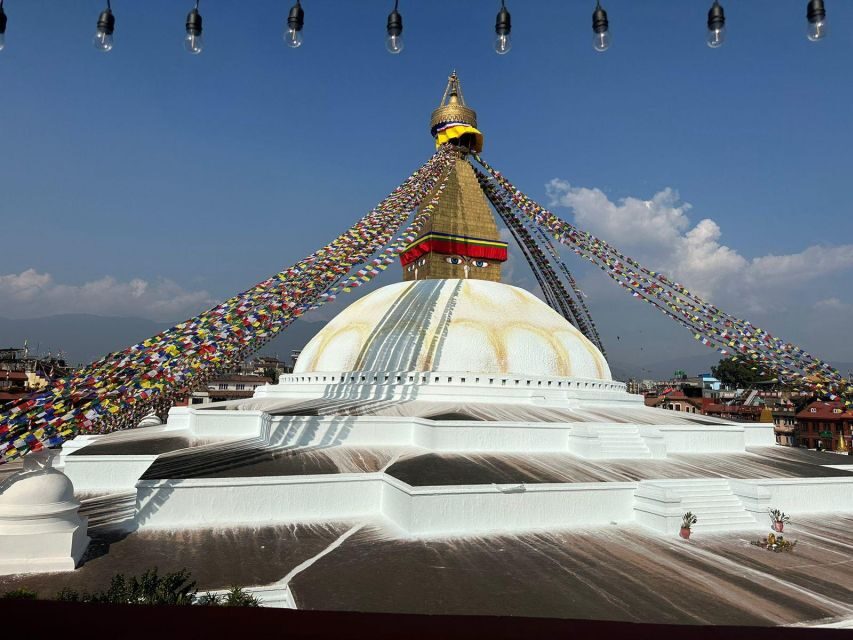
If you want this day to feel right, treat it like you’re sharing space with people’s faith, not just sightseeing. At Boudhanath, the clockwise kora is key. Move with the flow and don’t cut across people mid-circuit. At Pashupatinath, follow your guide’s instructions about where you can stand and how to watch respectfully.
Dress and behavior matter too. The tour explicitly prohibits nudity, but beyond that, you’ll feel better if you dress for temple-level respect—practical layers, modest coverage, and closed-toe shoes for walking.
For markets, keep your expectations realistic. You’ll see offers to buy things. If you’re not interested, a calm no goes a long way, and vendors can take it without turning hostile. The guide’s presence helps too, because you can focus on the day’s meaning instead of negotiating in a second language.
Who should book this sacred Kathmandu morning (and who shouldn’t)
This tour is a strong match if you want:
- One day, two major religious sites with clear guidance,
- time to do the kora and use prayer wheels,
- and a direct look at Hindu cremation rituals at Pashupatinath, with context.
It’s less of a match if:
- you’re uncomfortable with cremation ceremonies,
- you need extra accessibility and mobility support beyond typical walking and crowd movement (the tour doesn’t list accessibility details),
- you have respiratory issues,
- or you’re traveling with kids under 12.
One practical tip: go with a mindset of quiet observation. The tour works best when you let it slow you down rather than trying to “collect” photos or explanations at speed.
Should you book Sacred Kathmandu: Aarati, Cremation Rites & Stupa Serenity?
I’d book it if you want a meaningful, structured introduction to Kathmandu’s spiritual landscape—especially the combo of Boudhanath’s devotional circle and Pashupatinath’s cremation rituals. The guide-led context is a big part of why this feels more like understanding than just watching.
I’d think twice if the cremation component would make you anxious or if the idea of crowded walking doesn’t fit your comfort level. If you’re sensitive, plan to mentally prepare, and choose a seat in your day where you can take breaks.
If you do book, keep the day simple: light packing, bring your ID, budget for the listed UNESCO entry fees, and go in ready to be respectful and reflective. That’s when the experience pays you back.
FAQ
How long is the tour?
The tour duration is listed as 5 hours.
What does the tour cost?
The price is listed as $45 per person.
Where do I get picked up and dropped off?
Pickup includes options in Thamel, Kathmandu, and drop-off is also listed as Thamel, Kathmandu.
Are entry fees included?
No. Entry fees are not included: NRs 1000 at Pashupatinath Temple and NRs 400 at Boudha Stupa.
What sites are included in the itinerary?
You visit Boudhanath Stupa and Pashupatinath Temple as the main stops.
Does the tour include a guided experience?
Yes. It includes an expert guided tour at Boudhanath Stupa, along with guided time at the cremation rites at Pashupatinath.
What language(s) is the guide available in?
The live tour guide is available in English, Chinese, and Russian.
What should I bring for the tour?
You should bring your passport or ID card. A copy is accepted.
Is the tour suitable for children or respiratory issues?
It is not suitable for children under 12 and it is also listed as not suitable for people with respiratory issues.