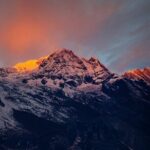
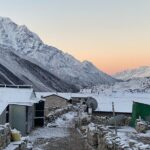
One pass and some serious legs. The Manaslu Circuit with Tsum Valley is a focused, lower-crowd alternative where I like the teahouse rhythm (food and sleep handled) and the big reward of Larke Pass panoramas. The main consideration is the altitude and long walking days, especially with the high crossing at Larkya/Larke La (5420 m).
What makes this trip feel practical is the way logistics are handled for you: you get pickup, a Kathmandu hotel, and trekking support built around a licensed guide plus a porter ratio of 1 porter for 2 people. You still do the work on the trail, but you avoid the stress of map-and-compass uncertainty with a team that keeps the schedule moving (and, in real life, helps with the little stuff too).
In This Review
- Key takeaways before you commit
- Why Manaslu Tsum Valley Feels Less Crowded Than Nepal’s Main Trails
- Price and Logistics: What Your $1,250 Actually Buys
- Kathmandu Setup: Half-Day Sightseeing and a 3-Star Reset
- Trek Support That Keeps You on the Route: Licensed Guides and Porters
- The Budhi Gandaki River Days: Steady Walking With Big Scenery
- Tatopani Hot Springs: Your Feet’s Favorite Detour
- Tsum Valley Culture: Mani Walls, Chortens, and Quiet Monasteries
- Samagaon and the Manaslu Base Camp Dream (If Your Route Includes It)
- Larkya/Larke La at 5420 m: The Day You Plan for Twice
- The Peak Lineup: Manaslu and Friends From Every Angle
- Tea Houses, Meals, and the Comfort Trade-Off
- Who This Trek Fits Best (And Who Might Reconsider)
- Should You Book This Manaslu Circuit Trek With Tsum Valley?
- FAQ
- How many travelers are in the group?
- What time does the trek start?
- What’s included for trekking during the days on the trail?
- Is there accommodation included in Kathmandu?
- Does the price include airport pickup and drop?
- Are drinks included during the trek?
- Do I need travel insurance?
- Can I cancel and get a full refund?
Key takeaways before you commit
- Larke La (5420 m) is the headline: expect a long day, then a payoff with wide mountain views
- Budhi Gandaki River walking: long stretches along the river feel steady and surprisingly calm
- Tatopani hot springs reset: a classic stop to loosen up before higher ground
- Tsum Valley culture stops: chortens, mani walls, and monastery visits make the trek more than scenery
- Small group size (max 16): easier pacing and fewer trekking bottlenecks than the big-name routes
Why Manaslu Tsum Valley Feels Less Crowded Than Nepal’s Main Trails
Manaslu has a reputation for big views with fewer people jamming the trail every hour. That matters. When you hike through the Himalaya with space around you, you tend to walk better and notice more: prayer flags, village life, and the change in terrain as the valley narrows.
The Tsum Valley portion adds another layer. It is not just about reaching a pass; it is about moving through places with Buddhist influence and quiet stone-built spiritual landmarks. You get that sense of a route that still feels like local life, not just a checklist.
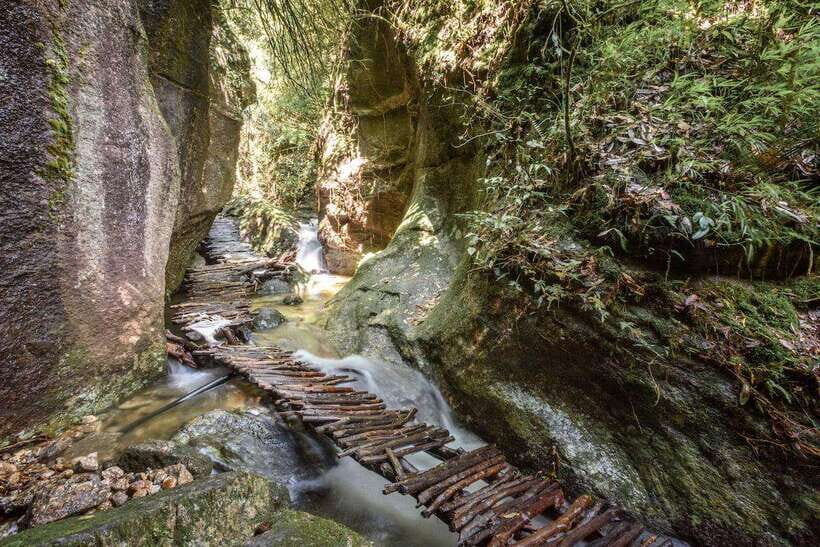
The route also tracks along the Budhi Gandaki River, which gives you a natural corridor to walk in. For many trekkers, that helps mentally: you’re not constantly guessing where the next turn is, and the river valley keeps the rhythm steady.
You can also read our reviews of more hiking tours in Kathmandu


Price and Logistics: What Your $1,250 Actually Buys
At $1,250 per person, this is an economical group trek compared with the private-guided style that can balloon quickly in Nepal. The value comes from what is included, not from cheap pricing.
Here’s what you’re paying for in practical terms:
- Permits and trekking paperwork are handled
- Guides and porters are included (plus insurance for the guide and porters)
- Tea house meals during trekking and tea house accommodation are included
- Transportation overland and Kathmandu pickup/drop are included
- A 3-star hotel in Kathmandu and half-day sightseeing with transport are included
You still cover what’s not included: drinks, and lunches/dinners in Kathmandu (and Pokhara, if your trip plan includes it). You also need your own personal travel insurance. And since the program notes rescue support depends on your guest insurance, you do not want to skip that step.
Overall, if you want the Manaslu experience without hiring everything separately, this kind of package is usually where your money makes sense.
Kathmandu Setup: Half-Day Sightseeing and a 3-Star Reset
Your trip starts in Kathmandu with an airport pickup and a 3-star hotel. You also get half-day Kathmandu sightseeing with transportation. That half day is not just about ticking off landmarks; it’s about getting your bearings.
Kathmandu can feel chaotic at first. Having transport ready and a schedule already in motion helps you avoid a common mistake: spending your first day figuring out logistics instead of acclimating and resting.
The meeting time is 9:15 am, and the meeting point is described as near public transportation. That’s helpful if you arrive early or want to handle anything last-minute.
Trek Support That Keeps You on the Route: Licensed Guides and Porters
This is a guided experience with professional trekking support, and that changes how the days feel. A guide reduces risk in the very practical ways: route clarity, timing between tea houses, and knowing when conditions require an adjustment.
Porters matter too. The porter rule is clear: 1 porter for 2 people. Even if you carry a daypack, this setup can protect your body from the kind of fatigue that sneaks up over multiple high-walking days.
In past trips organized by the same operator, guides like Pasang, Indra Baram, Aitey, Ram, Santosh, and Raj are repeatedly praised for being helpful and keeping people moving comfortably. Porters such as Padham Gurung are mentioned as well. Your exact guide may differ, but the theme is consistent: the people on the ground try to make the trek feel manageable.
The Budhi Gandaki River Days: Steady Walking With Big Scenery
One of the most enjoyable aspects of this trek is how it uses the Budhi Gandaki River corridor. You often get a long, continuous feel to the walking, with the trail following the river’s path and passing through villages that give you regular rhythm breaks.
The river also helps you gauge your day. When you’re walking along sandy banks and village stretches, the trek can feel more like a long hike than a constant fight. That matters when you’re conserving energy for the high crossing later.
You should still expect real trekking effort. This trek is for active travelers with moderate fitness. In one experience, trekkers noted a walking pattern of 7–8 hours on many days early in the route, so plan your training accordingly. If you’re older, this can still work, but you’ll want strong legs and smart pacing.






Tatopani Hot Springs: Your Feet’s Favorite Detour
Tatopani is where the trek shifts from pure hiking to recovery with a simple reward: hot spring baths. After days of altitude changes and long steps, warm water can feel like a cheat code.
This is the kind of stop that’s worth doing even if you don’t feel beat up yet. Once you enter the higher sections, your body will remind you that foot care is not optional.
If you’re prone to blisters, this is a good time for basic maintenance too: wash, dry, check nails, and reset your socks strategy before moving on.
Tsum Valley Culture: Mani Walls, Chortens, and Quiet Monasteries
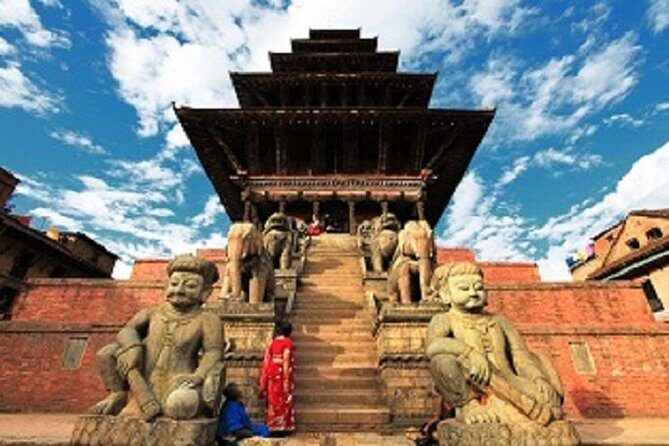
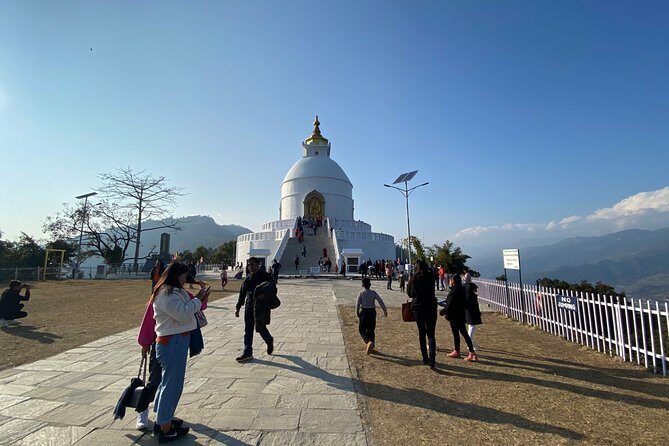
Tsum Valley is where the trek becomes more human. Instead of looking only up at peaks, you look outward: at stone walls covered with prayer inscriptions, chortens, and monasteries that hold the spiritual character of the region.
This valley is also tied to ethnic cultures you’ll hear about along the way, including Gurung, Magar, and Sherpa groups. That matters because Manaslu is not just “a route.” It’s a living network of communities and traditions, and the Tsum segment helps you slow down and notice.
If you like trekking that teaches you something while you walk, this is a big reason to choose the Tsum extension rather than only chasing passes.
Samagaon and the Manaslu Base Camp Dream (If Your Route Includes It)
Some versions of Manaslu trekking programs include time around areas like Samagaon and even a push toward Manaslu Base Camp. In one account from this operator, that kind of side trip was part of the experience.
If your plan includes it, expect more big-scenery hiking and a strong emotional payoff when you finally see the mountain’s presence up close. But also expect extra altitude stress and an even greater need for good pacing.
If you’re unsure whether this is included in your exact departure, ask your organizer directly before you train for it like it’s guaranteed.
Larkya/Larke La at 5420 m: The Day You Plan for Twice
Crossing Larkya La / Larke La (5420 m) is the signature challenge, and it deserves your full attention. The climb is not just about fitness. It is about staying steady, not rushing, and respecting the thin air.
Your reward is described clearly: panoramic views from the pass viewpoint. This is why people tolerate the hard day. From there, the view isn’t one mountain. It’s multiple peaks and ridgelines stacking into the horizon.
Practical advice: if you tend to start too fast, fight that urge on the pass day. The people who reach the top usually do so by moving efficiently, not by trying to win a race against the trail.
Also remember that weather affects visibility. If it’s poor, you may not see the same view you planned for. That’s part of high-altitude reality.
The Peak Lineup: Manaslu and Friends From Every Angle
This trekking route is built around dramatic mountain viewing. You’re likely to see:
- Manaslu (8,156 m)
- Himalchuli (7,893 m)
- Bouddha Himal
- Ngadi Chuli
- plus other peaks like Sarangi Himal (7,161 m) and Ganesh Himala II (7,118 m)
What I like about this is variety. Many treks offer one hero peak and a lot of in-between hills. Manaslu gives you multiple notable summits, and the angle changes as you move valleys and cross ridges.
That’s also why a guided approach helps. When you’re not sure what you’re looking at, a good guide turns “cool mountains” into something more specific, and it makes the long days feel smarter.
Tea Houses, Meals, and the Comfort Trade-Off
On this trek, you stay in tea houses and include accommodation and all meals during trekking. That is a big stress reducer. You do not have to negotiate food every night, and you can plan your calorie intake more easily.
The tea house style does have its trade-offs. Rooms can be simple, and hot water or plug access can vary by stop. Still, the general pattern tends to be warm and practical: you eat, you rest, you get ready for the next altitude change.
If you know you’ll sleep poorly in basic rooms, bring eye shades, ear plugs, and a warm layer you trust. Those small things matter more in the Himalaya than people expect.
Who This Trek Fits Best (And Who Might Reconsider)
This is a moderate-fitness trek designed for active travelers who want epic views without the crowds of Nepal’s busiest routes. It is also a good match for people who prefer structure: permits, transport, guides, porters, and meals are handled.
It can also work for older travelers if they pace well. One account specifically notes a team of all over 65 years old successfully doing the circuit, which tells you the trek is doable when your guide keeps the plan realistic and your body is prepared.
Who should think twice:
- If high altitude frightens you, this route includes a major pass at 5420 m
- If you cannot walk for long hours on consecutive days, the early days can feel demanding
- If you strongly rely on luxury comforts, tea houses are basic by nature
Should You Book This Manaslu Circuit Trek With Tsum Valley?
I’d book this if your dream is to see big Himalayan peaks with fewer people on the trail, and you want a trip where the hard parts are handled for you behind the scenes. The combination of tea houses + included meals + licensed guide + porter support is the core value.
I would hesitate if you’re not comfortable with altitude or you’re looking for a casual stroll. This trek asks for planning and effort, especially around the Larke La crossing.
Before you pay, check one thing with your organizer: whether your exact departure includes any optional push toward Manaslu Base Camp areas, since some versions do and others may not.
If you’re ready for a real trek and you want the Manaslu region’s quieter side, this is a smart way to go.
FAQ
How many travelers are in the group?
The tour has a maximum of 16 travelers.
What time does the trek start?
The start time listed is 9:15 am.
What’s included for trekking during the days on the trail?
The package includes all meals during trekking and accommodation in tea houses, plus a professional trekking guide, porters (1 porter for 2 people), and trekking permits.
Is there accommodation included in Kathmandu?
Yes. You get accommodation in Kathmandu in a 3-star hotel.
Does the price include airport pickup and drop?
Yes, airport pickup and drop are included.
Are drinks included during the trek?
No. All drinks (soft and hard) are not included.
Do I need travel insurance?
Personal travel insurance is not included. The package notes rescue help depends on guest insurance.
Can I cancel and get a full refund?
Cancellation is free up to 24 hours in advance of the experience start time for a full refund.