REVIEW · KATHMANDU
4-day Poon Hill Trek
Book on Viator →Operated by Mosaic Adventure · Bookable on Viator
Poon Hill is the kind of morning you remember. This 4-day trek from Pokhara gets you hiking in Nepal’s Annapurna conservation area with teahouse meals included, plus a guide to help you stay on track. I love that you get real mountain views and village life without the long, punishing time commitment. One thing to consider: you’ll need a moderate fitness level and you should plan to spend extra on drinks along the trail.
If you like your travel with early starts, this delivers. Sunrise at Poon Hill is the main event, and the route is paced so you can keep moving while still enjoying the villages and the big Himalayan scenery overhead. With porters (one for every two trekkers), you also cut down the strain so you can focus on your footing and your camera.
The best fit here is people who want an organized, scenic trek without getting lost. You’re also dealing with a real mountain timetable: start early, hike daily, and rely on your guide for navigation and rhythm.
In This Review
- Key things I’d count on before you go
- First Look: Why this Poon Hill trek feels worth the effort
- Price and logistics: What $400 really covers (and what it doesn’t)
- Your day-to-day rhythm over 4 days
- Day 1: Into the Annapurna foothills (and your first teahouse night)
- Day 2: Village hiking and Himalayan views that keep changing
- Day 3: Getting ready for sunrise season (without burning out)
- Day 4: Poon Hill at sunrise, then back toward Pokhara
- Poon Hill sunrise: How to make the most of it
- The teahouse setup: Comfort that doesn’t slow you down
- The guide and porters: Why this trek stays comfortable
- Who this trek is best for (and who should skip it)
- What to pack (so day three doesn’t ruin day four)
- Should you book this 4-day Poon Hill trek?
- FAQ
- What does the trek include?
- Where does the trek start?
- Are meals included?
- Are drinks included?
- Do I need a guide?
- How do porters work on this trek?
- How many people are in a group?
- How fit do I need to be?
- When will I get confirmation after booking?
- What are the age limits?
- Is the booking changeable if I need to cancel?
Key things I’d count on before you go
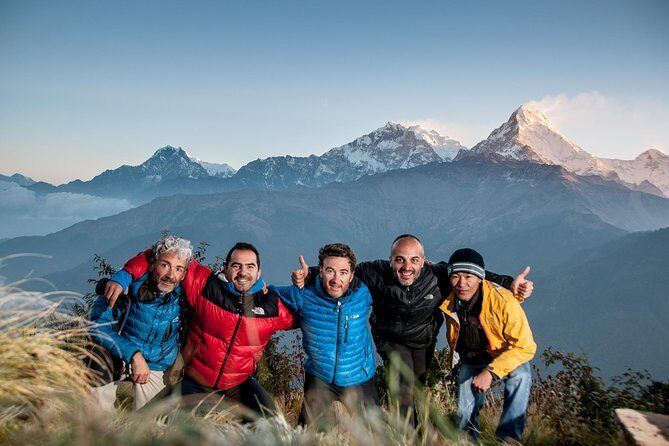
- Sunrise at Poon Hill is the whole point, with close-up Himalayan views
- Start-to-finish transfers include return transport to Pokhara
- Teahouse accommodation and meals are included during the trek
- Licensed English-speaking guide means easier logistics and navigation
- Porters lighten your load (one porter for every two trekkers)
- Small groups (max 12) keep the pace more manageable
First Look: Why this Poon Hill trek feels worth the effort
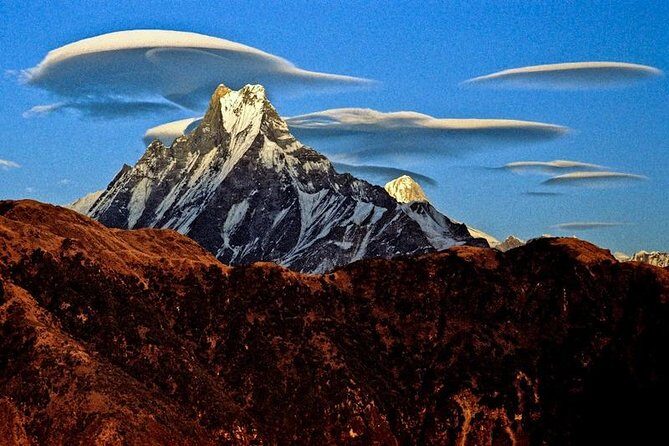
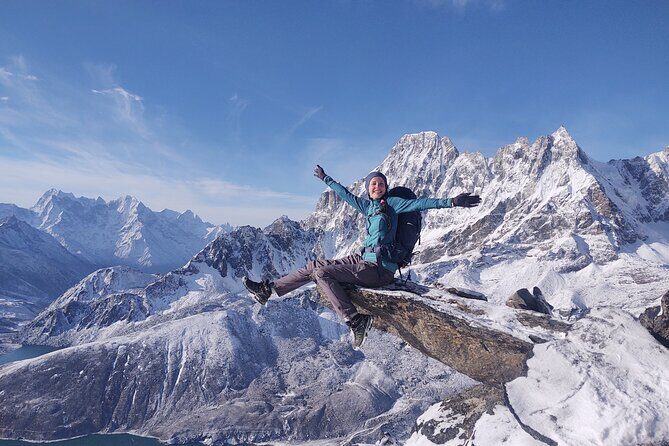
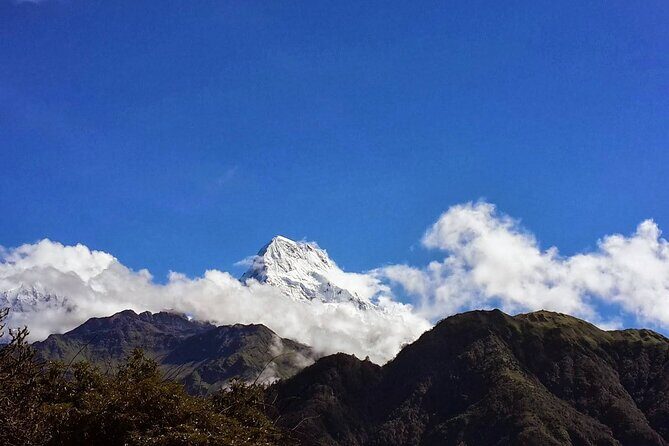
A lot of mountain trips sell the view. This one earns it. You’re heading into the Annapurna conservation area, where you’ll see Himalayan peaks, pass through small villages, and get the classic trekking rhythm: walk, pause, breathe, and look up again.
What makes the experience feel practical is how much is handled for you. You get included start and finish transfers to Pokhara, plus a guide who helps you avoid getting lost. That matters more than people think, especially on trails where signage can be inconsistent and the weather can change fast.
Value is decent for what’s included. The price is $400 per person for a 4-day trek, and a big chunk of that is meals during the trek, teahouse lodging, required permits/taxes, and a licensed English-speaking guide. You’re not just paying for walking time—you’re paying for fewer moving parts.
You can also read our reviews of more hiking tours in Kathmandu


Price and logistics: What $400 really covers (and what it doesn’t)
Let’s make this simple. Included:
- Return transfers to Pokhara
- Licensed English-speaking guide
- Teahouse accommodation during the trek
- Breakfast, lunch, and dinner during the trek
- Required permits and all taxes
Not included:
- Beverages like tea/coffee and bottled water (you’ll need extra cash)
- Tipping your guide (expected)
The hidden win here is the porter system: one porter for every two trekkers. That’s one of the biggest “feel” differences between a tour that’s truly trekking-friendly and one that’s more like endurance theater. Even if you’re fit, a lighter pack changes how your legs feel later in the day.
Also, you get a mobile ticket. That’s a small modern convenience, but it does reduce last-minute hassle.
Your day-to-day rhythm over 4 days
This trek is built around daily hiking, overnight teahouse stays, and one major early-morning payoff. Exact route details aren’t the focus here; the focus is the experience: villages, mountain views, and getting to the sunrise viewpoint with enough time to enjoy it.
Day 1: Into the Annapurna foothills (and your first teahouse night)
Your trek kicks off after pickup and included transfers from the Pokhara area. The point of day one is getting you walking into the Annapurna conservation area without wasting time. You’ll start building that rhythm right away: steady hike, frequent breaks, and plenty of chances to look up at the peaks when the clouds cooperate.
What I like about this style of day one is that it doesn’t demand heroics. You’re moving with your guide, so you’re not constantly recalculating the route. And because you’re staying in typical teahouses, you’re not waiting around for a hotel to find your comfort.
Day 2: Village hiking and Himalayan views that keep changing
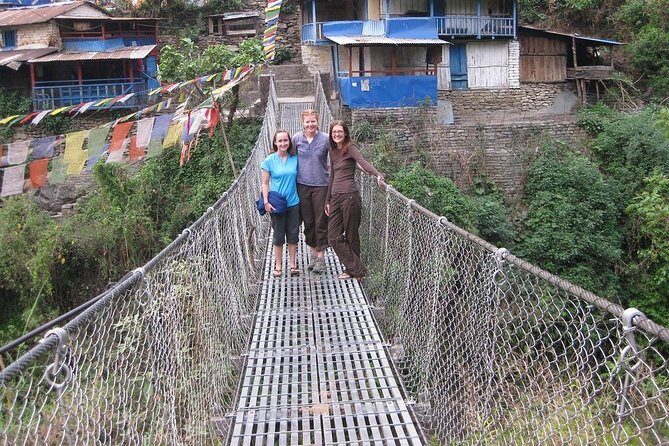
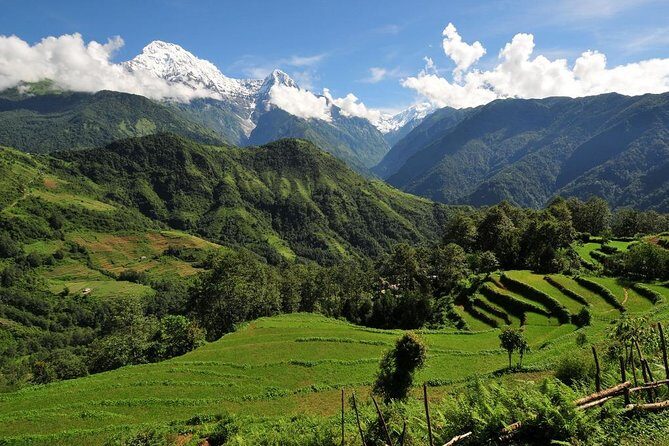
On the second day, you’ll keep trekking through the villages and viewpoints of the Annapurna conservation area. This is where the experience starts to feel more like local travel and less like a checklist.
The trekking itself is usually about patience: take your time on the climbs, enjoy the flatter stretches, and don’t rush your breathing. The guide’s job isn’t just directions. It’s pacing—so you can actually enjoy the scenery instead of fighting your legs.
If the weather is clear, views can shift dramatically throughout the day. If it’s not, you’ll still get the texture of the valleys and the sense of life on the trail.
A few more Kathmandu tours and experiences worth a look
Day 3: Getting ready for sunrise season (without burning out)
Day three is about getting yourself close enough and positioned well enough for the early sunrise moment. The trek’s main highlight is the close-up look at the Himalayas from Poon Hill, so the day is geared toward setting up that morning.
This is where I’m glad the tour includes a guide to help you avoid getting lost. Early mornings on mountain trails are not the time to experiment with navigation. You want calm, clear steps, and the team handling the route so you can focus on waking up and staying steady.
Day 4: Poon Hill at sunrise, then back toward Pokhara
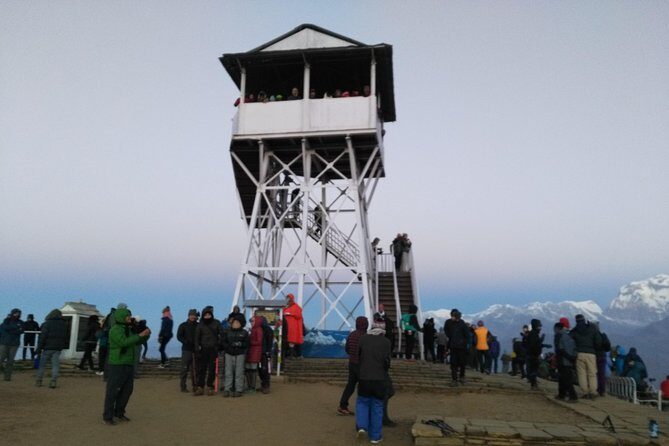
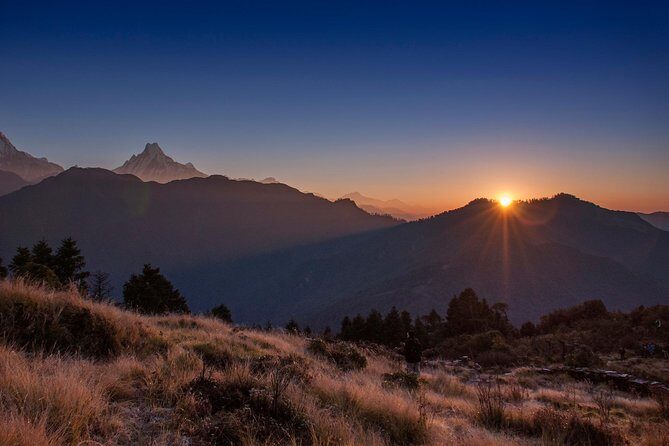
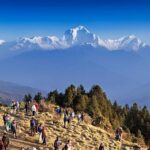
On the final day, you’ll hike up for sunrise viewing over the Himalayas from Poon Hill. This is the “hold your breath” part of the trip, the moment where the effort feels instantly justified.
After sunrise, you’ll descend and finish up your trek, then connect back with your included return transfers to Pokhara. The end is designed to feel clean and organized, not like you’re scrambling to arrange a ride when you’re tired.
Poon Hill sunrise: How to make the most of it
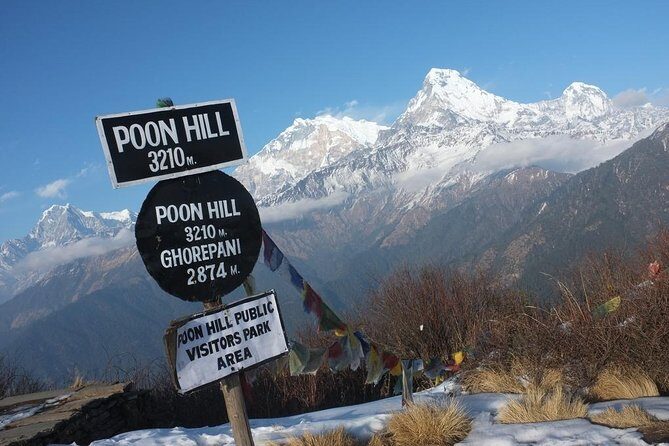
Sunrise at Poon Hill is the centerpiece, and it rewards good timing and a little practical thinking.
Here’s what you should plan for:
- Expect it to be cold early. Bring layers you can add or remove fast.
- Bring a headlamp or small light source so you’re not fumbling on the path.
- Give yourself time to settle before the sun crests the horizon. Don’t treat it like a sprint.
Even if you’re not chasing a perfect photo, this is still a very human moment. Watching the light climb across the peaks is one of those “okay, I get why people keep coming back” scenes.
The teahouse setup: Comfort that doesn’t slow you down
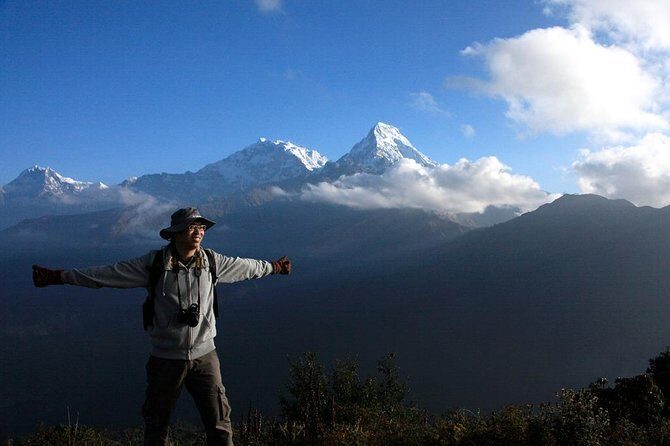
You’ll stay in typical teahouse accommodation on the trek, and meals are included during your hiking days. That matters because teahouses keep travel simple: you know you’ll have a place for the night and you won’t have to hunt down food right after a long walk.
Meals include breakfast, lunch, and dinner during the trek. That also helps you pace energy. You’re less likely to arrive hungry and cranky, which is always a plus when altitude is doing its own thing.
One practical reminder: beverages are not included. Tea/coffee and bottled water can add up, so I recommend you budget for drinks rather than assuming everything is covered.
The guide and porters: Why this trek stays comfortable
This tour includes a hike with a guide who helps you avoid getting lost. That’s not just convenience. It affects the whole mood of the trek. You don’t spend mental energy second-guessing directions; you spend it watching the mountains and moving steadily.
I also want to highlight the guide feedback tied to this experience: people rave about a guide named Purna for making the trek feel more meaningful than they expected. That’s a good sign. A strong guide brings the trail to life—small explanations, helpful timing, and calm confidence when conditions shift.
Then there are the porters. With one porter for every two trekkers, your load is lighter than it would be on an independent hike. Your legs will notice that. Your back might notice it even more.
Who this trek is best for (and who should skip it)
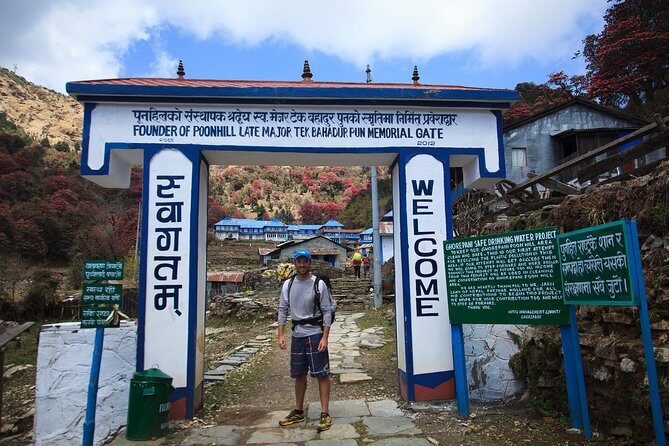
This is ideal for active travelers who want a Himalayan hiking experience without a huge time commitment. It’s also a great option if you want the mountains plus villages, but you don’t want to manage permits, navigation, and food logistics on your own.
You’ll want at least moderate fitness. The trek isn’t framed as a casual stroll, and the mountain context matters. Minimum age is 12, so it can work for older teens with solid endurance.
If you hate early starts, sunrise-focused itineraries may not be your thing. But if you like mornings that start before you fully wake up, you’ll appreciate how the trip is structured around a payoff.
What to pack (so day three doesn’t ruin day four)
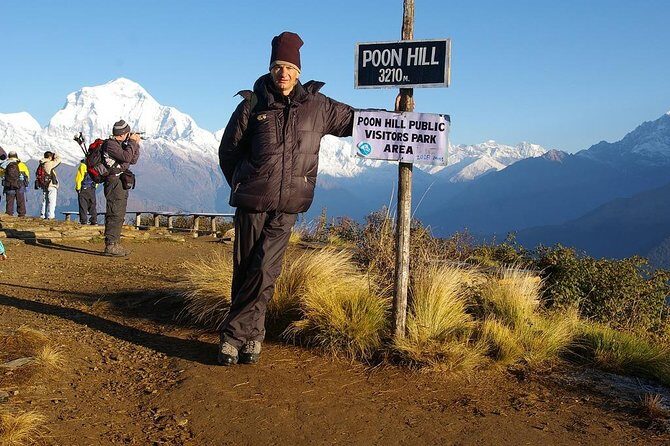
The tour data doesn’t list gear, so I’ll keep this practical and general. For a 4-day trek with early-morning sunrise:
- Layers for cold mornings and warmer midday walks
- A daypack that fits your porter-friendly load
- Sturdy footwear with good grip
- A light rain shell or dependable rain protection (weather can change)
- Cash for beverages (since drinks aren’t included)
- A small headlamp or flashlight for pre-dawn starts
Also, bring a reusable water plan if you can, but remember bottled water costs extra unless provided. The tour includes meals; it does not list water as included.
Should you book this 4-day Poon Hill trek?
I think you should book if you want:
- Sunrise views from Poon Hill without the stress of planning
- A guided trek that helps you stay oriented
- Teahouse nights plus meals during the trek
- A lighter carrying setup thanks to porters
I’d hesitate if you:
- Don’t handle early starts well
- Want a fully independent trek experience
- Don’t want to budget extra for drinks and guide tipping
If you’re on the fence, here’s an honest way to decide: ask yourself whether you want the mountains more than you want freedom from structure. This trek is built for people who value a smooth, scenic experience with less logistical friction—and when the sun hits those peaks, you’ll feel why.
FAQ
What does the trek include?
Return transfers to Pokhara, a licensed English-speaking guide, teahouse accommodation during the trek, and breakfast, lunch, and dinner during the trek are included. Required permits and all taxes are also included.
Where does the trek start?
You’ll have pickup and included transfers tied to Pokhara. The start time is listed as 7:15 am.
Are meals included?
Yes. Meals during the trek include breakfast, lunch, and dinner.
Are drinks included?
No. Beverages like tea/coffee and bottled water are not included.
Do I need a guide?
Yes. The trek includes a guide, and the tour is set up to help you avoid getting lost.
How do porters work on this trek?
You’ll hike comfortably with porters, with one porter for every two trekkers.
How many people are in a group?
The maximum group size is 12 travelers, and the minimum per booking is 2 people.
How fit do I need to be?
This trek is for travelers with a moderate physical fitness level.
When will I get confirmation after booking?
You should receive confirmation within 48 hours of booking, subject to availability.
What are the age limits?
Minimum age is 12 years.
Is the booking changeable if I need to cancel?
The experience is non-refundable and cannot be changed for any reason. If you cancel or request an amendment, the amount paid will not be refunded.