REVIEW · KATHMANDU
4 Days Mardi Himal Base Camp Trek – 4500 Meters
Book on Viator →Operated by Couch Adventure Nepal (CAN) · Bookable on Viator
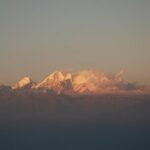
Four days can feel like a shortcut to altitude. Mardi Himal Base Camp Trek keeps it focused: you’ll reach 4,500 meters fast, spend time with sweeping views of the Annapurna and Fishtail ranges, and still pass through quieter forests and rural life.
I love how this trek is built for short time. You get a clear plan from Pokhara up to High Camp (3,550m) and then to the base camp, with an overnight at High Camp before the 4,500m goal.
My one caution is the altitude timeline. A 4-day trek is compact, so you’ll need to pace yourself and take the climbs seriously, especially on Day 2 and the early morning push to Base Camp.
In This Review
- Key reasons this trek works so well
- Mardi Himal Base Camp in four days: the honest deal
- Day 1: Phedi to Forest Camp via Australian Camp and Pothana
- Day 2: High Camp climb through cliffs, bamboo, and rhododendron
- Day 3: High Camp to Mardi Himal Base Camp at 4,500m
- Day 4: High Camp down to Sidding, then back to Pokhara
- The guides: what their style actually changes for you
- What’s included (and why it’s worth it at this price)
- Accommodation and meals: how to plan your comfort
- Altitude reality check: your biggest decision
- Price and logistics: the practical way to judge it
- Who this trek suits best
- Should you book this 4-day Mardi Himal Base Camp trek?
- FAQ
- What’s the highest altitude on this trek?
- How long is the trek each day?
- Is pickup and drop-off included in Pokhara?
- Do I need a permit for the trek?
- What kind of accommodation will I have?
- Are meals included?
- Can I cancel for a refund?
Key reasons this trek works so well
- Fast route, smart staging: You sleep at High Camp (3,550m) before going up to Mardi Himal Base Camp (4,500m).
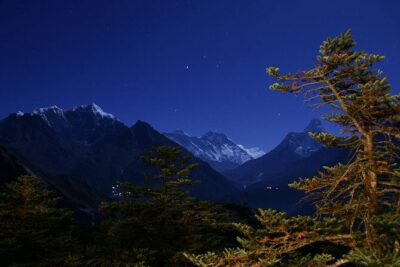
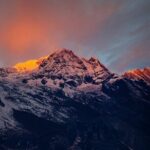
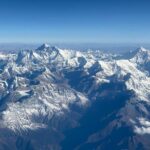
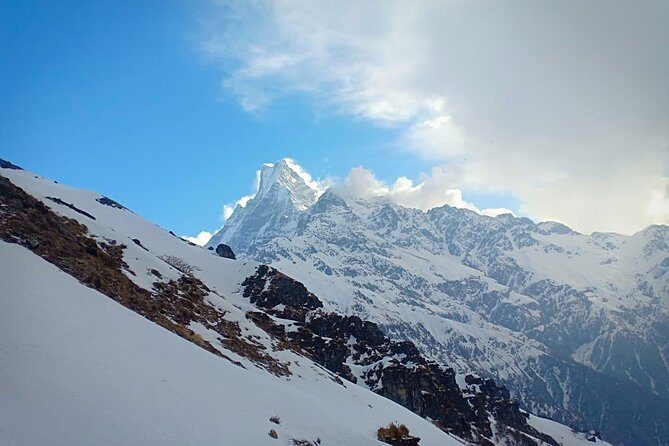
- Very close mountain views: Expect big looks at Annapurna and Fishtail along the ridge and at the top.
- Forest trails with seasonal-feeling color: Bamboo and rhododendron forests show up on the way to High Camp.
- Peaceful, non-chaotic vibe: The trail stays calm compared with busier trekking routes.
- A guide who manages your day: Reviews highlight guides like Biru, Amrit, Dadhi, and Prakash for keeping things smooth and safe.
- Good value for what’s included: Permits (TIMS + trekking permit), transfers, guide, and basic lodging are part of the package.
Mardi Himal Base Camp in four days: the honest deal
If you want Mardi Himal Base Camp but you don’t want a long commitment, this is a sensible way to do it. It’s a short trekking window in a region that still feels remote, and it’s especially good for people who want strong views without weeks of logistics.
This trek runs out of Pokhara. You’re picked up from the Lakeside area, transferred to Phedi, and then the walking begins. The itinerary keeps changing elevations step-by-step: uphill on Day 1, to High Camp on Day 2, up to Base Camp on Day 3, then down to Sidding and back to Pokhara on Day 4.
The big payoff is the combination of scenery and time. You’ll get a real taste of mountain Nepal—forests, ridge walking, small villages—while still reaching 4,500m within the trip window.
You can also read our reviews of more hiking tours in Kathmandu
Day 1: Phedi to Forest Camp via Australian Camp and Pothana
Day 1 starts with a short drive: about 40 minutes from Pokhara to Phedi. Then you climb uphill through the early trekking zone that often feels like the warm-up you didn’t know you needed. The route goes via Australian Camp, then Pothana, and onward to Forest Camp.
What I like about Day 1 is that it doesn’t throw you straight into the hardest altitude right away. You ease into the rhythm with a long walking day (about 7 hours), and the trail design gives your legs time to get used to the grades.
One practical thing to know: the names sound like little waypoints, but they’re also where trail culture shows up. Small tea houses and guesthouse-style stops are the reason these routes work. You’ll see locals and basic mountain life as the trail stretches outward from the more “organized” pockets.
Possible downside: Day 1 is still a full day of trekking. If you’ve come off a long travel day to Pokhara, you’ll want an early night and simple food the evening before. The trek starts with real walking, not a gentle start.
Day 2: High Camp climb through cliffs, bamboo, and rhododendron
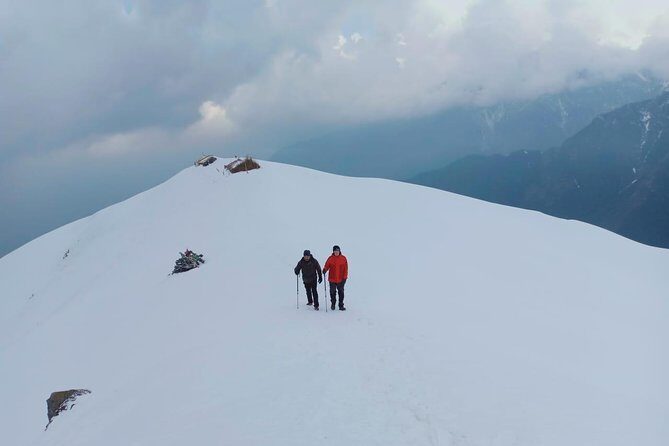
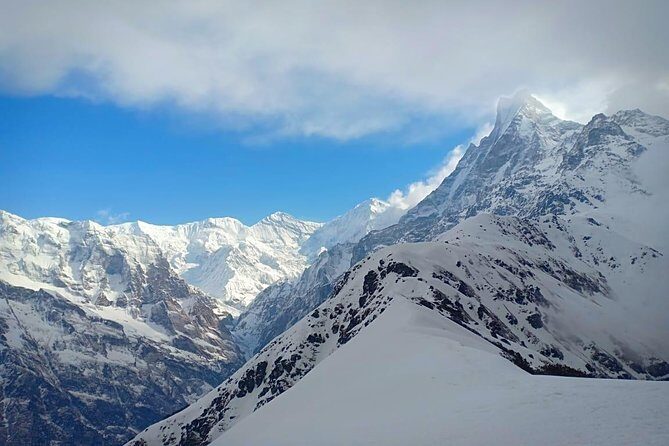
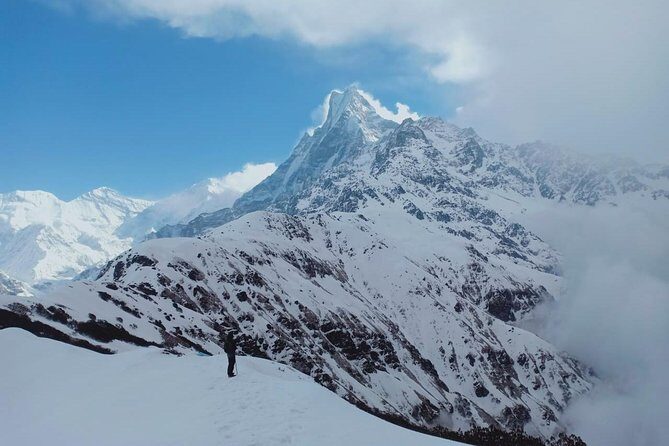
On Day 2, you start at 8:00 am. The goal today is High Camp at 3,550m, and you’ll climb through cliffs of high hills and forests. You also get scenic boosts along the way, including views of the Annapurna and Fishtail area.
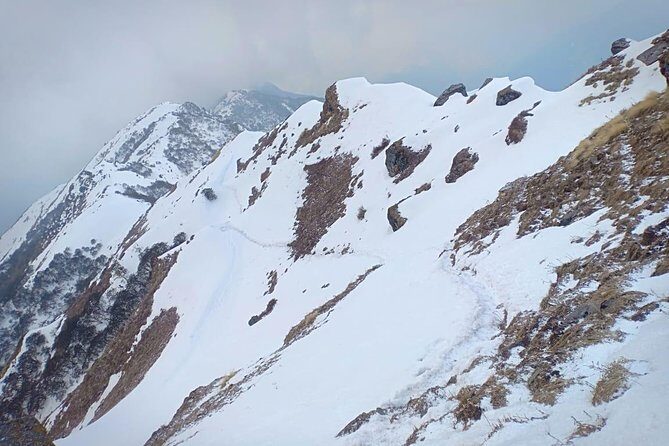
This is the day where the trail feels more like a mountain corridor. The route runs through dense bamboo and rhododendron forests. That matters because it changes how the day feels: shaded stretches can be a relief, and open sections give you those sudden, satisfying glimpses of the peaks.
Expect about 6 hours of walking to reach High Camp, and you’ll sleep there. That overnight is a key part of the trek’s value for short trips. Instead of going straight from lower elevation to base camp, the itinerary gives you a night at 3,550m to help you adjust before the bigger push.
What to consider: this day is also where pace matters most. If you go too fast early, your body pays later. Think steady and controlled—especially when the trail narrows or the incline steepens.
Day 3: High Camp to Mardi Himal Base Camp at 4,500m
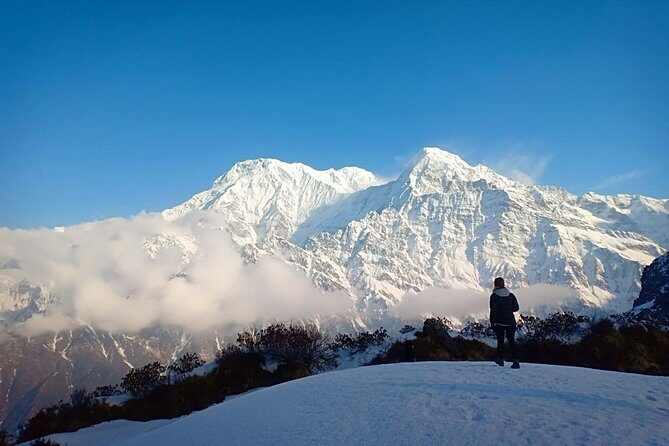
Day 3 is the headline. You leave High Camp early morning, and the trek rises to Mardi Himal Base Camp at 4,500m. The ascent is framed as a direct goal day, and it’s designed so you can reach the viewpoint, spend time there, and still return down to High Camp.
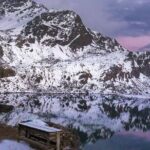
When you arrive, you get time at the base camp to enjoy a 360-degree view of the mountains. The emphasis is on the way you can see Fishtail and Annapurna from a higher, closer angle than many short treks manage.
Then you trek back to High Camp for the second overnight (about 7 hours total for the day). That descent is not wasted time. Coming down helps your body recover, and it makes the final day easier because you’re not starting Day 4 exhausted at altitude.
My practical tip: treat the summit-time as the reward, not the focus. Your job on Day 3 is to get up there safely, stay calm at altitude, and move at your own speed once you’re at the top. If you rush photos and breathless climbs, you’ll feel it on the way down.
Day 4: High Camp down to Sidding, then back to Pokhara
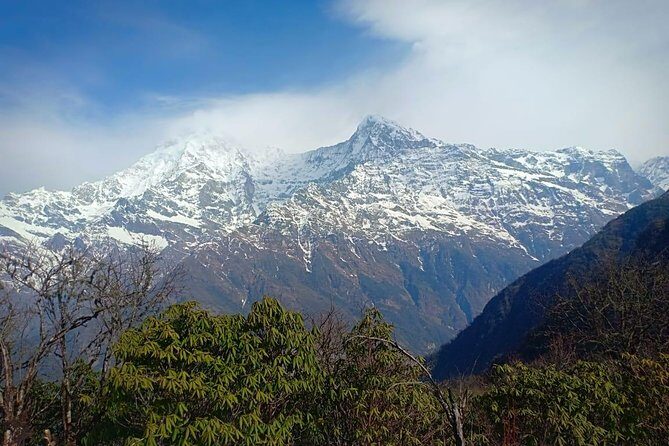
Day 4 starts at 7:00 am from High Camp. This is a longer descent day, around 8 hours, with walking through mountain cliffs, rural villages, and forest sections on the way to Sidding.
The day feels different because it’s downhill, but it still takes time. Even on a descent, your quads work. Your feet also get to deal with stones and uneven ground. Pack smart footwear and expect you’ll work muscles you don’t always notice on flat days.
Once you reach Sidding, you take a sharing local jeep drive back to Pokhara. That jeep part matters because it keeps you from spending your last day on more walking. The tour ends once you’re back in the Pokhara area.
This day is also where you see the trek’s human side. Rural village sections break up the mountain trail with a different pace and different sights, even if you’re still technically “moving” all day.
A few more Kathmandu tours and experiences worth a look
The guides: what their style actually changes for you
This trek is led by an English-speaking trekking guide, and the experience is set up as a private trip, meaning it’s only your group. That matters because it usually makes the pacing more realistic and gives your guide room to read your day.
From the experience feedback tied to this trek, several guides come up repeatedly: Biru, Amrit, Dadhi, and Prakash. The common thread is that they keep the trek feeling manageable—friendly, helpful, and tuned to comfort and safety. One guide style mentioned is giving you enough space, which I appreciate on mountain trails. You don’t want to feel rushed or babysat, but you do want clear support when conditions change.
If you’re new to trekking, a good guide is worth more than any gear checklist. They help you make better choices on pace, rest timing, and how hard to push on steep segments.
What’s included (and why it’s worth it at this price)
The price is $260.00 per person, and what’s included is a lot for a 4-day mountain trek.
Here’s what you get:
- Hotel pickup and drop-off within the Lakeside area of Pokhara
- Private car transfer Pokhara to Phedi
- Sharing local jeep Sidding back to Pokhara
- English-speaking trekking guide
- Trekking permit and TIMS
- Accommodation in a basic guest house
- Private trip
You do not get meals and drinks; those are available for purchase. You also don’t get rescue costs in emergencies, and tipping is optional.
So where’s the value? It’s in the combination of logistics + permits + guide + overnight lodging. A lot of the “hidden cost” of trekking is administrative and transportation. Here, those pieces are handled, so you’re not piecing together the trip day by day.
Is it luxury? No. Lodging is basic guest house style, which is normal for this kind of trekking. The trade-off is that you spend your time on the trail and views, not on trying to find comfort upgrades.
Accommodation and meals: how to plan your comfort
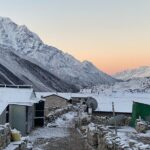
You’ll stay in basic guest houses along the route (including High Camp night on Day 2, and again after Base Camp on Day 3). Expect simple rooms and practical setups. On mountain treks, the goal is warm enough, clean enough, and close enough to sleep so you can keep trekking the next day.
Meals are not included, so you should treat food as part of your day’s rhythm. When you arrive at a stop, you’ll likely have options to buy meals and drinks. If you’re sensitive about water or stomach comfort, ask your guide what they recommend for drinking on the trail.
Also, since the itinerary is tight, you’ll want energy. I’d plan to eat what keeps you steady rather than trying to be too picky mid-trek.
Altitude reality check: your biggest decision
This trek reaches 4,500 meters. That’s the whole point, but it’s also the main factor you should respect.
The itinerary does use a smart pattern: you sleep at 3,550m before going higher, and you descend right after you reach base camp. That helps. Still, a short trek means you’re compressing time at altitude.
So your job is simple:
- move at a steady pace
- take breaks when your guide suggests
- don’t treat the early days like a cardio contest
If you have any medical concerns, this is one of those cases where you should talk to a professional before committing. The trek includes rescue cost not covered, so being proactive about safety matters.
Price and logistics: the practical way to judge it
$260 for four days in this region can look low or fair depending on what you’re comparing to. In this case, the inclusion list is the deciding factor. You’re paying for the guide, the permits (TIMS + trekking permit), transfers, and two nights of basic guest house accommodation.
You’re also getting pickup/drop-off within Pokhara Lakeside, which is a real convenience. It removes the hassle of arranging your own first transfer on Day 1.
What can affect your real cost: meals, drinks, and any personal expenses along the trail. If you tend to eat and drink more, budget accordingly. But if you keep it simple, your trekking day costs stay predictable.
Who this trek suits best
This is best for you if:
- you want Mardi Himal Base Camp but only have about 4 days
- you like a calmer trail with real mountain views
- you want a private trip with an English-speaking guide
- you’re at least moderately fit and ready for daily walking
It might not be ideal if:
- you want long acclimatization days
- you’re looking for cushy accommodation
- you dislike walking for 6–8 hours most days, even when descending
Should you book this 4-day Mardi Himal Base Camp trek?
I’d say yes if your priority is clear: hit Mardi Himal Base Camp at 4,500m with strong views of Annapurna and Fishtail in a short, well-organized schedule. The value is real because the trip handles permits, guiding, and transport, and it does it without inflating the price.
I’d hesitate only if you know altitude hits you hard or you’re worried about intense days with limited acclimatization time. In that case, you might consider a slower plan—but if you can pace yourself and take it seriously, this route gives you a satisfying mountain experience without stretching your vacation thin.
If you do book, you can also cancel for a full refund up to 24 hours in advance, which gives you some breathing room if plans shift.
FAQ
What’s the highest altitude on this trek?
The trek reaches Mardi Himal Base Camp at about 4,500 meters.
How long is the trek each day?
Day 1 is about 7 hours, Day 2 about 6 hours, Day 3 about 7 hours, and Day 4 about 8 hours of trekking/walking time.
Is pickup and drop-off included in Pokhara?
Yes. Pickup and drop-off are included within the Lakeside area of Pokhara.
Do I need a permit for the trek?
Yes. The package includes a trekking permit and TIMS.
What kind of accommodation will I have?
You’ll stay in basic guest houses during the trek.
Are meals included?
No. All meals and drinks are not included, but they are available to purchase.
Can I cancel for a refund?
Yes. You can cancel up to 24 hours in advance for a full refund. If you cancel later than 24 hours before the start time, the amount paid is not refunded.