REVIEW · KATHMANDU
Langtang Valley Trekking
Book on Viator →Operated by Everest Trekking Routes Pvt. Ltd. · Bookable on Viator
Langtang Valley delivers big mountain feelings in a short time. You get Kyanjin Gompa-level views and a trip pace that still feels doable, plus I really like that meals, permits, a guide, and lodge nights are handled for you. The main drawback is altitude can still hit, especially on the climb out of Syabrubesi and again on the push toward the higher viewpoints.
I also love the mix of nature and people. One day you’re crossing rivers and following the Langtang River corridor; the next, you’re walking past rhododendron woods and through villages like Langtang Village at 3,455m. That blend keeps the trek from feeling repetitive, even when the uphill days are demanding.
One more thing to know up front: you’ll want a moderate fitness base. This is not technical climbing, but it is long walking. If you’re prone to altitude issues, plan to go slow and listen to your body.
In This Review
- Key highlights worth your time
- Why Langtang Valley Works for a 10-Day Nepal Trek
- Kathmandu to Syabrubesi: Getting Your Bearings Fast
- Syabrubesi to Lama Hotel: Bhote Koshi and the Langtang River Rhythm
- Lama Hotel to Langtang Village: Rhododendrons, Pine, and Ghoda Tabela Flowers
- The Crucial Push to Yamphu and Kyanjin Gompa
- Kyanjin Gompa Rest Day: Monastery, Cheese Factory, and Chorkari Ri
- Back Down to Syabrubesi: Let Your Legs Recover
- Kathmandu Wrap-Up: Two Nights of Real Beds
- Food, Lodges, and How the Included Meals Affect Your Day
- Guides and Porters: The Human Edge You Can Feel
- Altitude Reality Check (Without Panic)
- Weather, Timing, and What You Should Plan For
- Price and Value: Is $750 a Good Deal?
- Who Should Book This Trek
- Should You Book Everest Trekking Routes for Langtang?
- FAQ
- What is the duration of the Langtang Valley trek?
- Where does the tour start, and when does it begin?
- How do you get between Kathmandu and Syabrubesi?
- Is airport pickup and drop-off included?
- Who provides trekking support on the trail?
- Are trekking permits included?
- What meals are included during the trek?
- What about the Kathmandu hotel?
- Is a private jeep included?
- Is there free cancellation?
Key highlights worth your time
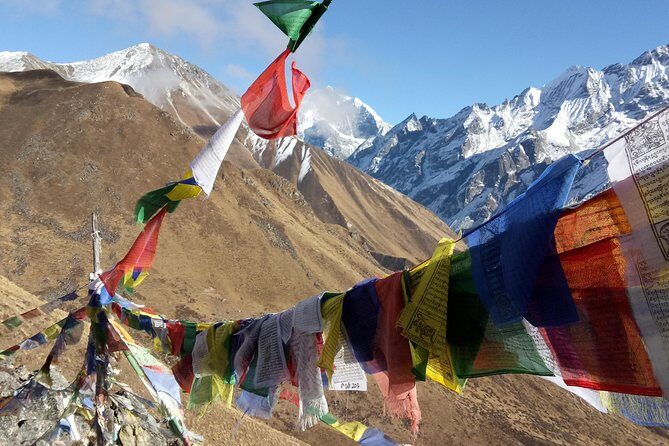
- River-and-ridge trekking from Syabrubesi along the Bhote Koshi and Langtang River for a steady feel
- Langtang Village and the rhododendron/pine trail that makes the lower elevation days genuinely pretty
- The crucial day to Yamphu (3,640m) with icefall views and big summits visible along the way
- Kyanjin Gompa rest day with time to explore the monastery and a cheese factory
- Chorkari Ri viewpoint (5,050m) for sweeping Langtang Himalayan panoramas
- Guide support that reduces stress (you get an English-speaking guide, plus a porter for every two people)
Why Langtang Valley Works for a 10-Day Nepal Trek
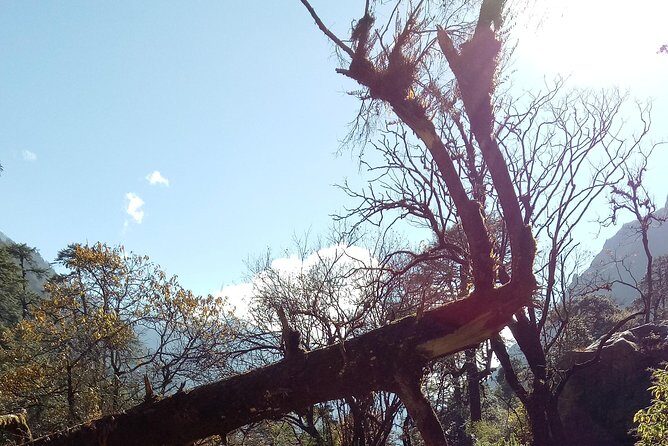
If you’re drawn to Himalayan scenery but you can’t spare weeks, the Langtang Valley trek is a smart fit. In about 10 days, you walk from the Dhunche/Syabrubesi region up toward the high Langtang Himalayan viewpoints around Kyanjin Gompa. You still get that classic Nepal feeling of changing villages, changing weather, and changing views—without needing an endless schedule.
I also like the cultural texture of this region. Langtang’s communities are known for being welcoming, and the route passes through settlements where you’re not just passing by; you’re walking through daily life. On many treks, the scenery is the star. Here, the human scale keeps things grounded.
The other quiet advantage is that the trek is organized around guesthouses and lodge nights. That matters when you’re tired. You don’t have to plan where you’ll eat or sleep each day—your time goes to walking and recovering.
You can also read our reviews of more hiking tours in Kathmandu


Kathmandu to Syabrubesi: Getting Your Bearings Fast
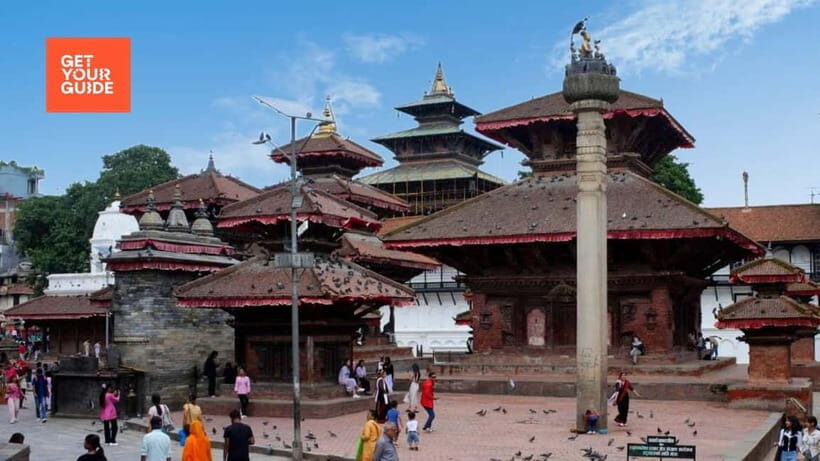
Most of your first day is about arrival and orientation. After you land, you’re driven to your Kathmandu hotel with a quick look at Kathmandu Valley—passing Pashupatinath on the way. It’s not a sightseeing marathon; it’s a way to get your bearings before the trekking rhythm starts.
Then you’ll head out of Kathmandu by road, moving through the hills north-west of the city. You’ll pass Trishuli Bazaar and continue toward Dhunche and Syabrubesi. This drive phase is more than just transport. It gives you a real sense of how the terrain tightens around you as you move farther from Kathmandu.
Transport back and forth is also part of your comfort level. You’ll use express bus for Kathmandu ↔ Syabrubesi, while airport/hotel transfers are handled by private car/van/bus. If you’re worried about long travel days, you can opt for a private jeep (not included) at USD 150 per way—but many people find the included option fine if you’re ready to rest.
Syabrubesi to Lama Hotel: Bhote Koshi and the Langtang River Rhythm
This is where Langtang starts to feel real. You walk out from Syabrubesi and cross the Bhote Koshi River, then follow the Langtang River corridor. It’s a steady progression rather than a series of wall-to-wall climbs, which is exactly what you want early on.
The walk to Lama Hotel is around 5 hours, and the route gradually rises through forests. You’ll also pass through places like Bamboo on the way to Ramche (around 2,400m). One day you’re hearing water and feeling the valley air; the next, you’re shifting into that cooler, thinner feeling that comes with higher elevations.
Wildlife sightings can happen along this section too. In the forests, you might spot wild monkeys and even red pandas. I wouldn’t plan your day around it, but it’s the kind of bonus moment that makes the forest walking memorable.
The lodge-night rhythm starts here: tea houses and guesthouses provide dinner and breakfast/lunch the next day. That makes pacing easier because you’re not hunting meals after a long walk.
Lama Hotel to Langtang Village: Rhododendrons, Pine, and Ghoda Tabela Flowers
As you head from Lama Hotel onward, the trail takes on a more botanical feel. You’ll follow paths through wooded areas with rhododendrons and pine trees—one of those stretches where the scenery changes because the vegetation changes.
There’s also a stop area called Ghoda Tabela that’s known for thick plant life. Some seasons bring a strong mix of colorful flowers, including foxgloves and red poppies. Even if flowers aren’t in peak bloom when you go, the forest cover still gives you shade and a softer walking environment.
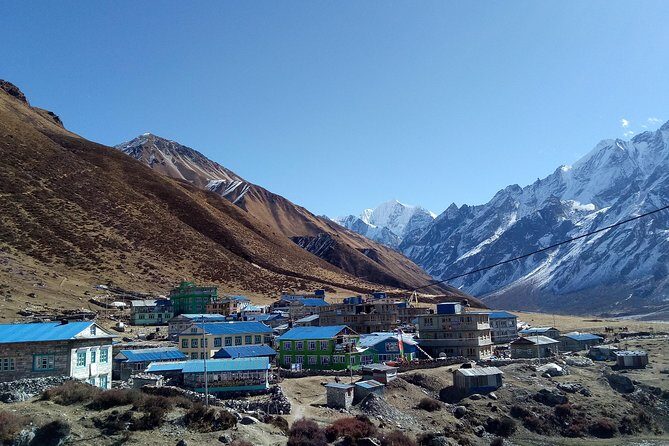
After another few hours, you reach Langtang Village at 3,455m and then continue toward Mundu. This part is important because it begins to shift your trek from “valley walking” toward “high valley living.” You’ll start to feel the altitude more, even if the day isn’t the hardest on paper.
A small practical note: as you go higher, lodge rooms and dining areas can feel cozy but basic. Bring a layer you can manage after arriving—cold settles faster in the mountains, especially when you stop moving.
The Crucial Push to Yamphu and Kyanjin Gompa
This is the day where Langtang really shows off. You start from Langtang Village, work your way toward Sindum, and then continue to Yamphu at 3,640m. It’s described as one of the most crucial days of the trek for a reason: this is where your legs and lungs both get attention.
Along the way, you traverse the Laja River and then ascend toward a viewpoint where you can see icefalls cascading from Langtang Lirung. This is also the stretch where Kyanjin Gompa comes into focus, and with it, a cluster of major peaks that make the whole valley feel bigger.
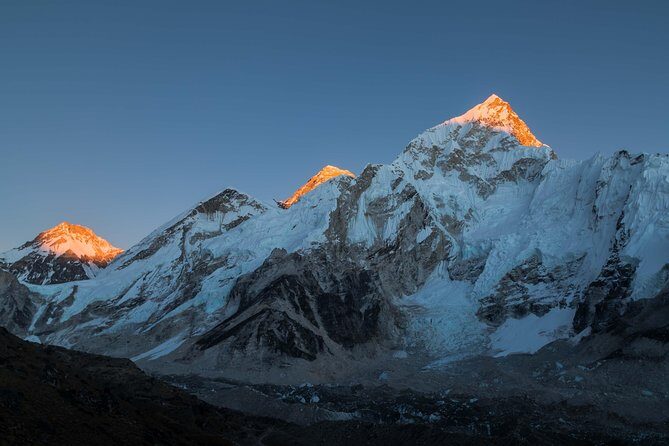
At Kyanjin Gompa, the views shift from “pretty” to “hard to look away.” Mt Gangchempo and Mt Langtang Lirung are both visible from here, and the wider range of summits gives you that strong sense of scale you came to Nepal for. You also get a lodge night, which matters because arriving to Kyanjin Gompa can leave you tired enough that you’d rather rest than plan anything.
If altitude has ever slowed you down in the past, use a simple strategy: small steps, steady pace, and don’t try to prove anything. Guides in this region tend to understand how quickly people can change at altitude, and an English-speaking guide can help you keep your rhythm.




Kyanjin Gompa Rest Day: Monastery, Cheese Factory, and Chorkari Ri
A rest day in the mountains isn’t a bonus—it’s a tool. You’ll spend the day at Kyanjin Gompa exploring the area, including time for the monastery. There’s also a cheese factory you can visit, which adds a surprisingly real-world touch to the day. It’s not only about mountain photos; it’s about how people make life work at altitude.
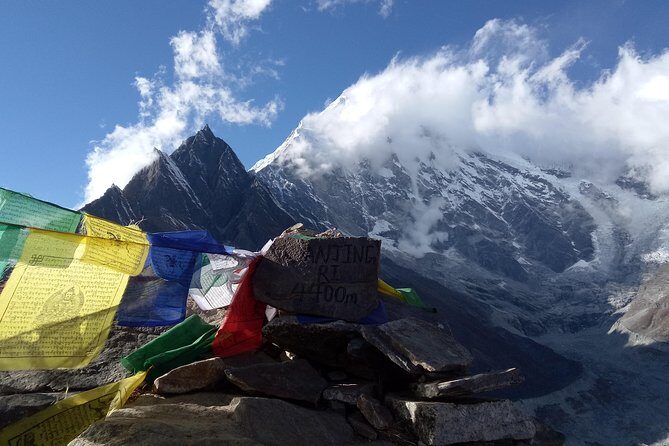
After that, you can make the climb to Chorkari Ri at 5,050m behind Langtang Village. This is a viewpoint push, but it’s one with a clear payoff: incredible vistas across the Langtang Himalayan Range.
From this area, you can see major peaks named in the trek plan, including Langshisa Ri (6,810m), Langtang Lirung (7,244m), Ganjala peak, and Gyangchempo (6,888m). Even if clouds roll in, the effort usually gives you a sense of openness that’s hard to replicate on shorter viewpoints.
This is also where you’ll appreciate the guide/porter setup. If you’re feeling slow, you can keep moving without carrying the extra weight that comes with a full personal load.
Back Down to Syabrubesi: Let Your Legs Recover
After the high point day(s), you’ll return to Lama Hotel and then descend toward Syabrubesi. The trek back down to Lama Hotel takes around 6 hours, and then the longer descent to Syabrubesi is another day of walking (around 6 hours).
This is often the most mentally tricky part. Downhills feel easier than uphills, but they can be rough on knees and shins. The fix is simple: shorter steps and more breaks. Don’t treat your downhill like a race.
Once you reach Syabrubesi, you swap walking for travel. You’ll drive back to Kathmandu (around 7 hours) and have hotel time for rest. This matters because your body will feel the difference between “trek tired” and “travel tired.” Give yourself that Kathmandu pause before thinking about the next thing.
Kathmandu Wrap-Up: Two Nights of Real Beds
Your Kathmandu portion includes 2 nights in a 3-star hotel with a bed-and-breakfast plan. It’s a nice reset after lodge life. Meals are simpler here, and you can catch up on sleep without being at the mercy of mountain weather.
You’re also escorted to the airport on the end day by an Escape Himalaya representative. That’s one less thing to manage when you’re already low on energy.
Food, Lodges, and How the Included Meals Affect Your Day
Meals are part of the value you pay for here. During the trek, you get dinner and a combination of breakfasts and lunches, plus tea or coffee. In practice, that means you don’t have to negotiate meal plans mid-trek, and you’re not forced to stop at random points just to eat.
Lodge/tea house stays are exactly what you’d expect for a trek in this region: warm rooms where you can recover, shared dining areas, and food that’s designed for hikers. One thing I appreciate is that the trek structure assumes you’ll be able to eat and rest on schedule. When you’re tired, that predictability is worth more than you might think.
Also, keep your hydration game simple. You might need to budget for water and hot water, since personal expenses are not included. If you’re sensitive to cold, plan for warm drinks. Tea or coffee is included with the meal structure, which helps.
Guides and Porters: The Human Edge You Can Feel
A trekking company lives or dies by people, not promises. Here, you’ll have an experienced English-speaking trekking guide and a porter set up at a ratio of 1 porter for 2 people. That’s a big quality-of-life detail. Lighter loads mean you can walk longer without burning through your energy too fast.
Communication also seems to be a strong point. Multiple guides and staff are named in customer feedback, including Rabin as a key contact who replies promptly (often through WhatsApp). On the mountain side, people highlight guides like Phul Gurung, Sushil, Sandesh, Veer Gurung, Bal, Suk, and Samuel as helpful and supportive.
I like that guides don’t just manage the route—they manage morale and pacing. If you struggle on climbs, having someone who’s patient and practical helps you stay steady instead of panicking.
One small example from feedback that I’d take seriously: a solo hiker noted how their guide helped with sleeping-bag logistics so they weren’t stuck improvising at altitude. Even if you bring your own gear, it’s reassuring to know the team thinks about comfort and practical needs, not just checkpoints.
Altitude Reality Check (Without Panic)
Langtang is not a technical climb, but altitude is still a factor. In this region, people can feel effects as they move from the lower sections up toward Lama Hotel and higher areas. One experience described mild mountain sickness appearing on the first day after Bamboo during the walk from Syabrubesi to Lama Hotel. That’s a good reminder: altitude isn’t only about the final high point.
So here’s my straightforward advice:
- Go slow on the uphill parts, even if you feel okay at first.
- Drink regularly and don’t overdo alcohol or heavy meals.
- Tell your guide early if you feel off. Don’t try to “push through” just to keep a pace.
Your trek plan also includes built-in recovery, like the rest day at Kyanjin Gompa and the chance to explore rather than only grind forward. Those choices help your body adjust.
Weather, Timing, and What You Should Plan For
This trek requires good weather. If conditions are poor, it can be offered on a different date or refunded. That’s standard for mountain operations, but it matters because winter or storm conditions can change trail safety and visibility fast.
If your schedule allows flexibility, you’ll usually have an easier time with clear mountain views. Many parts of this trek are most rewarding when the peaks are visible. That’s especially true around Yamphu and Kyanjin Gompa, where the views are a core reason people take this route.
Price and Value: Is $750 a Good Deal?
At $750 per person, the key question is what’s covered. This price includes a lot of the expensive friction points:
- English-speaking guide
- Porter support (1 porter for 2 people)
- Trek permits (Langtang National Permit and TIMS)
- Lodge/tea house accommodation during the trek
- Most meals during the trekking days (breakfast, lunch, dinner, and tea/coffee)
- Kathmandu hotel for 2 nights (3-star, bed and breakfast)
- Airport/hotel/airport transfers
- Kathmandu ↔ Syabrubesi ↔ Kathmandu via express bus
What’s not included is also clear: tips, personal expenses like bar bills and bottled drinks, and the optional private jeep (USD 150 per way) if you want to trade bus travel for a more direct ride. You’ll also pay for any extra Kathmandu nights not listed in the package.
So, is it worth it? If you want a guided, permit-included trek with meals and lodging taken care of, yes. The $750 isn’t just “walking days”—it’s the people, paperwork, and daily logistics that would otherwise cost you time and stress.
Who Should Book This Trek
This one fits best if you:
- want a manageable trek length around 10 days
- enjoy a mix of river walking, forest trails, and cultural village moments
- want high-mountain viewpoints without technical climbing
- prefer having meals and lodge stays organized
It’s less ideal if you:
- hate altitude uncertainty and don’t have a plan for slowing down
- want purely low-effort days from start to finish
- want the most comfortable transport option on every leg (the optional private jeep costs extra)
Should You Book Everest Trekking Routes for Langtang?
I’d book it if you want the practical basics handled well: permits, guide, porter support, meals, and the Kathmandu reset. The repeated emphasis on organization and communication (including Rabin’s fast replies) makes me think they try to reduce your stress before you ever step onto a trail.
If you’re budget-conscious, this package looks solid because it bundles the “hard-to-plan” pieces. And if you care most about Kyanjin Gompa views and the Chorkari Ri panorama day, this trek is built around that payoff.
Just don’t treat it like an easy walk. Altitude can show up earlier than you expect, and the crucial climb day toward Yamphu is real work. If you go in with patience and good pacing, you’ll get a rewarding mix of mountains and local life.
FAQ
What is the duration of the Langtang Valley trek?
The trek is listed as 10 days (approx.).
Where does the tour start, and when does it begin?
The start meeting point is Start: Everest Trekking Routes Pvt. Ltd., Timila Marg, Kathmandu 44600, Nepal, with a start time of 7:45 am.
How do you get between Kathmandu and Syabrubesi?
Kathmandu to Syabrubesi and Syabrubesi to Kathmandu are included by express bus. Airport and hotel transfers are included by private car/van/bus.
Is airport pickup and drop-off included?
Yes. Airport / Hotel / Airport pick up and Drop by private car/van/bus is included.
Who provides trekking support on the trail?
You get an experienced English-speaking trekking guide and a porter. The porter arrangement is 1 porter for 2 people.
Are trekking permits included?
Yes. All Trekking Permit (Langtang National Permit) and TIMS Permit are included.
What meals are included during the trek?
Meals during the trekking days are included: 8 breakfasts, 8 lunches, and 7 dinners, plus a cup of tea or coffee.
What about the Kathmandu hotel?
The package includes 2 nights in Kathmandu at a 3-star accommodation with a bed-and-breakfast plan.
Is a private jeep included?
No. A private Jeep is listed as USD 150 per way (Kathmandu to Syabrubensi), and it is not included.
Is there free cancellation?
Yes. You can cancel up to 24 hours in advance for a full refund. If you cancel less than 24 hours before the start time, the amount paid is not refunded.