REVIEW · KATHMANDU
Everest Base Camp Trekking
Book on Viator →Operated by Green Valley Nepal Treks & Research Hub Pvt Ltd · Bookable on Viator
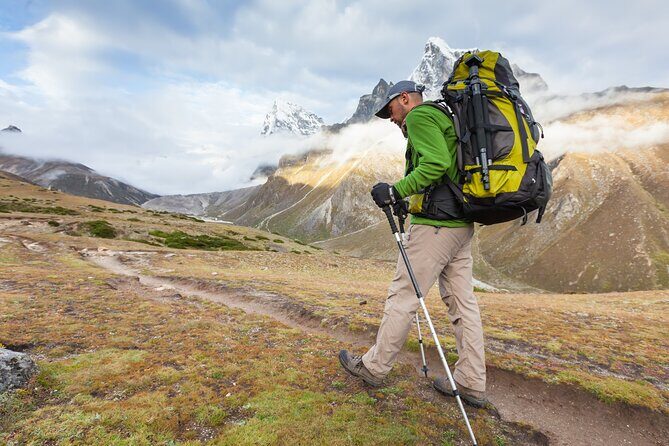
Everest Base Camp, without the guesswork. This 14-day trek runs with a small-group guide team (max 10) and handles the big logistics—flights, teahouses, meals, and local transport—so you can focus on walking and staring up at the Himalaya. The itinerary is built around acclimatization stops and those signature early-morning viewing moments, including the sunrise push to Kala Patthar.
I especially like the safety and direction you get from going with a guide—no map-fumbling, no wandering off trail, just steady pacing with local expertise. And I really like how the trek’s big “wow” moments are spaced out: you get 360-degree mountain panoramas at Thangma Riju, then later you chase that first light look at Everest from the Kala Patthar area and the Everest Base Camp route.
One consideration: this is not a casual walk. The tour expects a strong physical fitness level, you’ll be operating in all weather conditions, and the schedule includes early mornings and long days of trekking—so if you hate cold, heights, or moving at altitude pace, you’ll feel it.
In This Review
- Key things that make this trek work
- Kathmandu arrival and getting matched with your mountain team
- Lukla flight day: early light, real logistics, big views
- Treks through pine forests, Sagarmatha National Park, and the road to Namche
- Namche Bazaar acclimatization: a rest day with purpose
- Phorse to Dingboche and the Khumbu villages that slow altitude
- Chola region to Thangma Riju: the day panoramas teach you patience
- Everest Base Camp and Kala Patthar: timing matters
- The return down to Duglha and back to Kathmandu
- Price and value of this $1,350 small-group trek
- Who should book this trek, and who should rethink it
- Should you book this Everest Base Camp trek with Green Valley?
- FAQ
- How long is the Everest Base Camp trek?
- What is the maximum group size?
- Is accommodation and food included?
- How do you get from Kathmandu to Lukla?
- Does the trek include a guide?
- What support is provided in Kathmandu?
- Is a passport required?
- Is free cancellation available?
Key things that make this trek work
- Small-group limit (up to 10) for more personal guidance and a less chaotic trail rhythm
- Teahouse accommodation and meals included, so you’re not constantly solving food and lodging
- Lukla flight day with early views, a classic Everest on-ramp that sets the tone
- Acclimatization built in, including a Namche rest day plus short hike with viewpoints
- Big “timing” moments like early starts aimed at seeing Everest light up in the morning
Kathmandu arrival and getting matched with your mountain team
Day 1 starts in Kathmandu with an airport representative meeting you at Tribhuwan International Airport, then arranging a private tourist vehicle drop to your hotel. That sounds basic, but on a trek like this, it matters. You land after travel fatigue, and you want someone to quietly handle the first handoff so you can rest or get oriented without stress.
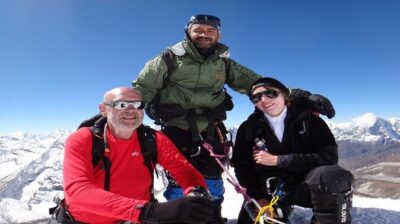
You also get the feel of what this trip is trying to be: less “tour bus energy,” more guided walking with local context. The trek is explicitly designed to help you trek safely and avoid getting lost by going with a guide. In the reviews, people repeatedly highlight guides and porters as the backbone of the experience—names like Biru and Amabar come up, and porters like Kanchar are described as kind and helpful. Even if you don’t end up with the same people, the pattern is clear: you’re paying for a real support team, not just a checklist.
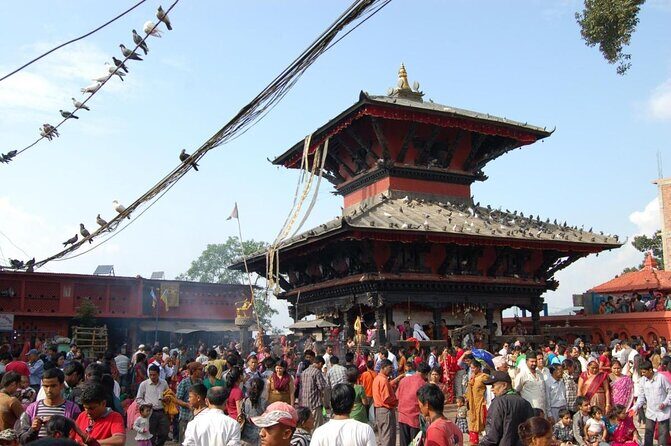
The Kathmandu portion also includes some practical breathing room. Day 13 and Day 14 still give you Kathmandu time after the trekking ends, including shopping and sightseeing around the Kathmandu Valley before your scheduled departure. If you’re the kind of traveler who likes to decompress with food and street life after exertion, this is a nice built-in rhythm.
You can also read our reviews of more hiking tours in Kathmandu


Lukla flight day: early light, real logistics, big views
On Day 2, you take a drive from your hotel to the domestic airport terminal after breakfast, then fly to Lukla. The flight is described as having outstanding views of the early morning sunrise on snowcapped mountains. That’s the Everest treks magic in miniature: you go from city air to high-mountain scenery fast, with the sky doing most of the talking.
Logistically, this matters for two reasons. First, it’s a reminder that this is a guided package with transportation handled. You’re not trying to stitch together your own flights and local connections. Second, the early departure vibe means you’ll want to treat sleep like a priority in Kathmandu. You may not get to control the timing, but you can control how prepared you feel.
Also note the tour’s overall framing: it operates in all weather conditions, so you’re expected to dress appropriately. That includes the flight day. Even if the sunrise is beautiful, weather at altitude can shift quickly. Build your comfort plan around layers and cold tolerance rather than expecting perfect conditions.
Treks through pine forests, Sagarmatha National Park, and the road to Namche
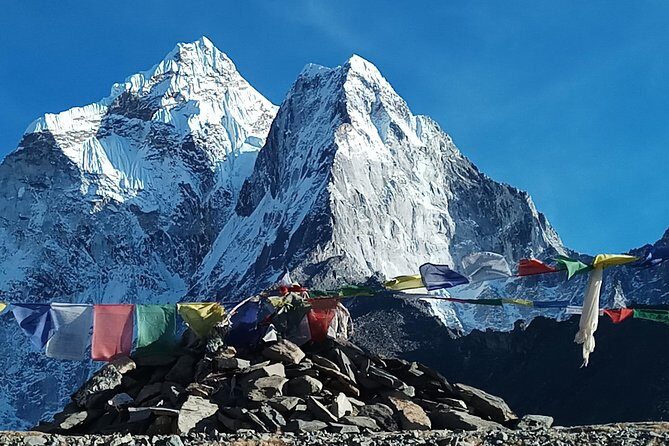
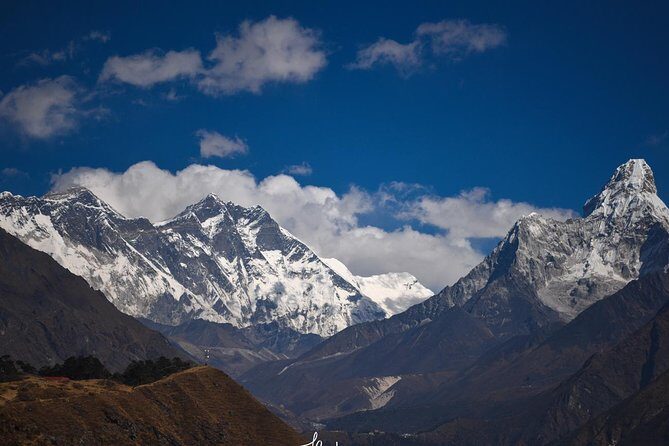
Day 3 shifts you from the flight world into the walking world. The route passes pine forests, follows the Dudh Koshi River area, and includes views of peaks like Thamserku. After settlements, there’s a check post and the entrance of Sagarmatha National Park.
That park entry stop is more than a bureaucratic moment. It signals that from here on, you’re trekking in a protected region where the environment and cultural landscape are part of the journey. In practice, it also helps justify the guided approach: you’re moving through a zone where having a guide who knows the route keeps your mental bandwidth focused on pacing and altitude rather than navigation.
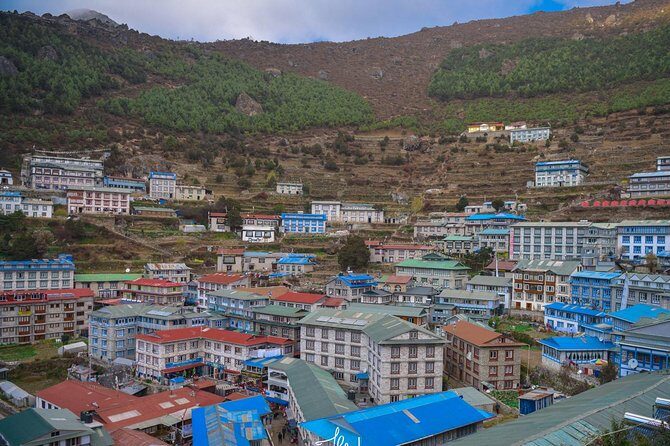
Day 3 ends with forward momentum toward Namche Bazaar. And by the time you reach Namche, you’ll notice the trek has “civilization nodes” on purpose. Namche is described as the biggest settlement in the Khumbu region with ATMs, internet cafes, restaurants, and bakeries. That doesn’t make it a resort town—it’s still a mountain hub—but it gives you a place to reset supplies and feel human again.
Namche Bazaar acclimatization: a rest day with purpose
Day 4 is your acclimatization rest day in Namche Bazaar. Then, instead of doing nothing, you go for a short hike to a nearby viewpoint. That’s a smart design choice. Rest days on Everest treks can feel weird—why move if you’re resting?—but pairing a rest day with a short, controlled hike gives your body a chance to adapt while still keeping exertion reasonable.
You also get a cultural and practical payoff. Namche is where you’ll see how the Khumbu economy works: food, gear, communications, and the trail’s social rhythm all converge. In a small-group trek, this is also where you start noticing how your guide is managing the group pace. People in the reviews credit guides and porters for keeping things safe and supportive. On Day 4, that support is usually about pacing and decision-making, not just conversation.
If you want to enjoy the mountains rather than obsess over logistics, this day is part of why the trip feels smooth. You’re not simply trudging upward every single day. You’re learning to work with your altitude timeline.
Phorse to Dingboche and the Khumbu villages that slow altitude
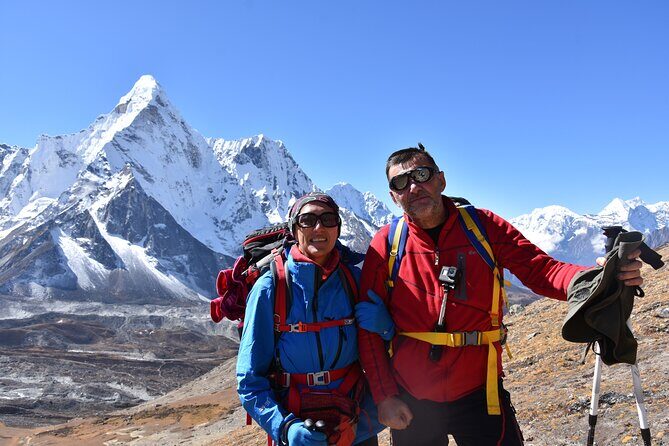
Day 5 continues from Namche toward Phorse. The trek includes reaching Mugla Pass and getting glimpses of major peaks like Ama Dablam, Mount Khumbu, and Mount Thamserku. Then you descend toward the Dudh Koshi and cross it.
This is one of those Everest trek realities: you’ll work hard on climbs, then your day turns into movement and crossings. It’s not just about distance—it’s about how the terrain shapes your energy. Mugla Pass type moments can feel like big rewards even when the view isn’t the final Everest photo.
Day 6 heads to Dingboche, with visits and scenery changes along the way. You pass through alpine forests and upper Pangboche, including a stop at the biggest Buddhist monastery in the region. You also go through villages like Sho… (the listing cuts off, but the intent is clear: you’re traveling village-to-village within the Khumbu corridor).
Why I think this matters: the Everest Base Camp trek isn’t only about peak-bagging. The human geography is real—monasteries, settlements, and the flow of life at altitude. With a guide, you’re more likely to connect those stops to what you’re seeing rather than treating them like quick photo obstacles.
Also, Dingboche is part of the acclimatization chain. Even if the itinerary doesn’t label it that way every day, the structure keeps your body moving upward in stages, not in one giant leap.





Chola region to Thangma Riju: the day panoramas teach you patience
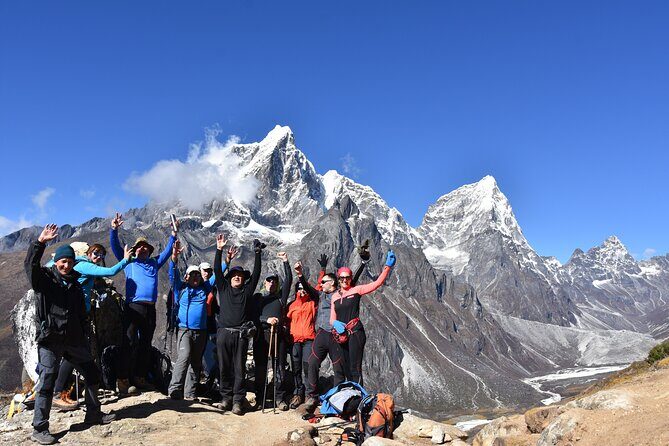
Day 7 begins with a climb from Duglha through the Khumbu Khola valley. Along the way, you see yak herders’ places like Dusa, Phulong Karp (connected to the first successful Everest Expedition in 1953), and Chola lake.
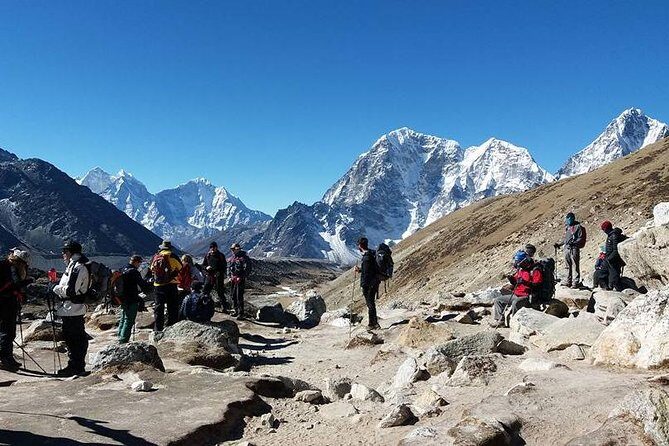
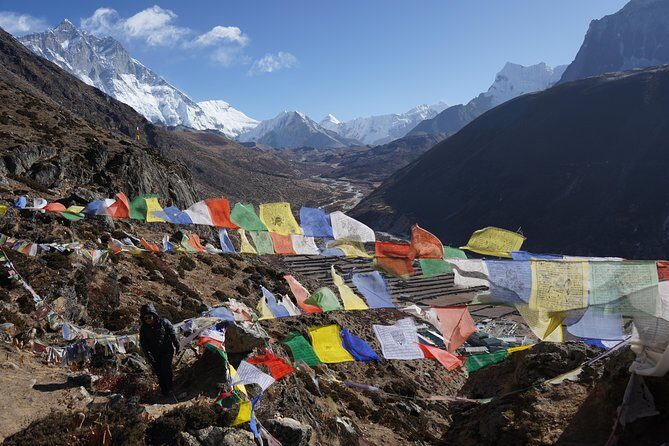
Day 8 pushes into the Chupki Lhara ascent after walking up the steep terminal moraine of the Khumbu glacier. The description notes boulder slopes and prayer flags, plus the iconic stone collections with prayer messages. This is a day where you feel the geology. It’s also where a guide’s role becomes very practical: keeping the group moving safely on rougher ground and helping you pace through fatigue.
Then comes Day 9, one of the most important visual days on the route. You reach Thangma Riju and experience a 360-degree panoramic view of snowcapped mountains. Here’s a detail worth knowing: Mount Everest is not seen from here, even though it’s one of the most incredible mountain-view moments.
That matters because it changes your expectations. If you imagine that Everest Base Camp equals instant Everest sightings every step, this day teaches patience. You’re building altitude and perspective first, then chasing the specific angles later.
Also, the itinerary frames this as a “most important day,” and the route includes a stop at the Everest Base Camp trekking route itself. Expect it to feel like the emotional midpoint—half victory, half buildup.
Everest Base Camp and Kala Patthar: timing matters
Day 10 is the big “light chase” day. The trek starts much early in the morning so you can witness a glimpse of Mount Everest as dusk turns to bright morning with the light of the day. The itinerary also mentions passing peak s Lingtr… (cut off, but it signals more of that ridge-and-peak sighting rhythm on the way).
Then you hit Kala Patthar for sunrise view. This is one of those iconic moments people talk about for a reason: it’s not just a viewpoint, it’s an early-morning mission. You get the satisfaction of being there when the sky does the work.
After that, Day 10 connects you back into the Everest Base Camp route payoff. Based on the way these treks are described, you’ll feel a strong sense of arrival: the scenery, the route effort, and the guided safety structure all converge into one bucket-list moment.
A couple review stories underline why the guide-and-porter setup matters on “big weather” days. One trek in late September 2025 faced a monumental snowstorm while still making it safely to base camp. That doesn’t mean every day will be stormy, but it does match the tour’s promise that it operates in all weather conditions and that your planning needs to include cold, wind, and uncertainty.
So for you, the best takeaway is this: the trip is designed for the reality that conditions won’t always cooperate with your photo plan. Your guide helps you keep moving safely and makes the experience feel controlled, even when the mountain isn’t.
The return down to Duglha and back to Kathmandu
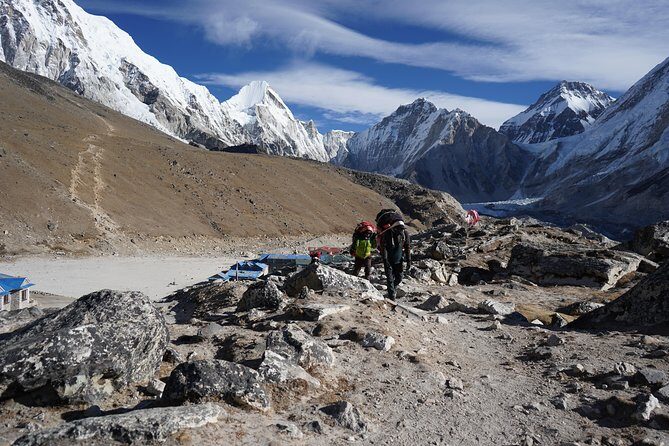
Day 11 starts your descent continues through the Jame route back to the terminal moraine at Duglha. You pass through Pheriche, Orsho, and Shomare, then reach Pangboche where you can explore the old… (the text cuts off, but it points to the village and historic stops). This part is all about changing altitude rhythm: your body is still tired, but the work becomes careful foot placement and steady pacing.
Day 12 is described as the last day of the trek and focuses on steep downward terrain. The itinerary warns you to walk really slow and controlled on steep rocky ground until reaching a suspension bridge over Dudh Koshi, then continuing to the end point.
That slow-down reminder is not fluff. Descents are where knees and energy can go sideways, and a guided group tends to do better because pace and technique are reinforced. In reviews, people repeatedly credit guides and porters with keeping them safe and helped along the trail. On the descent, that support often matters as much as on the climb.
Day 13 brings the mountain flight from Lukla back to Kathmandu, enjoyed over once again, then time for shopping and walking around the city. Day 14 is your final Kathmandu day with more sightseeing in the Kathmandu Valley before leaving for Tribhuwan International Airport.
That structure makes sense for recovery. You get a clear endpoint, then you can switch gears from trekking focus to city-life focus without feeling like you’re scrambling for your next plan.
Price and value of this $1,350 small-group trek
At $1,350 per person for an approximately 14-day guided Everest Base Camp trekking experience, the question isn’t only what you pay—it’s what the package covers.
From the tour details, you get:
- Pickup offered in Kathmandu and airport-meet support on arrival
- Flights tied to the trekking window (Kathmandu to Lukla, and Lukla back to Kathmandu)
- Teahouse accommodation and meals included
- Local transportation included
- A guide to help you trek safely and avoid getting lost
- Small group size (maximum 10), which tends to improve coordination and personalized attention
That “included” list is where the value usually lives. Everest treks can turn expensive fast when you start adding up day-by-day lodging, meals, and transport. Here, the structure is set up so your money supports the trek itself and the human safety layer.
In the review themes, the best value often shows up as the support you feel from the people running the trek. Guides like Biru are called out by name as awesome, with guidance and safety emphasis. Owners like Arjun and Raj are described as responsive before and during the trip, and people highlight end-to-end execution with planning and logistics that feel smooth. That matters because Everest logistics can be the part that drains enthusiasm. When it runs cleanly, you spend your energy where it belongs: on the views and your walking.
One more practical note: this trek is often booked about 56 days in advance on average. That’s a signal that good slots and planning capacity can get tight around the season. If you have a firm travel window, waiting too long may limit your options.
Who should book this trek, and who should rethink it
This one is best suited for people who are active and moderately fit, and the tour also states you should have a strong physical fitness level. In other words: you don’t need to be a mountain athlete, but you do need endurance and comfort with long walking days.
It also suits you if you want:
- Guided navigation and safety so you’re not managing route decisions
- Personalized attention from a small-group setup
- A trek focused on views and the people you meet along the way, not on logistics puzzles
Who might rethink it:
- If you dislike early starts, steep rocky descents, or being in cold mountain weather
- If you want total independence without a guide-driven plan
- If altitude workouts already feel risky for your body even on easier hikes (the itinerary is paced and acclimatization is included, but this is still high altitude trekking)
And remember the tour operates in all weather conditions. That means you should trust the plan, pack for cold, and be emotionally ready for day-to-day changes.
Should you book this Everest Base Camp trek with Green Valley?
If your goal is the classic Everest Base Camp experience with a guided small-group and a package that includes the core logistics—teahouses, meals, and flights—this is a strong match. The itinerary’s pacing features acclimatization in Namche, a panoramic mountain day at Thangma Riju, and the early timing at Kala Patthar designed around sunrise views. That combo is exactly what you want for a once-in-a-lifetime trek.
If you’re cost-sensitive, it can still make sense because so much is included; you’re not piecing together lodging and meals yourself. If you hate structure, or you want full self-directed trekking, then you might feel constrained by the guided rhythm.
My quick decision rule: if you can handle a demanding walk and you want help making the trek safer and simpler, book. If you want casual hiking, pick something lower.
FAQ
How long is the Everest Base Camp trek?
The trek is listed as 14 days (approx.).
What is the maximum group size?
This tour has a maximum of 10 travelers.
Is accommodation and food included?
Yes. Teahouse accommodation and meals are included.
How do you get from Kathmandu to Lukla?
On Day 2, you drive to the domestic airport terminal after breakfast, then fly to Lukla.
Does the trek include a guide?
Yes. The trek is designed so you trek with a guide for safety and to help you avoid getting lost.
What support is provided in Kathmandu?
On arrival, an airport representative meets you at Tribhuvan International Airport and arranges a drop to the hotel by private tourist vehicle. The meeting point is at Tribhuvan International Airport Ring Rd.
Is a passport required?
Yes. A current valid passport is required, and you must provide passport name, number, expiry, and country at booking.
Is free cancellation available?
Yes. There is free cancellation up to 24 hours in advance of the experience start time for a full refund.