REVIEW · KATHMANDU
Annapurna Base Camp Trek
Book on Viator →Operated by Oriental Journeys · Bookable on Viator
Annapurna Base Camp starts with real altitude drama. I like the way this trip pairs Poon Hill mountain timing with on-trail guidance from local pros like Aneel, so you get both big views and calm decision-making. I also like the steady rhythm of teahouse nights in real villages. The main consideration is that the route can hit high altitude and the classic path can be slippery when conditions turn.
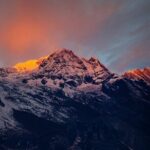
What makes this trek especially appealing is the full Annapurna Sanctuary feel: gorges, rivers, and glacier valleys in a clockwise route that links practical villages with iconic viewpoints. You’ll also see Machhapuchhre up close from the base-camp area, plus the Annapurna range giants spread across the day when the weather cooperates.
This is not a “fly in, snap photos, fly out” plan. You start early, you walk daily, and you end with a proper Kathmandu day that includes UNESCO sights with an English-speaking guide. Pack for cold mornings and keep a slow pace; that’s how the trek stays fun.
In This Review
- Key highlights I’d mark for your planning
- Why Annapurna Base Camp feels like a real trek, not a photo stop
- From Kathmandu to Nayapul: the first setup that matters
- Ulleri to Chhomrong: village life, stone steps, and a suspension bridge
- Bamboo and Deurali: damp forests, Hinku Cave option, and altitude prep
- The Base Camp push: Deurali toward Machhapuchhre and Annapurna Base Camp
- Base Camp mornings and the calm relief of going back to Bamboo
- Jhinu Danda and the hot spring moment you’ll actually remember
- Pokhara recovery and a UNESCO-filled Kathmandu finish
- Price and value: what $1,440 covers and what you should budget for
- What to pack: cold layers and traction matter more than style
- Who should do this trek, and who should think twice
- Should you book this Annapurna Base Camp trek?
- FAQ
- How long is the Annapurna Base Camp trek?
- What start time does the tour operate?
- What altitude do you reach on the trek?
- What meals are included?
- Are domestic flights included?
- Is a porter included, and how much can they carry?
- Is hot shower included during the trek?
- What Kathmandu sites are included in the tour?
- Can I cancel for a full refund?
- Who should not join this trekking package?
Key highlights I’d mark for your planning
- Poon Hill timing built into the Annapurna loop for mountain-view payoff
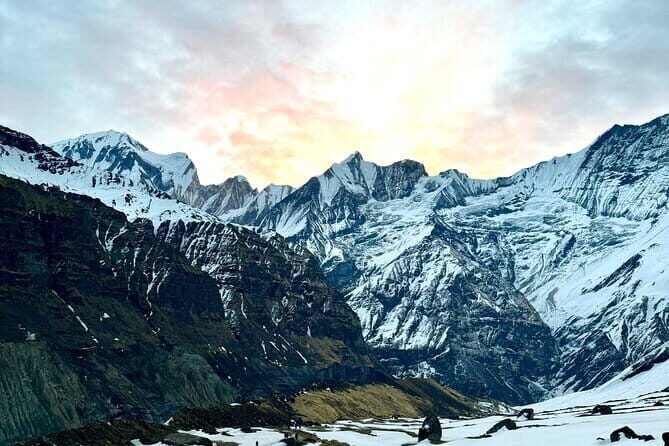
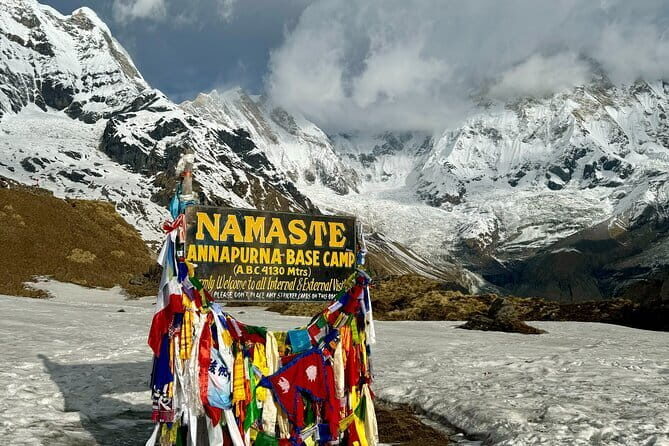
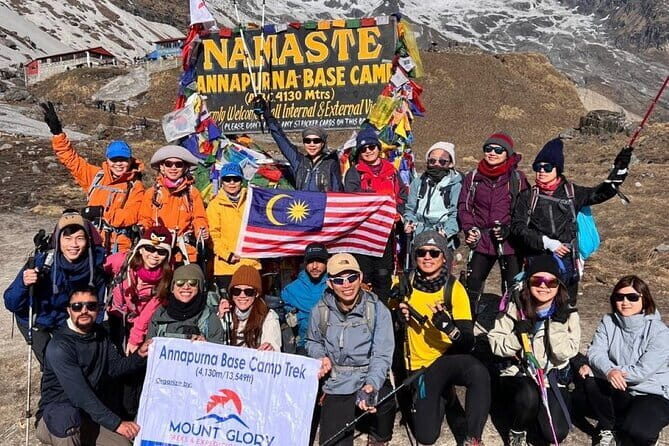
- Annapurna Base Camp at 4,130m with a long look at multiple peaks
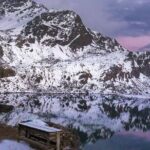
- Machhapuchhre Base Camp stop for dramatic, photo-friendly mountain scenery
- Hot spring break at Jhinu Danda after a day of up-and-down hiking
- Kathmandu UNESCO day with Pashupatinath, Boudhanath, Swayambhu, and Kathmandu Durbar Square
- Teahouse trekking with a group guide and support from Oriental Journeys staff
Why Annapurna Base Camp feels like a real trek, not a photo stop
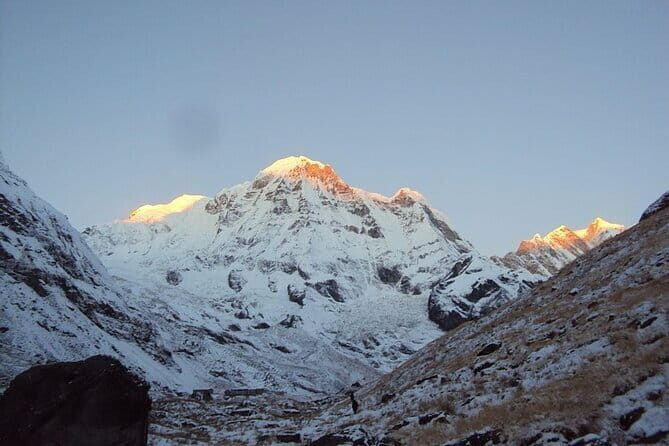
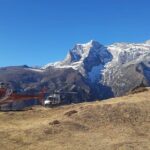
Annapurna Base Camp is famous for a reason: you’re not only chasing a summit view. You’re walking through the Annapurna Sanctuary region, where deep gorges and river valleys shape the whole experience. As you move through the route, the scenery changes in a way that actually matches your effort, from terraced farmland to rhododendron forests and waterfall-fed stretches.
I like that this plan is built around a logical clockwise flow. It helps you understand the valley better as the days pass, instead of feeling like you’re bouncing around. And it includes Poon Hill along the way, which is a smart add-on because it gives you another “mountains up close” moment on a separate day.
This kind of trek works best when you treat it as one long story: villages, forests, river bends, stone steps, and finally the base-camp area where the mountains feel almost too big to hold in your head.
You can also read our reviews of more hiking tours in Kathmandu
From Kathmandu to Nayapul: the first setup that matters
Your trip begins in Kathmandu (about 1,300m). After landing at Tribhuvan International Airport, you’ll be met by an Oriental Journeys representative and taken to your hotel in Thame for a briefing and guide intro.
Then you shift gears fast. The next morning is a flight to Pokhara (about 30 minutes), followed by private vehicle support to reach Nayapul. From Nayapul, you take a local vehicle up toward Ulleri (about an hour drive). That matters because it puts you on the trail without wasting your first day on logistics.
Day 2 ends at a higher village area around Ghandruk (1940m). In plain terms: you start walking while you still have daylight, and you’re already working your way upward in manageable steps.
If you’re sensitive to travel days, this setup is fairly kind. It gives you a real rest night in Kathmandu first, then uses short hops to reduce total fatigue before hiking.
Ulleri to Chhomrong: village life, stone steps, and a suspension bridge
After breakfast, the early hiking moves you through places where the culture is not an “extra.” It’s part of what you walk past. You get friendly village encounters, and the Gurung community is specifically highlighted in this region. That’s the stuff you remember because it’s human-scale, not just scenery.
One of the most classic-feeling stretches comes later: leaving Chhomrong area means descending about 2,500 stone steps, then crossing the Chhomrong Khola on a suspension bridge. That bridge is the kind of moment that snaps the day into focus. You stop thinking about the next hour and start paying attention to the views and the sounds.
On the uphill side, near Sinuwa, the trail turns more demanding. You pass through forest sections before reaching Kuldihar and then continuing toward Bamboo. The practical takeaway: you’ll likely feel your legs after the step-heavy descent, so take your time on the transitions.
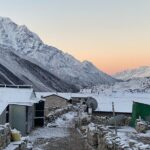
You’ll sleep in teahouse-style lodges along the way, which keeps the trek grounded. You’re not chasing luxury, but you do get consistent shelter and a routine.
Bamboo and Deurali: damp forests, Hinku Cave option, and altitude prep
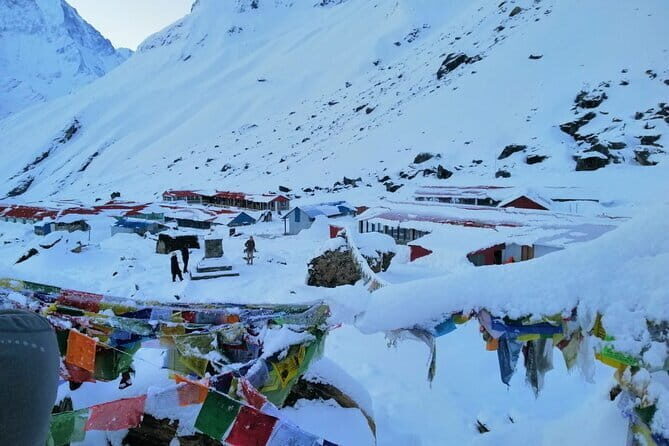
Bamboo day has a special texture. The trail includes damp and cold bamboo forest early on, which means you’ll want layers that still work when the temperature drops and the air feels wet. The route also tracks close to a glacial river at points, which can be visually stunning but also a reminder that you’re hiking through real mountain terrain, not park trails.
On this day you can visit Hinku Cave on the way. The plan doesn’t force it as a requirement, but it’s a worthwhile detour if you’re feeling steady. Small side stops like this help break up the mental load of long trekking days.
As the route moves toward Deurali, you’ll also see vertical rock faces and waterfall bands above. It’s one of those days where the effort is real, but the world feels loud and alive.
Overnight at Deurali is important because it’s a step toward the higher base-camp elevations. Even if you feel okay, treat the night as part of the training: hydrate, eat what you can, and get warm before the next climb.
The Base Camp push: Deurali toward Machhapuchhre and Annapurna Base Camp
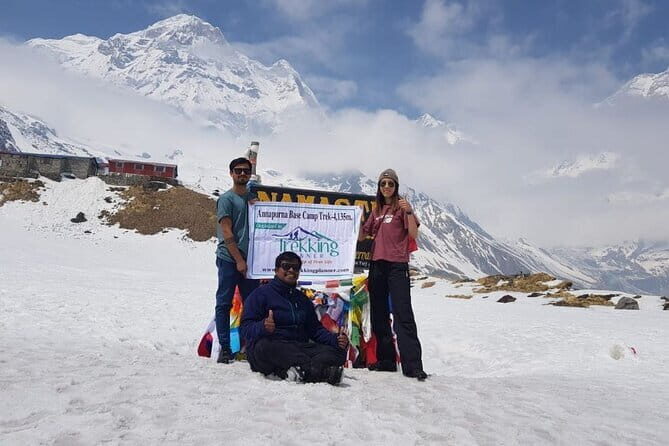
This is the big payoff day. The trek from Deurali toward Annapurna Base Camp runs roughly 5 to 6 hours and includes reaching Machhapuchhre Base Camp (about 3,700m) before continuing up to Annapurna Base Camp (about 4,130m).
The description you’ll follow includes gentle climbing through a riverbed section and then a steep trail moving along the mountain side. That combination matters: even when the hike is labeled “gentle,” the altitude is doing its own work. Your job is simple: don’t compete with other hikers. Move at your pace.
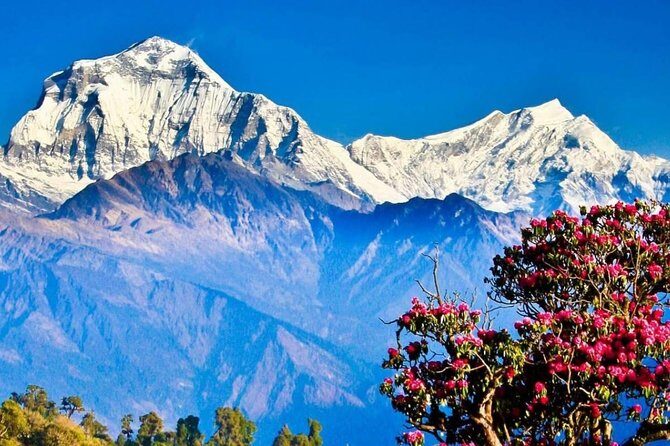
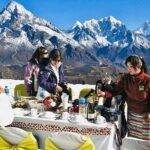
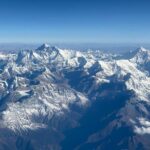
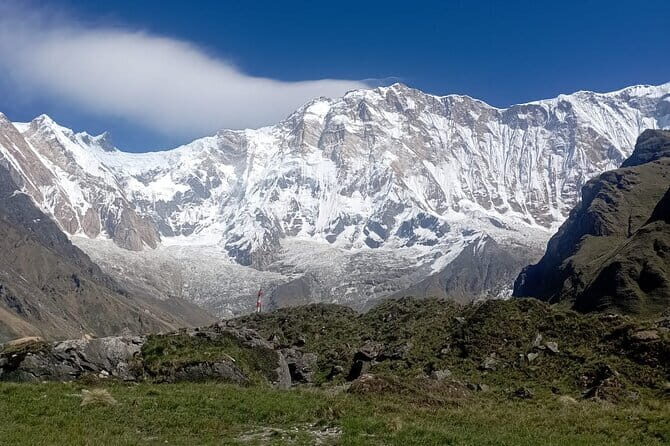
What you’re aiming for is why this trek is so loved. Around the base-camp area, you can take in views of Machhapuchhre, plus peaks like Hiunchuli, Annapurna South, Annapurna I, Annapurna III, Gandharvachuli, and Gangapurna (weather-dependent, of course). The list matters less than the feeling: multiple giants in one frame.
Overnight at Annapurna Base Camp is when the experience turns memorable. Your body slows down, the air is thinner, and the mountains feel close enough to be personal.
Base Camp mornings and the calm relief of going back to Bamboo
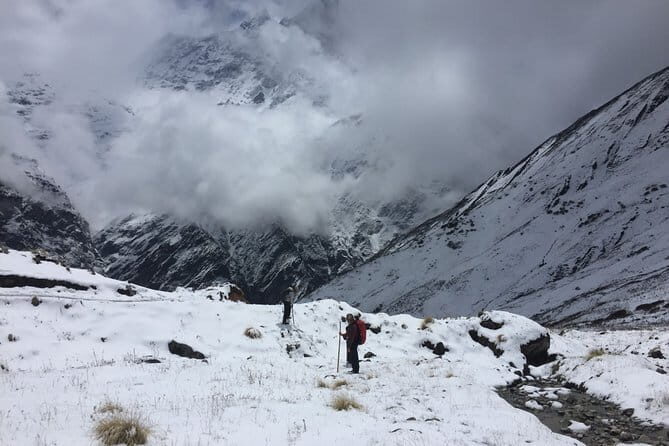
Morning time at base camp is built for photos and slow breathing. You’ll spend several minutes taking mountain shots, then after breakfast you retrace your route back to Bamboo. This stretch is described as an easier downhill day.
That return is not just convenience. It’s a smart way to manage fatigue. You get the “I made it” moment at the end of the climb, and then you protect your legs with a descent.
I like this design because it respects the reality of trekking at altitude. Instead of forcing another high grind right away, you step your effort down. Your legs will still feel the day, but it’s a softer landing.
Jhinu Danda and the hot spring moment you’ll actually remember
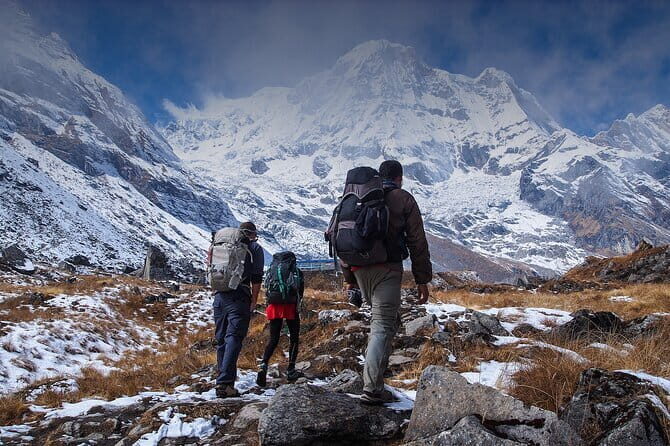
After returning to lower points, you’ll have a day that’s mostly about feeling the route change again. The trail includes ups and downs for the whole day: climbing from Bamboo toward Kuldighar, descending to Chhomrong Khola, climbing again to Chhomrong, and then descending toward Jhinu Danda.
This is also the day where the plan adds a morale booster: after checking in at the lodge at Jhinu Danda, you can walk down a few minutes to enjoy a hot spring bath. It’s described as a relaxing moment, and honestly, it’s the kind of reward that helps your mind catch up to your body.
You’ll still be hiking that day, so don’t plan for the hot spring to replace good rest. But it can turn your day from “pain management” into “okay, I feel human again.”
Pokhara recovery and a UNESCO-filled Kathmandu finish
Hiking doesn’t last forever, thankfully. On the next day you’ll trek down to Siwai and then take a vehicle to Pokhara. This is your on-the-ground reset: less time on your feet and more time to let muscles loosen.
Then you move back to Kathmandu either by flight or by driving (the drive is about 5 to 6 hours). If you fly, the timing can allow you to add Kathmandu sightseeing the same day.
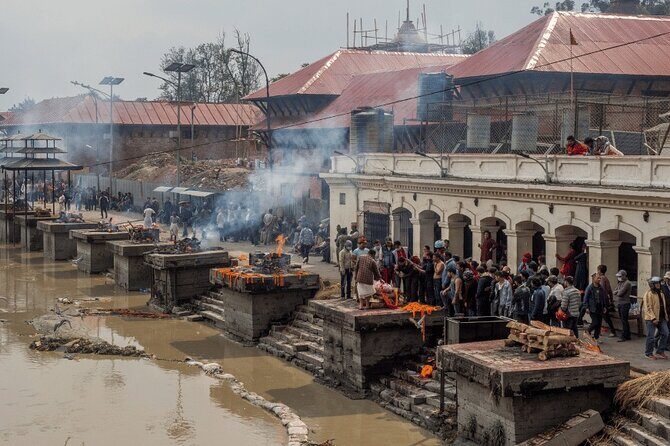
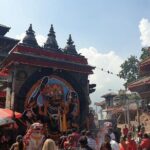
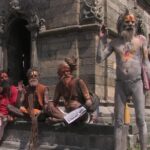
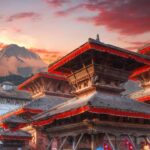
Your final Kathmandu day is a full guided tour around UNESCO-listed sites with an English-speaking guide from Oriental Journeys. The places included are Pashupatinath, Boudhanath, Swayambhu, and Kathmandu Durbar Square.
This ending is more than sightseeing. It ties the trip together. You start in Nepal’s living mountain communities, and you finish in a historic valley city where religion, art, and daily life all overlap.
You’ll return to Tribhuvan International Airport on the last day for your departure.
Price and value: what $1,440 covers and what you should budget for
At $1,440 per person, the price is in line with a guided, supported Annapurna trek that includes key permit fees and a structured route. But the value depends on what you bring to the table and what you expect from meals and logistics.
Here’s what the package includes, based on the provided terms:
- International airport pick-up and drop-off
- Lodge accommodation during the trek
- Two nights in Kathmandu on a bed and breakfast plan
- An English-speaking guide
- Government local taxes
- Annapurna Conservation Area Fees and the TIMS card
- Guide salary and insurance during the trekking
- A first aid kit requirement for groups of 6+ (as stated)
- Meals included partway through the journey (breakfasts, plus some lunches and dinners)
But there are clear gaps to plan for:
- Domestic flights aren’t included (you’ll need to cover the Kathmandu–Pokhara hop)
- Trekking equipment isn’t included, so you’ll need your own boots, layers, and cold-weather gear
- You’re not getting three full meals every trek day (tea/coffee and extra meals are on you)
- Hot shower during the trek is not included
- Entrance fees to temples/monasteries are not included
- Tips and gratuities aren’t included
- Emergency rescue and travel insurance aren’t included
- Alcohol, phone, and laundry are also not covered
One small but important support detail: the terms mention a porter arrangement at 1 porter for two guests with a maximum 30kg carry limit. That can save your back, and it also changes how lightly you should pack.
My practical advice on value: if you already have solid trekking gear and you’re comfortable budgeting for tea, extra snacks, and travel insurance, this package looks like a fair, guided way to do Annapurna without getting lost in details. If you still need to buy everything, your real trip cost will rise quickly.
What to pack: cold layers and traction matter more than style
Even if you consider yourself a casual trekker, Annapurna requires real clothing choices. The provided dress guidance pushes you toward warm winter layers and cold protection.
Plan on packing:
- Down jacket
- Warm hat and gloves
- Full sleeves and warm socks
- Trekking boots (plus slippers)
- Thermal base layers
- Fleece jacket
- Goretex-type outer layer
- Sunglasses and sun/cold creams
- Headlight
- Water bottle and a day bag
Two practical packing notes I’d keep in mind:
- Don’t assume hut heat will save you. This route includes cold, damp sections like bamboo forest.
- Bring footwear you trust on slippery stone. One slip day can wipe out the rest of your energy.
This trek operates in all weather conditions, so rain and cloud can change visibility. Plan your days so you’re okay with walking even when the mountain show is muted.
Who should do this trek, and who should think twice
This is described as a moderate grade trek, and it’s also explicitly not for everyone.
Avoid it if you have:
- back problems
- heart complaints or other serious medical conditions
- pregnancy (not recommended)
Also note:
- This trail isn’t accessible for wheelchair users.
- You should have a moderate physical fitness level.
- High altitude might be a challenge, so pace matters and you shouldn’t treat the itinerary like a race.
If you’re the type who enjoys walking for hours, being outside for long stretches, and learning to read the day by weather and energy, this will feel like a real accomplishment.
And if you like a guided group format (only your group participates), you’ll probably appreciate having someone organize the permits, fees, and day-to-day rhythm.
Should you book this Annapurna Base Camp trek?
I’d book it if you want three things: a classic Annapurna Sanctuary route, strong guidance, and a clean finish in Kathmandu with UNESCO sites. This plan also looks good for first-timers who want structure, because the day-to-day flow is clearly defined and the support roles are spelled out.
I’d hold off if you hate cold mornings, you’re easily discouraged by altitude, or you still need to sort out basic trekking gear. You’ll be much happier if you arrive prepared with warm layers and footwear that can handle slippery sections.
If you do book, I’d go in with a simple goal: keep your pace steady, get warm at night, and treat every day as part of reaching that base-camp moment.
FAQ
How long is the Annapurna Base Camp trek?
The trek runs about 12 days, based on the provided duration and day-by-day plan.
What start time does the tour operate?
The start time is listed as 7:00 am.
What altitude do you reach on the trek?
You start Kathmandu at about 1,300m. The itinerary references Annapurna Base Camp at about 4,130m, and Machhapuchhre Base Camp at about 3,700m.
What meals are included?
The package includes multiple breakfasts (7), plus 2 lunches and 4 dinners. It also notes that you do not get three meals per day during the trek, including tea or coffee.
Are domestic flights included?
No. Domestic flights are listed as not included.
Is a porter included, and how much can they carry?
A porter arrangement is mentioned as 1 porter for two guests, carrying up to 30kg maximum per porter, within the stated terms.
Is hot shower included during the trek?
Hot shower during the trek is listed as not included.
What Kathmandu sites are included in the tour?
The Kathmandu valley day includes Pashupatinath, Boudhanath, Swayambhu, and Kathmandu Durbar Square.
Can I cancel for a full refund?
Yes, you can cancel up to 24 hours in advance of the experience start time for a full refund. Within 24 hours, the amount paid is not refunded.
Who should not join this trekking package?
It is not recommended for pregnant women, and people with back problems, heart complaints, or other serious medical conditions are requested not to take part. It is also not accessible for wheelchair users.