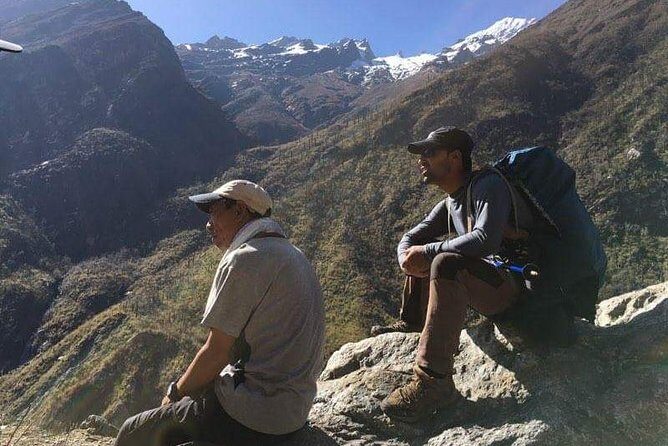
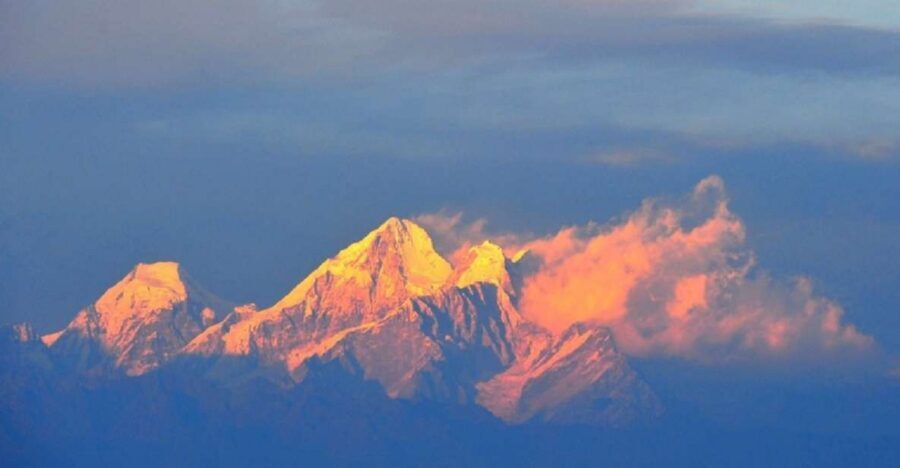
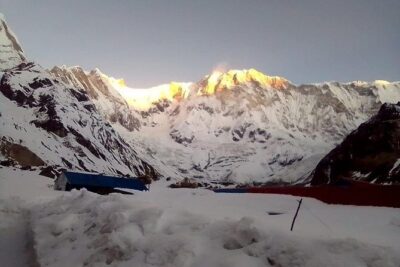
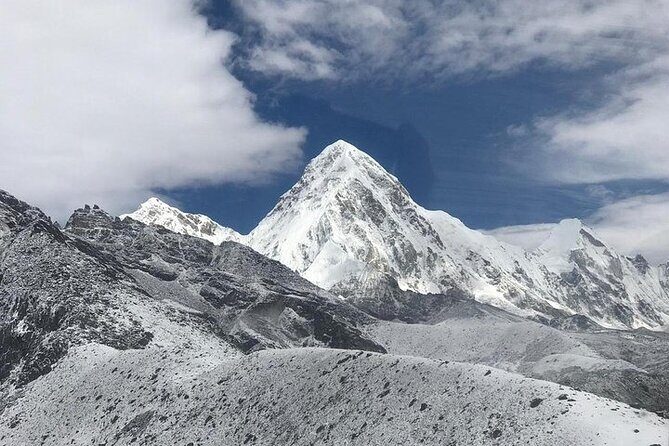
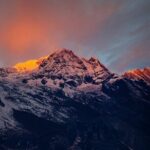
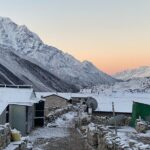
Follow the ridge to calmer Annapurna views. This private Mardi Himal Base Camp trek is built for steady days: you gain altitude, get real acclimatization time, and still end up with those sharp Annapurna-and-Machhapuchhre sightlines. You also move at your own pace, guided but not herded.
I especially like the teahouse setup. You stay in basic but comfortable lodges and breakfast is included each morning of the trekking period. I also like that the itinerary is flexible and can be customized, so your guide can slow down when the trail or your legs ask for it.
One consideration: “moderate” doesn’t mean easy. You’ll still reach about 4,500m / 14,760 ft, and high-altitude days can feel hard even when you’re moving smart. If you’re not comfortable with breathing changes at altitude, plan on taking it slow and staying disciplined with rest breaks.
In This Review
- Key points that matter on this trek
- Why Mardi Himal Feels Different From the Busier Annapurna Routes
- Your 8-Day Rhythm: Kathmandu and Pokhara First, Then the Mountains
- Thamel on Day 1: Easy Kathmandu Start Before Trek Mode
- Pokhara Lakeside on Day 2: A Soft Landing (and a Useful Stroll)
- Kande Trek Start Through Australian Camp and Pothana (Day 3)
- Rhododendron Forest Quiet Day (Day 4)
- The Gradual Ascent and Alpine Terrain Push (Day 5)
- High Camp Morning Viewpoint Plan (Day 6)
- Final Descent Into Forest and Settlements (Day 7)
- Day 8: Thamel Again, With Less Pressure
- Teahouses and Included Meals: The Real Comfort Math
- Altitude and Pacing: Built for Moderate Fitness, Not Magic
- Price and Value: What $666.67 Really Buys You
- What I’d Do to Get the Most From Your Trek
- Who This Trek Is Best For (and Who Might Want Something Else)
- Should You Book This Mardi Himal Base Camp Trek?
- FAQ
- How long is the Mardi Himal Trek?
- What is the maximum altitude on this trek?
- Is this trek private?
- Are meals included?
- Do you offer pickup, and what time does the experience start?
- What is the cancellation policy?
- Are service animals allowed?
Key points that matter on this trek
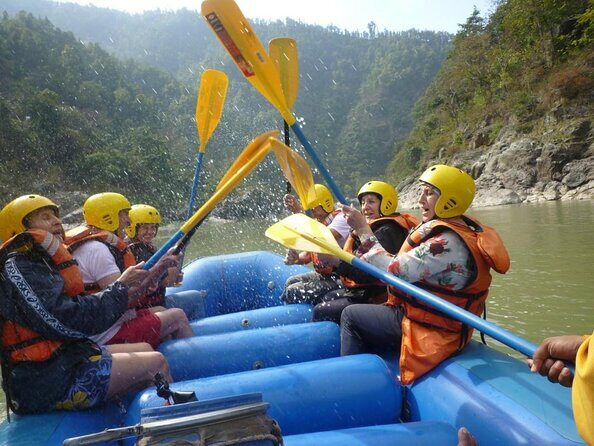
- Private pace, private support: you’re not competing with a big group schedule.
- Altitude cap around 4,500m: less extreme than the highest Nepal treks, but still real altitude.
- Teahouses with included meals: breakfasts (7), lunches (5), dinners (5) reduce decision fatigue.
- A quiet, less-crowded feel: parts of the route stay off the busiest paths.
- Day-by-day rhythm with acclimatization time: no rushed “climb now, regret later” vibe.
Why Mardi Himal Feels Different From the Busier Annapurna Routes
Mardi Himal is the trek I recommend when you want big-mountain drama without the circus energy. You’re in the Annapurna region, with views of Machhapuchhre (the fishtail peak) and a sweeping backdrop of Annapurna ranges. But the way the days are spaced out—especially the time you spend trekking up gradually—lets the mountains sink in instead of rushing past them.
What also helps is the trail character. Days move through forested sections first, then you walk into higher terrain with alpine feel as you go. That shift isn’t just scenery. It changes the way you hike: cooler air, more exposed steps above the tree line, and a different kind of fatigue. The trek’s design makes that transition smoother.
And because it’s private, you’re more likely to hike how you actually hike. Your guide can adjust pace and breaks so you’re not constantly negotiating with a group’s speed. That matters a lot on treks where altitude is involved.
You can also read our reviews of more hiking tours in Kathmandu


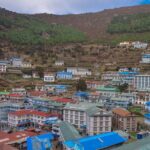
Your 8-Day Rhythm: Kathmandu and Pokhara First, Then the Mountains
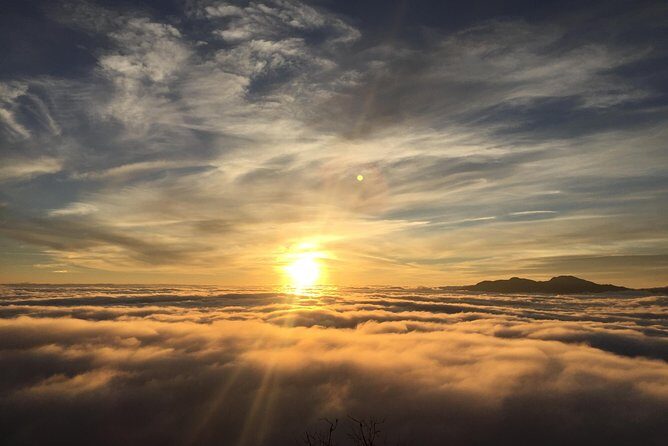
This trip spreads out the “arrive and acclimate” part instead of jumping straight into the hills. You start in Kathmandu, spend time in Pokhara, then begin the trek from the Kande area (after a drive). The route uses early starts on some days, but it doesn’t feel like a drill.
A key logistics detail: you meet at 6:15am. The itinerary then uses an early tourist bus from Kathmandu to Pokhara (around 6:30am). That’s great if you like daylight hiking energy, and it also helps you avoid sitting in traffic too late in the day.
You’ll also do transfers by road:
- Kathmandu to Pokhara by tourist bus (morning departure)
- Pokhara area to the trek start (via drive to Kande)
- Final drive back to Pokhara after the last descent
- Return bus to Kathmandu on the last day
If you hate travel days that drag, you’ll appreciate how the plan compresses transfers into predictable blocks and then gets you back to hiking.
Thamel on Day 1: Easy Kathmandu Start Before Trek Mode
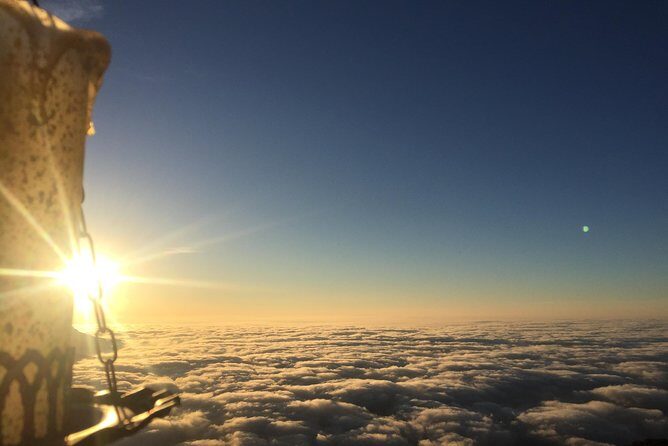
Day 1 is calm and practical. You arrive in Kathmandu and transfer to your hotel, then you get time to walk around Thamel and pick up anything you forgot—snacks, sunscreen, small comforts, extra layers. Thamel is useful for trekkers because you can handle last-minute gear without feeling stranded.
I like this setup because it lets you get your bearings fast. If you’re coming from abroad, your body may still be on “jet lag time,” so having an easy day helps. You’re also not wasting trekking time on logistics.
Pokhara Lakeside on Day 2: A Soft Landing (and a Useful Stroll)
On Day 2, you take the early bus to Pokhara and then do an evening walk around Lakeside. The drive itself passes along river valleys (Trishuli and Marshyangdi), so even the transit has scenery.
Why this matters: Pokhara is where trekking feels real. Lakeside is where you’ll feel the mix of calm and ambition—people packing, checking gear, and comparing notes at teahouse terraces. You don’t need to over-plan. You just need to rest, eat, and get ready to hike tomorrow.
Kande Trek Start Through Australian Camp and Pothana (Day 3)
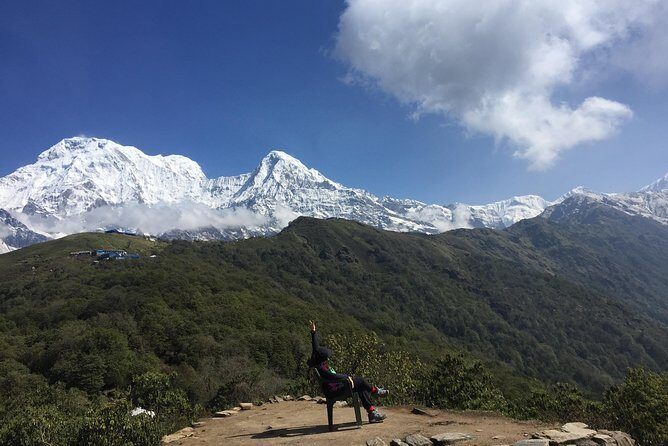
Day 3 begins with a drive to Kande. From there, you step onto a trail that runs through forested paths while offering mountain views, including Annapurna range highlights and Machhapuchhre.
Australian Camp and Pothana are good entry points because they ease you into the rhythm. You’re walking, but you’re not immediately thrown into the harshest terrain. For many hikers, this is when the trek “clicks”—when you feel the rhythm of steps, the changing air, and the first real sense of scale.
A small drawback: forested trail days can feel a bit repetitive if you’re expecting constant big panorama every 5 minutes. The payoff comes in the way the views open up as altitude increases later.





Rhododendron Forest Quiet Day (Day 4)
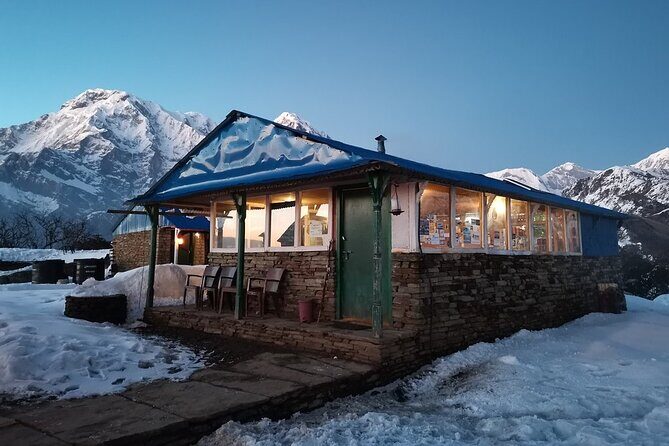
Day 4 shifts into a quieter feel, including a trail through rhododendron forests and a less-crowded section of the Annapurna region. This is the kind of day that resets your expectations. Instead of chasing the biggest view at every turn, you get a more “walk and notice” experience—birds, trees, and changing light.
This is also a day that’s excellent for acclimatization. Even if you’re not at the highest point, your body is still learning how it feels at altitude. A quiet day helps you focus on pacing, hydration, and taking rest breaks before you get cranky.
The Gradual Ascent and Alpine Terrain Push (Day 5)
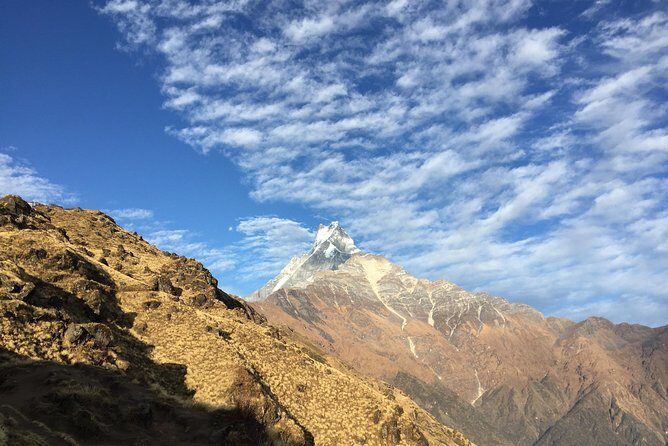
Day 5 is where the trek starts showing its teeth. You’ll take a gradual ascent with stunning views of Mardi Himal and Machhapuchhre. Then the route goes above the tree line and into alpine terrain, which changes everything.
Alpine hiking means:
- less shade
- more exposure to sun and wind
- a different leg burn, often from uneven ground and constant elevation work
This is one of the most important days to hike patiently. If you charge, you’ll pay later. If you keep a steady pace and take breaks when your body asks, you’ll make this day feel like progress instead of punishment.
High Camp Morning Viewpoint Plan (Day 6)
Day 6 starts with an early hike to a viewpoint. The panoramic payoff is described as big: Annapurna South, Hiunchuli, and Machhapuchhre. Then you return to High Camp for breakfast and rest.
That sequence is smart. The early-morning push is usually when visibility is best, and it keeps the most demanding effort short. Then you get the recovery you need before the next day’s descent.
From a planning standpoint, this day also helps you emotionally. You’re not slogging all day just to hope the view is good. You’re hiking with a clear target in mind, and the structure supports that.
If you’re someone who hates waking up early, consider this: you’re trading sleep for better views and easier footing. And in high-altitude country, early starts often feel less exhausting than you expect.
Final Descent Into Forest and Settlements (Day 7)
Day 7 is your legs’ transition day: a final descent through forest and small settlements. After that, you drive back to Pokhara and get a free evening around Lakeside to relax.
I like this plan because it finishes strong without leaving you in limbo. Descent is physically demanding in its own way (knee stress is real), but it’s psychologically easier when you know you’re heading back toward civilization.
The free evening is practical too. You can rehydrate, do laundry if needed, and eat something that doesn’t feel like trekking food. If you want a calm last memory, Lakeside is the easy place to do it.
Day 8: Thamel Again, With Less Pressure
On the last day, you return by tourist bus from Pokhara to Kathmandu, then transfer to your hotel. You’ll arrive the same day, and you’ll have a bit of room to close out the trip without rushing.
This day is simple by design. It’s a good ending if you want your trek to feel like a trek—not a travel logistics marathon.
Teahouses and Included Meals: The Real Comfort Math
This trek uses basic but comfortable teahouses throughout, with meals built in:
- Breakfast: 7
- Lunch: 5
- Dinner: 5
- Drinks are not included
On a trek, meals are one of the biggest “hidden hassles.” When food is included, you spend less time debating what to eat and more time resting and hiking. It also helps you keep your energy steady during ascent.
You should still expect trekking-style food: hearty options, simple preparation, and warm meals that do the job. The point isn’t gourmet dining. The point is predictable fuel in remote spots.
One caution: teahouses at altitude can vary in what’s available and how comfortable rooms feel. The tour says comfortable, but “comfortable” on a mountain still means basic. Bring what you need for warmth at night, because sleeping can be the biggest temperature shock.
Altitude and Pacing: Built for Moderate Fitness, Not Magic
The trek reaches a maximum of about 4,500m / 14,760 ft and does so after several days of trekking. The plan also includes plenty of acclimatization time and keeps the overall ascent steady.
Here’s the practical takeaway: you don’t need to be an elite athlete, but you do need to be steady. Moderate physical fitness is required, and “moderate” usually means:
- you can hike for several hours a day
- you can handle uphill effort without sprinting
- you listen to your body when altitude starts to feel off
The private format helps. Your guide can encourage rest breaks before symptoms escalate. The itinerary design also keeps you from doing a huge altitude jump with no recovery. That’s often the difference between a trek you remember fondly and one you survive.
Price and Value: What $666.67 Really Buys You
At $666.67 per person (for about 8 days), you’re paying for more than “a place to sleep and a trail map.” The value here is the combination of:
- private trek structure (only your group)
- guide support throughout
- teahouse stays
- included breakfasts/lunches/dinners
- transfers between Kathmandu and Pokhara, plus road transport at trek start and finish
- a flexible itinerary you can customize
If you try to self-organize this trek, costs can rise fast once you factor guide fees, coordination, and meal variability. This package is designed to remove the guesswork.
The only financial caution is drinks. Drinks are not included, so if you’re the kind of person who buys bottled water or warm drinks every stop, budget for that.
What I’d Do to Get the Most From Your Trek
I’d treat this as a steady hike, not a photo sprint. Mardi Himal rewards hikers who move with patience. Take the breaks your guide suggests. On an itinerary like this, breaks are not just optional—they’re part of how you keep altitude stress in check.
A few practical ideas that fit this specific plan:
- Start your hiking day early when possible so you hike in better visibility and then recover sooner.
- Plan warm layers for alpine and higher sections; once you’re above the tree line, temperature swings can surprise you.
- Keep snacks and water habits consistent. Included meals help, but you’ll still want small extras between stops.
And if you’re traveling solo or worry about comfort while hiking: the private setup and guide support are exactly what you want. Feedback around this trek route has mentioned a strong sense of safety and organization for independent travelers.
Who This Trek Is Best For (and Who Might Want Something Else)
This trek fits you if:
- you want a moderate Himalayan trek (not the highest peaks)
- you care about mountain views, including Machhapuchhre
- you like a private experience with your own pace
- you want guide support and included meals to keep planning simple
You might want a different trek if:
- you want to climb higher than 4,500m (this one tops out lower)
- you strongly dislike teahouse-style basics (still basic, even when labeled comfortable)
- you’re not ready for altitude at all—even “moderate” altitude is still altitude
Should You Book This Mardi Himal Base Camp Trek?
If your goal is a rewarding Annapurna trek that doesn’t punish you with extreme altitude or constant crowd pressure, I’d call this a smart choice. The biggest reason: the structure supports pacing. You get a gradual feel for the mountains, included meals to keep energy stable, and a private format that lets your guide manage the day in a way that matches your body.
Book it if you’re aiming for:
- steady hiking with real views of Mardi Himal and Machhapuchhre
- teahouse convenience without the extra planning headache
- a trek that respects acclimatization time
Hold off if you want nonstop panoramic views every hour or you’re uncertain about hiking at altitude. In that case, do more fitness prep and consider choosing dates and options that match your comfort level.
FAQ
How long is the Mardi Himal Trek?
The trek is listed as 8 days approximately.
What is the maximum altitude on this trek?
The itinerary includes trekking up to a maximum altitude of about 14,760 feet (4,500 meters).
Is this trek private?
Yes. It is described as a private tour/activity, and only your group participates.
Are meals included?
Yes. Breakfast is included 7 times, lunch 5 times, and dinner 5 times. Drinks are not included.
Do you offer pickup, and what time does the experience start?
Pickup is offered. The meeting start time is 6:15am.
What is the cancellation policy?
Free cancellation is available up to 24 hours in advance of the experience for a full refund.
Are service animals allowed?
Yes, service animals are allowed.