REVIEW · KATHMANDU
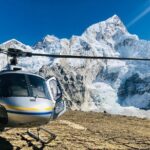
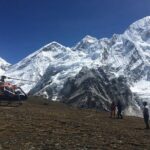
Everest Base Camp Helicopter Tour landing at Everest View Hotel
Book on Viator →Operated by Himalaya Holiday service Pvt. Ltd.(HHS) · Bookable on Viator
Everest by helicopter sounds like a cheat code, and this one mostly is. You start in Kathmandu at dawn, hop to the Everest region, then come back for a mountain-view breakfast stop at Hotel Everest View. It’s built around multiple viewpoint moments, not a long trek.
I love the professional, safety-first feel I keep seeing in how the team runs the morning. The pilot is experienced, there’s a face-to-face briefing the night before, and even small delays are handled with clear updates instead of panic. Another standout is the convenience: hotel pickup and drop-off means you’re not trying to sort out taxis, airport timing, and extra logistics before the weather window closes.
The main consideration is also the nature of flying in the Everest region: the plan is weather-dependent. You might wait for conditions to improve, and if the flight can’t operate, you’ll get a full refund or a rescheduled option.
In This Review
- Quick Take: The Everest Helicopter Experience in Real Terms
- Kathmandu to the Skies: What Makes This Morning Run Work
- The Aircraft and Seating: Small Plane Reality, Big View Potential
- Tip I’d follow
- Stop for Fuel at Lukla: A Tiny Airport With Huge Symbolism
- Flyover Moments Over Base Camp and Kala Patthar: What You’ll Actually See
- The flyover reality check
- Everest View Hotel Breakfast: The Highest Dining Room Break
- What if there’s a delay at the hotel?
- Weather, Safety, and How Delays Are Handled
- Safety feels real here because…
- Timing and Group Flow: Expect a Split if Demand Is High
- Price and Value: Is $1,575 a Good Deal?
- What to Pack (and What Not to Overpack)
- Who This Helicopter Tour Fits Best
- Should You Book This Everest Base Camp Helicopter Tour?
- FAQ
- What time does the tour start?
- How long is the total experience?
- How long is the helicopter flight?
- Do I get hotel pickup and drop-off in Kathmandu?
- Is breakfast included?
- Is there a stop at Lukla?
- What aircraft might be used?
- Do I need to bring my passport?
- What should I wear?
- What happens if the flight can’t operate due to weather?
Quick Take: The Everest Helicopter Experience in Real Terms
- Multiple viewpoint moments: you get aerial views plus a ground stop at Hotel Everest View for optional breakfast
- Shared group setup: joining groups run with a pilot and up to 5 passengers, often in a small aircraft
- Lukla refuel stop: a quick airport glimpse where trekkers begin their Everest journey
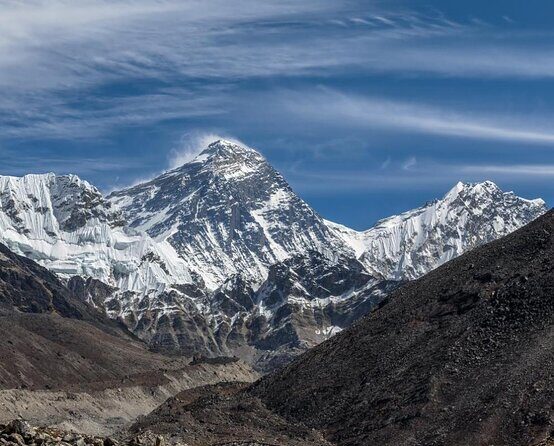
- Flyover focus: your day is about scenic passes over Everest Base Camp area and Kala Patthar-type views
- Front-seat magic (sometimes): some flights allow seat rotation toward the pilot area for a better angle
- Bring warm layers: you’ll be cold enough that a real jacket matters, not just a hoodie
Kathmandu to the Skies: What Makes This Morning Run Work
This is not a slow, sightseeing bus day. It’s a tightly timed, early start experience that turns Kathmandu into a staging area for Everest views. The pickup starts from your hotel in Kathmandu, and you’re ready to go for a 6:15 am start. Expect transfers, paperwork checks, and airport processing before you ever see the mountains.
The biggest thing I like here is the rhythm: you’re not stuck in one long waiting room with zero clarity. The operation is set up for changing conditions. When visibility is limited, they pause rather than rush. When conditions improve, you go. That matters on Everest days, because the weather doesn’t care about your itinerary.
The tour is also priced as a shared helicopter flight. That’s a key detail: you’re not buying an exclusive charter. You’re paying for a seat in a small group with a professional pilot and a guided plan for when to fly and where to look from the air.
A few more Kathmandu tours and experiences worth a look

The Aircraft and Seating: Small Plane Reality, Big View Potential
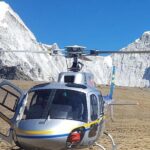
You’ll fly on either an Airbus H125 or a Eurocopter 350 (depending on what’s scheduled). Both are compact and built for short hops in tough terrain. That also means two things for your comfort.
First, you’ll want to dress for cold quickly—this is not a light sweater moment. Even if the flight time in the air is short, you’re still up high with wind exposure and lingering chill at the start of the day.
Second, seating is part of the experience. One review highlighted that passengers can sometimes rotate to get a front angle near the pilot. That’s a big deal if you care about sharp photos and the most dramatic sightlines. If you’re traveling with someone, coordinate your camera plan. If you’re solo, still bring your “one best shot” strategy, because you don’t want to waste your best angles messing with straps and settings.
Tip I’d follow
If you care about identifying peaks fast, install AlpineGuide on your phone before you leave Kathmandu. One rider used it with Bluetooth labels to match mountain names and heights while looking out the window.
Stop for Fuel at Lukla: A Tiny Airport With Huge Symbolism
A short, planned stop at Lukla Airport happens for fuel. It’s brief—think about ten minutes rather than a full viewing experience. But even in that short window, Lukla is one of the most meaningful stops you can make on an Everest day.
Why? Because Lukla is where many trekkers start. You’ll get a sense of how the mountain world moves there: smaller aircraft, quick turnarounds, and routes that depend on weather and runway conditions. Even if you’re not trekking, Lukla gives context to what you’re flying over.
And from a visual standpoint, it’s another chance to see the region from a slightly different angle before you continue.
Flyover Moments Over Base Camp and Kala Patthar: What You’ll Actually See
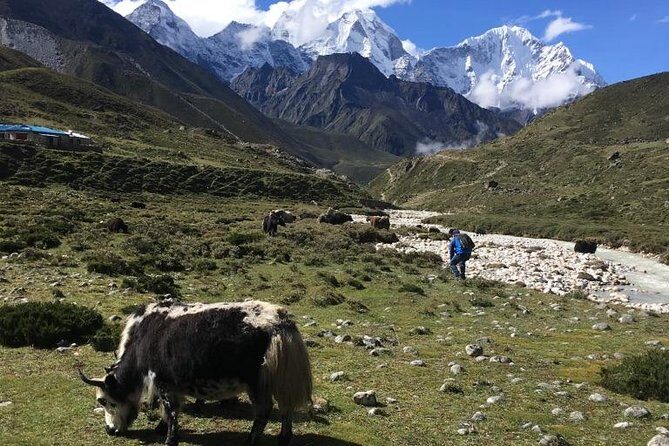
Here’s the honest way to think about the main viewing part: this tour is built around flyovers and close passes, not a long time walking at Everest Base Camp. The day focuses on giving you views of the Everest Base Camp area and the Kala Patthar-style vantage zone, with time to take photos and videos from the air.
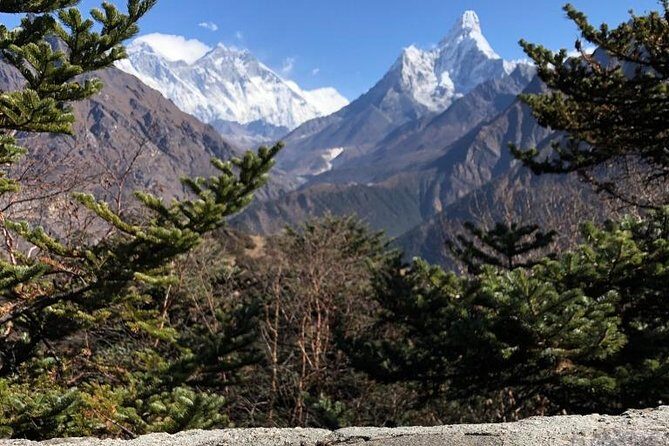
That’s why the itinerary includes a stop concept around Everest View Point / Everest View Hotel time later. The helicopter gets you close; the ground stop gives you a real breathing moment where your eyes can adjust from airplane windows to open views.
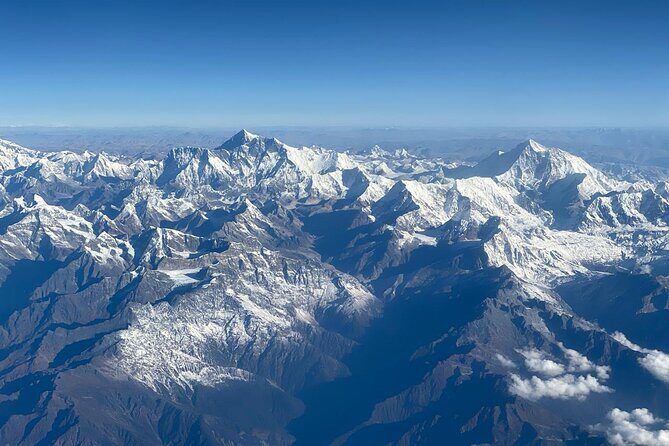
If conditions are good, this is where the “bucket list” part happens. You’ll see glaciers, ice formations, and the look of mountaineering routes that you simply can’t grasp from photos on a screen. When you’re looking down at the terrain, it’s easier to understand why people spend weeks walking here.



The flyover reality check
The “closest possible” experience depends heavily on what the pilot can safely fly given the day’s visibility. This tour’s success is tied to that weather window. That’s not a trick; it’s the truth of Everest aviation.
Everest View Hotel Breakfast: The Highest Dining Room Break
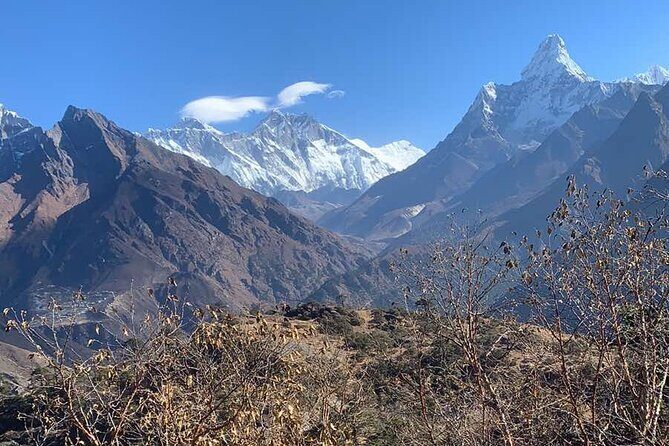
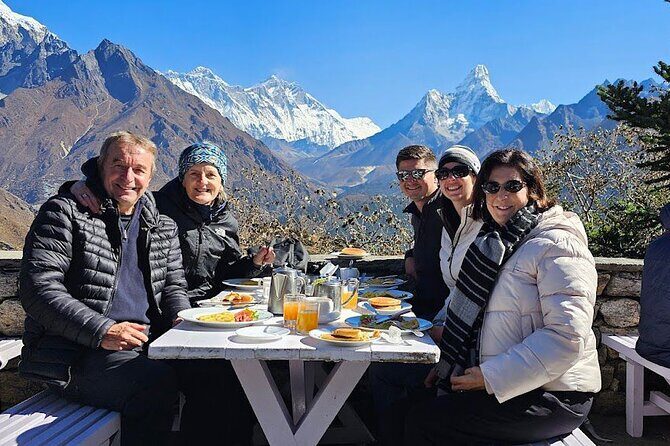
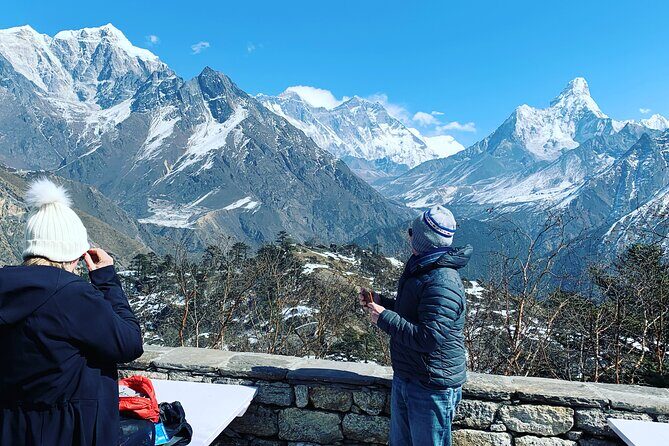
The optional breakfast is the most “human” part of the day. You land at Hotel Everest View for about 45 minutes (assuming weather conditions allow it). This is one of the highest hotel viewpoints in the region, and the value is more than just a meal.
You sit, you eat, you look. Your brain finally catches up after the quick, compressed flight segments. Instead of chasing camera angles from a moving helicopter window, you can actually take in the mountains slowly for a bit.
Breakfast is not just quick calories either. Some riders described it as huge and suggested sharing. If you choose the meal, I’d plan to go a little lighter so you don’t end up with half-uneaten food because you’re trying to finish everything out of excitement.
What if there’s a delay at the hotel?
One review noted the helicopter did a rescue while they waited, and the extra time felt like it was worth it because the hotel still offered excellent views. That’s the kind of upside you can get when you’re in a strong viewpoint spot and not stuck somewhere flat and boring. (See kathmandutrips.com for Kathmandu.)
Weather, Safety, and How Delays Are Handled
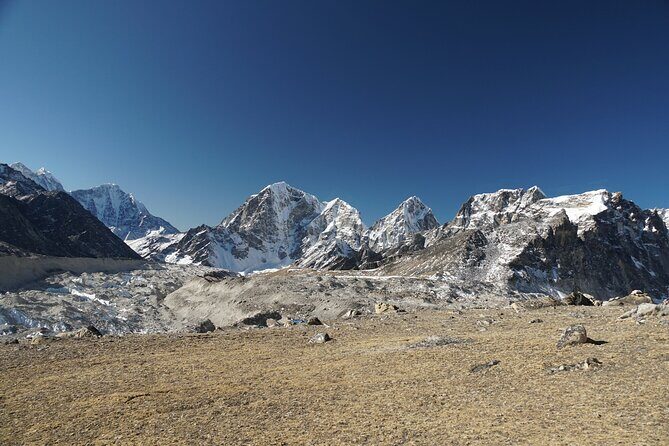
On Everest, weather isn’t just inconvenient. It’s the gatekeeper.
The operation you’re booking flies on “nice days only.” If there’s no flight due to weather or poor visibility, you get a full refund. If the issue is conditions rather than cancellation intent, they try to reschedule, so you still have a shot at the experience.
What I like is the consistency in how safety is treated. The pilot and ground team make decisions based on what’s safe for takeoff and landing, including tower clearance. You might wait on the ground if conditions won’t clear fast enough. That’s frustrating when you’re excited, but it’s exactly what a responsible operator does.
Safety feels real here because…
- You get a face-to-face pre-trip briefing the night before
- The aircraft is crewed by an experienced pilot
- Your day is built around flight feasibility, not guesswork
Timing and Group Flow: Expect a Split if Demand Is High
This is a joining-group product. That affects how the day unfolds at the airport and in the air.
The tour is described as sharing a small group setup with 5 passengers and a pilot. There’s also a note that if there are more passengers than the group size, your group may be split (for example, flying two people first, then the rest). In practice, that can mean a staggered experience instead of everyone going up at the exact same time.
If you’re traveling with friends and want matching photo timing, plan for a little separation. If you’re traveling as a couple, you’ll likely be grouped together, but still expect that the operation may prioritize scheduling and safety over perfect “everyone same flight” symmetry.
Price and Value: Is $1,575 a Good Deal?
At $1,575 per person, this isn’t an impulse purchase. So you should judge value based on what’s included and what would cost you more if you tried to DIY it.
What you’re paying for:
- A shared helicopter flight operation with a professional pilot
- Hotel pickup and drop-off within Kathmandu (you provide your hotel name and address)
- A pre-trip face-to-face briefing and expert consultation
- Multiple planned viewing moments, including the optional Hotel Everest View breakfast
- A plan that works within the reality of Everest weather windows
What costs extra:
- Taxes listed at $55 per person for items like national park fees, municipal tax, airport tax, and other Kathmandu/Lukla taxes (as provided)
When you compare the total, it’s still pricey. But the “value” argument is strong if you’re short on time in Nepal. A trek to these views is a different kind of commitment—days of walking, gear, and time away. This gives you a high-impact Everest day that you can fit into your itinerary if your schedule is tight.
What to Pack (and What Not to Overpack)
You don’t need a full trekking kit for this, but you do need warmth.
The tour information recommends bringing warm dressing for temperatures around 0°C in warmer seasons and colder conditions in winter, with guidance to bring a warm jacket for about -2°C in winter. Translation: pack layers. Even if the flight is short, you can be cold waiting and cold at the viewpoint stop.
Also:
- You only need a passport copy (a photo on your phone is acceptable). No need to bring the original passport.
- If you’re above 100 kg, message the operator after booking as instructed so they can account for weight considerations. There’s also a stated total weight per passenger of 265 lbs.
Who This Helicopter Tour Fits Best
This tour is a great match if you:
- Want an Everest experience without the time and logistics of a long trek
- Have limited days in Kathmandu and need an experience that runs early
- Care about photography and want aerial passes plus a real viewpoint stop for breakfast
It’s also a decent fit if you’re traveling solo, since the group format still keeps you supported by staff and pilots.
It might be less satisfying if you:
- Expect long ground time at Everest Base Camp (this is primarily flyover viewing)
- Get frustrated by weather waits (which can happen on Everest days)
- Don’t handle cold well without planning layers
Should You Book This Everest Base Camp Helicopter Tour?
If your priority is seeing Everest up close with the least time investment, I think this is a strong choice. The combo of a professional operation, a hotel-view breakfast stop, and genuinely scenic flyover moments makes it easy to justify the cost when your schedule is tight.
My decision rule:
- If you can spare at least one extra day in Kathmandu for possible weather shifts, book with confidence.
- If you’re the type who plans for cold and waits calmly when needed, you’ll have a far better day.
- If you’re hoping for a trekking-style visit on foot, look for a different type of Everest outing.
Bottom line: this is a “maximum mountain per hour” experience, run with safety as the driver. For a once-in-a-lifetime Everest moment, that’s exactly what you want.
FAQ
What time does the tour start?
The meeting start time is 6:15 am.
How long is the total experience?
It runs about 4 to 5 hours total.
How long is the helicopter flight?
The flight time is listed as about 3 to 4 minutes, with the overall day longer due to transfers and stops.
Do I get hotel pickup and drop-off in Kathmandu?
Yes. Pickup and drop-off are included, and you provide your hotel name and address for the pickup timing.
Is breakfast included?
Breakfast is optional. When it’s available, it’s at Hotel Everest View and is subject to weather.
Is there a stop at Lukla?
Yes. There is a short stop at Lukla for fuel purposes.
What aircraft might be used?
The information lists Airbus H125 and Eurocopter 350 models.
Do I need to bring my passport?
You don’t need the original passport. A passport copy is enough, and a picture on your phone works.
What should I wear?
Bring warm clothing suitable for around 0°C in warmer seasons and colder conditions in winter, with guidance to bring a jacket for about -2°C in winter.
What happens if the flight can’t operate due to weather?
If there’s no flight due to weather, you get a full refund. The experience requires good weather to operate.