REVIEW · KATHMANDU
Kathmandu Food and Drink Walking Tour
Book on Viator →Operated by Deepak Kushwaha · Bookable on Viator
One food walk beats a museum day.
This Kathmandu Food and Drink Walking Tour turns a few hours into a serious sampler platter of Nepalese flavors, moving from Thamel’s street life to market lanes and historic neighborhoods.
What I love is the way the tour feeds you like it has a plan: coffee/tea plus multiple meals (brunch, lunch, dinner) along with snacks and bottled water. The other big win is the guide, Deepak Kushwaha, who keeps things moving at a pace that feels relaxed and answers food and culture questions as you go.
The main drawback is simple: you walk a lot, including tight lanes and stairs, so it is not a smooth fit for anyone with mobility issues.
Key highlights that matter before you book
- Real eating, not just looking: brunch, lunch, dinner, snacks, and drinks are included
- A guide who manages the street: you get safer choices when Kathmandu gets crowded
- Expect a mix of Nepalese classics: momo, lassi, noodle soup, and more
- Vegetarian options at every stop are part of the plan
- Come hungry: people finish the tour full (and sometimes very full)
- Walking route needs decent stamina: expect narrow lanes and steps
In This Review
- Why This 3-Hour Kathmandu Food Walk Works So Well
- Meeting at Kaiser Library and What the Logistics Feel Like
- Thamel (Stop 1): Street Life, Drink Stops, and Easy-to-Follow Chaos
- Asan (Stop 2): Market Energy and the Newari Flavor Factor
- Jyatha (Stop 3): Another Neighborhood Bite With More Variety
- Chhetrapati (Stop 4): Historic Streets, Hearty Food, and a Finishing Dessert
- What’s Actually Included: Meals, Drinks, and Bottled Water
- Price and Value: Why $36.21 Makes Sense for a Food-Focused Afternoon
- Guide Deepak Kushwaha: Stories, Humor, and Extra Notes After
- Safety on Crowded Streets: How the Guide Helps You Eat Without Guessing
- Come Hungry: The Best Way to Plan Your Day Around This Tour
- Vegetarian-Friendly Food Choices (and What to Ask If You Have Limits)
- Walking Stairs and Narrow Lanes: The One Real Physical Consideration
- Should You Book This Kathmandu Food and Drink Walking Tour?
- FAQ
- How long is the Kathmandu Food and Drink Walking Tour?
- What’s included in the tour price?
- Is pickup included?
- Where does the tour start and end?
- Is the tour vegetarian-friendly?
- Is the tour suitable for people with mobility issues?
- What if the weather is bad?
Why This 3-Hour Kathmandu Food Walk Works So Well
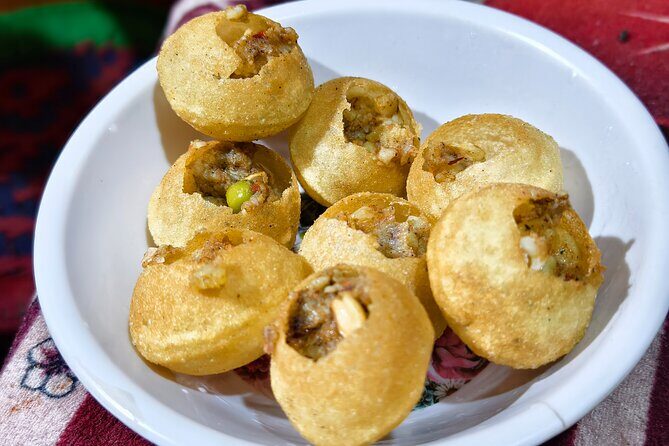
If you only have one afternoon in Kathmandu, food is the fastest way to understand the city. This tour is built around that idea: you do a compact walk through key neighborhoods, then you eat and drink your way through a range of Nepalese styles. It is not a two-hour “sip and snack” situation. It is structured like an actual meal run.
I also like that the tour clearly aims for quality over quantity. That sounds like marketing, but it lands in a practical way: you do not bounce randomly from stand to stand. You stop at places where you can taste what you came for, without guessing what’s risky or what’s touristy.
One more thing I appreciate: you are not just handed food. You get stories—about ingredients, traditions, and how dishes connect to culture. It turns your stomach into a learning tool, which is honestly a great deal.
Meeting at Kaiser Library and What the Logistics Feel Like
The tour starts at Kaiser Library on Kanti Path, Kathmandu 44600. It ends back at that same meeting point, so you do not have to worry about figuring out where you are when you’re ready to call it a day.
You’ll usually have a couple of useful conveniences:
- Mobile ticket for day-of entry
- Pickup offered, but private transport pickup/drop-off is not listed as included, so expect to plan around the meeting point
- The activity is near public transportation, which matters in a city where things can shift quickly
- Confirmation is received at booking
And since the tour cap is up to 100 travelers, you should still be prepared for a lively group scene at peak times. That said, the heart of the experience is the guide-led stop-by-stop eating.
You can also read our reviews of more walking tours in Kathmandu

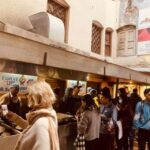
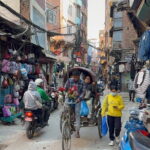
Thamel (Stop 1): Street Life, Drink Stops, and Easy-to-Follow Chaos
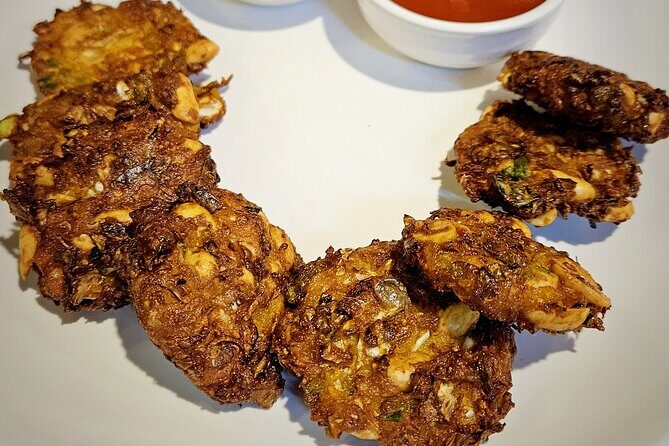
Thamel is where many first-time visitors land in Kathmandu, and for good reason. It is a dense pocket of streets packed with shops, eateries, and people. The tour’s first 1 hour here is designed to get your senses turned on fast—food smells, tea steam, fryer sounds, and the kind of street rhythm that you only get by walking.
This is also where the drink and snack energy tends to hit. I’d go in expecting Nepalese favorites such as:
- Lassi (the cool, yogurt-based drink)
- Sugar cane juice
- Spiced tea, including options mentioned like Marsala tea
- Some sweet finishes (dessert shows up at the end of the tour in the overall flow)
A practical tip: in Thamel, the streets can feel a bit intense. Tight sidewalks, bikes, motorbikes, and people weaving around each other are normal. The tour helps because you are not selecting stalls on your own. You follow the route and stop at spots the guide recommends.
How long you’ll feel it depends on your pace. One good thing from feedback: people did not feel rushed, and the walk-and-eat timing matched the group’s rhythm.
Asan (Stop 2): Market Energy and the Newari Flavor Factor
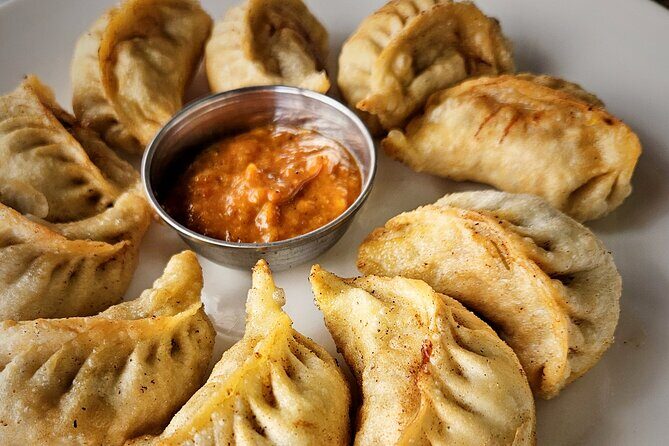
Asan is where Kathmandu’s market side shows up clearly. This stop is short—about 30 minutes—which is exactly right for a place like this. You want enough time to taste and spot what’s going on, but not so much time that you lose the thread of the route.
This is also a place where Nepalese food identity matters. In the tour’s overall mix, one standout theme is Newari dishes—traditional food associated with the Kathmandu Valley. If you’re the type who thinks Kathmandu equals momo only, this is your chance to broaden your view.
What makes Asan valuable on a tour like this is that the guide can help you connect:
- what you are tasting
- how the ingredients fit local cooking
- why these dishes show up in market life
And yes, this is one of the moments where you’ll feel the difference between eating because you’re curious vs. eating because you’re confident in what you ordered.
Jyatha (Stop 3): Another Neighborhood Bite With More Variety
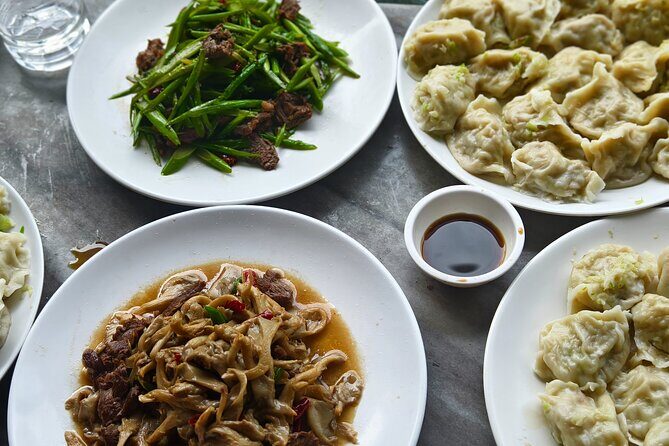
Jyatha is a smaller stop in the schedule—around 30 minutes—but it has a job to do: add variety and keep the tasting pipeline flowing. This is the point where your stomach is awake and your brain wants comparison.
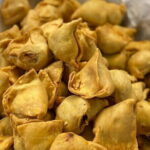
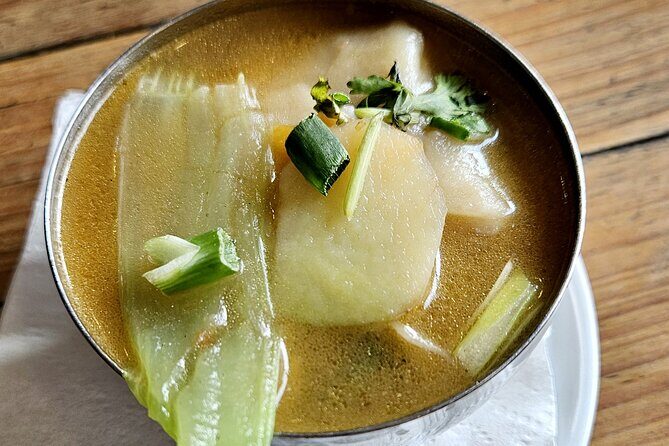
This is where classics like momo often show up in the overall menu flow, and so can comfort-food styles like noodle soup. Even if you think you already know what you like, this stop is useful because it turns you into a taster. You can notice how sauces, spice levels, and textures shift across Nepalese styles.
A big plus is that the guide keeps conversations going while you eat. You might talk about food history, religions, and culture, with humor mixed in. It is a tour where the chatting does not feel like a lecture.
Chhetrapati (Stop 4): Historic Streets, Hearty Food, and a Finishing Dessert

Chhetrapati is scheduled for about 1 hour, and the vibe is different from the earlier stops. You’re moving through older Kathmandu lanes where things feel more grounded than the tourist shopping zone.
This is where the tour tends to deliver a stronger “meal” feeling—something that rounds out the earlier snacking. In the included package, you have enough built-in food to cover more than one stage of your day: lunch and dinner are both included, plus brunch earlier in the tour sequence.
People also point to dessert as the ending move. So, plan your appetite like a sensible person: start the tour ready to eat, not like you’re trying to prove willpower.
If you’re sensitive to spice, you should be able to manage it by choosing what you sample and asking what’s hot. The tour does not advertise a customization system in the basic details, but the guide-led approach generally gives you room to ask what’s in front of you.
You can also read our reviews of more food & drink experiences in Kathmandu

What’s Actually Included: Meals, Drinks, and Bottled Water

This is one of the main reasons the price feels fair.
Included on the tour:
- Coffee and/or tea
- Brunch
- Dinner
- Lunch
- Snacks
- Bottled water
Not included:
- Personal expenses
- Tips/gratuities (not listed as included)
That mix matters because Kathmandu food can get expensive when you stop “one place at a time.” A tour that bundles the full flow—drink, multiple food stages, and water—saves you both money and decision fatigue.
You also avoid the most common trap: eating one great dish and missing the rest of the city’s range. Here, your plate changes often enough that you get a feel for how broad Nepalese cuisine can be.
Price and Value: Why $36.21 Makes Sense for a Food-Focused Afternoon
At $36.21 per person, you are basically paying for three things:
- A route through neighborhoods you might not choose on your own
- Access to multiple food stops where you do not have to negotiate every order
- The heavy lift: organizing enough tastings that you leave full, not just satisfied
For a city where eating well often means chasing good spots, the real value is that the guide helps you pick safer, better options. You pay less than you would if you tried to replicate the experience solo by booking separate meals and drinks.
Also, the pacing matters. When people say the tour is not rushed and matches the group’s speed, that is part of value too. You’re not sprinting from one stall to another with your eyes and tongue overwhelmed.
Guide Deepak Kushwaha: Stories, Humor, and Extra Notes After
Deepak Kushwaha is the name you’ll see attached to the experience, and the recurring theme is that he blends food with context.
What stands out in the way he leads:
- Clear explanations about each dish and drink
- A steady rhythm so you can taste and keep up
- Humor and conversation, not just facts
- The ability to answer questions that go beyond food
One practical extra: after the tour, you may receive photos and a list of dishes with descriptions. That’s more useful than it sounds. Kathmandu has a lot of names, and memory fades fast after a day of eating.
If you like guides who treat your questions seriously but keep it light, this tour fits that style.
Safety on Crowded Streets: How the Guide Helps You Eat Without Guessing
Kathmandu streets can be intense—busy intersections, narrow lanes, and lots of food stalls. A key advantage of a guided approach is that you do not have to play the risk game of trying random stalls that look fine but might not be.
The tour route is set up to take you to spots considered safer and more reliable, while the guide handles navigation through the tighter areas. That matters because food tours work only if you feel comfortable eating what you’re served.
So if your comfort zone is not street-side logistics, this is still a doable way to try it. You follow the plan, and you focus on the eating.
Come Hungry: The Best Way to Plan Your Day Around This Tour
You should treat this like a full-afternoon meal plan, not a snack tour.
Based on how the tour is described and how people report their experience, you’ll likely end up:
- tasting many items
- eating enough to feel stuffed by the end
- needing that walk afterward to slow your digestion
The simplest strategy:
- Have a lighter breakfast or skip anything heavy beforehand
- Hydrate earlier in the day, but rely on the included bottled water during the tour
- Bring an appetite mindset, not a careful-tasting one
One pro tip that comes up for scheduling: if you can pick a mid-afternoon departure (one time mentioned is around 15:45), plan a moderate breakfast and then hold off until the tour starts. That way you get the best tasting experience instead of forcing food when you’re already full.
Vegetarian-Friendly Food Choices (and What to Ask If You Have Limits)
If you eat vegetarian, this tour has a big advantage: vegetarian options are available at all places. That means you’re not stuck doing the tour with only one token item.
Still, if you have allergies or strict dietary limits, you should ask before you order. The tour package does not spell out how dietary substitutions work. What you can rely on is that there’s a vegetarian plan in the mix.
If you want maximum variety, don’t just order the safer-looking items. Ask what’s local and let the guide help you pick.
Walking Stairs and Narrow Lanes: The One Real Physical Consideration
This isn’t a sit-down tasting. You are walking, and you will hit:
- tight staircases
- narrow lanes
That is the biggest reason people caution it for mobility issues. If walking longer distances or climbing stairs is difficult for you, this might not be the right format.
If you’re fine on your feet, treat the route like an urban stroll with food rewards. Wear supportive shoes and expect the occasional cramped passageway.
Should You Book This Kathmandu Food and Drink Walking Tour?
I’d book it if:
- you want a high-food, low-effort way to taste Nepal in one afternoon
- you like street-level eating but prefer a guide to manage the choices
- you eat vegetarian or want a tour that supports that without making you feel left out
- you want stories about food and Kathmandu culture while you eat
I’d skip it (or choose carefully) if:
- stairs and narrow lanes are a real problem for you
- you hate walking in busy areas and would rather eat from one calm sit-down restaurant
- you want a slow, museum-style pace rather than a tasting schedule
If you’re looking for a tour that feeds you well and gives you context without turning it into a lecture, this one is a strong pick. Just do yourself a favor: arrive hungry, take your time with each stop, and let Deepak Kushwaha do what he’s good at—guiding you through Kathmandu one plate at a time.
FAQ
How long is the Kathmandu Food and Drink Walking Tour?
It runs for about 3 hours (approx.).
What’s included in the tour price?
The tour includes coffee and/or tea, brunch, lunch, dinner, snacks, and bottled water.
Is pickup included?
Pickup is listed as offered, but private transportation pickup and drop-off is not listed as included. The tour starts at Kaiser Library and ends back at the meeting point.
Where does the tour start and end?
It starts at Kaiser Library, Kanti Path, Kathmandu 44600, Nepal and ends back at the same meeting point.
Is the tour vegetarian-friendly?
Yes. Vegetarian options are available at all places, so it can work well if you’re vegetarian.
Is the tour suitable for people with mobility issues?
Not really. It involves tight staircases and narrow lanes, so it’s not a good fit for mobility limitations.
What if the weather is bad?
The experience requires good weather. If it’s canceled due to poor weather, you’ll be offered a different date or a full refund.