Kathmandu snacks are a whole story in two hours. This walking food tour takes you through Indra Chowk and toward Kathmandu Durbar Square, where you get a guided sampler of local bites that you won’t stumble into by accident. I especially like that the tour is built around small-group pacing and that the guide puts the food into context, not just names it. One thing to plan for: some tastings are meant to be eaten standing up, so bring comfortable shoes and a patient attitude.
At $36 per person with all tastings included, it’s a straightforward value play—especially if you’re in Kathmandu for a short window and don’t want to spend your evenings guessing what’s safe and worth your money. The group size stays under 12 travelers, which usually means more questions, more interaction, and fewer long waits. The route is also weather-dependent, so if monsoon-style rain shows up, you may get a change of date.
You’ll end back at the starting point near Akash Bhairab Temple, and you’ll leave with a much clearer sense of what people actually snack on around the markets—sweet, savory, and often spicy in a way that feels intentional, not random.
In This Review
- Key things to notice before you book
- Why Indra Chowk and Durbar Square are the right food-stage
- What you’ll eat: Nepali street snacks with Indian influence
- The 2-hour walk: pace, stops, and what to expect on the street
- Meet your guide: the difference good context makes
- Price and value: why $36 can be a smart food shortcut
- Food comfort and hygiene reality check
- Who this tour fits (and who should think twice)
- Should you book the Walking Food Tour in Kathmandu?
- FAQ
- How long is the walking food tour?
- Where does the tour start?
- What does the tour cost, and what’s included?
- How many people are in the group?
- Is there a mobile ticket?
- What if the weather is bad?
- What’s the cancellation window?
Key things to notice before you book
- Small group (up to 12) keeps the tour friendly and question-friendly
- Two focused areas: Indra Chowk and Kathmandu Durbar Square
- All food tastings included, so you can budget calmly
- Some bites are standing food, so plan footwear and posture
- Guides with real food context who explain what you’re eating as you go
Why Indra Chowk and Durbar Square are the right food-stage
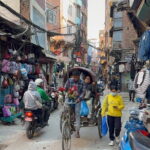
If you’ve ever wandered Kathmandu markets and felt overwhelmed, you’ll get why this route works. Indra Chowk is busy and layered with everyday smells—hot oil, spices, fried dough, fresh toppings—so it’s an ideal place to start with small tastings and let your palate catch up. You’re not just “eating snacks.” You’re learning how snacks fit into daily life in the market lanes.
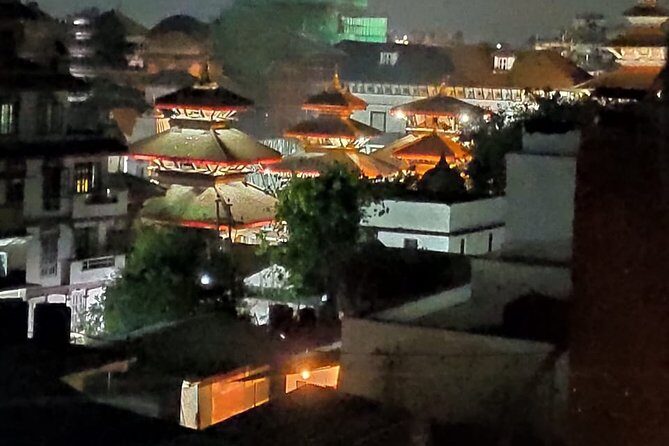
Then you move toward Kathmandu Durbar Square, where the food experience shifts from quick market bites to more of a cultural stop—food places locals visit, including more “hole-in-the-wall” spots you would rarely notice from the sidewalk. This change of scene matters because street food in Kathmandu isn’t one uniform thing. It’s a mix of quick comfort food, religious-and-cultural rhythms around the square, and Indian influences showing up in shape, seasoning, and sauces.
One more thing: this is an evening-style route in an active tourist city. A guide helps you read what’s going on—what to order, when to eat, and how to handle spice without it becoming a guessing game.
You can also read our reviews of more walking tours in Kathmandu
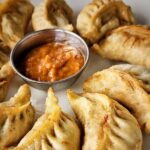
What you’ll eat: Nepali street snacks with Indian influence
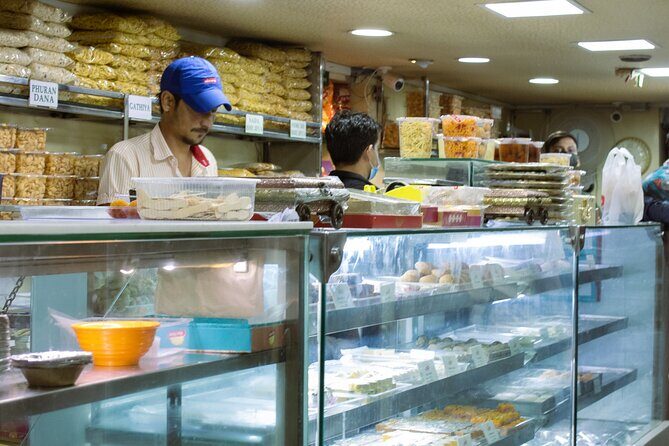
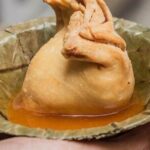
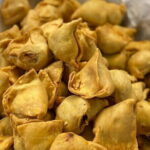
This is a tasting tour, not a single sit-down meal. You can expect a mix of snacks across the two market zones, with portions designed so you sample variety rather than max out one dish.
The tour is explicitly aimed at Nepali flavors plus Indian-influenced street food, and the best part is that the guide gives context while you’re eating. That means you’ll know what you’re tasting (and why it’s paired the way it is), instead of leaving with a list of foods you can’t recreate later.
From the experience descriptions and guide-led feedback you can plan for these practical outcomes:
- You’ll likely get both sweet and savory bites, so your palate doesn’t get stuck in one mode.
- The spice level is typically handled thoughtfully by the guide, so you won’t feel like you’ve been thrown into a fire with no instructions.
- The “snack” label is a bit optimistic. It’s often enough food that you finish feeling properly fed.
If you’re the kind of traveler who hates ordering at places you don’t understand, this solves that. You’re tasting a path, guided by someone who knows the menu names and the local logic.
The 2-hour walk: pace, stops, and what to expect on the street
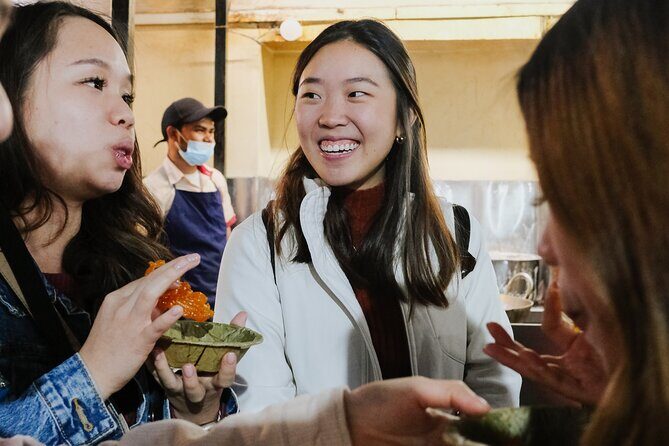
Plan on about 2 hours total. The tour runs as two roughly equal segments:
- Stop 1: Indra Chowk (about an hour)
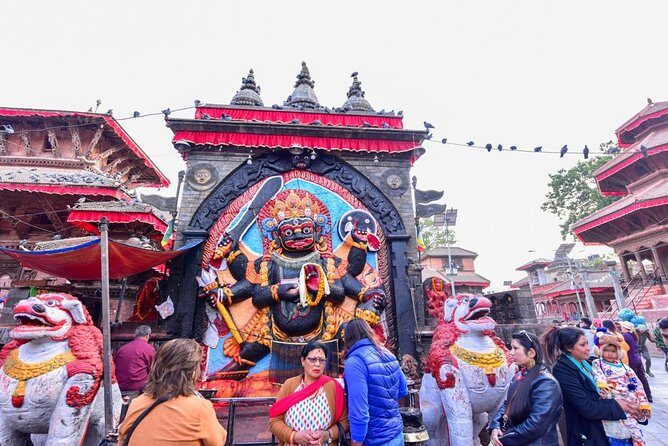
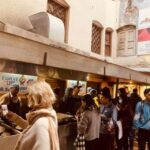
You meet near Akash Bhairab Temple and then walk through the Indra Chowk area while eating several tidbits. Expect short pauses, quick exchanges with the guide, and lots of “watch what’s happening here” moments as you move.
- Stop 2: Kathmandu Durbar Square area (about an hour)
The vibe is more “local eateries near the square,” including smaller, low-profile spots that look like you’re walking into someone’s doorway rather than a restaurant storefront.
Because some foods are eaten while standing, this isn’t ideal if you need lots of sitting breaks. If you wear good shoes and can handle short standing stretches, you’ll be fine. The streets can be uneven, and you’ll be moving through narrow areas, so don’t pack your flimsiest footwear.
Also, keep an eye on your timing. This tour is best when you arrive hungry but not starving—meaning you’re ready for multiple tastings without needing to sprint to a full meal afterward.
Meet your guide: the difference good context makes
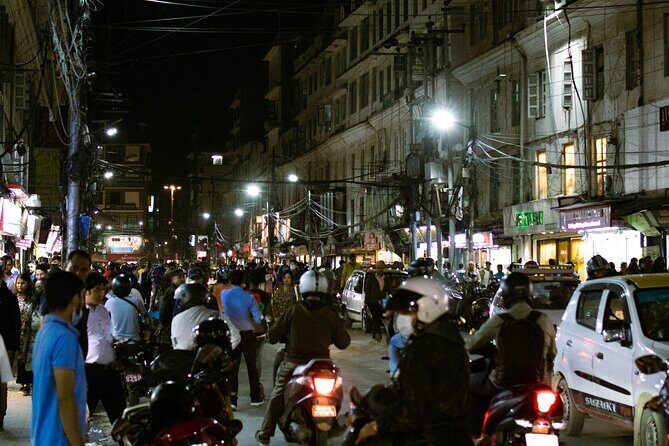
Part of why this tour gets strong marks is the human element. The guides aren’t just pointing at stalls. They’re explaining what you’re eating and where it fits in Nepali and Indian food culture.
You might meet guides like Shazia, Fahid, or Dhuksang. People consistently describe them as friendly and attentive, and that matters because street food isn’t always self-explanatory. A dish might look familiar, but the spice, texture, or sauce can make it very different from what you expect.
Here’s what to do to get the most out of the guide:
- Ask how the flavors work (sweet vs. savory, mild vs. spicy, crunchy vs. soft).
- Tell them if you prefer less heat or need vegetarian-leaning options.
- Don’t be shy about learning what to look for next time you return to a market on your own.
When the guide handles ordering and timing, you can focus on tasting. It turns “random snacks” into a coherent food map of Kathmandu.
Price and value: why $36 can be a smart food shortcut
At $36 per person, you’re paying for three things: a guide, a curated route through specific market areas, and included snacks. You’re not paying for private transportation, so you’ll handle getting to the meeting area on your own. That’s normal for walking tours, and it keeps the cost more reasonable.
The value angle is simple:
- If you try to build this yourself, you’ll spend time figuring out where locals eat, what to order, and which places are worth trusting.
- On this tour, the tastings are already planned, and the guide provides the context that makes the experience click fast.
There’s also a practical planning note: the tour is often booked about 14 days in advance on average, so if your dates are tight, you’ll want to lock it in early rather than hoping for last-minute space.
If you’re traveling in a group, check whether your booking qualifies for group discounts. The tour also uses a mobile ticket, which reduces friction when you’re juggling a phone, weather changes, and Kathmandu logistics.
You can also read our reviews of more food & drink experiences in Kathmandu

Food comfort and hygiene reality check
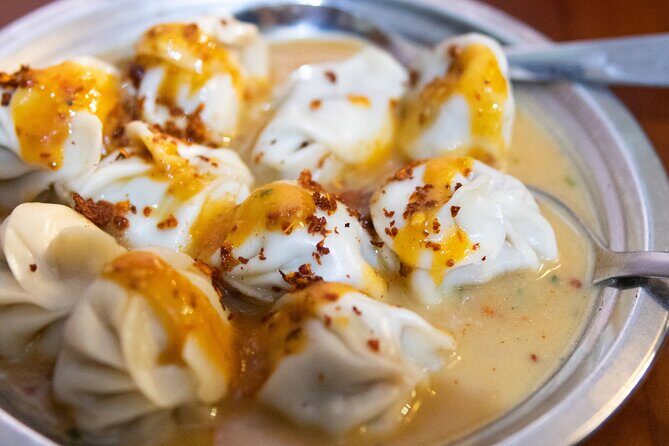
Let’s be honest about street food tours anywhere: the settings are working food zones, not spotless dining rooms. Some stops are simple, with environments that may not look “polished” by western standards.
The good news is that the core experience is about food you can enjoy without turning the night into a stomach gamble. People who took the tour emphasized that the food was delicious and that they didn’t have upset stomach issues afterward—so the tastings seem to be chosen with care.
Still, your best move is common-sense:
- Arrive with an empty stomach so you’re happy, not stressed, after tasting multiple items.
- Eat at the pace the guide sets, especially if you’re sensitive to spice.
- If a place looks questionable to you, it’s okay to pause and ask what you’re about to eat.
One more comfort note: because some bites are meant to be eaten standing up, this isn’t the tour for long, slow sitting breaks. It’s for travelers who like moving, sampling, and learning as they go.
Who this tour fits (and who should think twice)
This walking food tour is a strong fit if you:
- Want a first-timer-friendly way to understand Kathmandu street snacks without guessing.
- Prefer small groups where you can ask questions and keep the pace human.
- Like Nepali and Indian flavors and want to see how they show up in everyday market food.
It’s also a good choice if you enjoy “find it yourself” energy, because guides lead you into narrow alley areas and smaller doorways that you’d likely miss on your own.
Think twice if you:
- Need a mostly seated experience, since some foods are eaten standing up.
- Have mobility challenges that make walking through older market lanes uncomfortable.
- Are traveling during a period of poor weather and can’t adjust plans if the tour gets rescheduled.
Should you book the Walking Food Tour in Kathmandu?
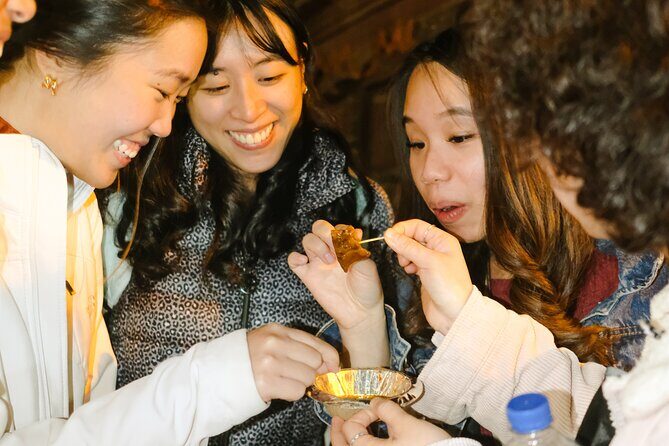
My take: book it if you want Kathmandu food to feel practical, guided, and genuinely local. For $36, you get a small-group walk, a two-zone route through classic market areas, and multiple included tastings with a guide who explains what’s on your plate.
Do it especially early in your trip. Once you’ve seen how these snacks work—what to look for, what flavors are common, how spicy is typically handled—you’ll find it easier to enjoy Kathmandu’s food on your own afterward.
If you’re short on time, don’t want the stress of ordering blindly, and you’re okay with standing for some bites, this is one of the easiest ways to turn an evening in Kathmandu into a real food education.
FAQ
How long is the walking food tour?
It runs for about 2 hours.
Where does the tour start?
The tour starts at Akash Bhairab Temple (P845+9PQ), Kathmandu 44600, Nepal.
What does the tour cost, and what’s included?
The price is $36.00 per person, and the tour includes snacks. Private transportation is not included.
How many people are in the group?
The tour has a maximum of 12 travelers.
Is there a mobile ticket?
Yes, the tour uses a mobile ticket.
What if the weather is bad?
This experience requires good weather. If it’s canceled due to poor weather, you’ll be offered a different date or a full refund.
What’s the cancellation window?
You can cancel for a full refund up to 24 hours before the experience start time. If you cancel less than 24 hours before, the amount paid is not refunded.