REVIEW · KATHMANDU
Kathmandu Secret Food Crawl & Local Market Tour
Book on GetYourGuide →Operated by Mount Glory Treks · Bookable on GetYourGuide
Kathmandu turns snack time into street culture. This 2-hour Ason Bazar crawl mixes food with real neighborhood life, and I love how it centers Newari cuisine instead of generic tourist bites. I also like that you get stories with every stop, so you’re not just eating, you’re learning what people order and why.
One thing to plan for: you will likely leave very full. The pace is active, and the “try a little of everything” approach can be a lot if you’re easily overwhelmed by crowds or spicy food.
In This Review
- Key takeaways before you go
- Kathmandu’s Secret Food Crawl: Ason Bazar as Your Flavor Map
- The 2-Hour Rhythm: Short Stops, Fast Walking, Big Payoff
- What You’ll Learn in the Market District (Crafts, Newars, and Everyday Life)
- What You’ll Eat: Newari Classics Plus Kathmandu Street Snacks
- Newari favorites that explain Kathmandu
- Street food stops where the flavors come alive
- Drinks and variety that prevent the food from feeling repetitive
- Santosh and the Value of a Real Local Guide
- Price and Value: Why $28 Can Make Sense in Kathmandu
- Who This Food Crawl Fits Best (And Who Might Want a Different Plan)
- Practical Tips to Get More Out of Your 2-Hour Tasting
- Should You Book Kathmandu Secret Food Crawl & Local Market Tour?
- FAQ
- Where is the meeting point for the Kathmandu Secret Food Crawl & Local Market Tour?
- How long is the tour, and what language is the guide?
- What is included in the price?
- How much does the tour cost?
- What is the cancellation policy?
- Is there an option to reserve without paying right away?
Key takeaways before you go
- Ason Bazar: the oldest major market feel, good for understanding how locals shop and snack
- Newari food focus: dishes like Yomari and Samay Baji show up instead of only westernized street food
- Multiple short tastings: at least 5 food items plus drinks in just 2 hours
- Street snacks beyond the obvious: you may sample momo, chatamari, laphing, and more
- A guide with context: conversation often covers Nepalese culture, religion, and politics, not just menus
Kathmandu’s Secret Food Crawl: Ason Bazar as Your Flavor Map
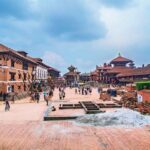
If you want Kathmandu to make sense fast, start with food. This crawl uses the oldest local market, Ason Bazar, as the anchor, then threads you through nearby streets where you can see how people eat, buy, and live.
What makes the tour feel worth it is the mix of market reality and cultural meaning. You’re not only tasting; you’re learning how Newar traditions and other local influences shape what ends up on the table. You’ll also get plenty of street-level variety, so your meal doesn’t end up as one long repeat of the same thing.
You can also read our reviews of more food & drink experiences in Kathmandu
The 2-Hour Rhythm: Short Stops, Fast Walking, Big Payoff
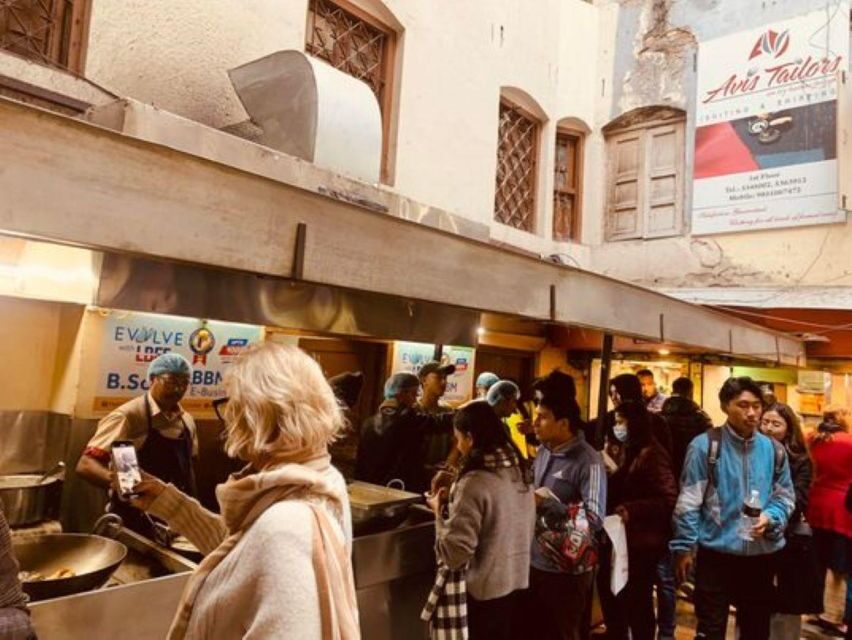
Two hours sounds short. It isn’t, because the format is built around multiple quick tastings and brief explanations, not one sit-down meal.
Expect a moving route with lots of “here’s what it is, here’s how locals eat it” moments. That matters because Kathmandu food is best understood by texture and context: sweet vs. savory dumplings, ceremonial platters vs. snack street bowls, and cold noodle heat vs. hot fried bites.
You’ll meet at the main gate of Chhaya Devi Complex. From there, you’re set up for an easy start, and you’ll likely be back on your feet quickly after the final tastings.
What You’ll Learn in the Market District (Crafts, Newars, and Everyday Life)
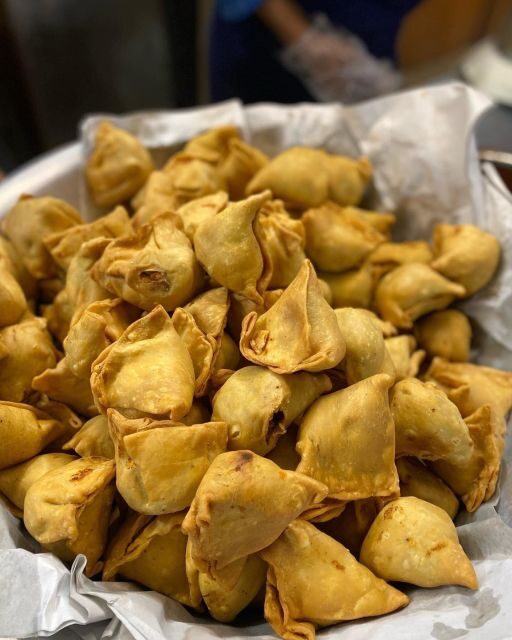
The crawl isn’t only about food. It also includes exploration of crafts and traditions tied to the Newars and other local cultures, which helps you see why the market feels different from one generic shopping street.
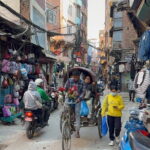
This is where you get the “people first” side of Kathmandu. You’ll be walking through the same kind of lanes where locals handle daily tasks, and the tour encourages contact with that lifestyle rather than treating the market like a photo backdrop.
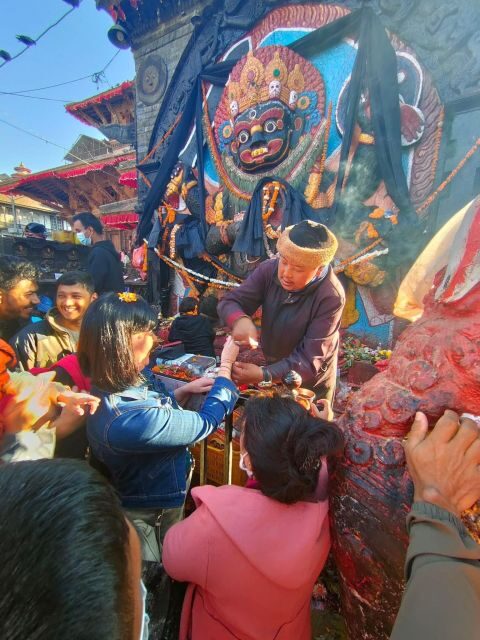
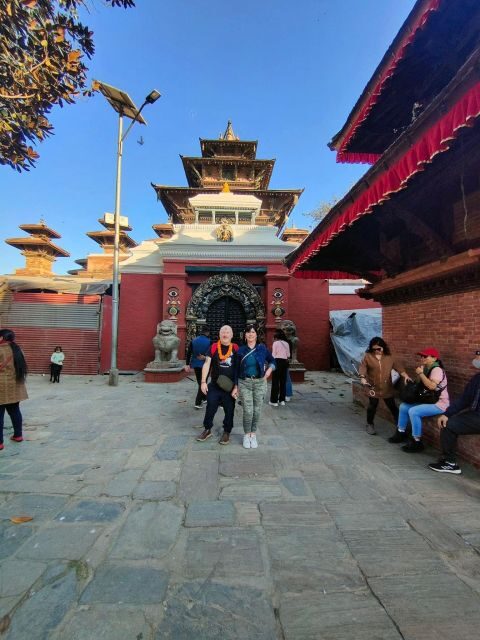
In at least one early-evening scenario, a stop connected to the Kumari Temple has been part of the experience. If your timing lines up with that window, you may get a chance to see the Living Goddess appear, which adds a powerful cultural layer to your food tour.
What You’ll Eat: Newari Classics Plus Kathmandu Street Snacks
You should come hungry, because the food count adds up fast. The tour includes all foods and beverages, with a minimum of 5 items with drinks, and most guests leave stuffed.
Newari favorites that explain Kathmandu
The menu focus often includes dishes that Newars are known for. One highlight is Yomari, a sweet steamed dumpling filled with molasses and sesame seeds. It’s not just dessert; it’s a window into local tastes that don’t rely on Western-style sweetness.
Another is Samay Baji, a ceremonial platter type meal. You may see elements like beaten rice, spiced buffalo meat, and a variety of pickles. If you like food with meaning, this is the moment that turns snacks into culture.
A few more Kathmandu tours and experiences worth a look


Street food stops where the flavors come alive
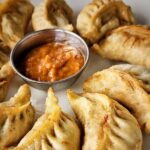
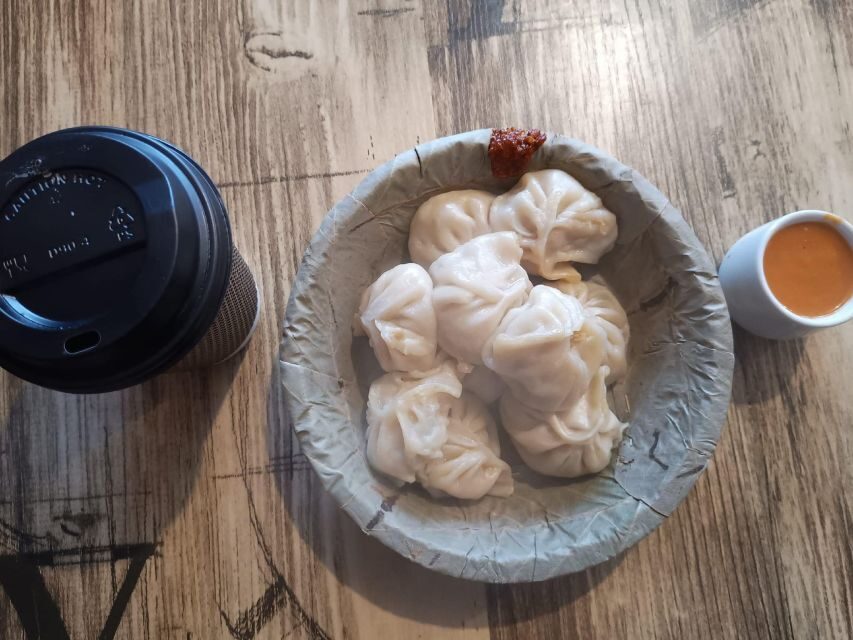
Kathmandu street food is a major part of why this crawl works. You may try momo in different styles, since dumplings show up in countless variations across the city. If you’re worried about too much spice, momo is still a great entry point because you can often match heat level to your comfort.
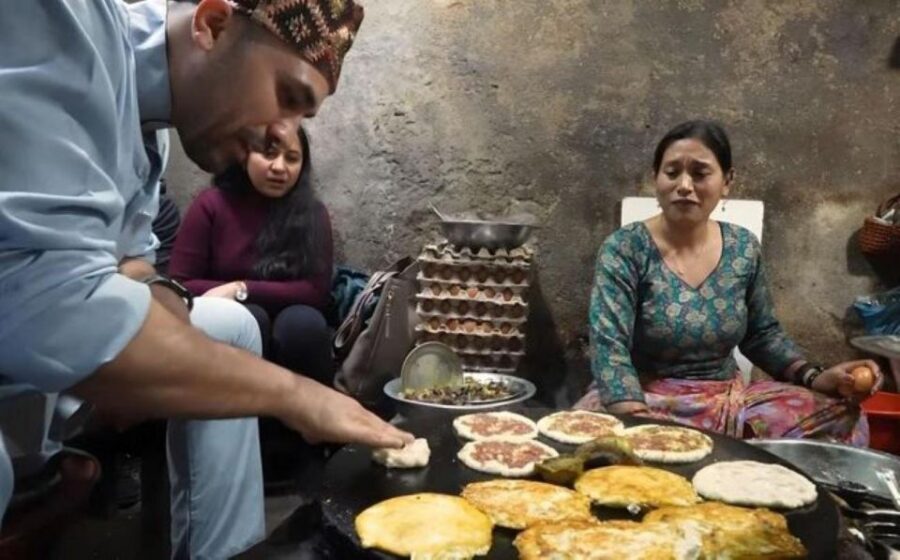
You might also encounter chatamari, which many people compare to a Newari-style pizza. The point isn’t the nickname—it’s the way it tastes: savory base, topping textures, and that satisfying street-food grab-and-go rhythm.
One dish that often gets attention from locals is laphing, a cold and spicy mung bean noodle dish. It’s the kind of food that feels like a local favorite because it’s specific and a little unusual if you’re coming from abroad.
Drinks and variety that prevent the food from feeling repetitive
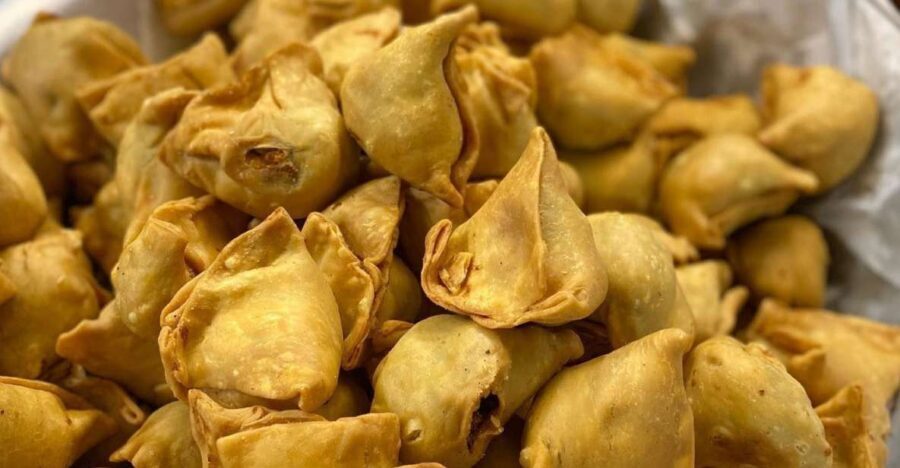
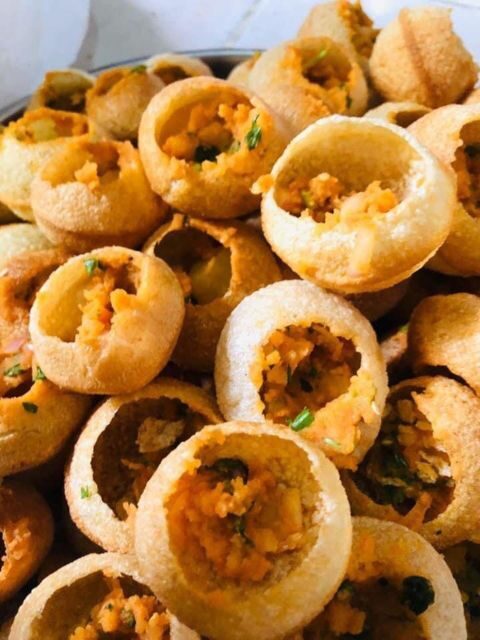
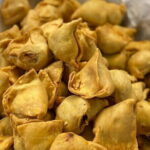
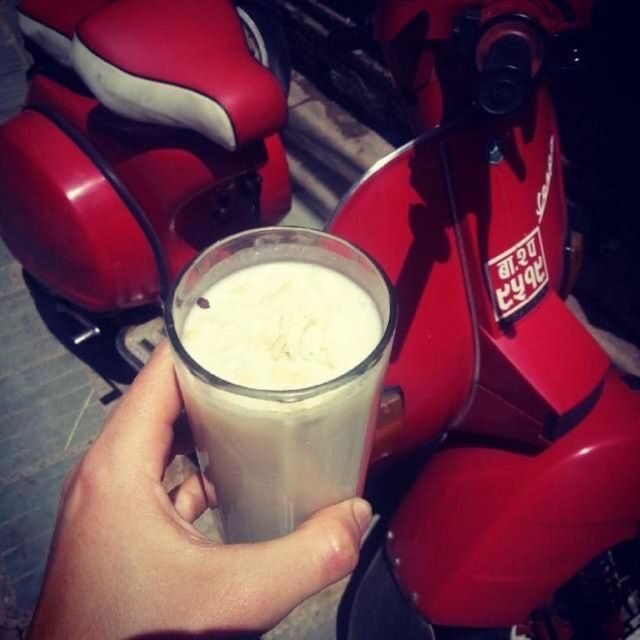
Drinks are included, and that helps you pace the snack assault. Based on common tastings on this route, you may also come across items like lassi and pani puri, plus other familiar street bites such as samosas, depending on what’s available that day.
The best part for me is the variety within a short window. You’re not eating five versions of the same fried thing. You’re moving between sweet, savory, cold, hot, crunchy, and soft, so your brain stays engaged even when your stomach is getting full.
Santosh and the Value of a Real Local Guide
The tour’s quality depends heavily on the guide, and the reviews are consistent about one name: Santosh. People describe him as friendly, easy to talk with, and good at explaining what you’re eating and how it fits into Nepalese life.
That context matters in Kathmandu. Markets can feel like sensory overload if you’re on your own, and food choices become guesswork fast. With a guide, you get direction on what to try, what to expect, and how to understand the flavors beyond just saying it tastes good.
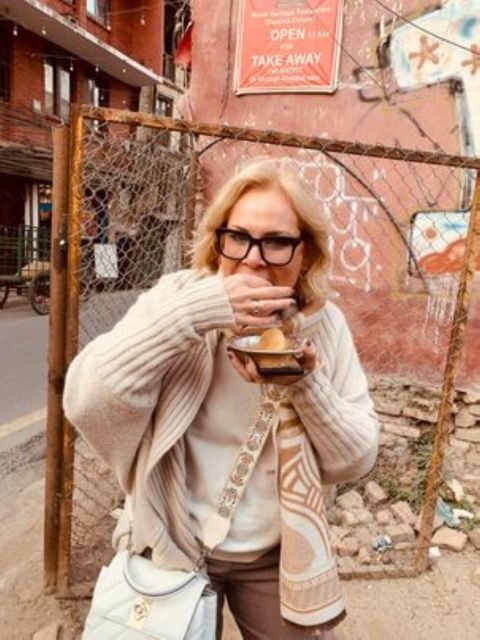
I also appreciate the practical side of this guiding. Several guests note that vendor choices are clean and reputable, which takes pressure off you while you sample street foods. A few mentions also highlight that Santosh can be accommodating with timing when plans change, which is a lifesaver if you have another commitment right after.
Price and Value: Why $28 Can Make Sense in Kathmandu
At $28 per person for about 2 hours, this is priced like a short, focused experience rather than a long day tour. Where the value really shows is in the bundled structure: guide time, taxes, and a packed set of tastings with drinks.
If you try to replicate this on your own, you run into two costs that don’t show up on a menu price. First is time—figuring out where locals eat takes effort in a maze of streets. Second is risk—if you pick the wrong stall, you lose both money and appetite.
This tour aims to reduce both. You get a planned route that hits market energy and multiple food styles, plus explanations that help you remember what you ate and why it matters.
Who This Food Crawl Fits Best (And Who Might Want a Different Plan)
This is a strong pick if you want a first feel for Kathmandu that’s not limited to monuments. Food lovers, couples, and solo visitors tend to enjoy it because you get variety without needing to “research like a consultant.”
It’s also ideal if you’re the type of traveler who asks questions. The guide’s conversation can go beyond dishes into Nepalese culture, religion, and politics, which gives the tour extra texture.
If you’re extremely picky, have a very low spice tolerance, or you hate walking in busy streets, you should think carefully. Even without specific claims about spice levels, the dish list commonly includes spicy items, and the experience is designed to leave you full.
Practical Tips to Get More Out of Your 2-Hour Tasting
Start with the right mindset: this is a walk-and-taste tour. Wear comfortable shoes and plan to move through narrow lanes without expecting long pauses.
Also, treat it like a mini meal, not a snack. Since you’re sampling multiple items plus drinks, eat lightly earlier in the day so you don’t feel miserable by the halfway point.
If you care about seeing cultural moments around Kumari Temple, consider timing. One guest experience points out that an early-evening visit made entry possible, so your schedule can influence what you get to see.
Should You Book Kathmandu Secret Food Crawl & Local Market Tour?
Yes, if you want Kathmandu food to come with context, not just calories. The combination of Ason Bazar, Newari-focused dishes like Yomari and Samay Baji, and street favorites like momo and laphing gives you a fast, memorable taste of how locals eat.
Book it soon after you arrive if you like learning routes and food logic early. You’ll leave with a better sense of what Kathmandu flavors are about, and you can use that knowledge to choose confidently later.
Skip it only if you know you can’t handle active walking, big tastings, or spicy bites. Otherwise, this feels like a solid way to pay for guidance, sample a lot, and understand why Kathmandu markets are more than shopping streets.
FAQ
Where is the meeting point for the Kathmandu Secret Food Crawl & Local Market Tour?
You meet at the main gate of Chhaya Devi Complex.
How long is the tour, and what language is the guide?
The tour lasts 2 hours, and the live tour guide is English-speaking.
What is included in the price?
The price includes an experienced English-speaking guide, all government taxes and official expenses, and all foods and beverages with a minimum of 5 items plus drinks.
How much does the tour cost?
The price is $28 per person.
What is the cancellation policy?
Free cancellation is available up to 24 hours in advance for a full refund.
Is there an option to reserve without paying right away?
Yes, the tour offers a reserve now & pay later option, so you can book your spot and pay nothing today.