REVIEW · KATHMANDU
Annapurna Base Camp Trek
Book on Viator →Operated by Glorious Himalaya Trekking Pvt. Ltd. · Bookable on Viator
One step into the Annapurna region and the scale grabs you. This 13-day trek threads through bamboo, rhododendron, and high Himalayan air, ending at Annapurna Base Camp at 4,130m, with big views along the way.
I like two things a lot: the organized logistics (airport transfers, Kathmandu–Pokhara transport, private vehicle to the trekking point) and the human factor—guides who keep things calm and workable, like Prakash, Buddhi, Jiban, and Keshab. Ganesh, the owner behind Glorious Himalaya Trekking, is also mentioned in multiple trip notes as responsive and straightforward.
One possible drawback to plan for: meals during the trek are not included, so you’ll want to budget for lunch and dinner on hiking days (breakfast is included for part of the trip, and a welcome dinner is provided).
In This Review
- Key things that make this Annapurna Base Camp trek work
- Annapurna Base Camp: the “sanctuary” feeling you’re really paying for
- Day 1 to 2: Kathmandu to Pokhara without a travel hangover
- The first trekking spine: Tikhedhunga to Ghorepani (forests and altitude steps)
- Poon Hill sunrise day (and why it’s the best “view investment”)
- Sinuwa and Deurali: where the trail starts feeling more remote
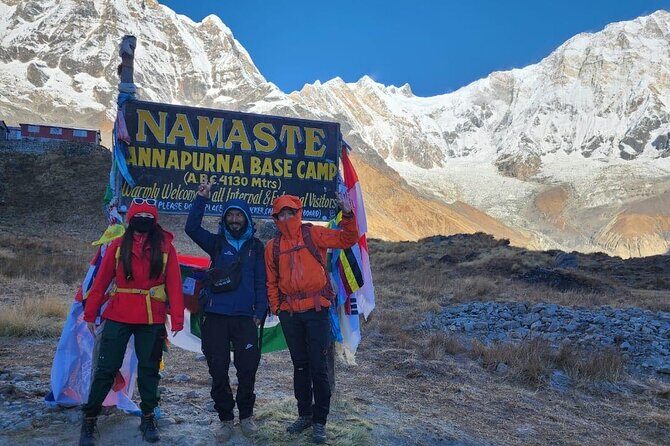
- The summit day you don’t summit: reaching Annapurna Base Camp at 4,130m
- The recovery arc: retracing to Bamboo, then Jhinu Danda hot springs
- Back to cities: Pokhara lakeside time, then Kathmandu and a farewell dinner
- Price and logistics: what $650 covers, and what it doesn’t
- Guides, flexibility, and why that matters more than fancy slogans
- Who should book this Annapurna Base Camp trek?
- Should you book Annapurna Base Camp with Glorious Himalaya Trekking?
- FAQ
- What time does the trek start and where is the meeting point?
- What’s included in the $650 per person price?
- What meals are included and what meals are not?
- Can I request vegetarian food?
- Are porters included in the price?
- What are the key high-altitude highlights on the trek?
Key things that make this Annapurna Base Camp trek work
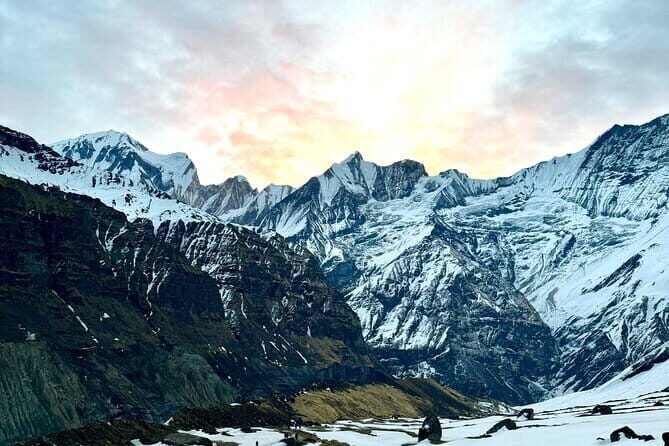
- Poon Hill sunrise at 3,210m with a clear view setup for the main Himalayan names (Annapurnas, Dhaulagiri, Machhapuchhre/Fishtail, Manaslu)
- Day-by-day flexibility on the ground, including route changes if weather or health needs it (worked for multiple guided trips)
- Permits and entrance fees included, so you’re not scrambling for paperwork once you’re in Nepal
- Twin-sharing lodge nights for 8 trek nights, plus hotel nights in Kathmandu and Pokhara with breakfast
- Hot springs at Jhinu Danda as a recovery bonus after the Chhomrong area
- Clear staffing: one experienced trekking guide, and porters only if you add them
Annapurna Base Camp: the “sanctuary” feeling you’re really paying for
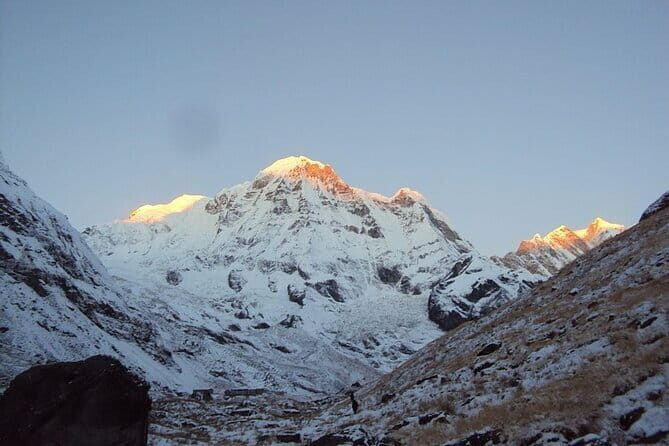
The Annapurna region isn’t just scenery. It’s a changing system of climates stacked on top of each other. You start in lower valleys and rise through forests of oak and rhododendron, then you move toward harsher, colder terrain where the mountains dominate your day.
There’s also a religious and cultural weight here. The sanctuary is considered sacred by both Hindus and Buddhists, and it wasn’t opened for foreigners until 1956. You feel that in the way the route is set up, and in the steady rhythm of villages along the trail—practical places to rest, eat, and regroup.
What I like as a value angle is how the trip package is built to reduce friction. You’re not trying to coordinate transport, permits, and lodge bookings on your own while also dealing with altitude fatigue. Paying $650 for the “thinking” part (guiding, permits, transfers, most accommodations) can be smarter than trying to assemble everything separately—especially if you’re coming from overseas.
You can also read our reviews of more hiking tours in Kathmandu


Day 1 to 2: Kathmandu to Pokhara without a travel hangover
Your day starts in Kathmandu with pickup from Tribhuvan Airport and a transfer to your hotel. Then your trekking guide goes over what’s ahead and helps you get your gear ready. That orientation matters. On a trek like this, the easiest mistake is showing up with the wrong items or carrying too much because you didn’t plan properly.
The next big move is the Kathmandu-to-Pokhara drive. The route follows rivers (Trisuli comes up on the way), with stops for lunch along the journey. When you arrive in Pokhara, you check in and get breathing room by Phewa Lake and Lakeside. It’s a good setup day because the trek proper starts from the trailhead tomorrow.
Also note: the trip is set as a private activity where only your group participates. That’s helpful if you want your schedule respected, even though the trek is still in a shared network of guesthouses and paths.
The first trekking spine: Tikhedhunga to Ghorepani (forests and altitude steps)
Day 3 begins with a drive to Nayapul, then the trek lifts from riverside villages into climbing terrain. You start by reaching Birethanti at the confluence of Modi and Bhurungdi Kholas, then you climb toward Sudame and steadily rise to Tikhedhunga.
Day 4 is a classic early-week rhythm: Ulleri first (with stone stair climbing), then gradual ascent through oak and rhododendron forest. You pass Nagethanti and then reach Ghorepani.
What makes this segment worth your attention is that it’s not random hiking. It’s paced to help you move up while staying in forested zones where conditions are more forgiving. If you’re new to trekking, this part gives you time to learn how your body handles steady uphill effort before you hit the higher zones.
Small consideration: the stone stairs up from Ulleri are real. Even when the schedule says a day is about 6 hours, you should expect it to feel more intense if you’re not used to repeated step climbing.
Poon Hill sunrise day (and why it’s the best “view investment”)
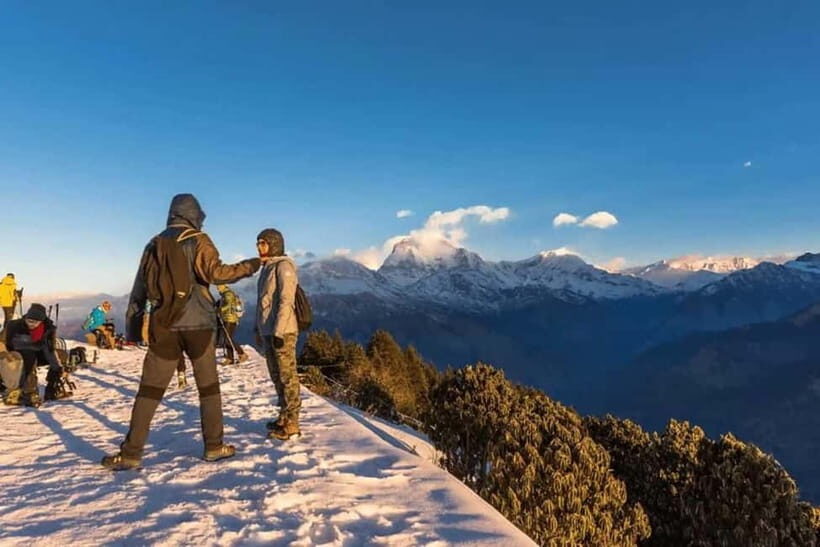
Day 5 starts with an early hike up to Poon Hill at 3,210m. The payoff is sunrise over the high Himalayas—clear, iconic views of Annapurnas and neighboring giants like Dhaulagiri, Machhapuchhre (Fishtail), and Manaslu.
After the morning view moment, you don’t simply coast downhill. You hike along a ridge through pine and rhododendron forest to Deurali, then you descend toward Banthanti and continue on to Tadapani.
This is one of the days where you really feel what paying for guidance buys you. Getting to Poon Hill at the right time is all about timing and energy management. You’ll also want to be honest with yourself about cold mornings at altitude. Layers aren’t optional—your guide will be the one who helps you think through when to push and when to conserve.
Sinuwa and Deurali: where the trail starts feeling more remote
Day 6 takes you down through rhododendron forest to a Gurung community village, then onward to Sinuwa (around 2,300m). Day 7 continues with a down-then-up pattern: you drop to Sinuwa Khola, climb toward Khuldighar (2,380m), then walk through bamboo and rhododendron thickets before reaching Deurali hotel.
Why I consider this a key phase: the terrain begins to feel less like a village stroll and more like true high-mountain travel. The walking is still manageable for many people with moderate fitness, but the air and the soundscape change. You start noticing how your breathing settles and how quickly you tire if you move too fast.
A practical tip mindset: this is where you’ll benefit from using your guide’s pace recommendations and not trying to “win” each day. Your goal isn’t just reaching base camp—it’s getting there in a condition where you can enjoy the views when they arrive.






The summit day you don’t summit: reaching Annapurna Base Camp at 4,130m
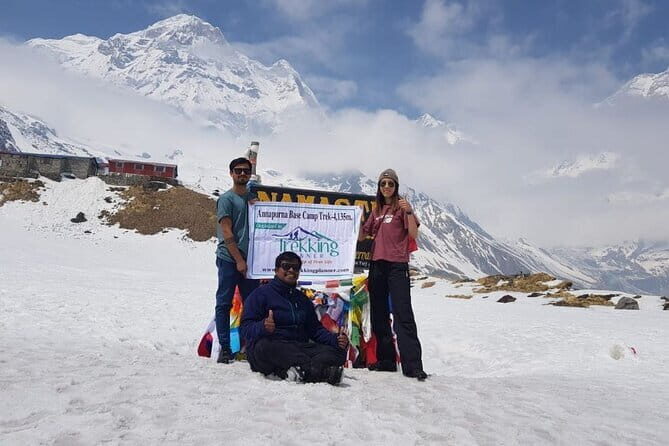
Day 8 is the big one. You climb through the forest and cross Hinku Cave before reaching Machhapuchhre Base Camp area. Important detail: Machhapuchhre Base Camp isn’t the place you get a summit. Summiting Machhapuchhre is not permitted, so you’re seeing the mountain up close from a viewpoint zone rather than “climbing to the top.”
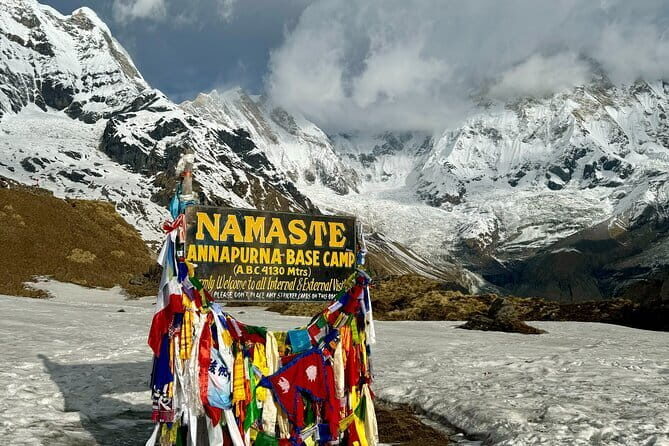
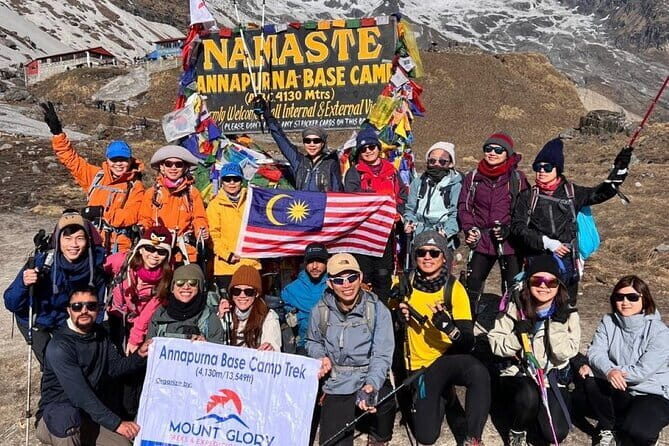
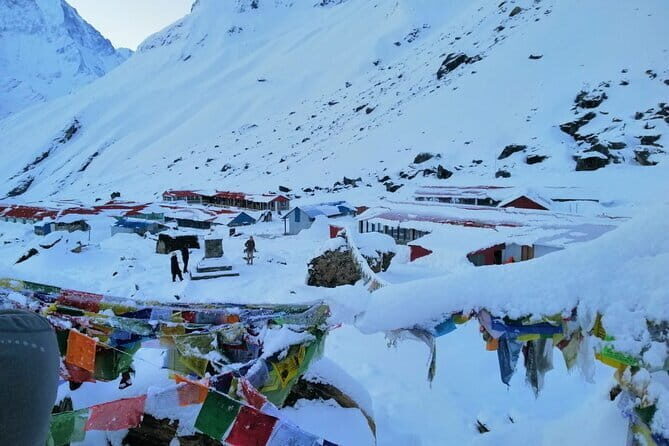
From there, it takes roughly two more hours to Annapurna Base Camp at 4,130m. At the base camp area, you’re rewarded with unobstructed mountain scenery, surrounded by icy peaks in what’s called the Annapurna Sanctuary.
How you should think about this day: base camp is an altitude experience first, views second. Even if you feel okay on the walk up, the cold at this height can change how long you can comfortably stand still for photos. Bring a real plan for warmth and keep your breathing steady.
Also, this is the day you’ll likely understand why people remember Annapurna Base Camp for years: you’re inside the mountain ring, not just watching it from a distance.
The recovery arc: retracing to Bamboo, then Jhinu Danda hot springs
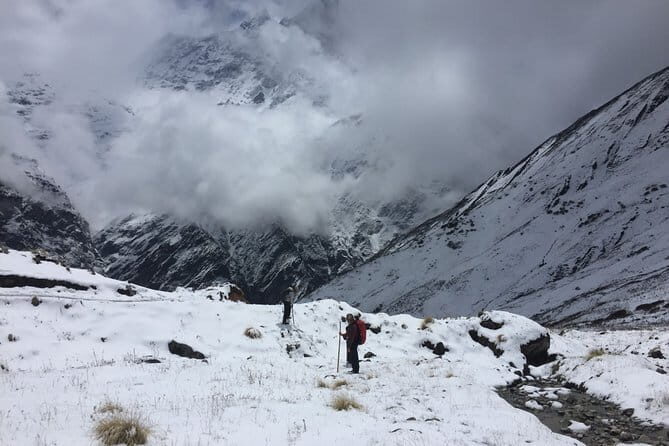
Day 9 moves downhill from base camp back toward lower points (retracing steps to Bamboo). Because it’s downhill, it can feel easier on the lungs, but it can still beat up your knees. Trek poles help if you’re comfortable using them.
Day 10 continues the descent-and-rise pattern: you head uphill toward Kuldighar, down toward Chhomrong Khola, then climb to Chhomrong. After that, you descend to Jhinu Danda for the night. Here’s the recovery bonus: hot springs are about a 15–20 minute downhill walk from Jhinu Danda, ideal for loosening up aching legs.
This is one of the most practical parts of the itinerary because it gives you an actual “repair” moment rather than forcing you to just push onward tired. If your body tends to cramp or tighten after long descents, plan to treat the hot springs like part of your training plan, not a random side stop.
Back to cities: Pokhara lakeside time, then Kathmandu and a farewell dinner
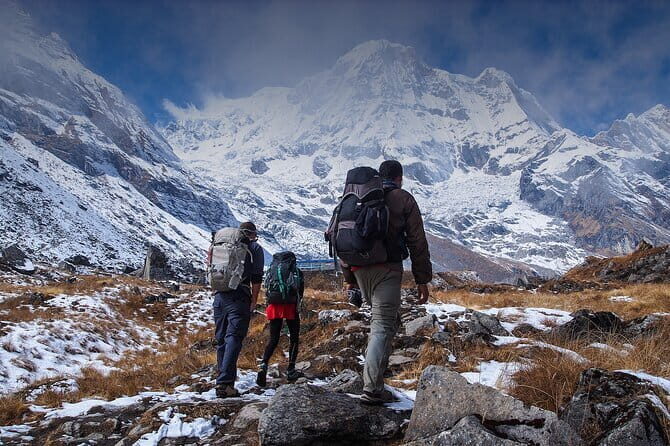
On Day 11, you walk up to Nayapul, then take a bus ride to Pokhara. You’ll stop for lunch along the way. Once you reach Pokhara, you’ll stay at a hotel with breakfast included.
Day 12 returns you to Kathmandu by tourist bus, and after you arrive you can rest or wander around Thamel. In the evening, you have a farewell dinner at a typical local restaurant with cultural dance performance. That last night matters because it lets you stop measuring the day by altitude gain and start thinking about being back in daily life.
Day 13 is straightforward: drop-off at Kathmandu International Airport for your return flight.
Price and logistics: what $650 covers, and what it doesn’t
At $650 per person, you’re paying for more than a route on a map. Here’s what’s included that typically saves you money and stress on your side:
- Airport pick up and drop off by private vehicle
- Kathmandu–Pokhara–Kathmandu transport by tourist bus
- Private car/van/jeep to get you to the trekking point
- One experienced trekking guide
- Twin-sharing lodge accommodations for 8 nights during the trek
- Hotel stays in Kathmandu and Pokhara (2 nights each) with breakfast
- Permits and entrance fees
- First aid medicines carried by the guide
- An adventure certificate after trip completion
- A welcome dinner with cultural dance, plus dinner included (the package lists dinner)
What isn’t included:
- International flights and Nepal visa
- Meals during the trek
- Tips to the trekking guide
- Porters (available at additional price)
Value call: if you’re comfortable handling lunch/dinner budgeting yourself and you want someone else to handle permits, transport, and lodge planning, this price makes sense. If you hate the idea of paying extra for every meal during hiking days, then compare this against packages that bundle full board. Here, your biggest “hidden cost” risk is simply how much you prefer to spend day-to-day on food once you’re on the trail.
Guides, flexibility, and why that matters more than fancy slogans
Across the trip notes, guides are repeatedly mentioned by name—Prakash, Buddhi, Jiban, and Keshab—with a theme of being warm, attentive, and practical. One review-style pattern that stands out: flexibility when conditions change. That can mean altering timing or even route choice if weather or a health situation calls for it.
That kind of adaptability is important on ABC because the trek sits in real mountain weather. Even when itineraries look fixed on paper, your body and the sky can influence what’s safe and comfortable. A guide who can adjust without drama is worth more than an itinerary that refuses to change.
Owner Ganesh also shows up as a point of contact in multiple accounts, described as responsive and clear. That’s not a small detail. When things change, you want quick answers and no maze of phone calls.
Who should book this Annapurna Base Camp trek?
This works best if you:
- Have moderate physical fitness and want a structured 13-day plan with help on the ground
- Prefer lodge-based trekking (twin-sharing accommodations in local places) instead of camping
- Want a guided trip that includes permits and most transport steps
- Like the idea of a “big views” day at Poon Hill and a true high point at Annapurna Base Camp
You might think twice if:
- You’d rather have all meals included (this package says trek meals aren’t included)
- You’re expecting a fast hike with lots of free time to wander off-route (the schedule is guided and steady)
- You need a very detailed medical plan; the tour includes first aid medicines, but it’s still a high-altitude trekking environment
Should you book Annapurna Base Camp with Glorious Himalaya Trekking?
I’d lean toward booking if you want smooth logistics, included permits, and a guide-led pace that helps you enjoy the mountains without overthinking the admin. The price covers the setup work that usually takes the most time—transport coordination, lodge planning, and permit handling.
Before you book, ask yourself two practical questions: Can I budget for meals during the trek? And am I ready for early mornings and cold altitude mornings? If those answers are yes, this is a strong way to reach Annapurna Base Camp while still having time in Pokhara and Kathmandu to enjoy Nepal beyond the trail.
FAQ
What time does the trek start and where is the meeting point?
The meeting point is Tribhuvan Airport in Kathmandu, and the start time is 6:30 am.
What’s included in the $650 per person price?
The package includes airport pick up and drop off, Kathmandu–Pokhara–Kathmandu transport by tourist bus, private transport to and from the trekking point, an experienced trekking guide, twin-sharing lodge accommodations for 8 trek nights, hotel accommodations in Kathmandu and Pokhara with breakfast, permits and entrance fees, first aid medicines carried by the guide, and an adventure certificate after the trip.
What meals are included and what meals are not?
Dinner is included, and breakfast is included for the trip’s hotel days (listed as 4 breakfasts). Meals during the trek are not included.
Can I request vegetarian food?
Yes. A vegetarian option is available, and you should advise at the time of booking.
Are porters included in the price?
Porters are available, but they are listed as an additional cost.
What are the key high-altitude highlights on the trek?
You’ll hike to Poon Hill at 3,210m for sunrise views, and you’ll reach Annapurna Base Camp at 4,130m. Machhapuchhre Base Camp is included on the route, with the note that summiting Machhapuchhre isn’t permitted.